REVIEW · SEOUL
Discover Seoul: Local Life and History
Book on Viator →Operated by MORTOUR GUIDED TOURS · Bookable on Viator
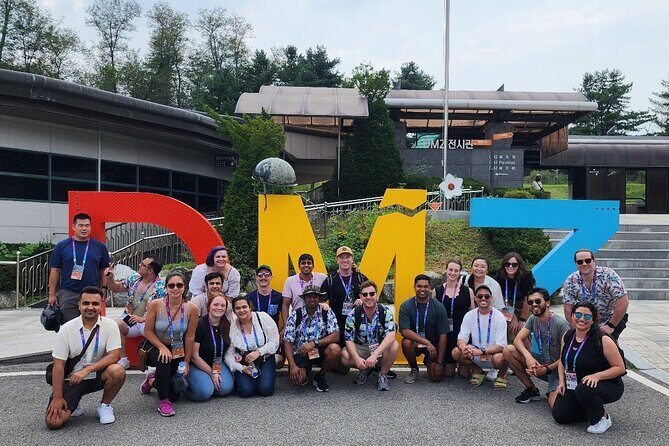
Seoul’s past and present walk together. This 3.5-hour, guided circuit through Gwanghwamun and Jongno-gu mixes royal palace basics with everyday local-life streets, so you don’t just see landmarks—you understand why they matter. I like how the tour keeps things small-group, and how the storytelling is clear enough to follow even if you’re new to Korean history.
The biggest benefit for you is that it’s designed to connect multiple eras in one route: palace grounds, Joseon heroes, hanok streets, and tea-house/craft-shop stopovers. One thing to consider: it’s a good-weather walking experience, and City Hall can be closed on some Tuesdays—so build in flexibility.
In This Review
- Key Things to Know Before You Go
- From Seoul Plaza to City Hall: Getting Your Bearings Fast
- Gwanghwamun Avenue: Where Big Names Live in the City
- Gyeongbokgung Palace: The Joseon Main Stage (Plus Guard Change)
- Insadong: Tea Houses, Craft Shops, and Where to Eat Like You Mean It
- Bukchon Hanok Village Finish: Traditional Alleys with a Viewpoint Feeling
- Price and Logistics: Is $96.75 Good Value?
- Weather, Timing, and Who This Tour Suits Best
- A Balanced Take: One Strong Tour, Two Tradeoffs
- Should You Book This Seoul Local Life and History Tour?
- FAQ
- How long is the Discover Seoul: Local Life and History tour?
- Where does the tour start and where does it end?
- Is admission included for the stops?
- What ticket format do I need?
- What happens if the weather is poor?
- What is the cancellation window for a full refund?
Key Things to Know Before You Go
- Joseon story in a 3.5-hour loop: Gyeongbokgung plus Joseon figures like King Sejong and Admiral Yi Sun-sin.
- Gwanghwamun area orientation: you start at Seoul City Hall and walk along the main avenue so you get bearings fast.
- Hanok streets come late on purpose: Bukchon Hanok Village is a strong finish when you’re ready to slow down.
- Tea-house and craft-shop time: Insadong is built for browsing, snacking, and stopping for drinks.
- Guides with real English strength: feedback highlights guides like Moises and Gemma for clear, practical explanations.
- Mobile ticket, easy meet-up: you’ll use a mobile ticket and meet near Seoul Plaza.
From Seoul Plaza to City Hall: Getting Your Bearings Fast
The tour begins at Seoul Plaza (110 Sejong-daero, Jung District). It’s a good start point because it’s central and grounded in the modern “main city” feel of Seoul. Then you head to Seoul City Hall, which is listed as a free stop and works as a quick orientation into how modern Seoul presents its own identity.
This is the kind of opener that helps you later. Once you’ve walked a bit with a guide, the grand avenues and palace-facing streets start to make sense as a designed part of the city—not random sightseeing. City Hall is also timed as a short visit (about 30 minutes), so you’re not stuck reading signs before the real highlights.
One practical note: City Hall may be closed on some Tuesdays. If your travel dates land on a Tuesday, it’s smart to keep an eye on confirmation details and be ready for a slightly adjusted flow.
You can also read our reviews of more historical tours in Seoul

Gwanghwamun Avenue: Where Big Names Live in the City
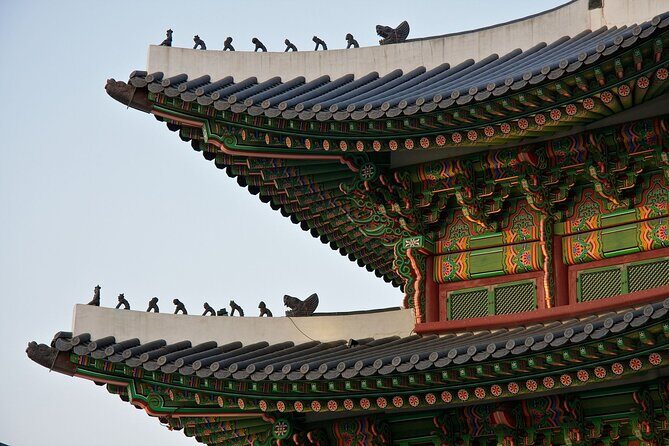
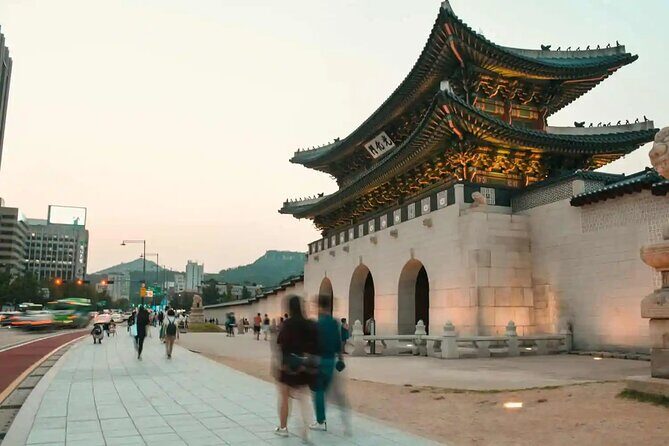
Next comes Gwanghwamun Square and the walk along Gwanghwamun avenue. This stretch is a strong “history-to-today” bridge because it’s lined with major civic and cultural landmarks. It’s also free to visit, and the timing is short enough to keep moving while still letting the guide point out what you’d otherwise miss.
Here’s what I think you’ll appreciate: you’re not only learning facts. You’re learning context—why this area became a focal point for Joseon-era power and why Seoul still marks that story in the present-day streetscape.
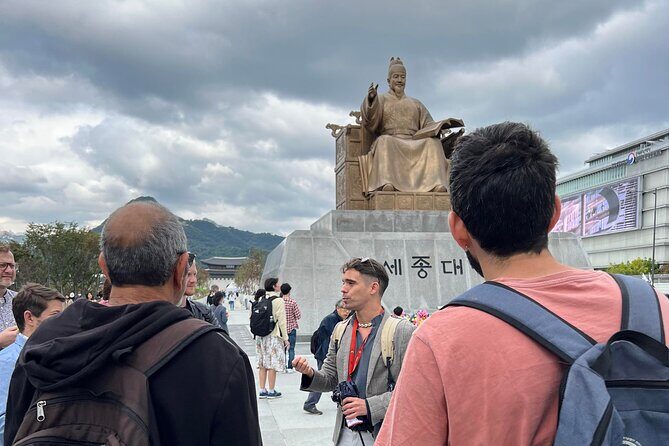
Right in front of the Gwanghwamun Gate, the tour also includes a quick stop at the public plaza area connected to two Joseon icons: King Sejong and Admiral Yi Sun-sin. This part is brief (about 10 minutes), but it’s built for impact. Public statues and open space can feel generic if you don’t know who you’re looking at. With the guide’s explanations, they become shortcuts into Korean history.
Gyeongbokgung Palace: The Joseon Main Stage (Plus Guard Change)
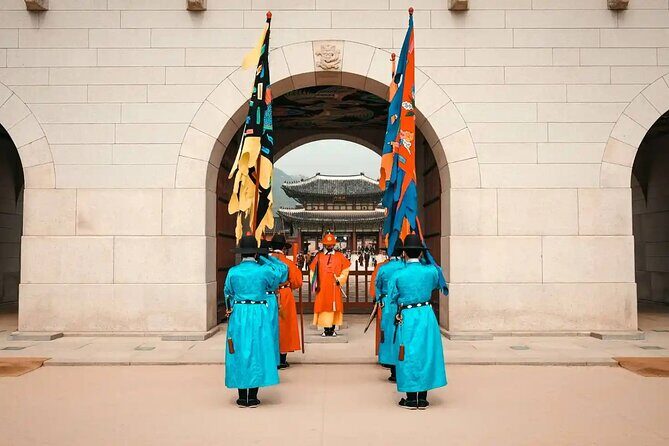
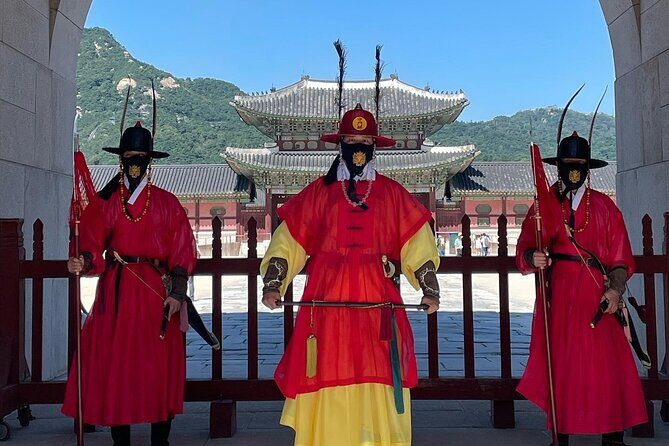
The center of gravity here is Gyeongbokgung Palace, free on the schedule and listed as a highlight with a focus on the main palace experience and the change of the guards. This stop takes about 30 minutes, which tells you what this tour prioritizes: a high-quality overview, not an all-day palace marathon.
Even in a short window, you can still get a lot from a guide-led approach because Gyeongbokgung is visually dramatic and historically layered. The guide’s job is to help you see the palace as more than “pretty buildings.” You’ll connect the setting to the Joseon dynasty story the rest of the tour is building toward.
The guard-change moment is also the kind of thing you’ll actually feel as a traveler. It’s one of those structured, time-based experiences that turns a walking tour into a real memory. If you care about cultural formality—ceremony, rules, and how a society presents power—this is the stop.
Insadong: Tea Houses, Craft Shops, and Where to Eat Like You Mean It
After palace time, the route swings toward Insadong, one of Seoul’s older neighborhood areas. Insadong is known on this tour for its mix of tea houses, galleries, bars, and craft shops tucked into hanok-lined streets. The focus is partly browsing, partly learning how local street culture fits next to heritage architecture.
This is one of the most valuable parts of the whole experience because it’s where practical decisions come in. The tour is set up to give you best-tips for where to drink and eat, including the famous Korean beer chicken. Even if you’re only in Seoul for a short visit, you’ll leave with a clearer idea of what feels both local and worth your time.
What to watch for here: Insadong’s streets can look like endless choices. A guide helps you avoid the common trap of going for whatever is most visible. Instead, you’re guided toward places that match the vibe of the neighborhood: tea-house style pauses, craft-shopping that doesn’t feel random, and food that fits the local rhythm.
Insadong gets about 30 minutes, which is enough time to feel the neighborhood without turning it into a full meal stop. You’ll likely want to continue after the tour, but you’ll have a head start on where to go.
Bukchon Hanok Village Finish: Traditional Alleys with a Viewpoint Feeling
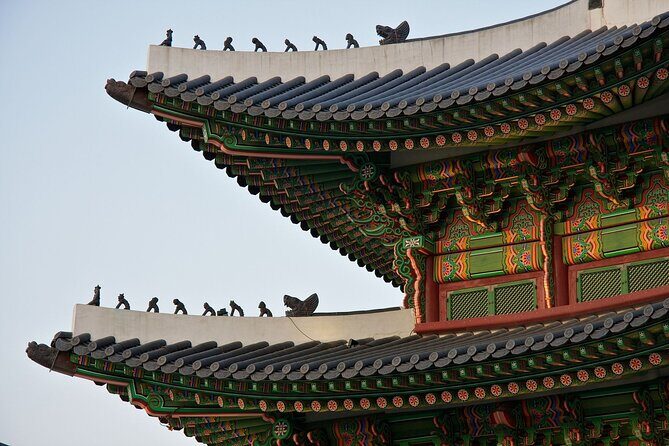
The final stop is Bukchon Hanok Village, about 30 minutes, and it’s where the tour finishes. The meeting details list the end point as Cafe Onion Anguk at 5 Gyedong-gil, Jongno District. It also explicitly says the tour finishes at Bukchon Hanok Village, which is a great choice: you end your walk in a place designed for slow wandering.
Bukchon is positioned on the hill between Gyeongbok Palace and the traditional village area. The tour description emphasizes that it’s a preserved traditional village showing around 600 years of hanok heritage (as stated on the tour). In plain terms: you’re ending in one of the best zones to visually connect what you learned earlier about Joseon-era life to actual street-level architecture.
One practical consideration: it’s a hilltop neighborhood vibe. Even if the tour time is controlled, your body will notice the end point. If you’ve got any mobility limits, pace yourself and don’t feel you need to sprint your way through the alleys after the guide wrap-up.
Also, this is a great finish point because it’s a natural place to keep exploring. Once the organized part ends, you can decide how long you want to linger among hanok lanes.



Price and Logistics: Is $96.75 Good Value?
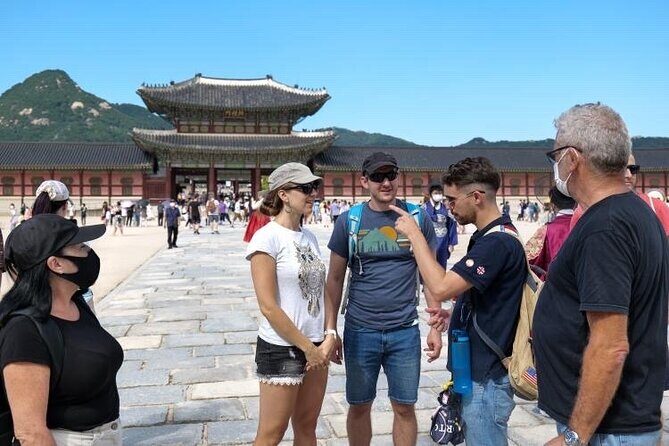
At $96.75 per person, this is a mid-priced guided walking tour, but the value comes from how much ground it covers in a short time and how concentrated the highlights are. You’re guided through major Seoul landmarks in one connected loop: Seoul City Hall, Gwanghwamun Square/avenue, Gyeonghwamun Gate area with Joseon figures, Gyeongbokgung Palace with guard change, Insadong’s hanok streets and tea/craft culture, and Bukchon Hanok Village.
A key value point: the scheduled admissions are listed as free for the stops named. On a typical day, palace and city landmarks can add up quickly, so the tour’s “mostly free entries” setup helps keep the total cost sensible.
Group size also matters. This tour has a maximum of 20 travelers, which usually helps with questions and pacing. It’s not a chaotic crowd. You can actually hear the guide and stay oriented.
Timing: it runs about 3 hours 30 minutes. That’s long enough to feel like a real introduction, but short enough for a day where you still want to hit other parts of Seoul later.
Finally, the tour uses a mobile ticket, which is convenient if you’re already juggling transit plans and phone-based confirmations.
Weather, Timing, and Who This Tour Suits Best
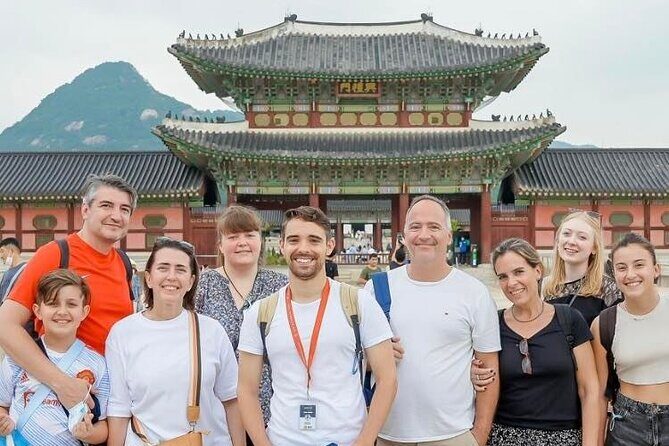
The experience is marked as requiring good weather. That means you should plan for a day that isn’t constantly rainy, because it’s built as a walking experience through streets and palace areas. If weather cancels it, you’ll be offered a different date or a full refund.
This is also a good match for travelers who want:
- a guided route that stitches palace history to modern street life
- a short, high-impact intro to central Seoul (Gwanghwamun and Jongno-gu)
- practical food/drink direction in areas like Insadong, including beer chicken recommendations
It’s not the best fit if you only want one landmark and don’t care about neighborhood context. This tour is about connections—royal Joseon framing, then the city’s everyday culture where it still shows up.
A Balanced Take: One Strong Tour, Two Tradeoffs
If you want a guided “first Seoul” feeling, this one has a lot going for it. I especially like that it keeps the focus tight: Joseon-era landmarks plus a finish in hanok village streets, with food and drink guidance added in.
The tradeoffs are simple:
- It depends on good weather.
- City Hall might be closed on some Tuesdays, which can slightly change how the opening flows.
If you’re flexible and you can handle a concentrated walking day, those aren’t deal-breakers. For many people, they’re the normal give-and-take of a heritage-and-neighborhood route.
Should You Book This Seoul Local Life and History Tour?
I’d book it if you’re arriving in Seoul and want a smart orientation in one afternoon. The route is designed to help you understand why Gyeongbokgung and the surrounding areas matter, then reward you with the hanok atmosphere of Bukchon to close out the story.
I’d skip it (or at least think twice) if your days are rainy, you dislike walking circuits, or you only want a deep, slow palace study. This tour is built for getting the big picture and leaving with useful next steps—especially for food and drink in Insadong.
If you want a well-paced introduction that blends palace ceremony with real neighborhood streets, this one fits the job.
FAQ
How long is the Discover Seoul: Local Life and History tour?
It’s approximately 3 hours 30 minutes.
Where does the tour start and where does it end?
It starts at Seoul Plaza (110 Sejong-daero, Jung District, Seoul) and ends at Cafe Onion Anguk (5 Gyedong-gil, Jongno District), finishing at Bukchon Hanok Village.
Is admission included for the stops?
The stops listed in the tour schedule show admission ticket free for each named location.
What ticket format do I need?
You get a mobile ticket.
What happens if the weather is poor?
The tour requires good weather. If it’s canceled due to poor weather, you’ll be offered a different date or a full refund.
What is the cancellation window for a full refund?
You can cancel up to 24 hours in advance of the experience start time for a full refund.