REVIEW · SEOUL
Best 2 Days Guided DMZ and Seoul City Tours from Seoul
Book on Viator →Operated by VIP TRAVEL Co.Ltd · Bookable on Viator
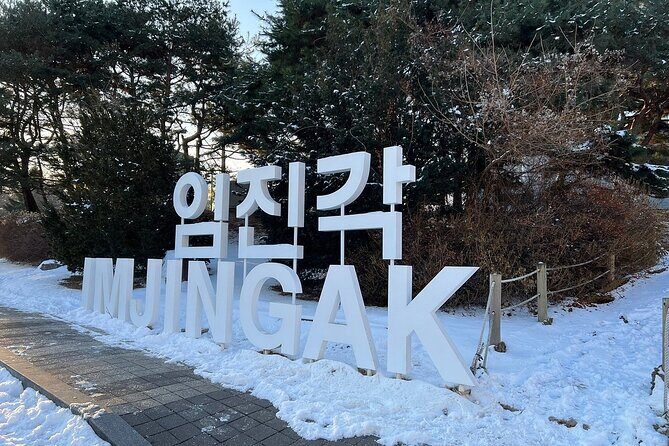
DMZ sites and palace streets, all in two days. I love how the day starts at Imjingak Park, where refugee memorials like the Mangbaedan altar give the Korean conflict a human face, and I also love the payoff at Dora Observatory, where you get to look across toward North Korea with binoculars. One thing to consider: some parts involve lots of looking and listening, but English support isn’t always strong, so reading every sign may not be realistic, and the free time can feel a bit long.
This is a guided combo that fits first-timers well: you’re picked up, moved by an air-conditioned vehicle, and covered from major DMZ sites to classic Seoul highlights. At $110 per person for about two days, with admissions included for the stops listed, it can feel good value if you want structure and don’t want to plan the DMZ day yourself.
In This Review
- Key things to know before you go
- The real appeal of this 2-day Seoul package
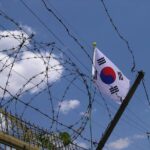
- Day 1 at the DMZ: Imjingak Park to Freedom Bridge
- Third Tunnel: the stop that forces you to understand scale
- DMZ Theater and Dora Observatory: context, then the big view
- Day 2 starts in downtown: Jogyesa Temple’s calm break
- Gyeongbokgung Palace (and its closure rule) plus the National Folk Museum
- Insadong: where Korean crafts and small-food moments take over
- Namdaemun Market: Seoul’s large-scale market energy
- Price and value: what $110 covers and what it doesn’t
- Timing and comfort tips for a smoother experience
- Who should book this tour, and who might want to skip
- Should you book this 2-day DMZ and Seoul city tour?
- FAQ
- How long is the tour?
- What time does the tour start?
- Is pickup included?
- Is the ticket mobile?
- What does the price include?
- Is lunch included?
- Are there any closures I should know about?
- How big are the groups?
- Can I cancel and get a full refund?
Key things to know before you go
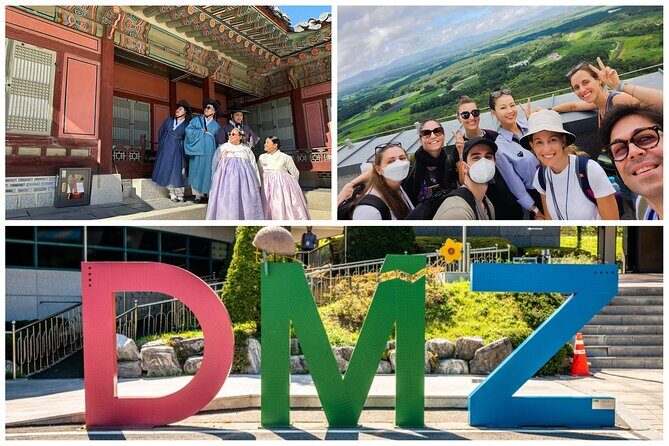
- Imjingak Park + Bridge of Freedom: memorial spots that explain post-war emotions, not just facts.
- Third Tunnel admission included: you can walk in for a real sense of scale, or wait by the exit if tight spaces aren’t your thing.
- DMZ Theater video: a short 7–8 minute briefing that helps you connect the dots before the tunnel and observatory.
- Dora Observatory binoculars: best on a clear day, when long views toward the propaganda village and Gaesong are possible.
- Seoul day is a mix, not a checklist: Jogyesa (temple), Gyeongbokgung (palace), then Insadong and Namdaemun (shopping).
- Lunch and lodging are on you: the tour handles transportation and admissions, but you’ll need to plan meals.
The real appeal of this 2-day Seoul package
This tour pairs two experiences people often treat separately: the heavily controlled, emotion-heavy DMZ day and the everyday rhythm of Seoul’s temples, palaces, and markets. That pairing matters because it changes how you understand what you’re seeing. The DMZ stops work best when you’re mentally prepared, and the Seoul day gives you breathing room afterward—scenery, crowds, crafts, and street food energy.
You also get the practical advantage of guidance. You don’t have to figure out order-of-stops, ticket details at each location, or how to move across town. With the max group size capped at 100 and an air-conditioned vehicle, the logistics feel designed for day-trippers rather than people who love chaotic wandering.
You can also read our reviews of more guided tours in Seoul

Day 1 at the DMZ: Imjingak Park to Freedom Bridge
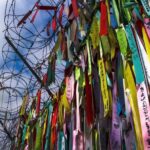
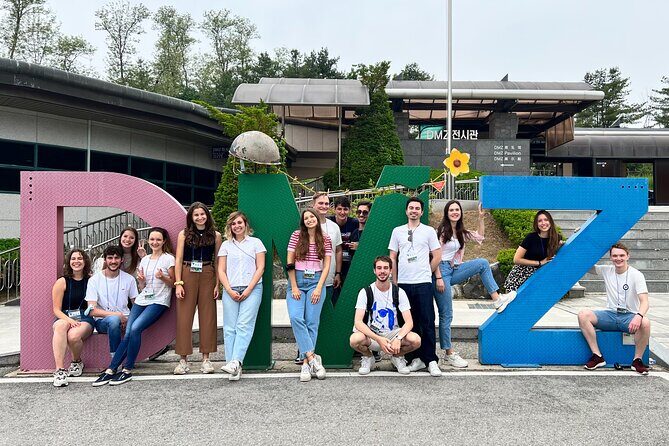
Day 1 begins at Imjingak Park, which is more than a scenic stop. It was built as a safe place for refugees coming from North to South during the Korean War, and the atmosphere reflects that purpose. You’ll see the rail connection concept—remembered as a railway once linking the two sides, later taken apart during conflict—and you’ll also visit key memorial elements.
Two details I’d pay attention to here:
- The Mangbaedan altar, where refugees traditionally bow toward the direction of the graveyard (the ritual happens on Chuseok).
- The Unification Pond, shaped like the Korean peninsula, which turns photos into something more meaningful than a random backdrop.
After that, the tour moves to the Bridge of Freedom. This bridge has a specific story: it was built to help liberate 12,773 prisoners in 1953. It was used by South Koreans returning home from the North, so your walk across isn’t just a viewpoint—it’s a reenactment of a route people took decades ago. Expect this stop to be photo-friendly because the setting is naturally framed.
Tip for this section: if you want better photos, give yourself a few minutes early rather than waiting until the last minute. The tour pacing gives you limited time at each stop, and some of the best angles are the ones you notice as you’re walking in.
Third Tunnel: the stop that forces you to understand scale
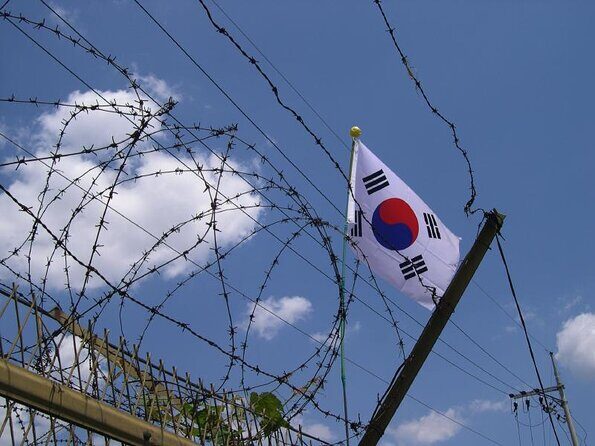
Next is the Third Infiltration Tunnel. It’s located about 12 kilometers from Munsan and roughly 52 kilometers from Seoul. The tunnel was discovered in 1978, and it was meant to be used to invade the South.
Here’s what makes this stop stick in your memory: the numbers. The tunnel is 1,635 meters long, and it’s around 2 meters high and 2 meters wide. That’s small. It’s also long enough that it changes your sense of direction and time. The tour notes that, in theory, it could move an entire division per hour—so you’re not just looking at a hole in the ground; you’re confronting an idea of military planning.
There’s also a built-in debate explained at the site level. When the tunnel was discovered, North Korea alleged that the South had built it for a surprise attack. The evidence, as presented through the tour context, points the other way. Even if you don’t take sides emotionally, the point is clear: this isn’t an easy story with one simple explanation.
A practical comfort note: if you’re not comfortable in closed spaces, you’re welcome to wait by the exit. I like that the option exists because it keeps you from being trapped into an experience that doesn’t match your comfort level.
DMZ Theater and Dora Observatory: context, then the big view
After the tunnel, the tour shifts to the DMZ Theater. You’ll watch a short 7–8 minute video that gives a South Korean perspective on the Korean War, why the DMZ exists, and the current situation. It also connects back to the infiltration tunnels, which helps because you’ve just walked through one stop that makes those tunnels feel real.
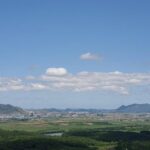
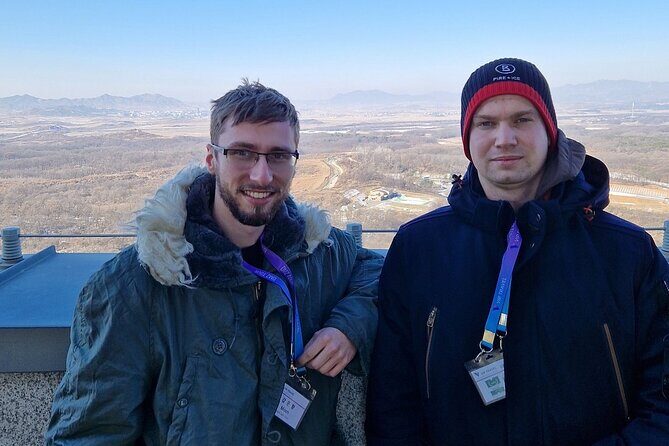
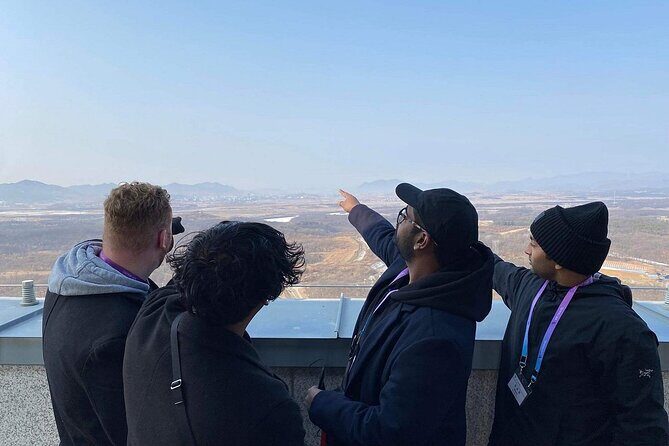
Then you head to Dora Observatory, one of the most popular highlights for a reason: it’s set up for looking. This observatory sits at Dorasan and is designed for border views. The tour includes time to use the high-powered binoculars on the third floor. If you’re a detail watcher, this is where you can focus on what the distance is telling you.
What you might see depends heavily on the day:
- The propaganda village inside the DMZ
- As far as Gaesong (the tour mentions it as the ninth-largest city in North Korea)
- On clear days, the bronze statue of Kim Il-sung
Even if the air isn’t perfect and the view isn’t crisp, the experience still works. You’re learning how people on each side use the terrain and where “seeing” becomes part of the political story.
Tip: bring patience for the waiting moments between viewing. The tour schedule builds in time blocks, but the best visuals still depend on weather.
Day 2 starts in downtown: Jogyesa Temple’s calm break
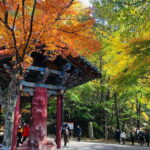
Day 2 shifts tone quickly, starting at Jogyesa Buddhist Temple. This is one of Korea’s important landmarks for Buddhism and was first established back in 1935. It’s located right in downtown Seoul, and the setting is interesting because you’re in a temple space while tall city buildings rise around it.
You’ll pass through the Iljum gate (the one pillar gate). This isn’t just architecture trivia—it symbolizes the division between the world of daily life and the holy Buddha world. You’ll then have time to admire the golden statues and the temple’s features, including an ancient white pine tree.
This is a good “reset stop.” After the heavy DMZ day, you get a place where people slow down by nature.
You can also read our reviews of more city tours in Seoul
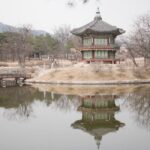
Gyeongbokgung Palace (and its closure rule) plus the National Folk Museum
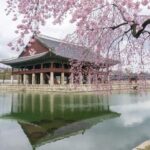
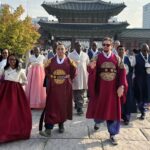
From there, the tour moves to Gyeongbokgung Palace, the Joseon Dynasty main home, built in 1395. The palace is famous for scale—7,700 rooms is the number the tour highlights. The story is also layered because the palace has been destroyed in different periods and restored repeatedly.
What the tour emphasizes:
- It suffered during the Imjin War (1592–1598)
- Imperial Japan destroyed a large portion in the 20th century
- Restorations brought it back again and again
You’ll walk the premises and try to picture what court life could feel like in that layout.
One practical scheduling note: Gyeongbokgung Palace is except Tuesdays (meaning it’s not available those days on this tour timing).
After the palace, you’ll visit the National Folk Museum of Korea. The museum is closed on Tuesdays, and that matters because this tour includes it as a stop. The museum holds about 45,000 artifacts and royal treasures connected to Joseon Dynasty palaces and the Korean Empire. It also includes 14 South Korean National Treasures, which is the kind of detail that can help you judge whether you’re the museum type.
If you like context, this museum works well because it’s aimed at showing what life might have been like for Joseon kings and queens, not just displaying items behind glass.
Insadong: where Korean crafts and small-food moments take over

Once you’re out of formal history spaces, you head to Insadong. This area is built around art, crafts, and shopping that feels less like chain stores and more like handmade work.
The tour time here focuses on walking a long arts-and-crafts street filled with stalls and shops. If you like browsing, this is one of the more satisfying stops because you can take your time looking at ceramics, small crafts, and local goods. The tour also notes a poo-themed cafe near the top of the street, plus options for small treats like matcha and plum tea waffle bars.
There are also side alleys, which is where you often find the calmer pace. You’ll be able to stray a bit from the main street and explore.
Tip: Insadong is a good place to do your souvenir comparison. If you buy too early, you’ll end up paying more later when you find the same style in a different shop. Build in a second look before you commit.
Namdaemun Market: Seoul’s large-scale market energy
The final shopping stop is Namdaemun Market, described as one of the oldest and largest markets in South Korea. It sits in central Seoul, so it’s easy to treat as the grand finale: you get variety in one place without needing extra travel.
Namdaemun is known for:
- Traditional Korean crafts and clothing
- Electronics and fashion
- A general mix of old and new
If you’re buying souvenirs, this is a practical stop because the range means you’re more likely to find something that fits your taste and budget. It’s also where you can pick up snacks and just watch how people move through a real market environment.
The time here is shorter than Insadong, so aim to have a rough shopping plan: what you want to buy, then where you want to walk first.
Price and value: what $110 covers and what it doesn’t
$110 per person for about two days may sound like a “bundle” price, and that’s basically what it is. Here’s what improves the value:
- Guided air-conditioned vehicle transport between stops
- Pick-up offered
- All fees and taxes included
- Admissions included for the listed stops (Imjingak Park, Bridge of Freedom, Third Tunnel, DMZ Theater, Dora Observatory, Jogyesa, Gyeongbokgung Palace, National Folk Museum, Insadong, Namdaemun, plus ginseng museum mentioned as free)
That admissions piece matters. If you tried to assemble DMZ logistics plus multiple major Seoul sites on your own, you’d likely spend time and money figuring out ticket details. This tour puts those costs into one price.
What’s not included:
- Lunch is not included, but the guide will recommend restaurants and menus
- No accommodation is provided
I also like that it’s capped at a maximum of 100 travelers. Big enough to be affordable, small enough that you’re not constantly fighting for attention.
A final value detail: this tour is booked about 65 days in advance on average. That’s often a sign it’s popular during prime travel windows. If your dates are set, you’ll save yourself stress by booking earlier rather than later.
Timing and comfort tips for a smoother experience
This tour is organized by stops with set time windows, and that changes how you should prepare.
For the DMZ day:
- Treat the Third Tunnel as your most physical and mentally intense stop.
- If you’re worried about tight spaces, remember there’s an option to wait by the exit.
- Bring a camera-ready mindset. The Bridge of Freedom and Dora Observatory are photo-friendly by design.
For the Seoul day:
- Expect palace grounds to take time even if you’re moving efficiently. Gyeongbokgung Palace is the kind of place where you’ll slow down naturally.
- In Insadong and Namdaemun, plan for browsing without overcommitting. Short time blocks can tempt you into buying quickly. You’re better off picking 2–3 categories and going for those first.
For the whole tour:
- Wear comfortable shoes. You’re walking through temples, palace grounds, and market streets.
- Keep water and snacks in mind for the parts where lunch isn’t covered. Lunch isn’t included, and the tour will guide you toward food options rather than provide a meal.
Who should book this tour, and who might want to skip
This DMZ + Seoul combo is a great match if:
- You want the DMZ experience without planning it from scratch
- You like structured days with meaningful context at each stop
- You want classic Seoul highlights plus shopping in one package
You might consider a different option if:
- You strongly prefer deep self-guided time
- You hate the idea of moving on a schedule and spending limited minutes at each stop
- You need lots of English signage and written interpretation, since some areas are heavy on observation rather than translation
Should you book this 2-day DMZ and Seoul city tour?
Yes, if you want a clear, organized path through two of Korea’s most unforgettable experiences. The big wins are the DMZ context stops (especially the DMZ Theater video and the structured flow to Tunnel 3 and Dora Observatory) and the way the second day balances formal sites with hands-on Seoul shopping.
I’d book it if you’re a first-timer to Seoul and you want the hardest-to-plan piece, the DMZ day, handled for you. I’d pass if you want total freedom all day or if you know you’ll be frustrated by limited English reading in some locations.
If you’re curious about both sides of Korea’s story and want Seoul’s culture right after, this is a practical way to get there in just two days.
FAQ
How long is the tour?
It runs for approximately 2 days.
What time does the tour start?
Start time is 9:00 am.
Is pickup included?
Yes, pickup is offered.
Is the ticket mobile?
You’ll have a mobile ticket.
What does the price include?
The price includes a best tour guide, an air-conditioned vehicle, and all fees and taxes. Admissions are included for the listed stops.
Is lunch included?
No. Lunch is not included, and the tour guide will recommend restaurants and menu options.
Are there any closures I should know about?
Gyeongbokgung Palace is listed as except Tuesdays, and the National Folk Museum of Korea is closed on Tuesdays.
How big are the groups?
The tour has a maximum of 100 travelers.
Can I cancel and get a full refund?
Free cancellation is available up to 24 hours in advance for a full refund.