REVIEW · SEOUL
DMZ Guided Tour with Suspension Bridge / Gondola from Seoul
Book on Viator →Operated by Korea Time Tour · Bookable on Viator
DMZ day trips change how you see Korea. This one is a guided, full-day push into the DMZ with an air-conditioned vehicle and a clear-day chance to see North Korea from Dora Observatory. The main thing to plan around: weather matters, and fog can cut down those far-off views.
I also like how the tour mixes serious politics with human storytelling. Guides such as Patrick and Roy (and others you might be assigned) tend to explain what you’re seeing in plain English and keep things moving without turning it into a lecture.
And because the timing is tight, the included mobile ticket and round-trip transfers help you skip the mental load of figuring out logistics. Just keep in mind the day can run long (about 7–11 hours), and there’s quite a bit of walking.
In This Review
- Key things to know before you go
- Why this Seoul DMZ tour is a smart use of your time
- Price and what you truly get for $35
- The day’s flow: timed entry windows and how you’ll feel about it
- DMZ Stop 1: The demilitarized zone overview (and what to watch for)
- The Third Tunnel: the highlight that comes with health rules
- Dora Observatory and Dorasan Station: where the peninsula feels close
- Gamaksan Chulleong Bridge vs gondola: choose your photos and pace
- Tunnel 2 days (Mondays): Peace Observatory and Woljeongri station
- The guide factor: why Patrick, Roy, and Ki often get praised
- What to bring (and what can trip you up)
- Who should book this tour, and who should think twice
- Should you book the DMZ Guided Tour with Suspension Bridge / Gondola?
- FAQ
- How long is the DMZ guided tour?
- What is included in the $35 ticket price?
- Can I see North Korea during the tour?
- Which tunnel do you visit, and does it change by day?
- Is the gondola or suspension bridge guaranteed?
- Are there health restrictions for tunnel entry?
- What happens if the tour can’t run due to weather or political reasons?
Key things to know before you go
- Clear-day view potential at Dora Observatory, so you should dress for weather and hope for visibility.
- Tunnel experience depends on the day: 3rd Tunnel on most days, and Tunnel 2 on Mondays.
- Optional gondola or suspension bridge lets you choose between easier pacing and classic photo angles.
- Strict health rules for tunnel access: heart/respiratory/leg/back issues can mean you can’t enter the tunnel.
- You’re on a timed schedule for entry windows, so being early matters more than you’d think.
Why this Seoul DMZ tour is a smart use of your time
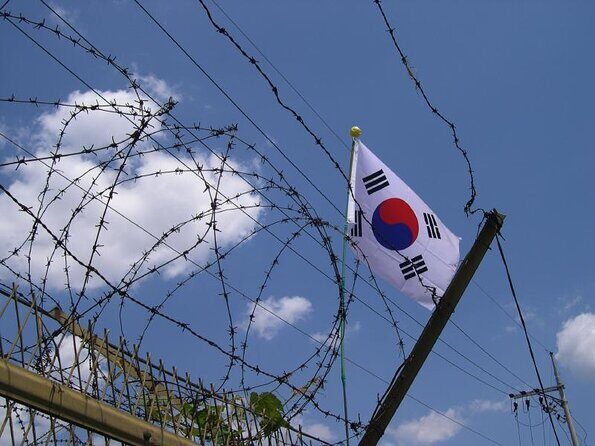
If you’re in Seoul for just a few days, a DMZ tour is one of the few ways you can actually see how the Korean Peninsula works on the ground. This program is built around key stops—DMZ viewpoints, tunnel sites, and Dora Observatory—so you’re not bouncing around randomly.
The biggest “yes” here is efficiency. You’re taken by an air-conditioned vehicle, you get an English-speaking guide/driver, and admissions are handled as part of the tour. That matters because DMZ access isn’t casual. You want the day run correctly, with people who know how to keep everyone lined up for time slots.
The second “yes” is what you can learn in context. Standing in the DMZ is one thing. Hearing what each site is for—how tunnels fit into deterrence, why Dora Observatory is positioned where it is—turns the photos into a story you can actually repeat back at home.
You can also read our reviews of more guided tours in Seoul

Price and what you truly get for $35
At $35 per person, this is good value for Korea. You’re not just paying for a bus. You’re paying for:
- round-trip transfers from Seoul in an air-conditioned vehicle
- admission to the main sites (with specific tunnel stops included)
- an English-speaking guide/driver
- entry to the optional cable car/gondola or the suspension bridge if you choose that option
Meals and beverages are not included, so factor in a budget for food at stops. But even with that, the price is low compared with many “full day + special access” tours you’ll see elsewhere.
Also, the flexibility is real: if the 3rd Tunnel is unavailable, the plan can switch to another destination. That’s important when you’re dealing with a site that can be closed by circumstances you can’t control.
The day’s flow: timed entry windows and how you’ll feel about it
Expect the schedule to be strict. Your tour day is built around entry timing—especially for places inside the DMZ that run on controlled windows. The program can last roughly 7 to 11 hours, and traffic can shift the exact drop-off time and location.
Here’s how this affects you in practice:
- Be ready at pickup time. If you’re late, the group pays the price.
- Wear shoes that handle uneven, outdoor surfaces.
- Bring a small plan for breaks. You’ll have time, but it’s not a slow sightseeing day.
One small but key note: the itinerary time usually excludes the driving time between stops. So the listed “2 hours at DMZ” or “1 hour at Dora Observatory” is about time on-site, not your full day clock.
DMZ Stop 1: The demilitarized zone overview (and what to watch for)
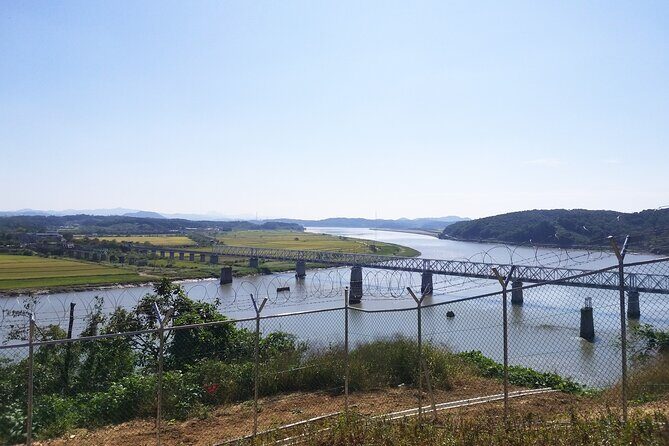
The first big stop is the DMZ itself, the 248-kilometer-long buffer zone stretching from Jeongdong-ri in Paju-si to Myeongho-ri in Goseong-gun. Even if you already know the headlines, being in the area helps you understand the scale and why both sides treat this boundary as something they can’t loosen.
What you’ll like here is the orientation. The guide sets the groundwork so later stops—the tunnels and Dora Observatory—don’t feel like random landmarks. You’ll also understand why the tour emphasizes controlled access and timed viewing. DMZ access is limited by design, not by convenience.
Potential drawback: the DMZ portion is outdoors and visibility-sensitive. If it’s foggy, you may feel the “how far can I actually see?” question more strongly than you expected.
The Third Tunnel: the highlight that comes with health rules
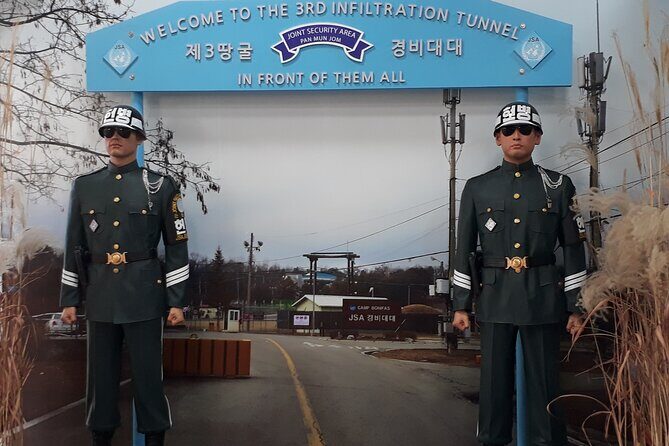
On most days, the next stop is the 3rd Tunnel. It was discovered by South Korea in 1978 and stretches about 1,635 meters long, with a narrow profile (around 2 meters by 2 meters). The tour stops here because the tunnels explain how the war-era fear didn’t fade—it simply changed shape.
What to expect on arrival:
- You’ll go through an on-site visit that includes entry access (admission is included).
- You should be ready for walking and steps.
- There are clear restrictions for entry.
If you have heart disease or issues with your back, legs, or respiratory system, you cannot enter the 3rd Tunnel. Even if you’re generally okay, note that it requires intermediate-level effort and an additional hike element. One thing to take seriously: the descent and climb back can feel steep, and the ground can be slightly wet or slippery.
Why it’s worth it anyway: the tunnel is the kind of place where the concept becomes physical. It stops being a theory and becomes an experience.


Dora Observatory and Dorasan Station: where the peninsula feels close
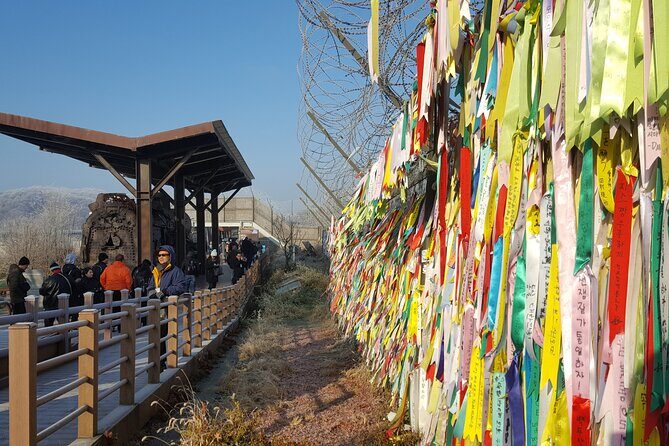
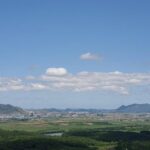
Dora Observatory is the stop people remember, especially on clear days. The whole point is simple: you may be able to see North Korea when weather and visibility are favorable.
The tour also includes the context around the last station in South Korea—Dorasan Station—and you might learn about how the rail line and observation points fit into the larger story of division and potential reunification.
What makes this stop valuable:
- It turns the DMZ from an abstract boundary into a real, visible (when conditions allow) line on a map.
- Your guide’s explanations can connect the tunnel story to why the observatory matters.
- The viewpoint gives you a chance to connect politics to geography.
Watch-out: if visibility is poor, you’ll still learn a lot, but you may not get the “wow, I can see it” moment. That’s why this tour is weather-dependent and can be rescheduled or refunded due to conditions outside your control.
Gamaksan Chulleong Bridge vs gondola: choose your photos and pace
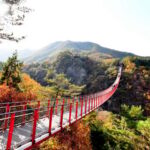
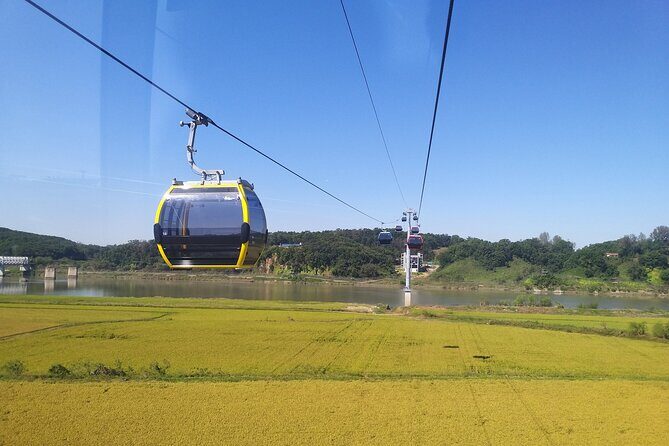
This tour offers an option near the DMZ area: you can select the Suspension Bridge option (Gamaksan Chulleong Bridge) or the gondola (cable car) experience. The time allocation depends on what you choose—roughly 1.5 hours for the bridge option—but both are designed to add a memorable “outdoor highlight” beyond the observation points.
Here’s how I’d choose based on your priorities:
- If you want iconic DMZ-area photo angles and don’t mind extra steps/outdoor time, pick the suspension bridge.
- If you’d rather reduce walking strain and get a scenic ride, pick the gondola.
A practical tip: if you’re aiming for photos of North Korea visibility conditions, the day’s weather still wins. The transport option won’t fix fog, but it can give you better comfort while you wait for the best moments.
Tunnel 2 days (Mondays): Peace Observatory and Woljeongri station
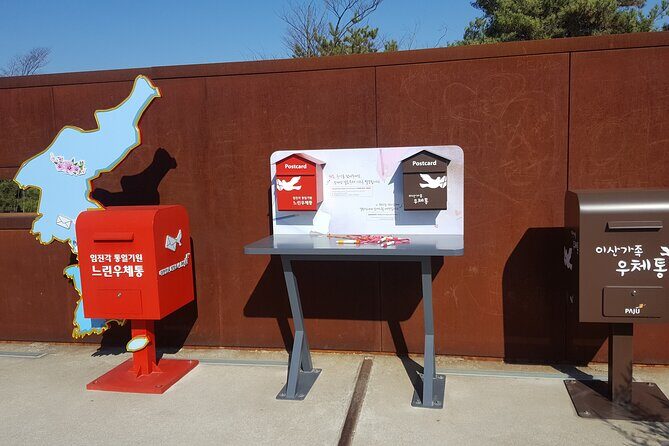
The schedule changes on Mondays. Instead of the 3rd Tunnel, the tour visits the 2nd Tunnel, along with the Peace Observatory, Woljeongri train station, and the suspension bridge.
This is important because it changes both pacing and the feel of the day. You’re getting the tunnel story again, but with a different site and different surrounding stops that help explain how the peninsula’s division is supported by multiple layers: observation, infrastructure, and controlled access.
If you’re planning your trip days in Seoul, consider this:
- If you’re set on seeing the 3rd Tunnel, avoid Monday.
- If you don’t mind seeing Tunnel 2 instead, Monday can still be an excellent day because the itinerary remains packed with major DMZ-related sites.
The guide factor: why Patrick, Roy, and Ki often get praised
A DMZ tour can easily become heavy and awkward. What makes this kind of day work is how the guide handles tone and timing.
Based on the patterns you’ll see, guides such as Patrick and Roy are known for being efficient and clear—turning a serious topic into something you can follow without losing attention. Other guides you might get, including Ki and April, also tend to keep the group engaged with a mix of humor and straight talk.
Why that matters to you: DMZ information is detailed, but the real goal isn’t “memorize facts.” It’s to understand why each stop exists, and what the site tells you about the conflict—past and present.
One more reality check: the schedule is strict, so if a guide pushes pace hard, it can feel rushed. You can reduce that stress by being early, prepared, and realistic about how much walking is involved.
What to bring (and what can trip you up)
This tour includes outdoor time and tunnel walking. So pack like you’re doing a full day in variable weather, not a museum day.
Bring:
- Comfortable walking shoes (tunnel routes can feel steep and uneven)
- A light layer for outdoor wind and temperature swings
- Small snacks and water plans for your personal comfort (meals aren’t included)
One practical note: you may have lunch time where you can purchase something, but it’s not a guaranteed full meal stop with lots of choice. Planning ahead helps.
If you’re considering luggage: the company asks you to discuss luggage size and quantity in advance if you’re bringing it, so keep bags manageable.
Who should book this tour, and who should think twice
This is a strong fit if:
- you want an organized DMZ day without transport planning
- you care about understanding the war’s long shadow, not just taking photos
- you can handle walking outdoors and following strict schedules
It’s not a great fit if:
- you have health issues that restrict tunnel access (heart disease, respiratory problems, or certain leg/back issues)
- you’re looking for a relaxed, unstructured day
- you need lots of downtime between stops
If you’re traveling with older relatives or someone with mobility limits, treat the tunnel hiking as the deciding factor. Even if you can participate, the routes can require effort and careful footing.
Should you book the DMZ Guided Tour with Suspension Bridge / Gondola?
Book it if you want maximum structure, maximum access, and a day that teaches you what the DMZ actually is. The included admissions, English-speaking guide/driver, and round-trip transport make it feel like a straightforward way to do a complicated region.
Don’t book it if weather sensitivity or physical requirements are dealbreakers for you. If fog hits, the Dora Observatory view can be disappointing. And if you can’t enter tunnel sites, the tour loses some of its “main character” moments.
My decision rule for you: if you can walk, you can be on time, and you want a deep understanding of why this peninsula is still separated, this is a solid use of a Seoul day—especially at this price.
FAQ
How long is the DMZ guided tour?
It runs about 7 to 11 hours, depending on timing and the specific route used that day.
What is included in the $35 ticket price?
You get round-trip transfers, an air-conditioned vehicle, admission to the included attractions, and an English-speaking guide/driver. Your chosen cable car/gondola or suspension bridge option is also included. Meals and beverages are not included.
Can I see North Korea during the tour?
You may be able to see North Korea from Dora Observatory if visibility is clear.
Which tunnel do you visit, and does it change by day?
On most days, the tour includes the 3rd Tunnel. Every Monday, the tour visits the 2nd Tunnel instead (along with other Monday-specific stops).
Is the gondola or suspension bridge guaranteed?
Both are options you select when you book. The tour includes the one you choose, and the other is not included unless you add it.
Are there health restrictions for tunnel entry?
Yes. If you have heart disease or certain leg/back/respiratory problems, you cannot enter the 3rd Tunnel. The tunnel route also involves intermediate hiking.
What happens if the tour can’t run due to weather or political reasons?
The tour can be canceled due to weather or political situation. In that case, it may be rescheduled or you may receive a full refund.