REVIEW · SEOUL
Vegan Korean Food Cooking Class: Gimbap, Sundubu Jjigae, and more
Book on Viator →Operated by Tofu Artist · Bookable on Viator
Tofu, flowers, and full Korean comfort food. This intimate workshop in Itaewon lets you cook a complete vegan Korean meal, including Gimbap and Sundubu-jjigae, not just watch.
I really like the hands-on pace—rolling, cooking, and shaping with your own hands. I also appreciate the clear, step-by-step teaching style from host Soomin. One thing to plan for: the class space is on the 3rd floor with no elevator.
If you want Korean flavor without the meat, this is a smart way to get there fast. You’ll work with tofu in several forms, and you’ll also use seasonal edible flowers for a showy finishing touch. For $75 for about 2.5 hours (and a group capped at 4), the value mostly comes from the fact that you leave with a full meal you made yourself.
In This Review
- Key highlights you’ll actually care about
- Why this $75 vegan cooking class in Itaewon is such a good use of time
- What you’ll cook: Gimbap, Sundubu-jjigae, Biji-jeon, Hwa-jeon
- Gimbap roll-along: assembling and rolling your own vegan seaweed bites
- Sundubu-jjigae from scratch: how tofu stew gets its depth
- Biji-jeon soy pulp pancakes: turning soy pulp into crisp comfort
- Hwa-jeon with seasonal edible flowers: pretty food you actually shape
- The class vibe with host Soomin and a max of 4
- Value check: what to bring, what to eat, and who this suits best
- Should you book this vegan Korean cooking class in Seoul?
- FAQ
- How long is the vegan Korean food cooking class?
- What time does it start, and where is the meeting point?
- Is the class vegan, and can I request gluten-free?
- How many people are in the group?
- Is there an elevator at the location?
- How do I get my ticket?
- When will I get confirmation after booking?
Key highlights you’ll actually care about
- Max 4 people means you get real hands-on attention instead of a crowded demo.
- Full vegan Korean meal: Gimbap, Sundubu-jjigae, Biji-jeon, and Hwa-jeon.
- Tofu in multiple roles shows you how flexible it is in Korean cooking.
- Seasonal edible flowers are part of the experience, not just a garnish you skip.
- Host Soomin teaches ingredient thinking, not just steps.
- Mobile ticket + public transit access, so you can keep your day simple.
Why this $75 vegan cooking class in Itaewon is such a good use of time
In Seoul, it’s easy to eat vegan… and just as easy to end up with the same few dishes. This class is different because it’s built around Korean techniques, not a random list of vegan substitutions. You’ll cook a set of classics that make sense together as a meal, then you get to eat what you made.
The price—$75 per person—works out well when you consider what you’re doing for 2 hours 30 minutes. You’re not paying for a quick snack demo. You’re learning multiple dishes, working with several key Korean cooking styles (rolling, simmering, pan-frying, shaping), and getting guidance along the way. It also helps that the workshop is capped at 4 travelers, which usually means fewer bottlenecks and more direct help when your hands start doing their own thing.
One practical note: the location is in Itaewon-dong (Yongsan District). It’s near public transportation, but the space is on the 3rd floor with no elevator—so bring comfortable shoes and plan for stairs. If you’re mobility-limited, this is the one factor that could change your decision.
You can also read our reviews of more food & drink experiences in Seoul
What you’ll cook: Gimbap, Sundubu-jjigae, Biji-jeon, Hwa-jeon

This workshop is organized around four dishes, each teaching you a different Korean flavor and texture skill set. And because it’s a vegan Korean class, you’re doing it all using plant-based ingredients, with tofu taking center stage.
Here’s the lineup:
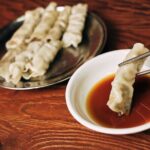
- Gimbap: you’ll assemble and roll your own rolls.
- Sundubu-jjigae: you’ll cook this tofu stew from scratch.
- Biji-jeon: you’ll prepare and cook soy pulp pancakes.
- Hwa-jeon: you’ll shape and cook glutinous rice dough, finished with seasonal edible flowers.
That combination is clever. Korean meals often feel like they have one hearty base plus side textures. In this class, the stew anchors the meal, the pancakes give you crisp comfort, and the gimbap brings the familiar roll-and-bite format. The hwa-jeon step adds a seasonal, visual element that helps you remember what Korean cooking can look like when it’s not trying to be complicated.
Gimbap roll-along: assembling and rolling your own vegan seaweed bites
Gimbap is the dish people recognize instantly, and that makes it a perfect first win. You’ll assemble the ingredients and then roll. That matters because most cooking classes stop at mixing. Here, you get to practice the real skill: turning a layered filling into tight, even rolls.
In a vegan version, the goal isn’t just “no meat.” It’s texture and balance—something filling, something fresh, and something that works with seaweed. While you’re rolling, you’ll get a feel for how much pressure to use and how to keep the roll from looking messy. It’s basic culinary muscle memory, but it’s also the kind of skill you’ll use again after your Seoul trip.
One of the strongest takeaways is how much you’ll understand the meal as a whole. When you can roll gimbap yourself, you stop seeing it as a takeout-only item. You start thinking, How would I build a filling, what would I wrap, and what would I balance inside? That is one reason this class gets such high marks for being a true introduction to Korean cooking.
Sundubu-jjigae from scratch: how tofu stew gets its depth

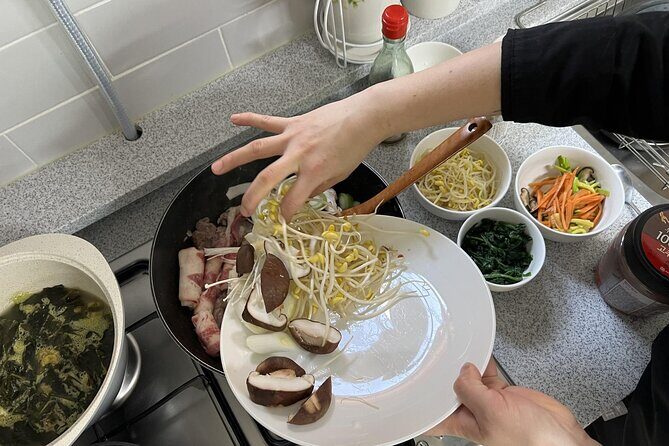
Sundubu-jjigae is Korean comfort food—warm, steamy, and deeply satisfying. Cooking it from scratch is where you see tofu become more than a substitute. You’ll actively make the stew rather than relying on pre-made components, so you learn how the flavor builds during cooking.
This is also a dish where you can’t just “assemble.” It rewards technique: heat control, timing, and getting the texture right so the tofu stays tender in the finished bowl. When you cook a stew yourself, you understand what changes when you simmer longer or under-cook certain elements.
The class also pays attention to ingredient logic. One of the most praised parts of the experience is how the host explains what you’re doing and why—so the end result doesn’t feel like magic. You’re learning a process you can repeat later with tofu back home.
If you’re the type who likes practical lessons, sundubu-jjigae is probably the dish you’ll remember most clearly when you’re back in your own kitchen.
Biji-jeon soy pulp pancakes: turning soy pulp into crisp comfort

Biji-jeon is not the kind of dish you’ll usually find in casual vegan menus, which is exactly why it’s such a useful class item. You’ll prepare and cook soy pulp pancakes, learning how a less-famous ingredient becomes something comforting and meal-worthy.
Pancakes are a great teachable moment because they force you to pay attention to consistency—how the batter holds together, how it sets, and how it fries. Even if you’ve cooked before, pancake texture is its own thing. You’ll likely find yourself checking the pan and adjusting your technique based on what you see.
This part also supports the larger theme of the workshop: tofu and related soy components aren’t only for stew. They can become crispy, savory “comfort food” shapes too. That makes your takeaway more valuable than just learning one recipe—you’re learning a broader approach to tofu and soy in Korean cooking.
A few more Seoul tours and experiences worth a look

Hwa-jeon with seasonal edible flowers: pretty food you actually shape
Hwa-jeon sounds fancy, and it is, but the best part is that you’re not just watching it happen. You’ll shape and cook glutinous rice dough and then finish it with seasonal edible flowers.
This is the most “Korean presentation” part of the class. Edible flowers add color, and they also add a seasonal feel that you won’t get from standard pantry meals. You’ll understand how Korean cooking can be both playful and careful: it’s not only about taste, it’s about how food looks when served.
The glutinous rice dough element is also a useful skill. Dough work can teach you what texture should feel like before it hits heat. If you’ve ever had trouble getting mochi-like textures right, this gives you a structured way to experience the method in a guided setting.
From a practical point of view, this dish is a reminder to pack your curiosity. If you’re worried the class will be too basic, hwa-jeon is the curveball that proves it isn’t.
The class vibe with host Soomin and a max of 4
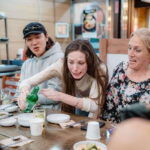
The size of this workshop is a big deal. With a maximum of 4 travelers, it’s set up for real teaching, not “watch and snack.” That tends to make the pace smoother and gives you more chances to ask questions while you cook.
Host Soomin is repeatedly praised for being friendly and for explaining everything with clear step-by-step instructions. That style matters because Korean cooking often includes timing and handling that you can’t fully understand just by reading a recipe. In this class, you’ll likely find it easier to adjust as you go, because the guidance is there in the moment.
There’s also a social element. Even when the group is small, you’re not stuck in silence—you can ask about ingredients and traditions, and you’ll get useful tips on vegan food in Seoul. That part is underrated. A cooking class that only teaches recipes doesn’t help much after you leave. A cooking class that also gives you navigation tips for local vegan options can change how your remaining days feel.
Value check: what to bring, what to eat, and who this suits best
You’re coming to learn and eat. And the best advice for this class is simple: don’t arrive full. People recommend skipping breakfast or at least going with an appetite, because you’ll be making multiple dishes and you’ll want to actually taste what you cooked. If you prefer taking food home, bring a box for leftovers.
Because the workshop is vegan, it’s naturally aligned with Muslim-friendly needs listed for the experience. The key phrase here is that everything is plant-based, which typically makes meal planning easier. If you have specific dietary concerns beyond vegan (like avoiding certain ingredients), you should ask ahead—especially since gluten-free is available on request, but the details aren’t spelled out.
Who should book?
- You’re vegan or vegetarian (or just reducing meat) and want Korean dishes you can really pronounce and reproduce.
- You want hands-on cooking, not a passive food show.
- You like classes where the instructor talks ingredients and traditions, not just steps.
- You’re traveling solo or as a small group and want individual attention.
Who might hesitate?
- You need step-free access, since the kitchen space is on the 3rd floor with no elevator.
- You want a longer meal or a bigger variety menu than four focused dishes. This class is about depth, not sprawl.
Should you book this vegan Korean cooking class in Seoul?
I’d book it if you want a practical Seoul souvenir: a full vegan Korean meal you cook yourself, plus techniques you can reuse. The combination of Gimbap, Sundubu-jjigae, Biji-jeon, and Hwa-jeon covers multiple Korean cooking styles in one compact lesson, and the small group size makes it feel personal.
If you’re hesitant, it’s not because the class sounds small or basic—it’s because of the practical realities: the 3rd-floor no-elevator setup and the fact that it’s tightly focused on four dishes. If those fit your needs, you’ll probably come away feeling like you learned Korean cooking skills you can take home, not just a one-time meal.
FAQ
How long is the vegan Korean food cooking class?
The class lasts about 2 hours 30 minutes.
What time does it start, and where is the meeting point?
The start time is 11:00 am. You’ll meet at Itaewon-dong, Yongsan District, Seoul, South Korea, and the activity ends back at the meeting point.
Is the class vegan, and can I request gluten-free?
Yes, it’s described as a vegan Korean cooking workshop. Gluten-free options are available on request.
How many people are in the group?
The maximum group size is 4 travelers.
Is there an elevator at the location?
No. The venue is on the 3rd floor and there is no elevator.
How do I get my ticket?
You receive a mobile ticket.
When will I get confirmation after booking?
Confirmation is received within 48 hours of booking, subject to availability.