REVIEW · SEOUL
Seoul: Colonial History Tour with Prison&Palace, Market Food
Book on GetYourGuide →Operated by TRIPPER · Bookable on GetYourGuide
History with street food hits hard. This 4-hour tour pairs the somber Seodaemun Prison History Hall with the smell-and-sizzle of Namdaemun Market. I like that the route connects colonial pressure, independence efforts, and then everyday comfort food like kalguksu, plus street bites such as hotteok and gimbap. One consideration: it’s a moderate walking tour, so wear comfortable shoes and don’t plan on sprinting between stops.
What makes it more than a checklist is the variety of stories and settings. You’ll visit Dilkusha (the Albert W. Taylor House), a key link to how international voices supported Korea’s cause, then step into Deoksugung Palace to see the mix of traditional Korean and Western-style architecture.
You’ll start at Dongnimmun (Independence Gate) Station, Exit 5, meet your guide holding a Tripper sign, and end back near the same meeting point. WhatsApp details usually arrive 1–2 days before, and if conditions change, the route may shift to more walking—so keep things flexible.
In This Review
- Key highlights
- How the 4-hour route keeps history moving
- Seodaemun Prison History Hall: the stop that sets the tone
- Dilkusha (Albert W. Taylor House): an outside ally story
- Deoksugung Palace: Korean and Western architecture side by side
- Seoul City Hall and Sungnyemun Gate (Namdaemun): symbols you can measure
- Namdaemun Market: where the tour turns into food you can actually eat
- Price and value: why $58 makes sense here
- Guides make the difference: Janice and Ron as examples
- Who this tour suits best (and who may want to skip it)
- Should you book this Colonial History and Market Food tour?
- FAQ
- Where do I meet the tour guide?
- How long is the tour?
- What are the main stops during the tour?
- Are entrance fees and transportation included?
- Is market food included?
- Is the guide English-speaking?
- Is the tour suitable for wheelchair users?
- What should I bring?
Key highlights
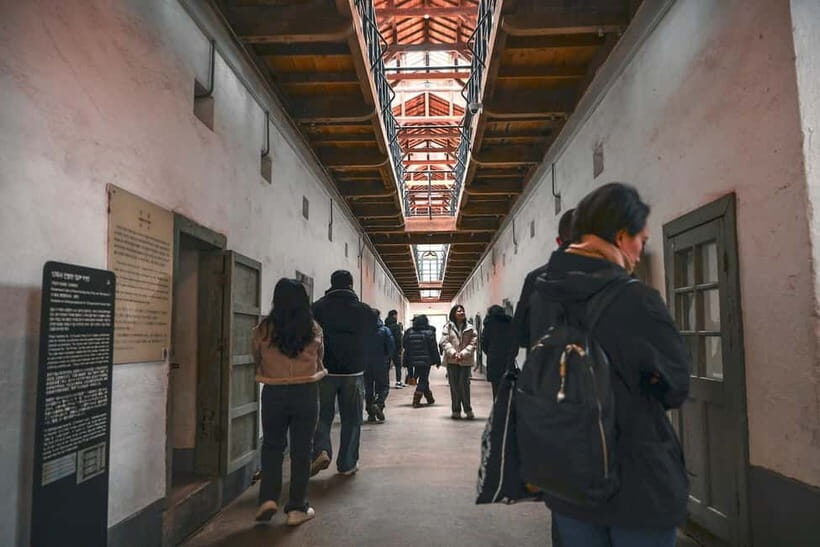
- Seodaemun Prison History Hall (80 minutes): guided time in a former Japanese colonial prison site tied to independence fighters’ stories
- Dilkusha and Albert W. Taylor (15 minutes): an American journalist’s home and the international support angle
- Deoksugung Palace (1 hour): a clear visual example of Korea’s modernization under political strain
- Seoul City Hall and Sungnyemun Gate (Namdaemun): you’ll pass by major “then-and-now” city symbols
- Namdaemun Market food alley (1 hour): tastings and classic street food energy, including kalguksu alley-style noodles
- English-speaking professional guide + entrance fees included: you’re paying for guided access, not just a route
How the 4-hour route keeps history moving
This tour is built to do two things at once: give you context for Korea’s colonial period and independence struggle, and then bring you back to the street-level reality of daily life through market food.
The timing is tight but realistic. You get a longer, more reflective block at Seodaemun Prison, then shorter guided stops at Dilkusha and Deoksugung Palace, followed by quick sightseeing passes around central landmarks. Finally, you get that well-earned food hour at Namdaemun Market. That flow matters because it prevents the history from feeling stuck in one mood.
Logistics are simple. You meet at Dongnimmun (Independence Gate) Station, Exit 5. The tour ends back at the meeting point, which is handy if you’re continuing your day on your own. You’ll want to check the WhatsApp message 1–2 days before so you know any on-the-ground tweaks.
You can also read our reviews of more food & drink experiences in Seoul
Seodaemun Prison History Hall: the stop that sets the tone
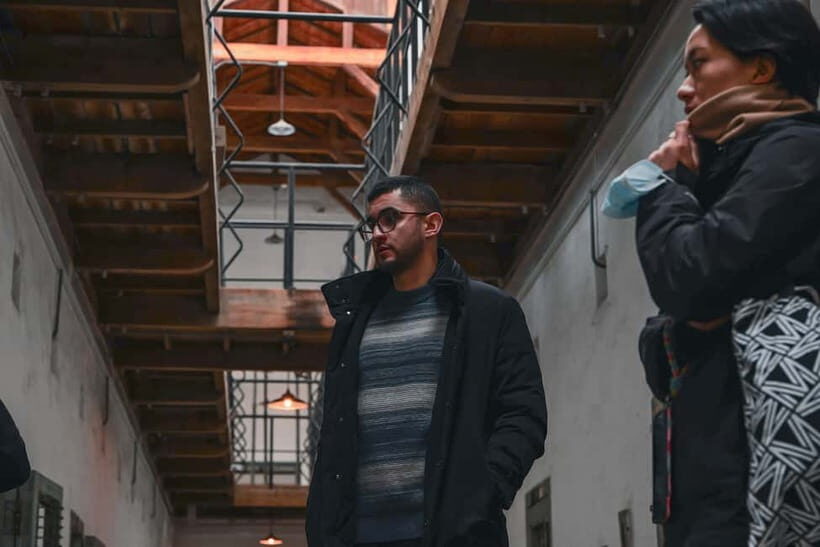
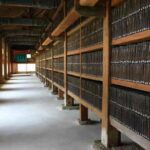
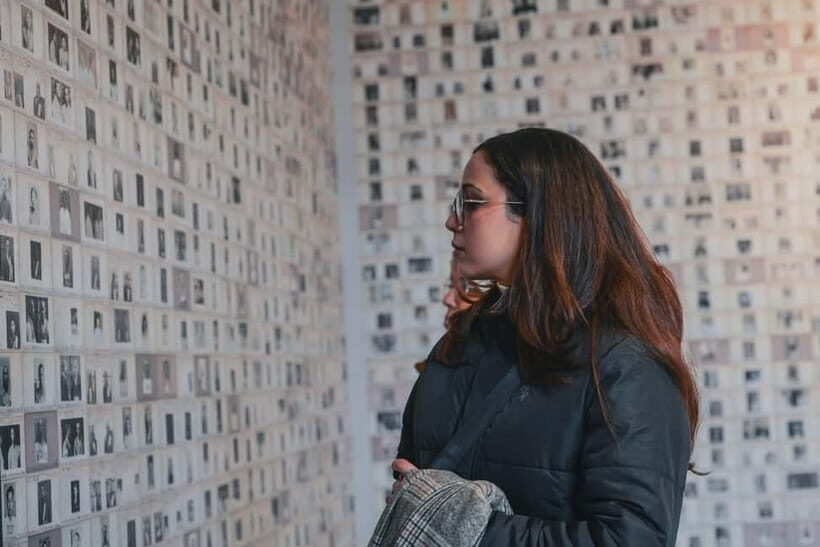
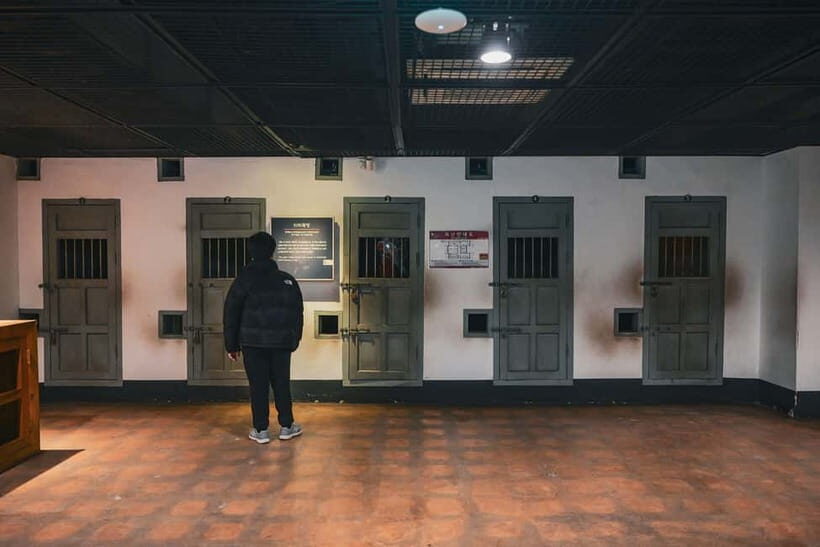
Seodaemun Prison History Hall is the emotional anchor of the tour. It’s where you’ll spend about 80 minutes with a guide, walking through former prison spaces tied to Japanese colonial rule and the suffering of Korean independence fighters.
This is not the kind of site you casually skim. The value here is in the way the guide connects the building to what it meant for people fighting for freedom. You’ll hear stories of hardship—exactly the kind of context that helps you understand why later sites and symbols feel so charged.
A practical note: this is a longer indoor history segment. If you’re sensitive to heavy topics, go in expecting a serious tone and plan to take your time. The good part is that the tour doesn’t leave you there—it moves you afterward to architecture and then to food, which helps you digest what you learned.
Dilkusha (Albert W. Taylor House): an outside ally story
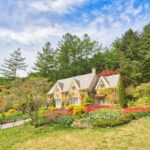
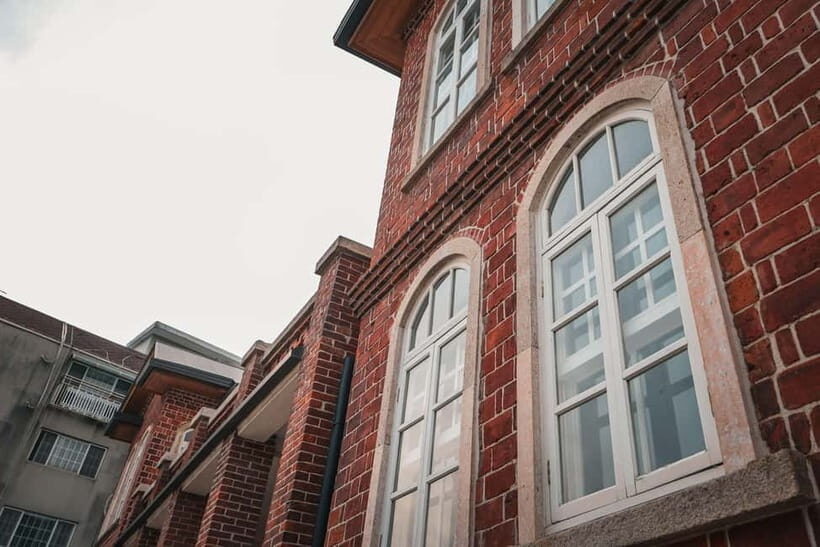
After the prison, the mood shifts in a way that still respects the theme. You’ll visit Dilkusha, the historic house of Albert W. Taylor, an American journalist who supported Korea’s independence.
Why this stop works: it adds another layer to the story. Korea’s independence struggle wasn’t only fought locally; there were also international connections and voices trying to put Korea’s situation on the world’s radar. Dilkusha gives you that bridge between “what happened” and “who spoke about it.”
You’ll get around 15 minutes here with a guide. That short window means you’ll likely focus on the highlights—Taylor’s role and how his perspective helped connect Korea’s cause with the outside world. It’s a smart counterweight after Seodaemun Prison, so the tour doesn’t feel like it’s only about suffering.
Deoksugung Palace: Korean and Western architecture side by side
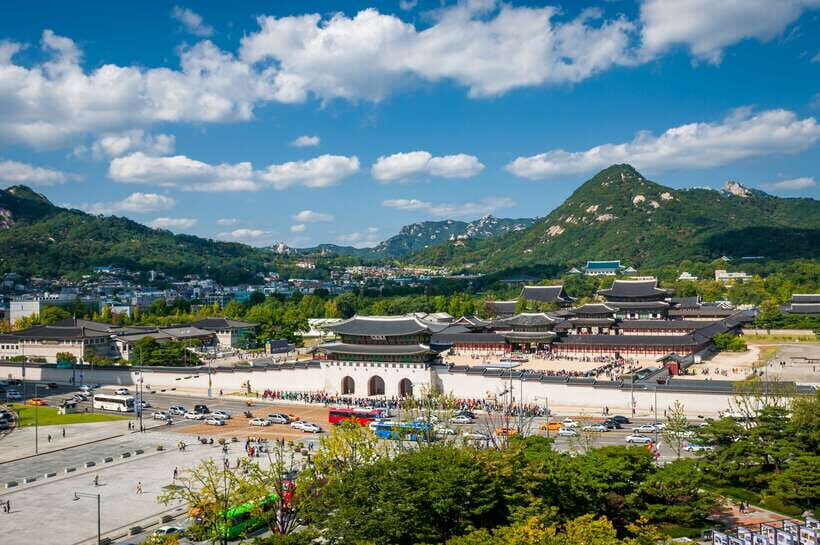
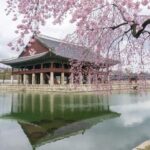
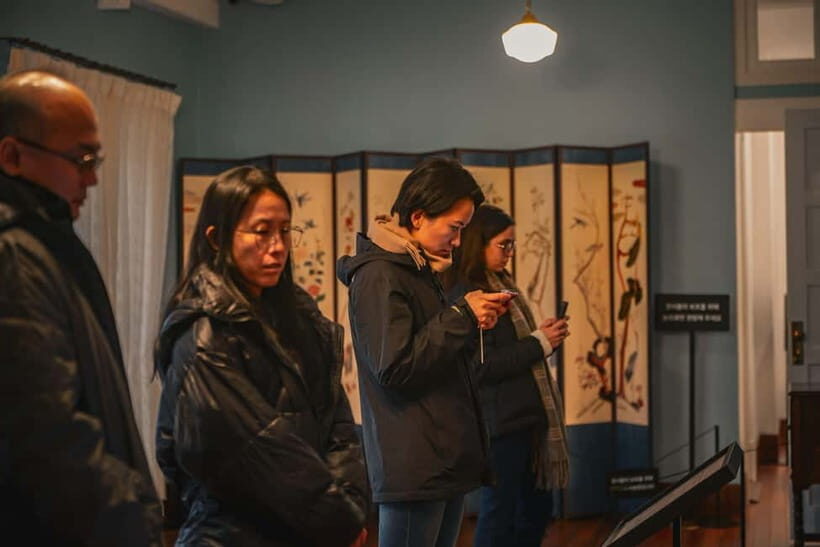
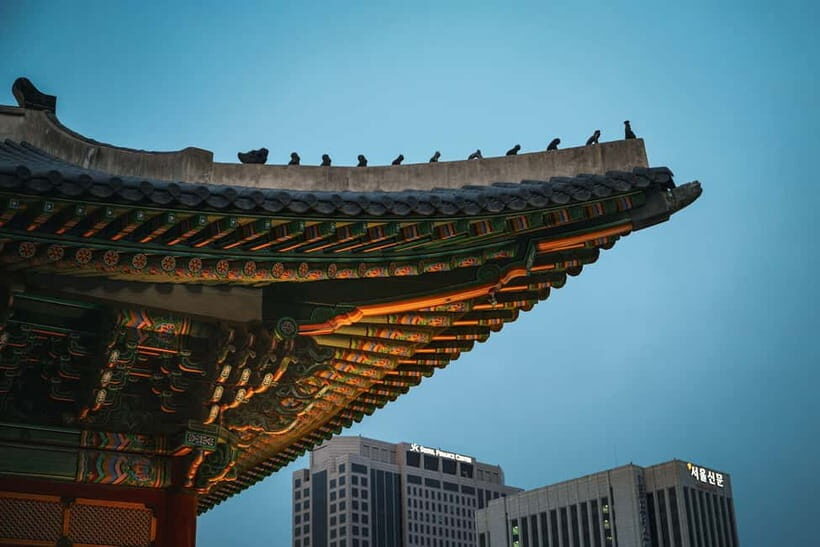
Next up is Deoksugung Palace, where you’ll get about an hour. This is one of the tour’s easier-to-enjoy stops visually, because it shows the blend of traditional Korean and Western architectural styles.
If you’ve been wondering how Korea handled modernization during political turbulence, this is where the question turns into something you can actually see. Palace architecture isn’t just decoration—it’s power, identity, and influence in physical form. The guide’s job is to help you notice what’s Korean, what’s Western, and what that mixture suggests about the era.
One practical consideration: palace grounds usually involve walking and some outdoor time. Bring your comfortable shoes again. Also, if it’s hot or rainy, you’ll feel the weather more here than at Seodaemun’s heavier indoor spaces.
Seoul City Hall and Sungnyemun Gate (Namdaemun): symbols you can measure
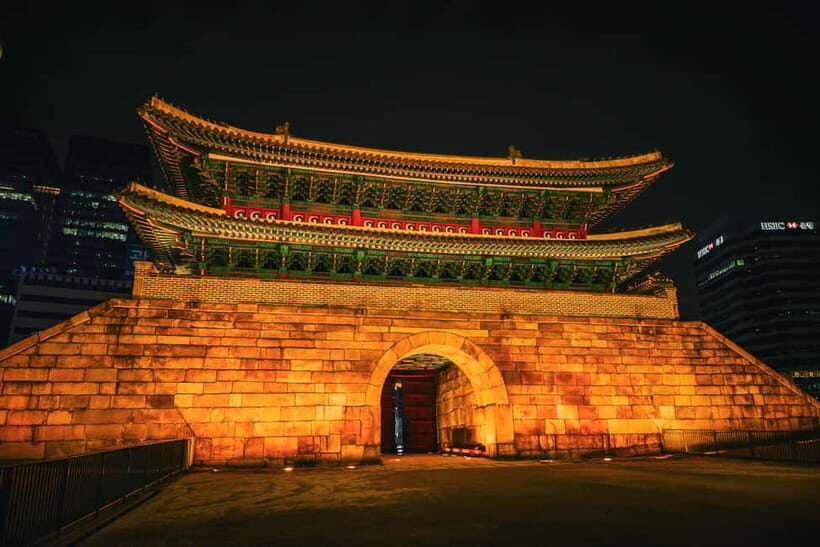
Two quick stops round out the “from past to present” layer.
You’ll pass by Seoul City Hall, which the tour frames as a symbol of Korea’s transformation—from a colonial past toward a functioning democracy. Then you’ll admire Sungnyemun (Namdaemun) Gate, a 600-year-old national treasure that served as a southern entrance since the Joseon Dynasty.
These are brief on time (the itinerary shows short guided visits), but they’re useful because they anchor what you learned earlier in visible, recognizable Seoul geography. In other words: the tour isn’t only about names and dates. It’s about where you can point and say, this mattered, and it still matters.
If you like photo stops, Sungnyemun Gate is the kind of place where you can pause and orient yourself for the rest of your day. Just don’t block the sidewalk—this is a working city landmark.
A few more Seoul tours and experiences worth a look
Namdaemun Market: where the tour turns into food you can actually eat
Then you reach the payoff: Namdaemun Market. This is where the tour goes from serious context to everyday life.
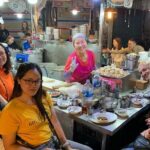
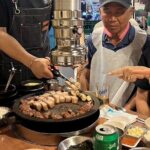
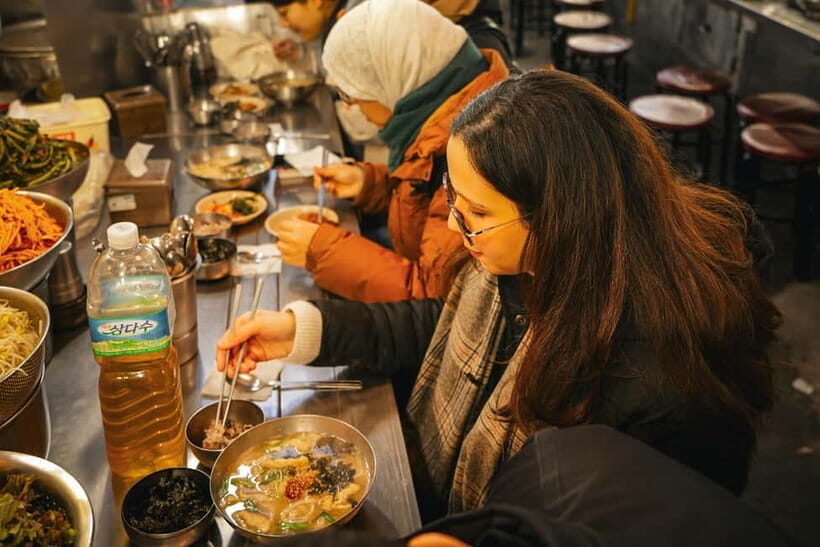
You’ll spend about an hour here with street food tasting. The focus is practical, crowd-pleasing comfort food—exactly the kind that locals grab when they want something warm and filling. The tour highlights the famous Kalguksu Alley, where you can get handmade knife-cut noodles in small, busy stalls.
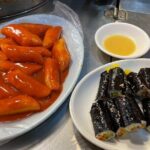
You’ll also try classic street foods such as:
- Hotteok
- Gimbap
What I like about putting the food at the end: your brain is already engaged from the history. Food gives you a release valve that still fits the tour theme. It’s not an add-on; it’s a reminder that Korea’s story includes daily routines, not just historic conflict.
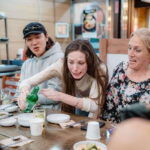
When it comes to eating, your best move is simple: go hungry, expect queues, and use your guide to help you order without second-guessing. The tastings are included in the tour price, so you’re not left wondering whether you’ve paid enough to justify stopping at one stall.
Price and value: why $58 makes sense here
At $58 per person for about four hours, you’re paying for a specific mix: guided access to major history sites plus the market segment with food tastings.
Here’s what you’re effectively getting bundled:
- an English-speaking professional guide
- entrance fees (so you don’t have surprise costs for the big sites)
- transportation cost included
- food tastings in Namdaemun Market
For many Seoul tours, you end up paying extra for entry tickets or you lose time figuring out ticketing and directions. In this case, the structure is doing that work for you. You’re also getting a guided narrative through colonial history, then a guided palate through market food—so the price isn’t just buying time on a bus.
Is it good value for everyone? If you only want palace photos and snack sampling, you might feel like the history parts take over. But if you want context for the city you’re walking through, the pricing fits the scope.
Guides make the difference: Janice and Ron as examples
The history and architecture matter, but the guide is what turns “places” into “understanding.” In the feedback, English-speaking guides like Janice and Ron stand out for staying curious and answering questions beyond the scripted route.
You’ll notice the difference in how they handle tone. At Seodaemun, a good guide sets expectations so you can take in the seriousness without getting overwhelmed. At the market, they help you connect what you’re eating to the everyday side of Korean culture instead of treating it like a checklist stop.
Who this tour suits best (and who may want to skip it)
This is a strong fit if you:
- want a guided, English-language explanation of Korea’s colonial history and independence struggle
- like pairing history with real-life culture, especially food
- prefer an organized route that covers multiple major sites in a single half-day
It’s less ideal if you:
- have trouble with moderate walking
- use a wheelchair (it’s not suitable for wheelchair users)
The tour data also flags people with altitude sickness as not suitable, which probably means you should avoid it if altitude affects you on travel days. If you’re unsure, ask before booking.
Should you book this Colonial History and Market Food tour?
If you’re the type of person who wants Seoul to mean something—not just look good—this tour is worth your time. The pairing of Seodaemun Prison History Hall, Dilkusha, Deoksugung Palace, and Namdaemun Market makes the story feel connected: past pressure, political change, and then daily life you can taste.
Book it if you want an organized way to understand the independence struggle and modern Korea through places you can point to later. Skip it if your ideal Seoul day is mostly low-effort strolling and you’d rather not spend time in heavier historical settings.
FAQ
Where do I meet the tour guide?
You meet at Dongnimmun (Independence Gate) Station, Exit 5. The guide will be holding a Tripper sign.
How long is the tour?
The tour is 4 hours.
What are the main stops during the tour?
You’ll visit Seodaemun Prison History Hall, Dilkusha (Albert W. Taylor House), Deoksugung Palace, pass by Seoul City Hall and Sungnyemun (Namdaemun) Gate, and end at Namdaemun Market for street food.
Are entrance fees and transportation included?
Yes. Entrance fees and transportation cost are included in the tour price.
Is market food included?
Yes. Food tastings at Namdaemun Market are included, and the schedule includes street food and food tasting time.
Is the guide English-speaking?
Yes. The tour has a live English-speaking guide.
Is the tour suitable for wheelchair users?
No, the tour is not suitable for wheelchair users.
What should I bring?
Bring comfortable shoes, since the tour involves a moderate amount of walking.