REVIEW · SEOUL
Afternoon E-bike tour and “Happy Hour” food and drinks
Book on Viator →Operated by We Ride Korea Bicycle Tours · Bookable on Viator
Seoul moves fast, and this ride helps. In about three hours, I like how an afternoon e-bike loop strings together classic sights and quieter streets without making you work for every view. You’ll hit landmarks like Blue House and Gyeongbokgung Palace, then finish with a local-food Happy Hour that feels like a shortcut to the best neighborhoods.
Two things I really appreciate: first, the ride setup. You get an e-bike, a safety helmet, insurance, and real bike-fitting and coaching before you start rolling. Second, the last-hour food-and-drink stop lands in a way that feels practical, not just a gimmick.
One heads-up: this is weather-dependent. If conditions aren’t good, the tour may shift or refund, and since you’ll be out riding most of the afternoon, you’ll want a plan B for drizzle, wind, or cold snaps.
In This Review
- Key highlights worth knowing
- Why an afternoon e-bike loop works so well in Seoul
- Meeting at Le Meiller Jongno Town: start smart, ride easier
- Getting a quick Seoul history fix at Cheonggyecheon
- Gwanghwamun Square and the meaning of public space
- House of Baek Inje: learning how a traditional home still works
- Ikseon-dong: traditional streets with a modern pulse
- Daehanmun Gate and the palace edge
- Changdeokgung Palace: the royal finale before the meal
- Happy Hour at the finish: local food and drinks without the guesswork
- Price and value: what $105 really buys you
- Who this tour suits best (and who should look elsewhere)
- Practical tips to get the most out of your ride
- Should you book this Seoul e-bike + Happy Hour tour?
- FAQ
- How long is the afternoon e-bike tour?
- What time does the tour start?
- Is the e-bike, helmet, and insurance included?
- Do I need to arrive early?
- Are the stops free to enter?
- How many people are in the group?
- What happens at the Happy Hour / food-and-drinks part?
Key highlights worth knowing
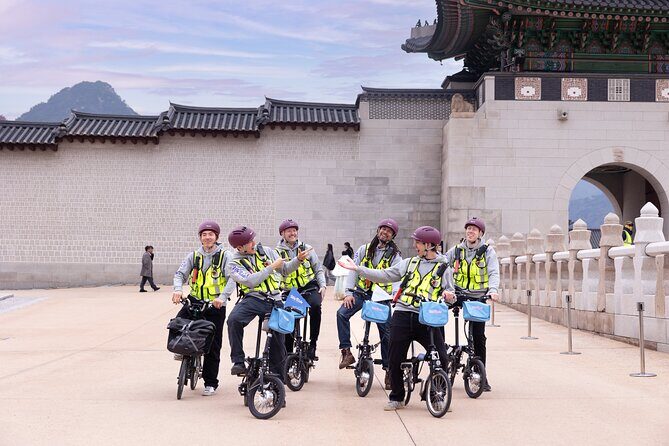
- Small group capped at 10 means less waiting and more back-and-forth during the ride
- Safety-first start with pre-ride education and bike fitting at the shop
- Cheonggyecheon and Gwanghwamun give you big “Seoul in one glance” context
- Ikseon-dong mixes traditional streets with modern-day living
- Happy Hour at the end swaps sightseeing fatigue for local food and drinks
- Optional pedicab for mobility needs keeps the same tour experience within reach
Why an afternoon e-bike loop works so well in Seoul
Seoul can feel like a lot at first—high-rises, palaces, busy roads, and neighborhoods that change character block by block. An afternoon e-bike tour is a smart way to get your bearings fast because you cover more ground than walking, yet you still get the small details you’d miss in a car.
I also like that the pacing is built for short attention spans and first-time visitors. You’ll have frequent, manageable stops—mostly 5 to 15 minutes—so you’re not stuck in long lines or standing around too long. And because it’s in the late afternoon, you often get nicer light for photos and easier walking afterward.
The biggest value is how the ride connects history and everyday life. You won’t just point at monuments; you’ll get context for why certain places matter, like the story tied to the city’s divided-nation past and the way palaces still shape modern Seoul.
You can also read our reviews of more food & drink experiences in Seoul
Meeting at Le Meiller Jongno Town: start smart, ride easier
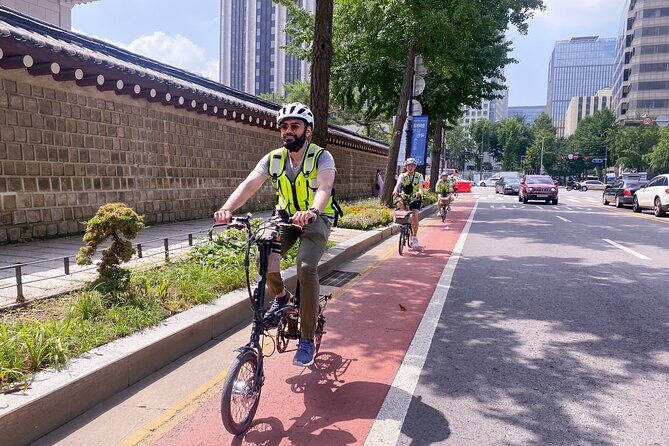
The tour starts at Le Meiller Jongno Town on Jong-ro (Jongno District). Plan to arrive 20 to 30 minutes early, because that time is used to get you ready—bike fitted, safety education given, and everyone brought up to speed.
This pre-ride window matters more than it sounds. A well-fit e-bike makes the difference between a relaxing ride and an exhausting one. It also helps if you’ve never ridden an e-bike in a crowded city, because the instruction and helmet check give you the baseline you need before you roll.
The tour is capped at 10 travelers, and that small-group size shows up right away. You’re not fighting for attention at the start, and you’re more likely to get practical help if something feels off with your bike position or comfort.
Getting a quick Seoul history fix at Cheonggyecheon

Your ride begins with stops that immediately explain how Seoul became what it is today, not just what it looks like. One of the first is Cheonggyecheon Berlin Square, where the focus is on Korea’s divided-nation story.
From a visitor perspective, this is a great opening move. It gives you a lens you can use for the rest of the afternoon, because later places won’t feel like random photo stops—you’ll connect them to broader themes like modern identity and change. It also keeps the tour from feeling purely aesthetic.
Then you continue to Cheonggyecheon Stream, a place that’s both scenic and meaningful. You get a break from busy streets and a moment to enjoy the waterway, which used to be a main water route in the city. Even a short stop feels worthwhile here because it changes the pace of your senses: less traffic noise, more open sightlines and a calmer feel.
If you’re the type who likes to understand a place in plain terms, this is one of the tour’s best early moments. You’re given just enough background to make the city click without overloading your brain.
Gwanghwamun Square and the meaning of public space
Next comes Gwanghwamun Square, a major open plaza in the city center. You’ll pause there to see statues connected to symbolic figures from Korean history, and the guide uses the space as a resting point.
This stop is valuable because it’s the kind of place where the city’s “stage” becomes visible. Seoul’s power and culture aren’t only in palaces behind walls—they’re also in large public spaces where people gather, rest, and watch daily life unfold.
The practical side: it’s a nice reset. You’ll have been riding and turning corners; a larger open area gives you a moment to breathe and get your bearings again before heading toward quieter, more traditional surroundings.
House of Baek Inje: learning how a traditional home still works
A standout stop is House of Baek Inje, where you’ll learn about the key features of a traditional Korean home and how those ideas are still used today. This is one of the tour’s best “slow down” segments because it shifts from big-city views to how people actually live.
What I like here is the framing. You’re not just looking at an old building; you’re learning what design elements made sense in Korea’s climate and lifestyle—and seeing that influence still in the way spaces get used now.
The stop is short—about 10 minutes—so don’t expect a deep architectural lecture. But it’s enough time to pick up the big concepts and then connect them later when you walk around neighborhoods like Ikseon-dong.
A few more Seoul tours and experiences worth a look
Ikseon-dong: traditional streets with a modern pulse
After that, you roll into Ikseon-dong, a traditional housing district known for blending past and present. The tour gives you about 15 minutes here, which is plenty for a quick stroll, photo breaks, and noticing the street-level rhythm.
This is where e-bikes are especially useful. You can reach the neighborhood without spending half your time getting there by train and then hunting streets on foot. And because the tour is timed, you’re likely to arrive when you can still enjoy the area without feeling rushed into another stop immediately.
One thing to pay attention to: Ikseon-dong is the kind of place where the details reward slow glances. Look at how storefronts and residential-style structures sit side by side. Even in a short visit, you’ll get a feel for how Seoul preserves the look and feel of older areas while keeping them active.
Daehanmun Gate and the palace edge
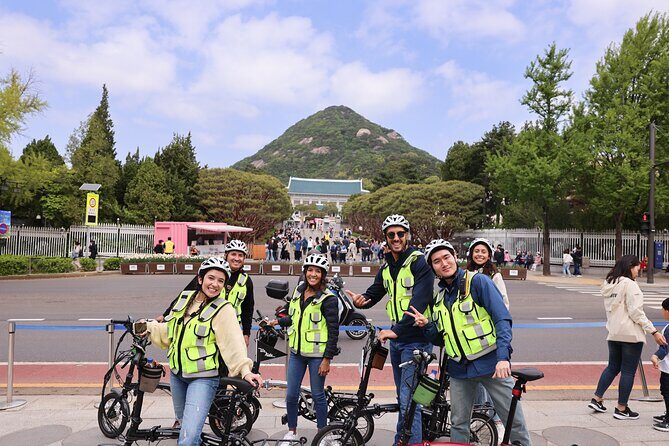
You’ll also stop at Daehanmun Gate, the main gate of Deoksugung Palace. It’s tied to the late 19th-century period and marks a transition into a more modern era in Korean history.
For many visitors, gates are just points on a map. Here, the guide’s job is to make the gate feel like a story checkpoint—where changes in the country show up in physical space. That kind of context makes even a quick 5-minute stop more useful.
It also helps you understand how palaces relate to the city. These grand sites aren’t isolated; they’re embedded in the urban layout. Seeing the gate from the flow of the tour makes the overall Seoul picture feel more connected.
Changdeokgung Palace: the royal finale before the meal
The ride finishes with Changdeokgung Palace, the seat of power for Joseon Dynasty kings, while still relevant today. You’ll have about 10 minutes here, so this is a “see the scale and symbolism” stop more than a full palace touring day.
Still, it’s a fitting finale. After learning about streets, squares, and traditional homes, you get one last major monument that gives the whole afternoon a strong arc: daily life context leading up to royal space.
If you want to do more after the tour, this palace stop helps you decide what to return for. It gives you a quick sense of which palace area you’d like to explore on foot later.
Happy Hour at the finish: local food and drinks without the guesswork
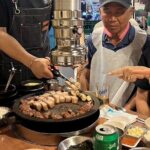
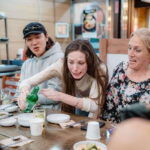
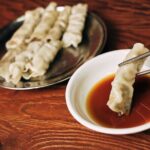
The highlight for many people isn’t even the last palace stop—it’s what comes after you drop the bikes. At the end, you head into the tour’s favorite local Korean food spots for local treats and drinks.
The menu depends on the season:
- In winter, you may enjoy kimchi soup, Korean pancakes, and Makolli rice wine.
- In summer, the food focus shifts to K-fried chicken (and additional local options).
This ending works because it matches how you actually feel at 5-ish in the afternoon. By then, you’ve been outside, riding, and listening—so you’re hungry in a very normal way. Instead of sending you off to “figure it out,” the tour points you toward places that fit your day.
I also like the way this section acts like a bridge to independent exploring. You’ll leave with a better sense of what kinds of foods are worth seeking out again, and you’ll know at least one area where you can eat without second-guessing.
Guides like Hagar, Taejin, and Vincent have been praised for keeping the tone fun while still staying on top of safety. In practice, that usually means the food stop feels like a low-stress hangout, not a rushed finish line.
Price and value: what $105 really buys you
At $105 per person for about 3 hours, the value comes from three bundles you don’t have to arrange yourself:
- E-bike + helmet (you’re not renting or figuring out sizing on your own)
- Insurance and safety setup, including the pre-ride education and bike fitting
- A guide-led route that combines major sights with neighborhood texture, plus snacks from a local market and the Happy Hour food-and-drink time
You could try to piece this together—bike rental, guide, and a food stop—but then you’d spend your time coordinating instead of enjoying the afternoon. Here, the structure is the product. The tour saves you decision fatigue.
The small group size also helps justify the price. With a maximum of 10, you get a more personal experience than the usual “everyone lines up and waits” format you might see elsewhere.
Who this tour suits best (and who should look elsewhere)
This tour is ideal if you’re visiting Seoul for the first time and want a fast, organized way to see major highlights without wearing yourself out. It also fits well if you have limited time but still want more than the top two or three tourist spots.
It’s a good fit for couples and small groups because the vibe stays friendly and the guide can keep track of everyone. And if you’re unsure where to start, an afternoon slot works because it often lands you in the right neighborhoods for whatever you plan next.
If you’re traveling with mobility needs, the good news is that there’s an option to join via pedicab at the same price. And service animals are allowed.
Your main consideration is comfort with riding and outdoor conditions. Since the tour requires good weather, plan to be flexible if the forecast looks shaky.
Practical tips to get the most out of your ride
A few small things make your experience smoother:
- Start early. Arrive 20 to 30 minutes ahead so you’re not rushed during the bike fitting.
- Wear something you can move in. You’ll be riding through neighborhoods and will want grip and comfort.
- Keep some energy for the last stop. Even with an easy pace, you’ll be outside for the full loop, and the food moment will hit best when you’re hungry.
Also, if you’re the type who likes to plan the rest of your trip, treat this like your orientation tour. The route order and the history context make it easier to decide what to see later on your own, especially around palaces and older residential districts.
Should you book this Seoul e-bike + Happy Hour tour?
Book it if you want a guided, time-efficient introduction to Seoul that balances big landmarks with lived-in streets. The pairing of an e-bike route plus a structured food-and-drink finale is exactly the kind of “saves effort” travel move that’s worth paying for.
Skip it or think twice if you can’t be outdoors for long stretches or if your schedule is too tight to tolerate weather changes. Also, if you’re already spending the afternoon at palaces in depth, you might find the shorter palace stops don’t scratch the full itch.
If you’re on your first visit, or you’re in Seoul for a quick trip, this is one of the more sensible ways to get confident about where things are—and to eat well without hunting.
FAQ
How long is the afternoon e-bike tour?
It runs for about 3 hours.
What time does the tour start?
The start time is 2:30 pm.
Is the e-bike, helmet, and insurance included?
Yes. The tour includes use of an e-bike, a safety helmet, and insurance.
Do I need to arrive early?
Yes. You must arrive 20 to 30 minutes before the tour so you can get prepared, safely educated, and your bike can be fitted.
Are the stops free to enter?
Most scheduled stops are listed as free admission. Stop 1 specifically notes admission ticket not included, while the rest of the listed stops are free.
How many people are in the group?
The tour caps the group size at 10 travelers.
What happens at the Happy Hour / food-and-drinks part?
After dropping off the bikes, you’ll go to local Korean food restaurants for snacks and drinks. In winter, options include kimchi soup, Korean pancakes, and Makolli; in summer, the food focus includes K-fried chicken.