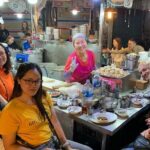
Night food tours in Seoul are built for the senses. You get a guided loop through classic neighborhoods like Insadong and Ikseon-dong, sampling Korean BBQ, pancakes, dumplings, and even hanok-area sweets. It’s paced like a night out with food stops, not a museum march.
I especially like two things: you leave with real Korean eating confidence because you’re tasting items in the order they’re usually served. And I love that the guide handles the ordering and logistics, so you spend your energy actually eating (and chatting).
One possible drawback: this is a walking tour at night. If you’re the type who wants lots of explanation at every stop, the pace can feel a bit quick—so wear comfy shoes and keep expectations realistic.
In This Review
- Key highlights to look for
- Why Jongno at 5:30 pm Makes Sense for Food
- The Walk Pace: Short Steps, Real Night Weather
- Stop-by-Stop: Insadong to Ikseon-dong, One Bite at a Time
- Insadong BBQ stop: pork belly or soy-marinated pork + bomb shot
- Jumak bar/pub stop: rice wine tastings + crispy pancake
- Street vendor dumplings stop: the quick-hit bite
- Ikseon-dong Hanok Street stop: hanok village time + ice cream, bingsu, or tea
- The Food Menu in Plain English (What You’re Really Eating)
- What “you’ll taste kimchi” means day-to-day
- What “pancakes” usually turns into
- Alcohol Tastings: Soju, Rice Wine, Beer, and Bomb Shot
- Guide Matters More Than the Neighborhood
- Price and Value: Is $110 a Good Deal Here?
- Who Should Book This Tour (and Who Might Not Love It)
- Practical Tips So You Get the Best Night
- Should You Book This Seoul Night Food Tour?
- FAQ
- Where does the tour start and where does it end?
- What time does the tour begin, and how long does it last?
- How many people are in the group?
- What’s included for food, drinks, and activities?
- Is alcohol included, and is there a drinking age requirement?
- What happens if the tour can’t run due to weather or low bookings, and can I cancel?
Key highlights to look for
- Insadong Korean BBQ with side dishes plus a Korean mixed drink called bomb shot
- Jumak old-school bar/pub where you taste traditional rice wine and a crispy pancake
- Street-vendor dumplings stop that’s short, focused, and easy to enjoy
- Ikseon-dong Hanok Street with hanok village time and choices like ice cream, bingsu, or tea
- Soju and Korean beer tastings alongside non-alcoholic options for people who don’t drink
Why Jongno at 5:30 pm Makes Sense for Food
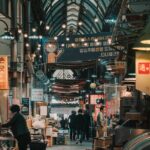
Seoul changes character after dark, and Jongno does it fast. This tour starts at 5:30 pm near Anguk Station, right when the streets switch from day-mode to night-mode. That timing matters because food stalls, bars, and restaurant energy tend to hit their stride in the evening.
Also, this area is perfect for “first Seoul trip” moments. You’ll get central sights without needing to plan a route through five different neighborhoods. The walk keeps things simple: you follow your guide, taste your way through Korea-style dining, and end in the food-heavy Gwangjang Market area.
You can also read our reviews of more food & drink experiences in Seoul
The Walk Pace: Short Steps, Real Night Weather
The tour runs about 3 to 4 hours. That sounds manageable until you realize you’ll be moving between restaurants and stalls the whole time. The good part: “moderate walking” is the right description. You’re not trekking across the city. You’re just doing enough walking that your shoes matter.
Come prepared with:
- Comfortable walking shoes (you’ll thank yourself later)
- A light layer (night air can turn cold fast)
- Basic patience if one place gets busy (your guide keeps things flowing)
If you’re late, you’re responsible for missed participation. So build in buffer time getting to Anguk Station. A mobile ticket is provided, so you won’t be hunting for paper.
Stop-by-Stop: Insadong to Ikseon-dong, One Bite at a Time
Insadong BBQ stop: pork belly or soy-marinated pork + bomb shot
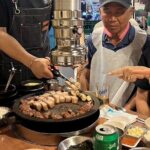
Your first major meal is in Insadong at a Korean BBQ restaurant. You’ll taste pork belly or soy sauce marinated pork barbecue, and you’ll get the usual spread of side dishes to go with it. This is where kimchi usually fits naturally into the meal rhythm because BBQ in Korea often comes with lots of bite-sized companions.
Then comes the fun drink moment. You’ll try bomb shot, a Korean-style mixed drink. It’s the kind of tasting that turns dinner into an event without making it complicated.
Why this stop matters: BBQ is one of the fastest ways to understand Korean flavor logic—savory, salty, tangy, and balanced with crunchy and spicy sides. You’re also learning how people actually eat this stuff: not just tasting, but eating in a sequence that makes sense.
Jumak bar/pub stop: rice wine tastings + crispy pancake
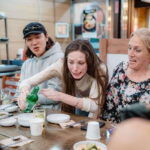
Next up, you shift from grill to old-school bar energy at Jumak. Think cozy, casual, and designed for lingering. Here you’ll try different types of traditional rice wine tastings, plus a savory crispy pancake.
This stop is a great “gear change” after BBQ. It also helps you understand how Korean alcohol is treated socially—not as a separate activity, but as part of the meal.
Why this stop matters: rice wine can taste very different from what people expect, and this is a low-pressure way to figure out what you like. The pancake also gives you something you can snack on easily while you chat.
A few more Seoul tours and experiences worth a look
Street vendor dumplings stop: the quick-hit bite
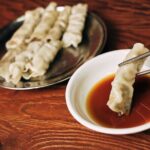
After the bar/pub stop, you get a short dumpling stop at a street vendor. The time is brief—around 20 minutes—but that’s often the point. You sample one of the most popular Korean dumpling styles, eat it hot, and keep moving.
If you like street food, this is the “I’m glad I came hungry” moment. Dumplings are also a nice bridge between the heavier BBQ and the sweet dessert phase later.
Possible consideration: because the stop is short, don’t plan to linger. It’s a tasting hit, not a slow sit-down.
Ikseon-dong Hanok Street stop: hanok village time + ice cream, bingsu, or tea
Then you head to Ikseon-dong Hanok Street for a hanok village visit. This is where the tour adds a visual and cultural break without taking you away from food.
You’ll get a sweet option here—ice cream, bingsu (shaved ice), or traditional tea. Since handmade ice cream is listed as included, dessert time is part of the plan, not an optional upgrade.
Why this stop matters: Korean desserts often feel lighter and more playful than Western equivalents, and bingsu especially helps you reset after savory foods and alcohol.
The Food Menu in Plain English (What You’re Really Eating)
This tour isn’t just “snack hopping.” It’s designed around a full 3-course dinner structure, supported by tastings at multiple locations. In practice, it feels like:
- A real first meal at BBQ (protein-forward, with side dishes)
- A bar/pub-style second experience with rice wine and a savory pancake
- A quick street-food dumpling bite
- A dessert reset in the hanok area
- A market finish around Gwangjang Market, often tied to Korean pancakes in the final phase
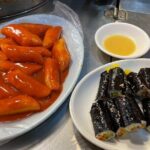
You’ll also sample Korea staples the tour is built around: kimchi, Korean BBQ, savory pancakes, and comforting spicy options like spicy rice cake stew are part of the overall tasting plan.
What “you’ll taste kimchi” means day-to-day
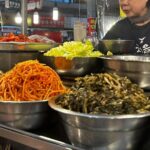
For a lot of visitors, kimchi is either “I love it” or “I can’t handle it.” A guided tasting helps because you’re not stuck with a full bowl. You get the chance to experience it alongside BBQ and sides, which changes how spicy and sour it feels on your palate.
What “pancakes” usually turns into
Korean pancakes show up in different forms here—one savory, crispy version at Jumak, and a market-style Korean pancake finish later on. The variety matters because the texture and flavor can shift a lot depending on the batter and add-ins.
Alcohol Tastings: Soju, Rice Wine, Beer, and Bomb Shot
This tour includes alcoholic beverages, including soju, Korean beer, and traditional rice wine tastings. Soft drinks are included too, so you’re not forced into alcohol.
South Korea’s legal drinking age is 18, so the tour follows that rule. If you’re under 18, you’ll want to plan on the non-alcoholic options.
A key practical point: bomb shot and the rice wine tastings aren’t just “have a drink.” You’re tasting in a structured way at specific places. That makes it much easier to decide what you like and what you can skip next time.
Also, guides tend to manage the drink logistics so you don’t spend half your meal figuring out what’s happening on the table. That’s a big value piece.
Guide Matters More Than the Neighborhood
A lot of food tours live or die based on the guide. This one has a strong track record, and you can see why in the names people remember—Chris, Anna Chang, Helen, Young, Brad, Dayeun, and even Jin Choi (mentioned as a CEO-level guide) show up in standout stories.
The best nights share a few patterns:
- The guide keeps the group energized, even when the weather is cold
- They take time to talk to people and match the conversation to your interests
- They handle ordering and logistics so you’re not stuck decoding menus
- The places chosen feel local and “on purpose,” not random
That doesn’t mean every experience is identical. One less-loved version described a brisk pace, minimal explanation, and a guide who seemed less present while the group ate. Another mentioned a cleanliness concern at a dining table. If food sanitation is a big priority for you, pick your spots carefully and don’t feel shy asking questions.
Price and Value: Is $110 a Good Deal Here?
At $110 per person, you’re paying for more than food. You’re paying for:
- A local English-speaking guide
- Multiple paid stops with included tastings
- A structured dinner (3-course dinner is part of what’s included)
- Alcohol tastings plus soft drinks
- Entry into the hanok village experience
- Handmade ice cream
The smart way to view the price: this tour removes friction. Without a guide, you’d still have to hunt down places, translate menus, figure out what to order, and often deal with “tourist menus” or awkward ordering. Here, the guide takes the guesswork out.
Is it a bargain? Maybe not in the absolute sense. But for many first-time visitors, it’s great value because you get a full evening of Korean food culture in a single organized route—especially if you’re traveling solo and want a built-in social setup.
Who Should Book This Tour (and Who Might Not Love It)
This tour fits best if you:
- Want a practical intro to Korean eating (BBQ, pancakes, dumplings, kimchi, and typical sauces)
- Like meeting people in a small group and having conversation during dinner
- Prefer having someone handle ordering and pacing
- Want a food-focused night that still includes hanok village time
It might not be ideal if you:
- Hate walking at night (even moderate walking will add up)
- Want extremely detailed explanations at every single stop
- Are very sensitive about food table cleanliness (listen to your instincts)
It’s also a solid choice for couples and small groups. For families, restaurants are child-friendly and non-alcoholic drinks are available. Children age 5 and under are free, but they must be accompanied by an adult.
Practical Tips So You Get the Best Night
If you want to feel like you made the most of the evening, do these things:
- Come hungry. There’s a lot of food across the stops, including dessert.
- Try one thing you’d normally skip. Rice wine is a common “surprise yes,” and dumplings are an easy win.
- Keep water handy. Between alcohol and savory food, you’ll appreciate it.
- Dress for cold. Even in months when daytime is comfortable, evenings can feel sharp.
- Ask your guide what to order next. The tour is set up for you to try specific items, but your guide can help you steer within that plan.
Should You Book This Seoul Night Food Tour?
If you’re new to Seoul and want an organized, small-group night that mixes Korean BBQ, rice wine, dumplings, and hanok-area sweets, I think this is a strong pick. The small-group size, guide-led ordering, and mix of classic foods makes it easy to enjoy—even if you’re not an experienced “Korean food chooser” yet.
I’d book it sooner in your trip. Getting your food basics down early helps every meal afterward feel less intimidating.
If you hate walking, dislike alcohol tastings, or need lots of slow, detailed storytelling at each stop, you may want to choose a different format. For most people, though, this is exactly the kind of evening that turns into a Seoul highlight.
FAQ
Where does the tour start and where does it end?
It starts near Anguk Station in Seoul and ends around Gwangjang Market in the Jongno District area.
What time does the tour begin, and how long does it last?
The start time is 5:30 pm, and the tour runs about 3 to 4 hours.
How many people are in the group?
This is a small-group tour with limits listed as a minimum of 3 people and a maximum of 10, and it also lists a maximum of 12 travelers.
What’s included for food, drinks, and activities?
You’ll get a local English-speaking guide, a dinner with multiple courses, alcohol tastings (including soju, Korean beer, and traditional rice wine), soft drinks, a Korean Traditional Hanok Village visit, and handmade ice cream.
Is alcohol included, and is there a drinking age requirement?
Yes, alcohol tastings are included, including soju and rice wine. The legal drinking age in South Korea is 18.
What happens if the tour can’t run due to weather or low bookings, and can I cancel?
The experience requires good weather, and if it’s canceled due to poor weather you’ll be offered a different date or a full refund. If the minimum number of travelers isn’t met, it may be canceled with an alternative date or a full refund. You can cancel for a full refund up to 24 hours before the start time.