REVIEW · SEOUL
From Seoul: Suwon Hwaseong Fortress Tour
Book on GetYourGuide →Operated by I LOVE SEOUL TOUR Co., Ltd. · Bookable on GetYourGuide
Fortress walls are the main event. This guided day trip turns UNESCO-listed Suwon Hwaseong Fortress into a story you can actually walk, with time on the big, well-preserved defensive walls and gates.
I really like that the tour is guide-led, not just a bus ride plus a free-for-all. You get the Joseon-era context as you move, so the stonework makes sense fast.
I also love the stop at Hwaseong Haenggung, the fortified palace complex that served as a temporary royal residence for Joseon kings on the move. Even if you only have a half day, that adds real variety beyond wall-walking, and it helps you picture what the fortress meant in wartime.
One possible drawback: if you’re on the half-day option and expecting a bigger package, the price can feel steep. It’s not a bad experience, but it’s worth choosing the full-day version if you want more than just Suwon.
In This Review
- Key highlights you should plan around
- Why Suwon Hwaseong Fortress works as a Seoul escape
- Meeting up in Seoul: Sejong Hotel start and flexible pickup
- Suwon fortress walking: the defensive walls feel bigger than photos
- Hwaseong Haenggung Palace: where the king stayed when war demanded travel
- Full-day choice: Korean Folk Village or Dae Jang Geum Park
- Korean Folk Village: hands-on culture, staged traditions, and seasonal shows
- Dae Jang Geum Park: for K-drama fans who want real locations
- Timing, lunch, and how to avoid a rushed-feeling day
- The value of the guide: names like Leo, Shin, and Christy keep showing up
- Transportation and group feel: AC rides help, but the walking is real
- Price and value: what $52 buys you in real terms
- Who should book this tour (and who might skip it)
- Should you book the Suwon Hwaseong Fortress tour from Seoul?
- FAQ
- How long is the Suwon Hwaseong Fortress tour from Seoul?
- What’s included in the tour price?
- Is lunch included?
- Where do I meet the guide in Seoul?
- Is hotel pickup available?
- Is the tour wheelchair accessible?
Key highlights you should plan around
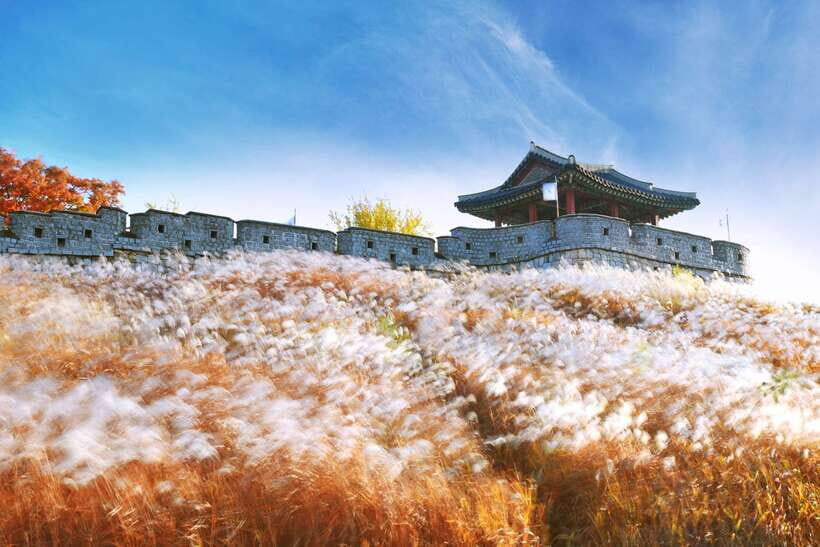
- UNESCO fortress walls with guided context so you know what you’re looking at
- Hwaseong Haenggung and the Joseon kings’ fortified “on the move” residence
- Korean Folk Village (full-day), described as the first open-air museum of Korean folklore and traditions
- Seasonal performances and cultural classes at the Folk Village, including traditional ceremony and music
- Dae Jang Geum Park (full-day) for K-drama and film filming locations
- Drop-off around Myeongdong after your return to Seoul
Why Suwon Hwaseong Fortress works as a Seoul escape
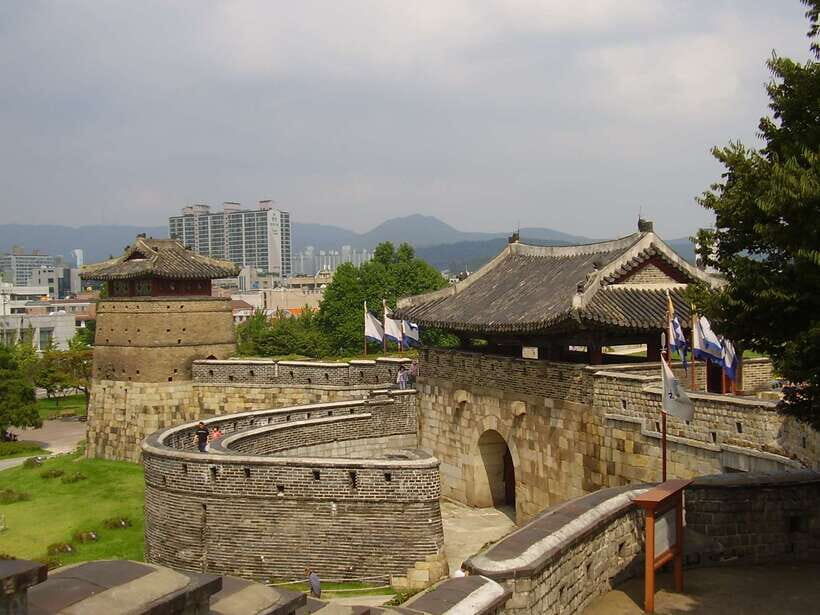
Suwon Hwaseong Fortress is one of those places where you don’t need to be a history buff to get it. The walls look impressive before the guide even starts explaining, and the guided route helps you connect the structure to the Joseon idea of defense. From Seoul, it’s also a clean day trip: you swap city traffic for a focused route in Suwon.
What makes this tour especially workable is that it’s not only “see the fortress.” You also visit Hwaseong Haenggung, which means you’re not staring at stone all day. That palace complex gives you a sense of what royal life looked like when the king traveled outside the capital.
You can also read our reviews of more tours and experiences in Seoul.
Meeting up in Seoul: Sejong Hotel start and flexible pickup
You start in Seoul meeting a guide in front of the front desk of Sejong Hotel. If you selected pickup, you can also be picked up from centrally located areas like Gangnam, Myeongdong, Gwanghwamun, Itaewon, or Dongdaemun.
This matters because access in Seoul can be tricky if your hotel is tucked away. The tour notes that if your place is hard to reach, the guide meets you at the nearest central hotel or nearest subway station. In practice, this tends to keep the schedule smoother than a strict door-to-door service.
For the end of the tour, you return to Seoul. The tour information includes a drop-off near Myeongdong station, and the meeting-point details also indicate the activity ends back at the meeting point area. Either way, you’re set up well for an easy continuation day—especially if you’re staying around Myeongdong.
Suwon fortress walking: the defensive walls feel bigger than photos
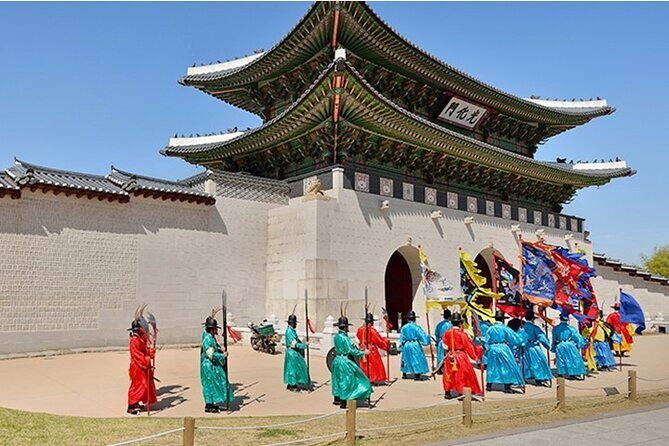
Your core experience is a guided walk inside Suwon Hwaseong Fortress, a late-18th-century defensive project associated with King Jeongjo of the Joseon Dynasty. You’ll approach the walls and quickly notice how imposing they are, plus how well they’ve been preserved.
As you walk, the guide’s job is to translate the fortress layout into something you can picture. You’re not just moving along a tourist path—you’re tracing the logic of a fortification built to protect a city. This is where a good guide makes a noticeable difference, because the fortress reads like architecture until someone shows you how the pieces worked together.
Comfort tip: bring shoes you can walk in for real. Even on a shorter option, you’re dealing with uneven outdoor surfaces and steady movement along the walls.
Hwaseong Haenggung Palace: where the king stayed when war demanded travel
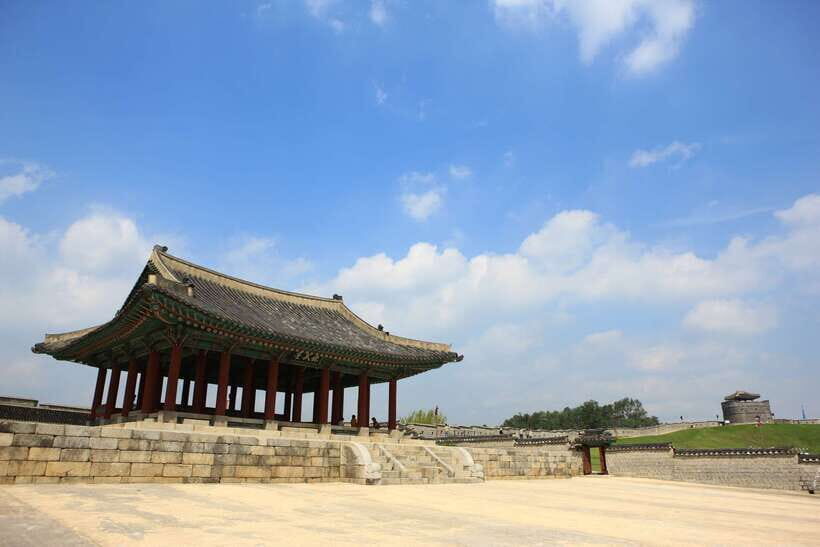
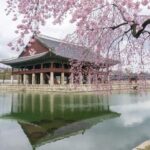
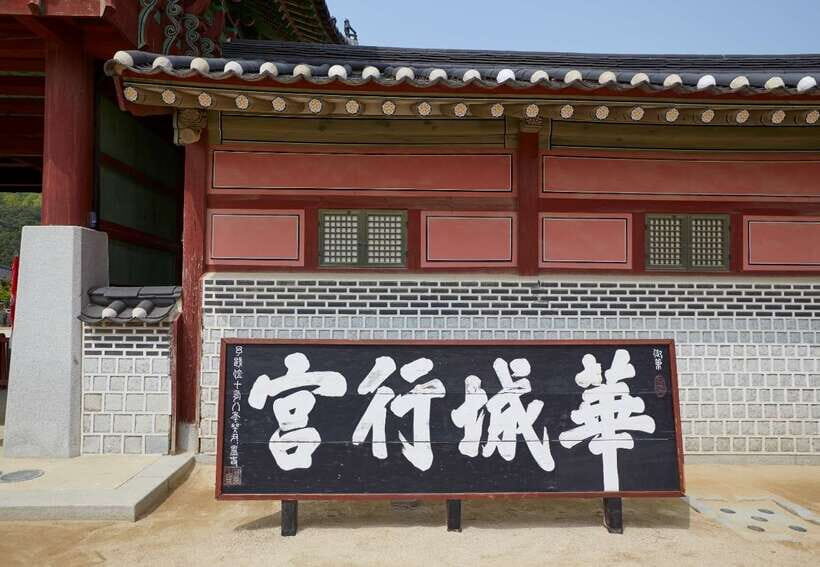
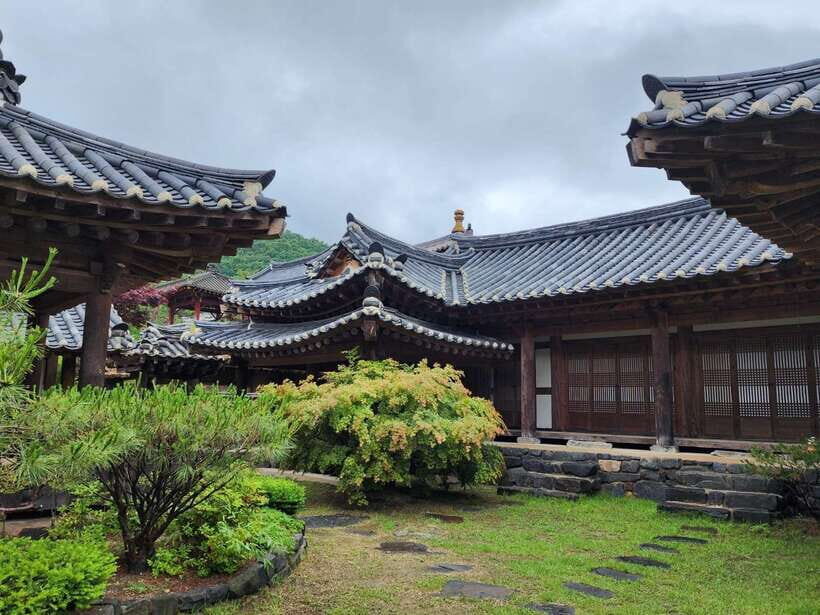
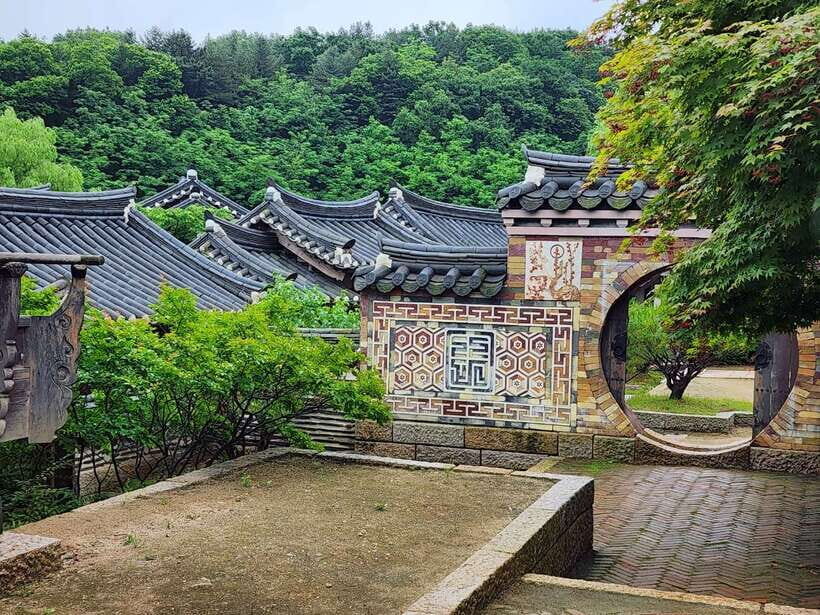
After the main fortress time, you shift to Hwaseong Haenggung, described as a fortified palace complex and a wartime-era residence for Joseon kings traveling outside the capital. It’s a powerful pairing because it connects the fortress defenses to the human side of the story: who lived there temporarily, and why this kind of setup mattered.
You’ll get traditional architecture to admire, but the best part is imagining the purpose. The palace wasn’t built for leisure-only visits. It was built for function, security, and leadership in uncertain times—so every architectural detail feels practical, not just decorative.
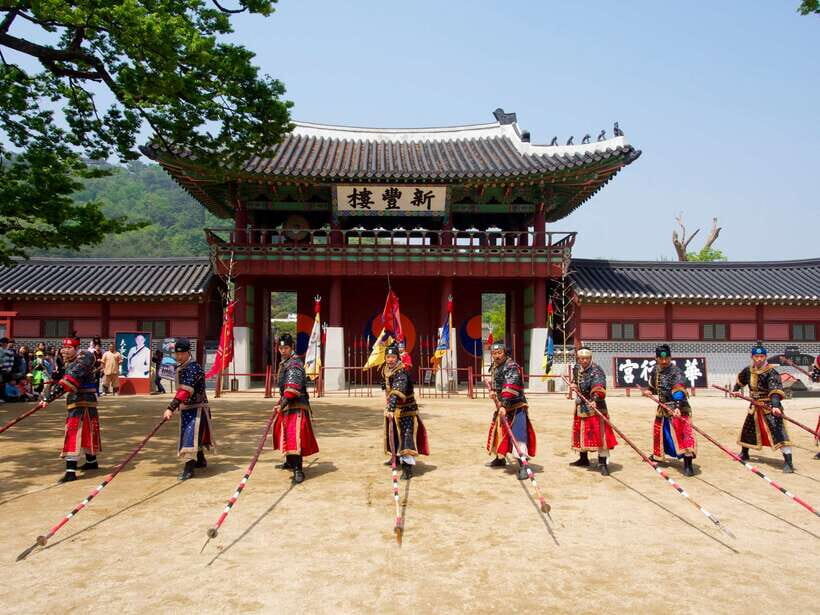
In the experience notes, there’s also mention of a martial arts display at the palace end of the visit. If that show is scheduled during your day, it can be a fun “energy reset” after walking. It’s the kind of extra that makes the tour feel like more than checkboxes.
Full-day choice: Korean Folk Village or Dae Jang Geum Park
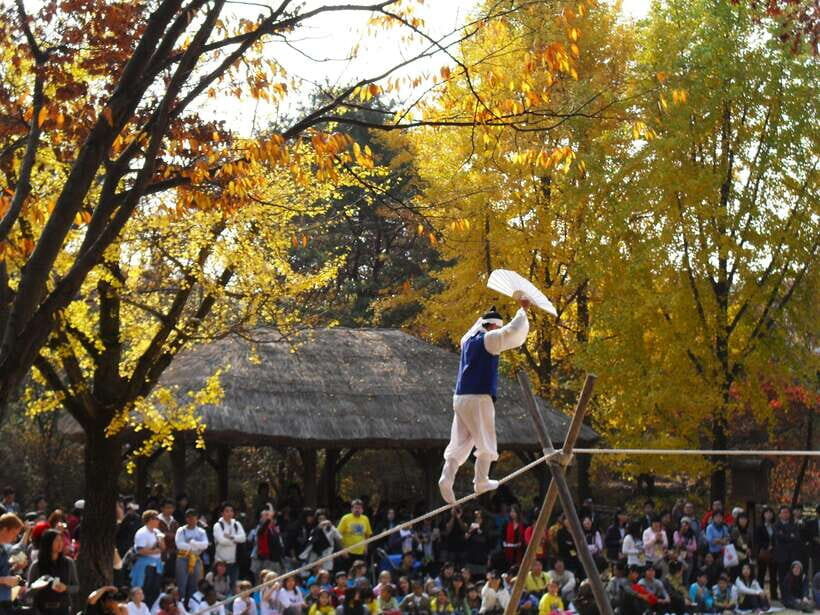
The full-day options add a second big cultural stop. You’ll either go to Korean Folk Village in Yongin or to Dae Jang Geum Park, the filming location linked to K-dramas and films.



Korean Folk Village: hands-on culture, staged traditions, and seasonal shows
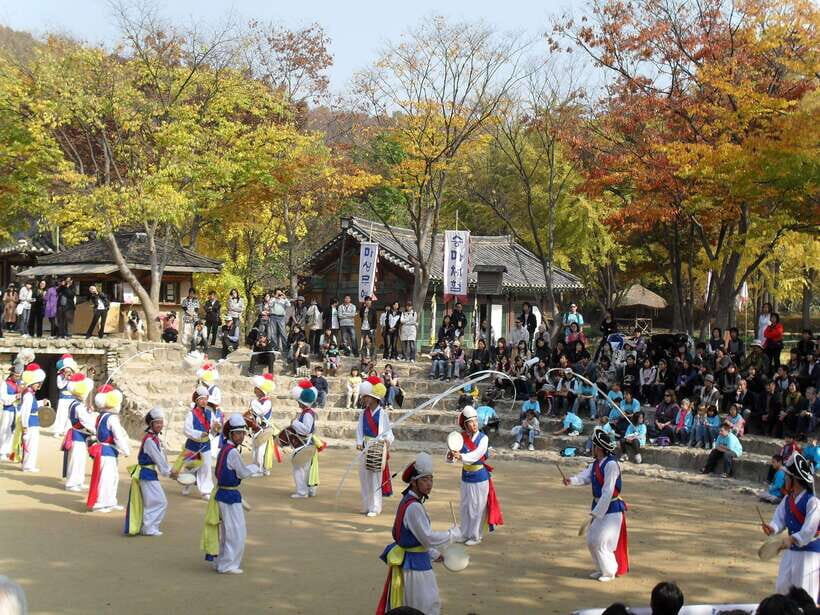
Korean Folk Village is described as the first open-air museum of Korean folk culture, focused on traditions from the late Joseon period. What I like about this choice is that it isn’t only visual. You get cultural classes and experiences tied to themes like shaman faith, seasonal customs, and everyday-era traditions.
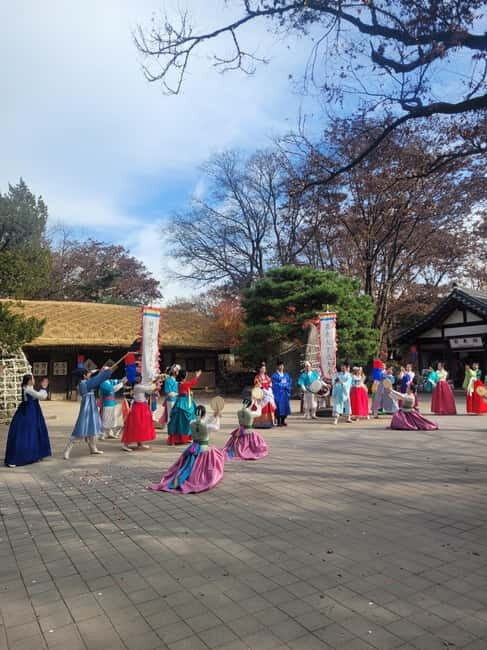
This is also where seasonal performances can add real momentum. Depending on what’s running that day, you may see things like nongak (farmer’s music), martial arts on horseback, and a traditional wedding ceremony. Because these are scheduled events, they can make your day feel more alive than a purely static museum.
A practical note: open-air places can be weather-dependent. Bring a layer and plan to move. You’ll get more out of the Folk Village if you treat it like a cultural program rather than just a place to browse photos.
Dae Jang Geum Park: for K-drama fans who want real locations
If your interest leans toward Korean pop culture, Dae Jang Geum Park is the easier sell. It’s specifically noted for being a place where K-dramas and films were filmed.
The trade-off is that the strength here is “location and set atmosphere,” not a long list of explicitly described folk activities (at least in the tour info you’re working with). If you want Joseon-life culture with performances and demonstrations, Korean Folk Village is the better match. If you want filming-location context, Dae Jang Geum Park is the one.
Timing, lunch, and how to avoid a rushed-feeling day
This tour comes in multiple durations—listed as 4 to 8 hours depending on the option you pick. That range is important. The half-day version can feel efficient, but it also compresses the experience to Suwon plus the palace stop. The full-day version gives you time to slow down at the second attraction.
For full-day tours, lunch time is included in the schedule, but lunch itself is your own expense. That’s common on day trips, but it’s still worth planning. If you have dietary needs, decide ahead of time how you’ll handle lunch on the ground.
Photo-wise, you’ll naturally want pictures of fortress walls and palace architecture. The good news is that the route is designed around the key sights, so you aren’t constantly searching for where to stand. You do need to be comfortable stopping and starting, because guided tours work best when you accept the pace rather than fight it.
The value of the guide: names like Leo, Shin, and Christy keep showing up
The biggest “quality variable” on any day trip is the guide. Here, the tour explicitly includes a live guide in English or Japanese, and the guide experience is consistently described as a highlight.
In particular, names like Leo, Shin, Jacky, Xander, Orotta (Orota), Il yeong, and Christy come up in the guide stories linked to this tour. A common thread is that guides help you connect the sites to history, answer questions, and keep the group moving smoothly.
You can also benefit from a more practical approach: ask the guide what to look for before you start climbing into the next area. On fortress walls and palace grounds, the “what am I seeing” questions are the ones that make the day click.
If you’re traveling with kids or you just want things explained in plain language, this kind of guide-led pacing is a big plus. One of the best moments is when the guide gives enough background that your questions stop feeling awkward and start feeling useful.
Transportation and group feel: AC rides help, but the walking is real
Transportation is provided by an air-conditioned bus or minivan, which is a good fit for getting out of Seoul without cooking yourself in the process. The ride also helps if you don’t want to do the Suwon logistics on your own.
Group size is described as small in some cases. Small groups tend to mean less waiting and more flexibility for questions. If you’re the type who likes to take your time at one viewpoint, that smaller-group dynamic can make a difference.
Still, the walking stays part of the deal. Fortress routes and palace grounds are outdoors. This tour specifically isn’t listed as suitable for wheelchair users.
Price and value: what $52 buys you in real terms
At $52 per person, you’re paying for three things: guided entrance, the guide itself, and included transportation between Seoul and the sites. Admission fees and the guided portion are included, so you’re not piecing together separate tickets and directions.
The key value question is: which option are you booking?
- Half-day gives you a focused look at Hwaseong Fortress plus Hwaseong Haenggung.
- Full-day adds either Korean Folk Village (with cultural experiences and seasonal performances) or Dae Jang Geum Park (filming-location atmosphere).
If you’re trying to stretch your limited time in Korea and you like guided explanations, $52 can be a fair trade for a low-stress day. If you’re expecting a long, all-day cultural program for that price, the half-day version may feel too tight.
Either way, this is one of those day trips where your best “value move” is choosing the full-day option when your schedule allows.
Who should book this tour (and who might skip it)
This tour is a strong match if you want:
- a guided visit to UNESCO Hwaseong Fortress without figuring out the logistics yourself
- the extra context of Hwaseong Haenggung tied to Joseon travel and defense
- a cultural follow-up in Yongin (Folk Village) or a K-drama filming-stop option (Dae Jang Geum Park)
You might prefer something else if:
- you hate walking and want a mostly indoor schedule
- you only want palace interiors and fewer outdoor sections
- you’re very price-sensitive and only doing the short option
If you’re traveling solo, this can be a comfortable way to add a structured day outside Seoul. If you’re traveling as a couple, it’s also good because the pace tends to be guided and predictable, and you still end the day near Myeongdong for dinner plans.
Should you book the Suwon Hwaseong Fortress tour from Seoul?
Yes, if you want a well-structured day with a guide who can turn stone walls and palace architecture into a story. It’s especially worth booking the full-day option if you’re the kind of person who likes performances, cultural experiences, or K-drama filming locations.
I’d book it even more confidently if your travel style is: show up, follow the guide, ask questions, and let someone else handle timing between stops. If that’s not your style, then do consider whether you want more independence and less structure.
Bottom line: Suwon Hwaseong is a real Seoul-area standout, and this tour packages it in a way that’s easy to enjoy—even if you’re not sure what you’ll learn until you get there.
FAQ
How long is the Suwon Hwaseong Fortress tour from Seoul?
The duration is listed as 4 to 8 hours, depending on which option and starting time you select. Check availability to see the specific start times for your date.
What’s included in the tour price?
Admission fees, a live guide, transportation by air-conditioned bus or minivan, and the extra full-day visit (Korean Folk Village or Dae Jang Geum Park) are included. The tour also includes a drop-off in Seoul’s Myeongdong area.
Is lunch included?
For the full-day tour, lunch time is given, but food and drinks are not included. You’ll pay for your own lunch.
Where do I meet the guide in Seoul?
You meet the guide in front of the front desk of Sejong Hotel. Your tour starts from there.
Is hotel pickup available?
Pickup is optional and offered from centrally located hotels in Seoul, including areas such as Gangnam, Myeongdong, Gwanghwamun, Itaewon, and Dongdaemun. If your hotel is difficult to access, the guide meets you at the nearest central hotel or nearest subway station.
Is the tour wheelchair accessible?
No. The tour is not suitable for wheelchair users based on the activity information provided.