REVIEW · SEOUL
DIY Seoul Private Tour: Select 4 places you want to go
Book on Viator →Operated by PLK TRAVEL · Bookable on Viator
Four Seoul stops, zero wasted time. This DIY-style private tour gives you a day in control: you choose where you go, and a private driver cum guide helps connect the dots so your limited time doesn’t get chewed up on logistics. It’s built around a comfortable air-conditioned vehicle and a flexible plan that can match your pace.
What I like most is the freedom to build your own mix, from palace visits to hanok streets to markets and museums. I also like the human factor in the experience: guides such as Joseph Hwang, John, and Sebastian stand out for clear English and real give-and-take, including small itinerary tweaks on the fly.
One thing to keep in mind: you only have 8 to 9 hours, and lunch isn’t included, so you’ll want to plan a simple food break strategy before the day starts.
In This Review
- Key highlights worth planning around
- A DIY Seoul Private Tour That Feels Personal
- How to Pick Your 4 Stops Like a Local Planner
- Itaewon’s Gyeongnidan-gil and Garosu-gil’s Artists’ Street
- Gyeongbokgung Palace and the Joseon Royal Core
- Changdeokgung and Changgyeonggung: When Palaces Feel More Like Stories
- Hanok Villages and Old-Street Seoul: Bukchon, Ikseon-dong, Insadong
- DDP, COEX, The Hyundai, and Myeongdong: Seoul’s Modern Trade Routes
- Parks and Streams: Yeouido, Seoul Forest, the Botanical Garden, and Cheonggyecheon
- Museums, Temples, and Monumental Korea: War Memorial, SeMA, Jogyesa, Bongeunsa
- Market Stops for Food You Can Actually Taste: Gwangjang and Mangwon
- Price and Value: Why $183 Can Make Sense
- Practical Tips That Make the Day Feel Effortless
- Who This Tour Fits Best (and Who Should Rethink It)
- Should You Book This DIY Seoul Private Tour?
- FAQ
- How many places can I choose in this private Seoul tour?
- How long is the tour?
- Is pickup offered?
- Are admissions included?
- Is lunch included?
- What’s included in the cost besides transportation?
- What if the weather is bad?
- What is the cancellation window?
Key highlights worth planning around
- Choose four stops: you control the vibe, not a fixed bus schedule
- Private air-conditioned transport: less friction between neighborhoods
- Driver cum tour guide: you get help timing, directions, and context
- Palace and garden admissions can be included: value if you pick the major sites
- Real flexibility in the day: guides adjust when you want more time in one area
- A mix of classic and modern Seoul options: from Joseon palaces to COEX and DDP
A DIY Seoul Private Tour That Feels Personal
This is not a “sit and listen” tour. You pick four destinations you actually want, and the guide builds the route around them, using a private, air-conditioned car for the between-stop travel. The format is ideal if you want structure without giving up control.
The practical win is time. Seoul is huge, and a self-guided day can turn into constant map-checking, transit decisions, and missed opening hours. Here, you trade some planning stress for a smooth day flow with a driver-guide handling the route and on-the-ground guidance.
You also get a nice balance of old and new Seoul. Your selectable stops include classic Joseon-era sights like Gyeongbokgung Palace and Changdeokgung Palace, plus modern landmarks such as Dongdaemun Design Plaza (DDP) and shopping hubs like Myeongdong and Starfield COEX.
You can also read our reviews of more private tours in Seoul
How to Pick Your 4 Stops Like a Local Planner
The best way to choose is to group your interests so you don’t bounce around just to check boxes. Here are a few simple combo strategies that work well with a limited 8-9 hour window.
- If you want history plus photos: pair a palace (or two) with Bukchon Hanok Village and Insadong.
- If you want “Seoul now”: do Itaewon (Gyeongnidan-gil) + Garosu-gil + a shopping block like Myeongdong or COEX.
- If you want calm breaks: add a stream or park like Cheonggyecheon Stream or Seoul Forest, then keep the other stops tight.
- If you want culture without palace crowds: swap in museums or temples such as The War Memorial of Korea, National Museum of Korea, Jogyesa, or Bongeunsa.
- If you want food-forward travel: build around Gwangjang Market or Mangwon Market for street-snack energy.
Think about your walking tolerance too. The palaces and hanok areas can involve uneven ground and lots of stairs, while the markets and shopping districts are more stop-and-go. The tour is private, so your guide can adjust timing, but you still want a realistic plan.
Itaewon’s Gyeongnidan-gil and Garosu-gil’s Artists’ Street
Itaewon is the Seoul “mix” zone. If you choose Itaewon’s Gyeongnidan-gil, you’ll be in an area known for a mix of cultures and international residents, with a street feel that’s relaxed but distinctly cosmopolitan. It’s a good warm-up or wind-down stop because it’s easy to browse at a human pace.
Then there’s Garosu-gil (Sinsadong Garosu-gil), often described as an artists’ street. You get coffee shops and designer-style shopping tucked into an upscale streetscape. If you’re traveling in any season where you enjoy strolling, this is the kind of stop that makes Seoul feel stylish without needing a ticket.
One thing to plan for: both neighborhoods are popular, so photo spots can be crowded at peak hours. That’s exactly where a private guide helps—your driver-guide can steer you toward the easiest routes through the area and keep your day from stalling.
Gyeongbokgung Palace and the Joseon Royal Core
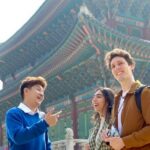
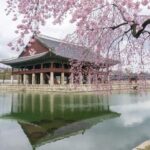
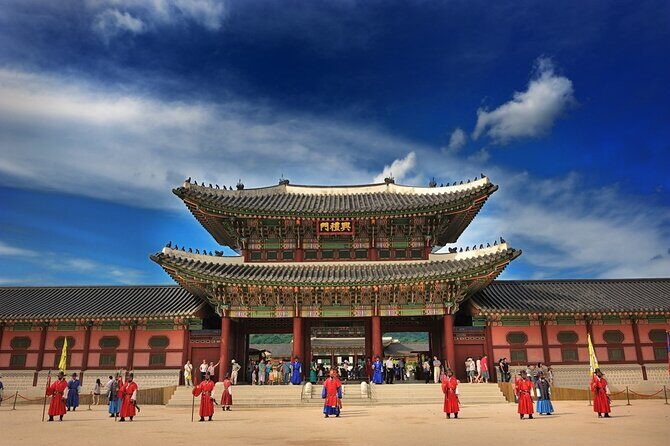
If you pick Gyeongbokgung Palace, you’re choosing the most iconic Joseon royal palace experience in central Seoul. The site is the main palace of the Joseon Dynasty and sits right in the heart of the city, which is a big advantage for first-time visitors.
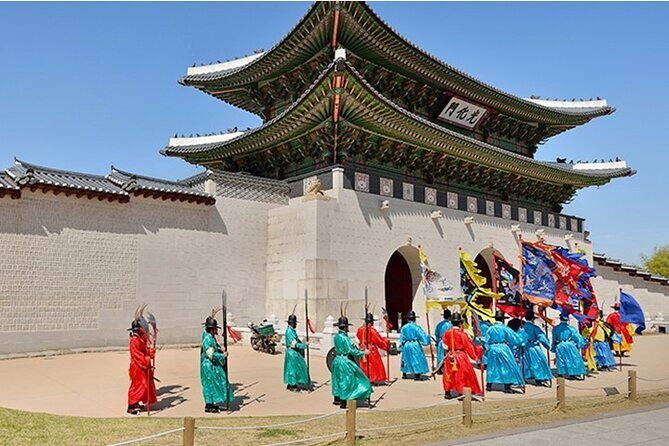
I like this stop because it gives you instant historical context. A guide can point out the palace significance and help you understand the layout instead of just wandering. One more practical benefit: some guides help time your visit so you can catch the changing of the guard moment when it’s running and you have the best odds for viewing.
Admissions are included for this stop, so you’re not paying extra on the day just to see the headline site. Just remember: palaces work best when you give them real time, so if you also want hanok villages afterward, don’t overload your schedule with too many distant stops.
Changdeokgung and Changgyeonggung: When Palaces Feel More Like Stories
Changdeokgung Palace is the palace many people end up loving more than they expected. It’s recognized as a UNESCO World Cultural Heritage site (since December 1997), and it tends to feel slightly more intimate than your first big-palace impressions.
Then there’s Changgyeonggung Palace, the quieter choice that still carries serious history. It originally started as Suganggung Palace for King Sejong’s retiring father during the Joseon Dynasty era, and it’s a strong option if you want more royal atmosphere without only chasing the biggest “headline” site.
Here’s the value angle: when you select two palaces plus nearby old-town areas, your day starts making sense geographically. Your guide can link them into a smooth route so you don’t lose time crossing back and forth across Seoul.

Hanok Villages and Old-Street Seoul: Bukchon, Ikseon-dong, Insadong
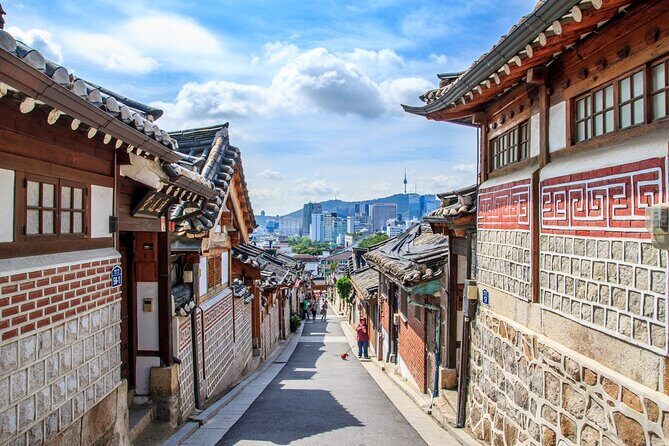
If you want that classic Seoul texture, pick Bukchon Hanok Village. It’s surrounded by major palace and heritage landmarks, and it’s known for hundreds of traditional houses called hanok. This stop is great for photos, but it’s also a chance to understand how the old city sat around royal sites.
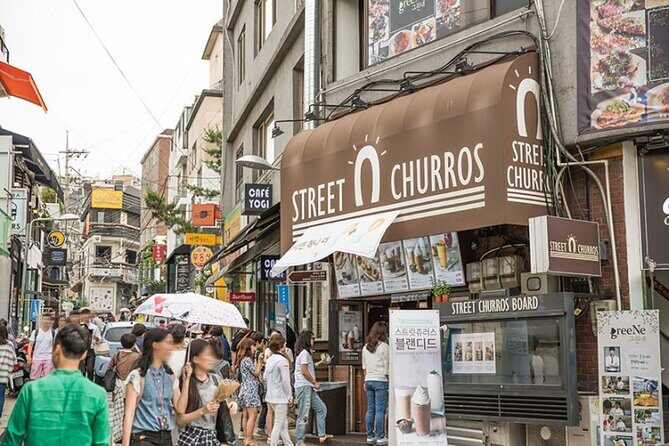
Then consider Ikseon-dong Hanok Street, a more modern-feeling side of hanok life. It’s often described as trendy and hip, with narrow alleyways that mix traditional forms with newer shops and cafés. It’s a strong choice if you want old architecture but you still want Seoul’s current street energy.
If you choose Insadong, you get galleries, teahouses, and cafés in twisting alleys. It’s a good place to slow down and browse without a strict agenda, especially if you’re picking souvenirs that feel more local than mass-market.
Practical note: these areas are often walk-heavy, so wear comfortable shoes and plan for short breaks. The guide can also nudge you toward easier-to-walk routes so you’re not constantly backtracking through crowded lanes.
DDP, COEX, The Hyundai, and Myeongdong: Seoul’s Modern Trade Routes
For a sharp contrast, Dongdaemun Design Plaza (DDP) is a standout modern stop. It’s a complex used for exhibitions, forums, and events, and the building sections include Allimteo, Beaumteo, and Sallimteo. If you like modern architecture or you want a break from palace walls, DDP delivers.
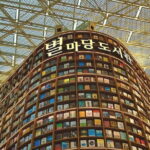
Next to DDP in the broader Seoul-center orbit is Starfield COEX Mall, a place that mixes shopping with entertainment and food. The Starfield Library is part of the draw, which makes it feel more like a destination than just another mall stop.
If you choose The Hyundai Seoul, you’re stepping into a luxury, brand-forward shopping experience. It opened in Yeouido on February 26, and you’ll find an Exclusive Label section plus Creative Ground on B2. This is a good stop for window shopping and browsing if that’s your travel style.
Then there’s Myeongdong, the classic shopping street you’ll see on nearly every Seoul plan. It’s known for brand-name shops and department stores with clothes, shoes, and accessories, and it’s often the easiest choice if you want convenience and lots of variety.
The tradeoff with shopping districts is time drift. Your guide can keep you moving toward what matters most, but you’ll still want to decide in advance what you’re actually shopping for. If not, you can lose an hour faster than you think.
Parks and Streams: Yeouido, Seoul Forest, the Botanical Garden, and Cheonggyecheon
If your feet are tired, pick nature breaks. Yeouido Hangang Park is a frequent pick near the Han River. It’s located in the Yeouido area, which is tied to politics, media, banking, and finance, and it also hosts events like the Yeouido Cherry Blossom season.
If you want a more local-feeling stroll, try Seoul Forest, opened in 2005. It sits between Jungnangcheon Stream and Hangang River and is divided into four parts, including a Culture & Art Park and an Educational area. It’s a good “reset” stop between denser city areas.
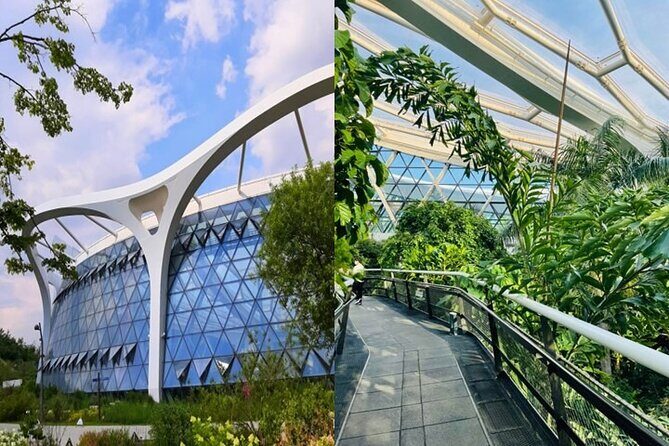
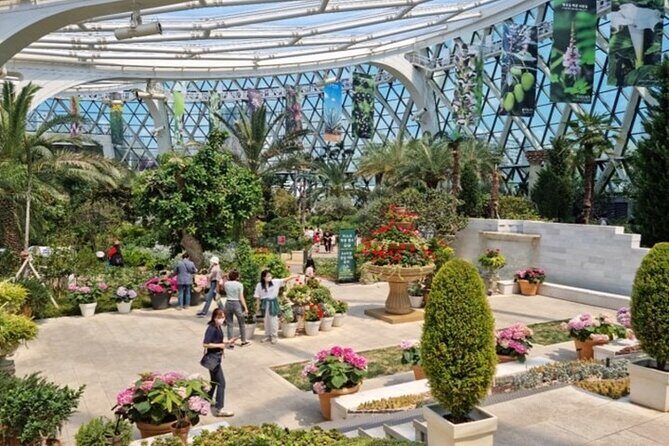
For something more structured, choose Seoul Botanical Garden. You get outdoor theme gardens showing a Korean-traditional style approach with native plants, plus a greenhouse featuring plants from 12 tropical and Mediterranean cities. If you’re traveling in hot or cold weather, a greenhouse element can make this feel more comfortable than outdoor-only parks.
Finally, Cheonggyecheon Stream is a classic urban walk. It’s an 11 km-long stream in downtown Seoul created from a restoration urban renewal project of a stream that used to run there. This stop is excellent when you want fresh air and a city-slowdown without leaving the center.
Museums, Temples, and Monumental Korea: War Memorial, SeMA, Jogyesa, Bongeunsa
For history with emotional weight, The War Memorial of Korea is a strong choice. It was established in 1994 and houses approximately 33,000 artifacts. It’s ideal if you want a structured museum block that gives you a clearer view of Korea’s modern era.
If you want art and exhibitions, Seoul Museum of Art (SeMA) is an easy pick. It’s a three-story building with six exhibition halls and other public resources like a library and lecture space.
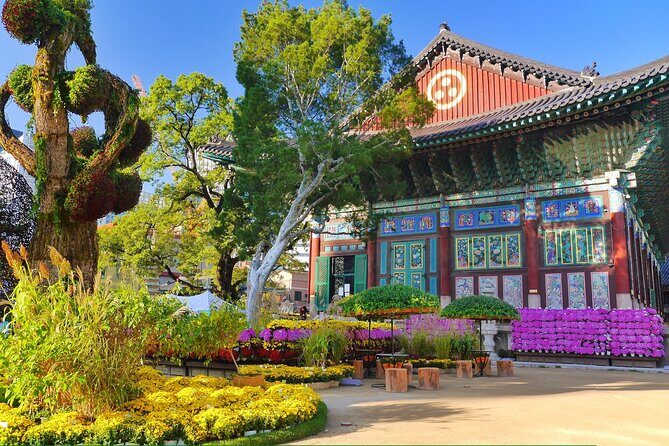
If you prefer spiritual and quieter atmosphere, choose a temple. Jogyesa Temple is the head temple of the Jogye order and traces its origins to the late 14th century, with a history that includes destruction and later rebuilding after a fire. Bongeunsa Temple is associated with the Silla period, with construction tied to King Weongseong’s reign in the 700s (794), plus later refurbishment in 1498 under Queen Jeonghyeon.
Temples often work well in a four-stop day because they add a calm pause between shopping or palace-heavy time. You’ll also get better value if you ask your guide what to look for instead of treating it as just a quick photo stop.
Market Stops for Food You Can Actually Taste: Gwangjang and Mangwon
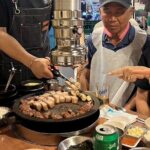
For lunch or snacks that feel distinctly Seoul, pick a market. Gwangjang Market is Korea’s first permanent market and is still active today, with a history of more than 100 years. It’s a great place to try multiple small bites without committing to one heavy meal.
Mangwon Market is known as a beloved traditional market by younger locals, with delicious food alleys and an energetic street vibe. This is a good choice if you want food that feels current rather than only tourist-trendy.
A private guide can help here because they can steer you toward the kinds of foods you want and keep you from wandering into dead ends when you’re hungry. If you have any dietary limits, this is also the time to mention them so the day stays comfortable.
Price and Value: Why $183 Can Make Sense
At $183 per person for an 8 to 9 hour private day, the value comes from three things you’re paying for: private transport, a driver-guide, and selected admissions. You’re also choosing only four stops, so each one gets attention instead of being rushed between far-apart locations.
Admissions are included for certain stops, including major palaces like Gyeongbokgung and Changdeokgung, plus Changgyeonggung and Seoul Botanical Garden. If your four picks include these ticketed sites, the day naturally becomes more cost-effective than paying entry fees separately.
The main cost to watch is that lunch isn’t included. The good news is that many guides will help you find a local spot that fits your preferences, and some guides have even helped guests with lunch timing so the day stays on track.
Practical Tips That Make the Day Feel Effortless
Ask your guide how to time the palace moments. If changing events run during your window, your guide can help you plan your arrival so you don’t end up standing in the wrong place at the wrong moment.
If you want extra experiences tied to palaces, ask ahead. One guide style that stands out in real use is assisting with details like renting hanbok before entering Gyeongbokgung, which can make the palace visit feel more special.
Also, don’t ignore the “first day” advantage. Some guides have supported first-timers with small needs like currency exchange and even how to order and pick up food in a busy mall setting such as COEX. You don’t have to be helpless on day one; you just need someone to point you the right way.
Who This Tour Fits Best (and Who Should Rethink It)
This tour fits best if you want a private day, you hate big-group pacing, and you want to tailor the mix of Seoul history, shopping, food, and scenery. It’s also a smart choice if you’re traveling with a parent or family member who benefits from fewer transit decisions and smoother scheduling.
It may not fit if you want a very long list of sites with minimal walking. With only four stops in 8 to 9 hours, you’ll get the most from this format by choosing a few that truly match your interests, then letting your guide manage the rest.
Should You Book This DIY Seoul Private Tour?
Book it if your ideal Seoul day looks like a blend: one or two major heritage stops, plus a neighborhood you can wander, plus a food or market moment. The private vehicle and guide role make it far easier to stitch together districts without stress.
Skip it if you already enjoy planning every transit step yourself and you don’t care about having a guide to help with timing and context. In that case, a fully self-guided approach could be cheaper and still satisfying.
Given the very high rating and the repeated focus on flexibility and clear English from guides like Joseph Hwang, John, and Sebastian, this is the kind of tour that tends to pay off when you care about getting your day right.
FAQ
How many places can I choose in this private Seoul tour?
You can select four destinations or points of interest for the day.
How long is the tour?
The duration is about 8 to 9 hours.
Is pickup offered?
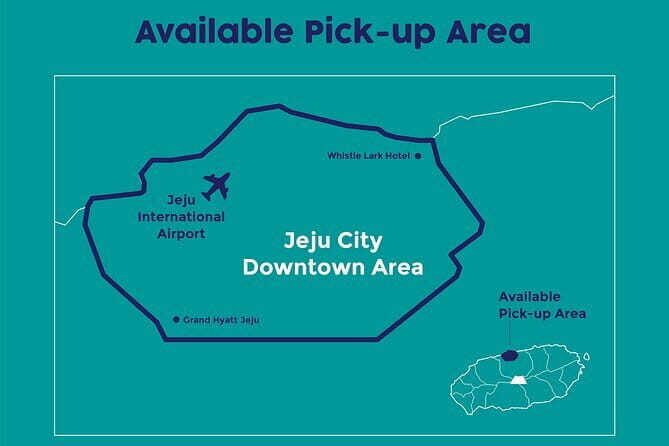
Yes, pickup is offered.
Are admissions included?
Admission tickets are included for stops marked as included in the itinerary, such as Gyeongbokgung Palace, Changdeokgung Palace, Changgyeonggung Palace, and Seoul Botanical Garden.
Is lunch included?
No, lunch is not included.
What’s included in the cost besides transportation?
The package includes private transportation, a driving tour guide, and the admission tickets as designated for the stops you choose.
What if the weather is bad?
This experience requires good weather. If it’s canceled due to poor weather, you’ll be offered a different date or a full refund.
What is the cancellation window?
You can cancel for a full refund if you cancel up to 24 hours in advance of the experience’s start time.