REVIEW · JEJU ISLAND
Jeju Eastern Must visit Unesco Bus Tour
Book on Viator →Operated by 러브코리아(LOVE KOREA) · Bookable on Viator
Tuff cones, divers, and botanical caves in one day. This Eastern Jeju loop is built around some of the island’s most important natural and cultural stops, with a licensed guide and a comfortable ride to connect them. I especially like that the day handles the big ticket items up front, with admission fees included so you can focus on seeing things instead of adding tickets all day.
My other favorite part is the human side of Jeju culture. You get a clear, guided thread through the story of the haenyeo divers, the volcanic origin of Seongsan Ilchulbong, and the everyday traditions preserved at Seongeup Folk Village. One drawback to plan around: when weather turns, outdoor views and even some cave access can change, so keep your schedule flexible in spirit.
In This Review
- Key highlights you’ll actually feel in the day
- Eastern Jeju, the practical way: UNESCO sights plus culture
- Hamdeok Beach and Seoubong Volcanic Cone: start with real coastal drama
- Haenyeo Museum: the calm indoor pause that explains Jeju’s diving tradition
- Seongsan Ilchulbong tuff cone: 5000-year geology with crater-scale drama
- Ilchul Land and Micheon Cave: plants above, lava tube stories below
- Seongeup Folk Village: Jeju daily life, old houses, and local traditions
- How the day flows: timing, pacing, and what to expect on a bus tour
- Price and value: why $61.88 can feel fair on Jeju
- Weather, closures, and your best backup plan
- Who this tour suits best (and who should pass)
- Guides and service: small group energy, clear English, real care
- Should you book this Jeju Eastern UNESCO bus tour?
- FAQ
- FAQ
- What is the duration of the Jeju Eastern UNESCO bus tour?
- What time does the tour start?
- How much does the tour cost?
- Is lunch included?
- Are entrance fees included in the price?
- Do I get a mobile ticket?
- How many people are in the maximum group?
- Do I need good physical condition?
- What should I do about weather?
- Can I cancel and get a full refund?
- Does the tour end at the same place it starts?
Key highlights you’ll actually feel in the day
- UNESCO stops that make sense together: Seongsan Ilchulbong plus the UNESCO-listed haenyeo culture, connected by a guided story.
- A full east-side circuit in about 9 hours: enough time for major sights without spending your whole day commuting.
- Hamdeok Seoubong Beach scenery, done right: emerald water, palms, and a volcanic cone backdrop with time to enjoy the coast.
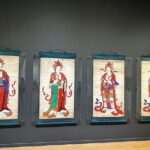
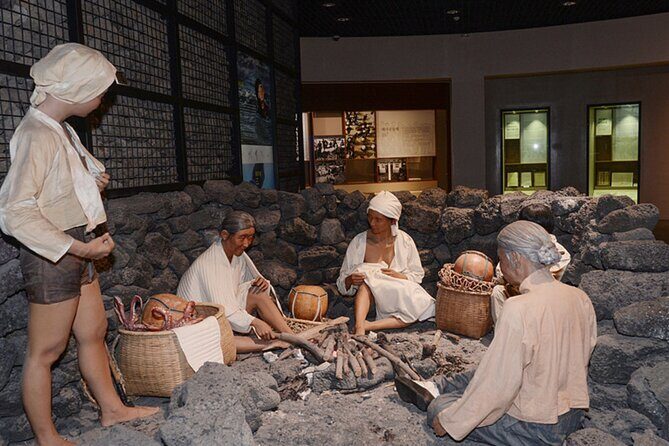
- Haenyeo Museum is more than a photo stop: exhibits include pieces donated by haenyeo themselves, plus a replica haenyeo house.
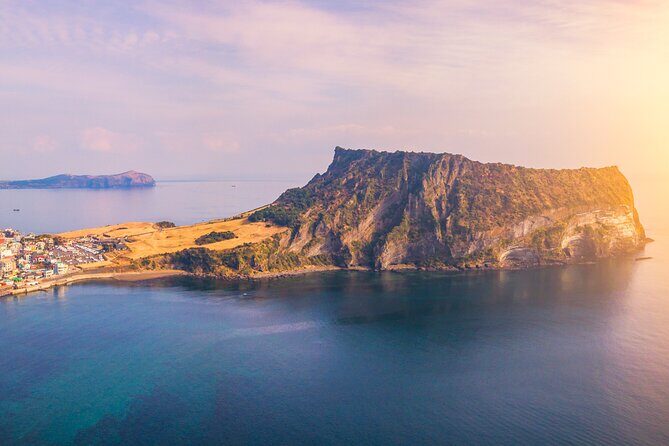
- Seongsan Ilchulbong crater views are the main event: about a 180-meter tuff cone with a large crater and chances to look toward Udo Island.
- A practical, comfortable ride: air-conditioned vehicle, parking fees covered, and the day kept moving.
Eastern Jeju, the practical way: UNESCO sights plus culture
This tour works because it strings together themes instead of just listing landmarks. You start with an iconic beach, move into a dedicated museum for Jeju’s haenyeo tradition (a UNESCO intangible cultural heritage), then hit a UNESCO world heritage site rooted in geology, and finish with preserved domestic life at Seongeup Folk Village.
That structure matters on Jeju, where you can waste time bouncing between distant corners. Here, you’re in an air-conditioned vehicle with the entrance fees already handled, so you get a smoother day and fewer little hassles.
You’ll also enjoy that the time at each stop is long enough to do more than a quick look. Most stops run around 1.5 to 2 hours, which gives you breathing room for viewpoints, walking paths, and museum browsing.
You can also read our reviews of more tours and experiences in Jeju Island.


Hamdeok Beach and Seoubong Volcanic Cone: start with real coastal drama
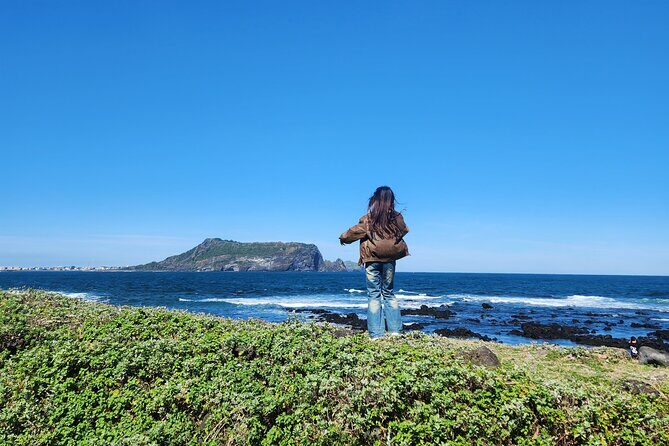
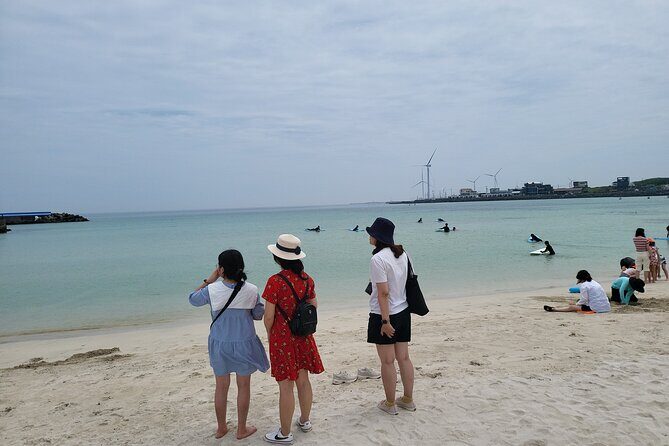
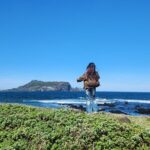
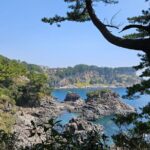
The day begins at Hamdeok Beach, also known as Hamdeok Seoubong Beach because of the nearby Seoubong volcanic cone. If you like coast scenes with a mix of water and geology, this is a strong opener: emerald-blue water, tall palm trees, and a clean sandy shore.
This beach is also tied to Jeju Olle Trail Course 19, so you’re not just sitting in one spot. There’s a coastal walking trail, plus grassy space that works well if you want to pause and take in the view for a few minutes.
A few details make this stop extra satisfying:
- There’s a bridge built over the water on the western end, which can be a great angle for photos.
- In summer evenings, people come to enjoy the night sea, which hints at why the beach feels special beyond daytime sightseeing.
- The volcanic cone scenery can look especially good in spring when it’s covered with vegetation.
Timing is generous here (about 1 hour 30 minutes). Just don’t expect a long beach day; it’s a scenic start, then the tour moves on.
Haenyeo Museum: the calm indoor pause that explains Jeju’s diving tradition
After the beach, you shift gears to the Haenyeo Museum. This is where the tour earns its cultural credibility. The haenyeo are Jeju’s female divers, and their diving tradition is recognized as a UNESCO intangible cultural heritage of humanity.
What I like about this stop is that it’s not only about the diving itself. The museum traces the haenyeo culture from ancient times, and the exhibits are donated by haenyeo themselves. That gives the displays a personal weight you won’t get from generic souvenirs.
You can also expect a practical breakdown of how the haenyeo lived and worked, including:
- food culture
- upbringing
- semi-agricultural and semi-fishing life
- yeongdeunggut (a related tradition)
There’s even a replica of a haenyeo house, which helps you picture daily domestic life alongside the work that brought them fame.
The museum stop runs about 1 hour 30 minutes. It’s a good moment to cool down, regroup, and get context before you head to more outdoor geology and viewpoints.
Seongsan Ilchulbong tuff cone: 5000-year geology with crater-scale drama
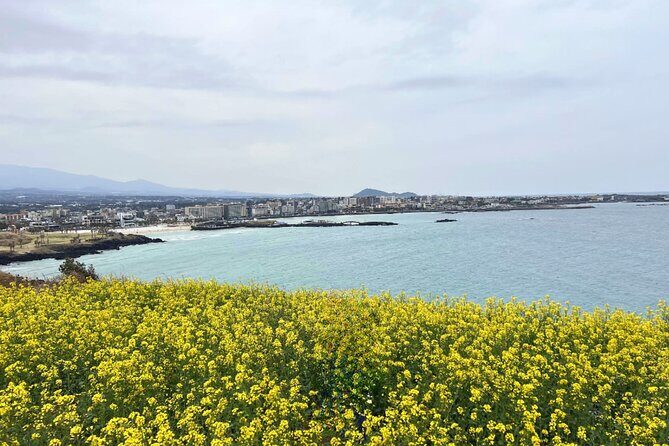
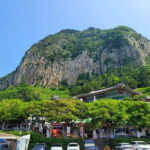
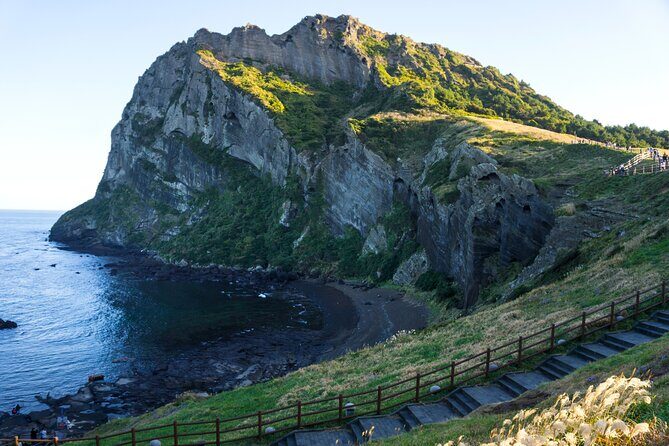
Seongsan Ilchulbong is one of Jeju’s best-known shapes for a reason. This UNESCO world heritage site is a tuff cone that rises around 180 meters above sea level, formed by magma flowing under the sea about 5,000 years ago.
It gets even more interesting when you understand the crater. At the top is a large crater roughly 600 meters across and about 90 meters deep. The story behind it is classic Jeju volcano logic: hot lava mixed with cold ocean water, creating the cone’s distinctive form.
A few practical notes for your visit:
- The summit experience is the highlight, with views toward Udo Island on a clear day.
- The crater area was once used for agriculture, but today it’s given over to a silver grass field.
- It’s been featured in films, so you may recognize the form even if you’ve never visited.
This stop takes about 2 hours. That’s enough time to walk to viewpoints without feeling rushed, and still have time to slow down and notice how the slopes and crater walls change with your position.
Ilchul Land and Micheon Cave: plants above, lava tube stories below
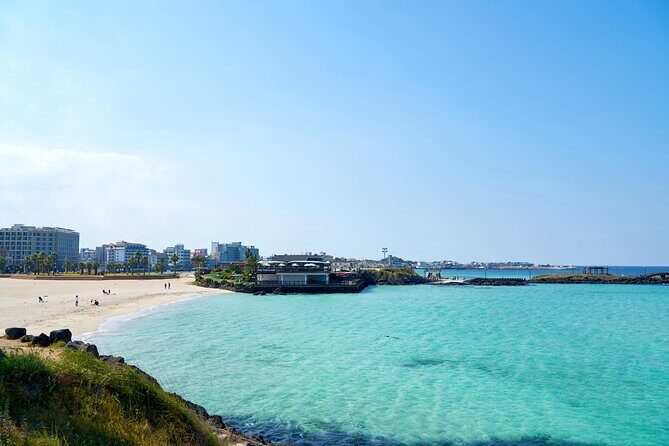
Next comes Ilchul Land, a botanical garden with an academic and touristic feel, built around Jeju’s underground resource: the Micheon Cave system (a lava tube system). It’s described as contemplative and abstract, which basically means it’s designed for wandering and thinking, not just ticking boxes.
The attraction is tied to the underground geology, so even though it’s a botanical garden, the real point is how the surface connects to the cave system. The tour frames this as both natural and cultural heritage, which helps you see the garden as more than decoration.
This stop also runs about 2 hours. If you enjoy gardens, you’ll appreciate the pacing. If you’re more into geology, focus on how the setting highlights the cave system’s preserved “mysterious charm.”
One important reality check: weather can affect what’s accessible. In at least one experience, cave access was closed due to poor weather, but the day still worked out thanks to the other stops. Still, bring a flexible mindset for any underground or outdoor components.

Seongeup Folk Village: Jeju daily life, old houses, and local traditions
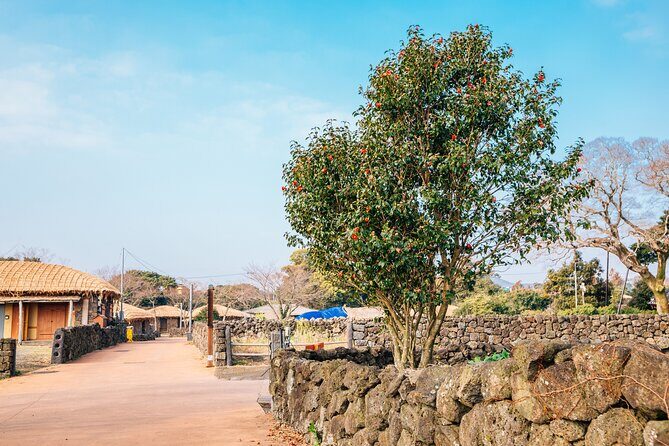
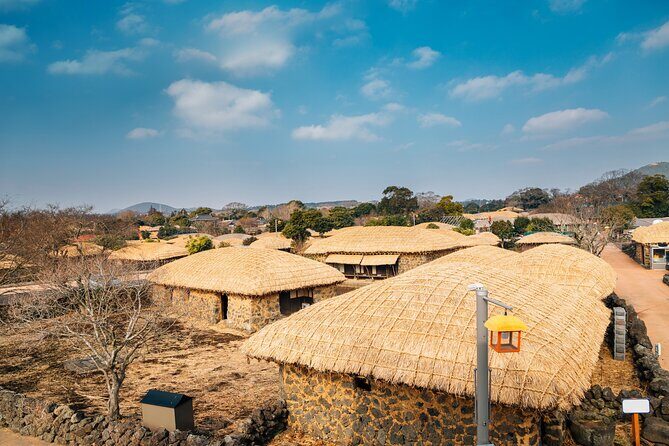
You finish at Seongeup Folk Village, protected as a folk village that preserves the character of Jeju’s old private houses. This is where the tour switches from geology to people and routines.
You’ll see tangible and intangible heritage together:
- folk songs and games
- local foods and craftmanship
- Jeju dialect
There are also opportunities tied to traditional culture and traditional house experiences, plus cultural events that run every October and November. Even if you’re not there during those months, the preserved houses and community feel make it a strong endpoint.
Plan on about 2 hours here. It’s long enough to walk around and understand what life might have looked like before modern Jeju convenience took over.
The good part: you don’t just get a display. You get a sense of how language, craft, and everyday habits stayed connected.
How the day flows: timing, pacing, and what to expect on a bus tour
This is a 9-hour guided experience that starts at 9:00 am. It typically ends in a different location than where you started, so it’s worth checking the exact end point so you’re not stuck guessing where to go next.
Group size is capped at a maximum of 99 travelers. In practice, that usually means you’ll be part of a larger group, but you’ll still be guided and kept on schedule.
The tour includes an air-conditioned vehicle and parking fees, plus all entrance fees. That combination matters when you’re trying to avoid decision fatigue. You don’t have to figure out which tickets to buy first, or where the cash desks are, or how long check-in might take.
One more practical point: the tour says you should have moderate physical fitness. That fits the mix of walking on beaches, getting around museum spaces, climbing to viewpoints at Seongsan, and walking through a folk village setting.
My packing advice is simple:
- comfortable walking shoes (Jeju paths can be uneven)
- a light layer for breezy coast or crater areas
- water and a snack plan since lunch is not included
Price and value: why $61.88 can feel fair on Jeju
At $61.88 per person, this tour isn’t trying to sell you “cheap.” It’s pricing itself as a structured day that covers the annoying parts of sightseeing: entrance fees, parking, and transport.
That’s where the value comes in. A lot of Jeju day trips start out looking affordable, then quietly pile on extra costs. Here, admission fees and parking are included, which helps the math stay predictable.
Also, the comfort factor is real. The air-conditioned vehicle gives you a break between stops, and the tour handles the transportation between widely separated points on Eastern Jeju.
What you should budget separately:
- lunch (and any meals during the day)
- personal travel insurance
If you want one guided day to hit multiple major sights without planning your own route, this price structure works well.
Weather, closures, and your best backup plan
Jeju’s weather can change fast, and this tour explicitly depends on good weather. When conditions are rough, outdoor views may be limited, and some underground options can close.
In at least one real experience, bad weather meant the group couldn’t see the women divers as expected and the lava tube was closed, but the day still stayed enjoyable. That’s your cue to treat the itinerary as a set of core stops plus weather-sensitive moments.
Your best move:
- Bring layers and rain protection.
- Keep your expectations flexible for the most outdoor-dependent parts.
- Know you’ll still have museums and culture stops even if a viewpoint or cave component shifts.
Who this tour suits best (and who should pass)
This tour is a great fit if you:
- want a guided, low-stress way to see Eastern Jeju in one day
- care about the story behind Jeju’s culture, not just the photo angles
- prefer a structured route with admission fees included
- like mix-and-match stops: beach, museum, volcano crater, botanical/cave theme, and a preserved village
You might want to choose something else if you:
- hate walking on uneven outdoor terrain
- need long, unstructured beach time
- want complete control over timing, since this is a scheduled bus day
Guides and service: small group energy, clear English, real care
The tour is led by a licensed guide, and the human factor shows up in the way the day is explained. In past groups, guides like Steven Yamato and Jason were praised for clear, fluent English and a real passion for Jeju’s history and culture.
What that means for you: you’ll get context while you’re standing in front of the scenery, not later from a phone screen. And when something changes due to weather, the ability to keep the day understandable matters more than you’d think.
Should you book this Jeju Eastern UNESCO bus tour?
Book it if you want a well-paced, guided day that hits the main Eastern Jeju themes: coastline beauty, UNESCO-listed haenyeo culture, the UNESCO Seongsan Ilchulbong crater, the Micheon Cave connection at Ilchul Land, and the preserved homes at Seongeup Folk Village.
Skip it or plan alternatives if your trip dates are tightly fixed around very rainy conditions, or if you’re the type who needs total control over the schedule. But if you can roll with the weather and want a practical, value-smart day, this one delivers.
FAQ
FAQ
What is the duration of the Jeju Eastern UNESCO bus tour?
The tour runs for about 9 hours.
What time does the tour start?
It starts at 9:00 am.
How much does the tour cost?
The price is $61.88 per person.
Is lunch included?
No. Lunch (or any meals) is not included.
Are entrance fees included in the price?
Yes. Admission fees are included.
Do I get a mobile ticket?
Yes, the tour uses a mobile ticket.
How many people are in the maximum group?
The tour has a maximum of 99 travelers.
Do I need good physical condition?
You should have a moderate physical fitness level.
What should I do about weather?
The experience requires good weather. If it’s canceled due to poor weather, you’ll be offered a different date or a full refund.
Can I cancel and get a full refund?
Yes. Free cancellation is available up to 24 hours in advance for a full refund.
Does the tour end at the same place it starts?
No, it ends in a different location. You’ll see the details when you confirm.