REVIEW · JEJU ISLAND
East Jeju Essentials – Seongsan Ilchulbong (UNESCO) & Haenyeo
Book on Viator →Operated by Yeha Tour · Bookable on Viator
Lava craters and sea women in one day. This East Jeju highlights tour strings together the UNESCO Seongsan Ilchulbong crater climb, lava formations, folk culture, and coastal views in one long, well-paced day on Jeju’s east side.
I especially like the breathing room built into the plan, with scheduled time at most stops so you can actually look around. And the haenyeo performance has a reliable fallback at the Haenyeo Museum if the show can’t run. The main catch to keep in mind: you start at 9:00 am, so you will not do a true sunrise-style climb.
In This Review
- Key Highlights You’ll Feel Immediately
- East Jeju Essentials: The 9-Hour Loop That Saves You Planning
- Price and Value: Why $56.86 Can Make Sense
- Your Morning Start at Micheon Cave and Ilchulland
- Seongeup Folk Village: Thatched Houses and Still-Lived Traditions
- Gwangchigi Beach: Sea Views That Feed the Camera
- Haenyeo Diving Performance at Umutgae Coast (and the Museum Plan B)
- Seongsan Ilchulbong UNESCO Climb: Steps, Timing, and Big Views
- Hamdeok Beach: Soft Sand and an Easy Breather
- Dongmun Market: Ending the Day with Local Food Energy
- How the Guides Make or Break the Day
- Packing Tips for a Rain-or-Shine East Jeju Day
- Who Should Book This Tour
- Should You Book East Jeju Essentials – Seongsan Ilchulbong & Haenyeo?
- FAQ
- What time does the tour start?
- How long is the tour?
- What is the price per person?
- Are pickup points provided?
- Is the haenyeo diving performance always guaranteed?
- Are entrance fees included?
- How much time do I get at each stop?
- Does the tour include shopping stops?
- What happens if I need to cancel?
- How does the ticket work?
Key Highlights You’ll Feel Immediately
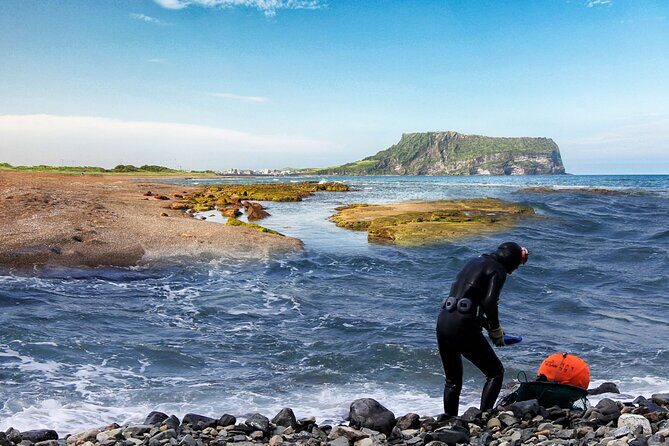
- UNESCO Seongsan Ilchulbong with admission included and real time to enjoy the views
- Haenyeo sea-diver performance (with a Haenyeo Museum backup if weather cancels it)
- Scheduled free time at most stops, not a nonstop bus tour
- Entrance fees included for the paid attractions, which helps the value add up
- Small group cap (max 42) with a licensed guide and an air-conditioned vehicle
- Dongmun Market at the end, a smart way to cap the day with local food energy
East Jeju Essentials: The 9-Hour Loop That Saves You Planning
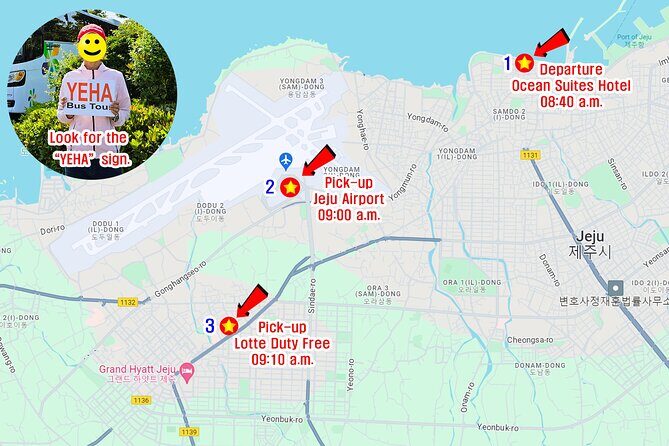
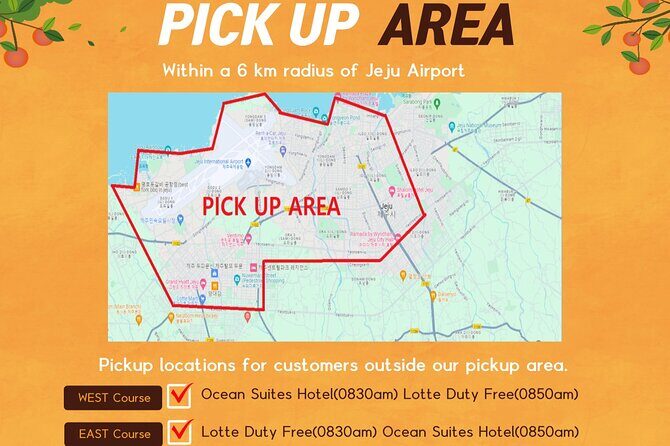
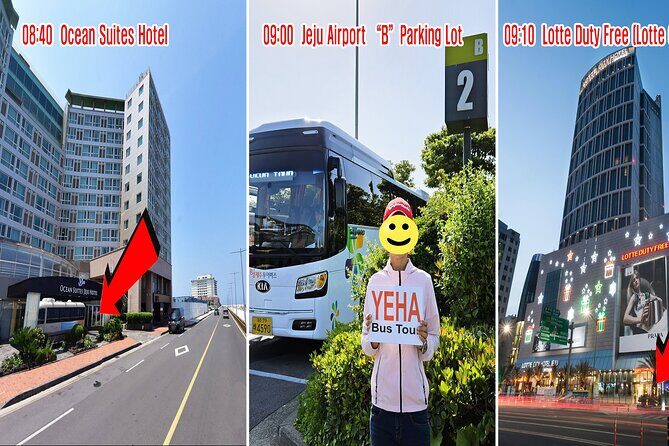
This is the kind of day trip that works because it is built like a route, not a grab-bag of random stops. The tour runs about 9 hours (starting at 9:00 am) and uses three pickup points in Jeju City, so you’re not stuck negotiating rides all morning.
What you get, practically, is a guided tour that still leaves time to move at your own speed. Most stops land in that 40–60 minute range, which matters on Jeju where distances feel bigger than they look on a map. You’re also moving mostly along the east side, where the coastline scenery and geology are the point.
One more plus: departures are guaranteed, so you’re not waiting for the tour to meet minimum numbers. And it operates rain or shine, meaning your day plan is less fragile than it is with self-guided routes.
You can also read our reviews of more tours and experiences in Jeju Island.


Price and Value: Why $56.86 Can Make Sense
At $56.86 per person, the price is low enough to feel like a deal, but you should still look at what is bundled. Here, entrance fees are included (at least for the paid attractions listed), plus you get an air-conditioned vehicle and a licensed guide.
That combo is where the value usually comes from. Hiring a car for a day on Jeju can be expensive once you add gas, parking, and the stress of east-coast driving. Taxis for multiple stops add up fast too. With this setup, you pay one clear total and let someone else handle the logistics.
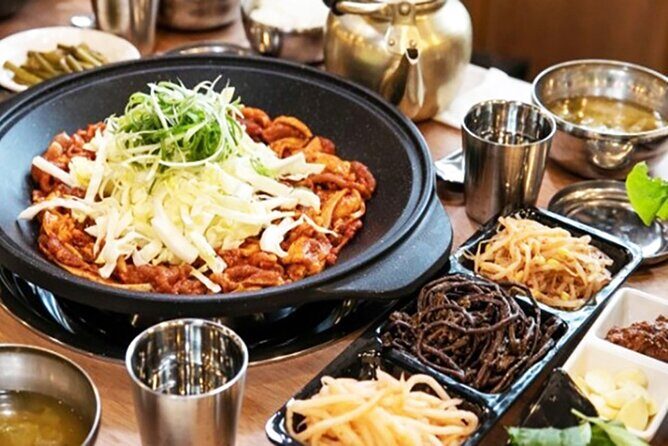
Lunch is not included, but you do have options for black pork BBQ or vegetarian bibimbap for $10 on the day. So you can keep the tour cost controlled, and still eat well without hunting.
Your Morning Start at Micheon Cave and Ilchulland
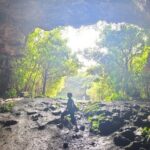
Micheon Cave is the kind of stop that makes Jeju feel like a living geology lesson. It’s formed by lava flows thousands of years ago, and the cave atmosphere is cool and otherworldly compared with the bright east-coast air outside.
You also get Ilchulland, which shifts the mood from underground to gentle walking paths. Expect peaceful routes plus artistic sculptures and themed gardens. It’s a nice reset before the more intense climbs later in the day.
Time check: this stop runs about 50 minutes, with admission included. That is usually enough to see the main cave sections and still take a few photos without feeling rushed. A practical tip: wear shoes you can slip in if the cave floor feels damp. It’s not about drama—just about not turning your morning into a mini accident report.
Seongeup Folk Village: Thatched Houses and Still-Lived Traditions
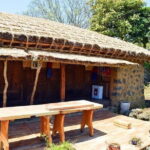
Seongeup Folk Village is a cultural stop that doesn’t feel like a museum set. You’ll walk through traditional thatched houses and volcanic stone walls, and locals still live here, preserving older Jeju customs and day-to-day life.
Time check: about 40 minutes, and admission is free here. This is one of those stops where your guide’s context matters. People often think folk villages are just for photos, but what’s worth your attention is how the village layout, materials, and building style reflect the island’s volcanic environment.
Drawback to consider: since this is a living place, you may need to keep voices down and be mindful where you step. If you’re the type who loves slow, detailed wandering, 40 minutes can feel short—but it’s still long enough to get the big picture.
Gwangchigi Beach: Sea Views That Feed the Camera
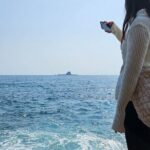
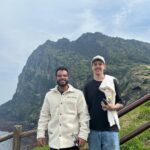
Gwangchigi Beach is a classic Jeju postcard moment. The payoff here is the view direction: you get dramatic sea scenery with Seongsan Ilchulbong in the backdrop, which means your photos look like they belong in the same story.
Time check: about 30 minutes, and admission is free. This is the kind of stop that is best when you plan for quick photo loops. Find a good angle, get your shots, and then take a breather while you watch the coastline.
One extra note from the tour info: the highlight aspect of this portion can change by season so you see the best fit for the time of year. If you’re worried you’ll get a random beach-and-go stop, don’t. The goal here is to set you up visually for what you’ll climb later.

Haenyeo Diving Performance at Umutgae Coast (and the Museum Plan B)
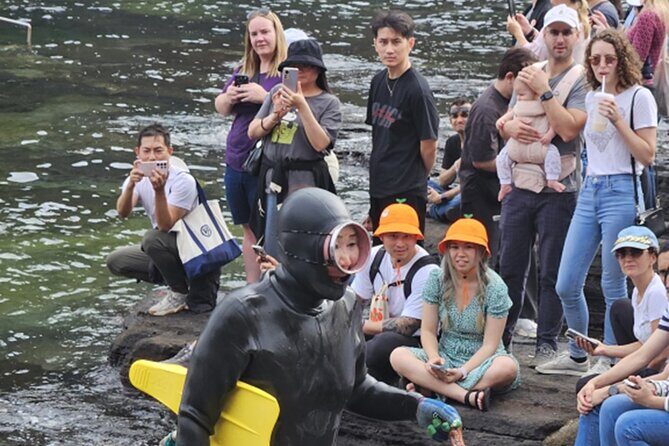
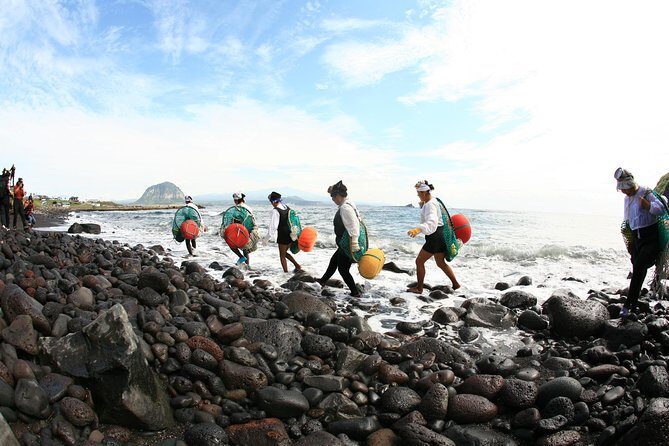
This is the tour moment that gives Jeju its distinctive flavor. At Umutgae Coast, you watch haenyeo sea women dive into the ocean without oxygen tanks in a powerful live performance.
Time check: about 35 minutes, and admission is free. You’re not just watching for spectacle—you’re seeing a living tradition tied to the island’s sea life and survival skills. If you can, arrive with calm attention. It helps you appreciate the skill and timing, not just the movement.
Weather reality: in case the performance is canceled, the tour visits the Haenyeo Museum instead. That backup is a smart idea, because it keeps you from losing the entire theme of the morning. If you’re a photos-only person, you might prefer the live show. But honestly, a museum stop is still better than a blank hole in your itinerary.
Guides on this route (often energetic hosts like Elin, also known as Jeju Mama; Haley/Hailey; Eric; Clara Kim; or Zin) tend to keep the group engaged with clear explanations and good pacing, which makes the performance feel more meaningful.
Seongsan Ilchulbong UNESCO Climb: Steps, Timing, and Big Views
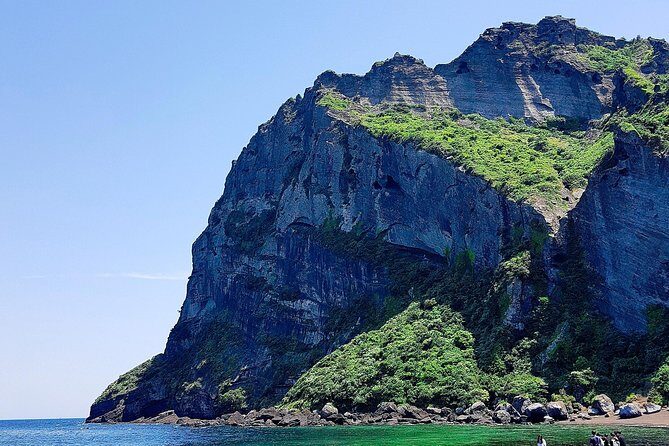
Seongsan Ilchulbong—often called Sunrise Peak—comes with UNESCO World Heritage status for a reason. It’s a volcanic crater that’s dramatic from every angle, and you’ll climb it for breathtaking views of Jeju’s eastern coastline.
Time check: about 1 hour 10 minutes, with admission included. That’s a very realistic climb duration for most people, especially since you also want time to stop, look, and take photos when the wind and light cooperate.
Here’s the practical consideration: even if the climb itself feels manageable, the crater can be exposed. In rain or gusty conditions, take it slow. Wear shoes with grip, and consider a light layer even if it’s warm in Jeju City.
Also, remember the earlier note: you start at 9:00 am. That means you’re climbing later than what most people picture for true sunrise. Still, the views can be stunning anytime, and the day’s timing works well because you’ll have several other stops before and after.
Hamdeok Beach: Soft Sand and an Easy Breather
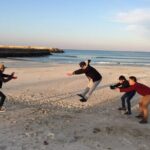
After the crater, the day gets kinder. Hamdeok Beach is known for soft white sand, clear shallow waters, and the kind of beach atmosphere that invites you to slow down.
Time check: about 45 minutes, and admission is free. This is a good placement because you’ve already done the geology and culture-heavy stops. Here you can cool off, stretch your legs, and get ready for the final market portion.
You’ll also find cozy cafés nearby, so if you want a drink or a snack, this is usually the smoother moment to do it rather than trying to cram it at the end.
Possible drawback: beaches are weather-dependent. If it’s raining hard, you may spend more time under cover. Since the tour runs rain or shine, don’t expect a total cancellation—just expect your beach time to shift from swim/nap to photo-and-walk.
Dongmun Market: Ending the Day with Local Food Energy
Dongmun Market is a strong finish because it’s Jeju’s oldest and one of its most active traditional markets. It’s especially famous for the night food market, so this stop works best when you can arrive hungry and ready for snacks.
Admission here is free, and the tour lists this as 1 minute. That sounds extremely short, so treat it as a drop-off-and-finish moment, not a structured market tour. If you want to browse food stalls, you’ll likely need to move fast right after you arrive and do the things you care about most.
If you’re the type who likes a last-minute food strategy, set yourself up before you get dropped. Decide what you want to try, then prioritize it so you don’t end up just wandering.
How the Guides Make or Break the Day
On this tour, your guide’s style matters because you’re doing seven major stops with limited transit time between them. One big theme from the people who enjoyed this experience: guides keep the day smooth, and they communicate clearly.
You’ll see names like Elin (Jeju Mama), Haley/Hailey, Eric, Clara Kim, and Zin linked to this route, and common praise includes:
- friendly, high-energy hosting
- frequent help with group flow and timing
- assistance with photos (handy if your phone camera is not your friend on windy viewpoints)
- quick problem-solving when weather changes the haenyeo performance plan
A smart move before you go: make sure your WhatsApp number is set up with your country code, since the operator uses it to invite you to a WhatsApp group for important updates. That small step can save you confusion if timing shifts slightly due to conditions.
Packing Tips for a Rain-or-Shine East Jeju Day
Since this tour runs in rain or shine, pack like you’re doing outdoorsy work, not a casual stroll.
Bring:
- shoes with grip (caves and crater areas can be slick)
- a light rain layer (Jeju weather can flip quickly)
- a small bag or pouch for keeping your phone dry for coastline photos
If it rains hard, guides have been known to help with practical stuff like towels to dry off. Don’t count on it, but do know that your day won’t automatically get ruined.
For photos, plan in short bursts. The schedule gives you set minutes at each stop, and the best viewpoints are often the ones where the view is obvious immediately. Get your shot early, then relax.
Who Should Book This Tour
This one-day East Jeju highlights route fits best if:
- you want a structured way to see Seongsan Ilchulbong UNESCO, haenyeo culture, and multiple coastal stops without driving
- you like guided context but still want time to wander
- you have a limited window on Jeju and want the east side in one package
- you prefer zero shopping stops and a plan that focuses on nature, culture, and scenery
It may not be ideal if:
- you were hoping for a true sunrise-style start at Seongsan Ilchulbong (the day begins at 9:00 am)
- you want long beach hangs at one location rather than several shorter stops
- you hate the idea that the haenyeo performance could be replaced by a museum if weather cancels it
Should You Book East Jeju Essentials – Seongsan Ilchulbong & Haenyeo?
If you want an efficient, well-organized east-coast day with big-name sights and an actual cultural anchor, I think this is a strong book. The value comes from the bundled admissions where they matter, the air-conditioned transport, and the guided flow that prevents you from wasting time figuring out logistics.
Book it if your priority is a clean highlights checklist with enough free time to enjoy each place. Skip it if you’re chasing a specific sunrise photo moment or you prefer slower, single-location beach days.
Either way, you’ll walk away with the Jeju story in one day: volcano geology at Micheon Cave and Seongsan Ilchulbong, living culture at Seongeup Folk Village, sea-diver heritage at Umutgae Coast, and coastal downtime at Hamdeok.
FAQ
What time does the tour start?
The tour starts at 9:00 am.
How long is the tour?
The duration is about 9 hours.
What is the price per person?
The price is $56.86 per person.
Are pickup points provided?
Yes. There are 3 easy pickup points in Jeju City.
Is the haenyeo diving performance always guaranteed?
It’s scheduled, but if the performance is canceled, the Haenyeo Museum will be visited instead.
Are entrance fees included?
Yes. Entrance fees are included in the tour price.
How much time do I get at each stop?
You’ll have free time at each stop, with the tour listing durations such as 50 minutes at Micheon Cave & Ilchulland, 40 minutes at Seongeup Folk Village, 30 minutes at Gwangchigi Beach, 35 minutes for the haenyeo performance, 1 hour 10 minutes for Seongsan Ilchulbong, and 45 minutes at Hamdeok Beach. The tour ends at Dongmun Market.
Does the tour include shopping stops?
No. There are no shopping stops or optional tours.
What happens if I need to cancel?
You can cancel for a full refund up to 24 hours in advance of the experience start time.
How does the ticket work?
You receive a mobile ticket.