REVIEW · JEJU ISLAND
South-West Jeju Essentials: Hallasan & Signature Highlights
Book on Viator →Operated by Yeha Tour · Bookable on Viator
Jeju’s south-west packs a lot into one day. This full-day bus tour strings together the best-known UNESCO-scenery hits with Jeju’s tea culture, so you get variety without stress. Expect waterfalls, volcanic cliffs, and tea fields in about 8 hours.
I love how the tour runs with real human energy and clear timing. Guides like Haley, Elin (aka Jeju Mama), Clara, Eric, and Zin tend to keep the group moving, help with photos, and explain what you’re seeing in a way that’s easy to follow. I also like the value angle: most entrance fees are included, so you don’t spend your whole day counting tickets.
One thing to keep in mind: the schedule is a bit tight. Several stops are short (especially the first wetland stop), and the tea museum portion can feel more like a tasting and shopping stop than a long museum visit.
In This Review
- Key highlights worth your attention
- A Full-Day Bus Route Through UNESCO Jeju’s South-West
- Wetland Stop: how 1100 Altitude and the other options work
- Daepo Haean Jusangjeolli Cliff: basalt columns and sea roar
- Cheonjeyeon Falls: a forest walk with a real payoff
- O’sulloc Tea Museum: tea tastings, desserts, and a shop-friendly layout
- Songaksan Mountain and Sanbangsan Bomunsa: viewpoint walking plus seasonal swaps
- Dongmun Market at the end: a drop-off, not a guided visit
- Guides and group size: why the vibe matters on a packed day
- Food and lunch: what you get if you want to eat with the group
- Price and value: why $56.86 can make sense
- Before you go: what to wear and how to pace yourself
- Should you book this south-west Jeju tour?
- FAQ
- How long is the tour?
- What time does the tour start, and when does it end?
- What is included in the price?
- Is lunch included?
- Are entrance fees covered?
- Is Dongmun Market part of the guided tour?
- Do I need WhatsApp for the tour?
- What if the tour can’t run due to weather or I cancel?
Key highlights worth your attention
- South-west UNESCO route in one day: You cover signature coastline, forest falls, and volcanic stone.
- Main entrances largely included: Fewer extra costs on the ground.
- Cheonjeyeon Falls with a short hike vibe: Forest air and stepped waterfall views.
- O’sulloc Tea Museum plus tastings: Green tea culture with desserts and samples.
- Temple-and-mountain stops with seasonal swaps: Songaksan/Bomunsa can change depending on the dates.
- Smallish group, big-day logistics: Max 42 people, air-conditioned bus, licensed guide.
A Full-Day Bus Route Through UNESCO Jeju’s South-West

This is the kind of Jeju day trip you book when you want highlights without renting a car. You’re based on Jeju’s south-west side, riding an air-conditioned vehicle with a licensed guide and making several key stops. It’s built for “see a lot” days, not slow wandering.
You start at 9:00 am and return to the meeting point at the end. The plan is designed around weather and timing, too. One practical example: the wetland stop can swap between a few different sites depending on conditions, so you’re not stuck with an option that looks awful in bad visibility.
The best part is that the route feels intentionally mixed. You get nature drama (basalt cliffs and falls), then you switch to a more cultural pace with tea, then you finish with viewpoints and a temple area. If your Jeju trip includes “I only have limited time,” this format is hard to beat.
You can also read our reviews of more tours and experiences in Jeju Island.


Wetland Stop: how 1100 Altitude and the other options work
Your first stop is usually the Jeju 1100 Altitude Wetland, but the exact location is weather-and-traffic dependent. Depending on what’s practical that day, you’ll see 1100 Highland, Saebyeol Oreum, or Eorimok. If those aren’t available, the itinerary can swing to Camellia Hill instead.
Time here is about 30 minutes, and the admission is listed as free. In plain terms, this is a quick nature pause. It’s not a long walk-and-linger stop, so go in with the right expectations: think “fresh air + short scenery walk,” not “big hiking mission.”
If you like untouched-looking boardwalks, you’ll probably enjoy the altitude wetland vibe. If you want action or more to do nearby, you might find yourself ready to move on once the short trail is done. A good trick: use this stop to get your legs moving early, then save your energy for the longer-feeling views later (cliffs and falls tend to pay off more).
Daepo Haean Jusangjeolli Cliff: basalt columns and sea roar

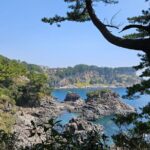
Next up is Daepo Haean Jusangjeolli Cliff, a stop built for dramatic photos and instant “this is volcanic Jeju” understanding. Jusangjeolli is known for those hexagonal basalt pillars rising like a stone cathedral. It’s one of those places where the scenery explains the geology before any lecture even starts.
You’ll get about 30 minutes here, and the entrance fee is included. That length is enough to walk the main viewing areas, take multiple angles, and still have time for a slow look when the waves are really hitting.
Practical note: this is a coastline stop. If the wind is strong, you’ll feel it on your face and clothing. I’d wear something you don’t mind getting slightly salty and bring a lens cloth if you’re the photo type.
Cheonjeyeon Falls: a forest walk with a real payoff
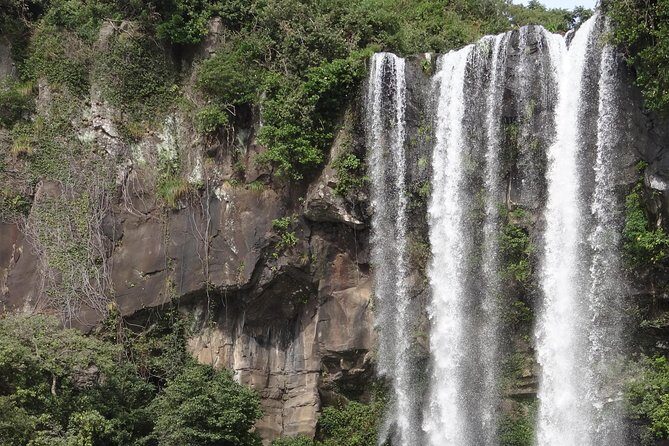
Then the day turns cooler and greener with Cheonjeyeon Falls. This is a multi-tier waterfall tucked into dense forest, and it’s one of Jeju’s best-known waterfall walks. You’ll spend about 40 minutes, and the entrance is included.
What makes Cheonjeyeon work in a one-day format is the pacing. It’s not just “look from one spot.” The site is set up for a short hike feel, with stairs and walking that stays manageable for most people. The waterfall gives you a steady focal point while the greenery makes it feel like you’re stepping into a different mood.
If you’re traveling with someone who likes nature but doesn’t want an all-day trail, this is a sweet spot. Just expect some stairs. Comfortable shoes matter more here than at any time in the day.
O’sulloc Tea Museum: tea tastings, desserts, and a shop-friendly layout

After waterfalls, you get a culture-and-flavor stop: O’sulloc Tea Museum. The idea is Jeju tea heritage, and the execution is a mix of exhibits, tea culture visuals, and tasting time. You’ll have about 1 hour here, with admission listed as free.
Here’s how to think about it: it’s called a tea museum, but the experience also functions like a destination for tea tasting and browsing. The tea rows outside are the mood-setter, and then inside you’re guided through tastings and desserts and shown exhibits. It’s a good reset after the outdoors.
Some people love it for the tea samples and the calm green-field vibe. Others see it as more of a tasting and shop stop than a long deep museum experience. Either way, it’s not a waste of time if you’re curious about Jeju’s tea culture.
If you’re picky about where your time goes, your best move is to treat this stop as a sensory break. Take the tastings seriously, try the dessert, and don’t overplan your browsing. One hour is enough to enjoy without feeling stuck.

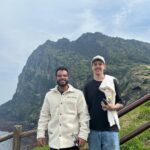
Songaksan Mountain and Sanbangsan Bomunsa: viewpoint walking plus seasonal swaps
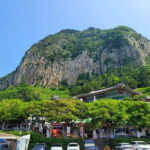
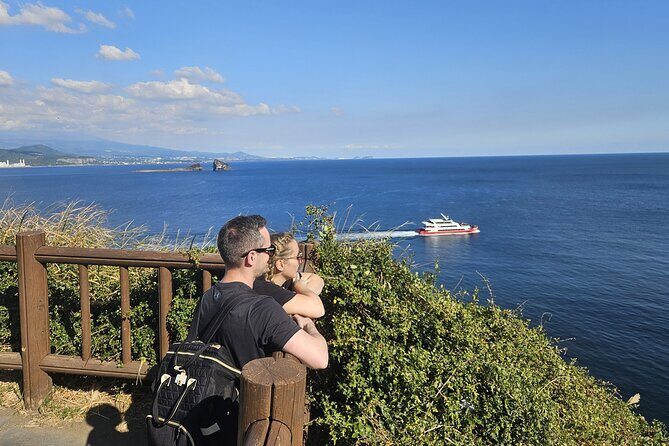
The itinerary includes two big outdoor “look outs” in the afternoon: Songaksan Mountain and Sanbangsan Bomunsa Temple. Timing is about 50 minutes for Songaksan and 40 minutes for the temple area, with entrances listed as free.
There’s also an important seasonal swap. From January 5 to February, and also in July and August, the tour may visit Sanyang Keunkot instead of Songaksan. In those same months, it may visit Sanyang Keunkot instead of Bomunsa Temple at Sanbangsan. So if you’re booking for those dates, don’t be surprised if the exact exact temple/walk combination differs.
What to expect on the ground: these stops include viewpoints and walking, often with stairs and short trails. One of the reasons people rate this tour so high is that guides tend to help the group manage the walking pace. Photos are usually easier if you plan for a few slower moments instead of rushing straight uphill.
If you like scenery more than “activities,” this is where the day pays off. You get that classic Jeju feeling: cliffs, ocean air, and a sense of height over the coastline. If you want a nonstop hiking day, though, you may find each stop is over before you feel fully satisfied.
Dongmun Market at the end: a drop-off, not a guided visit
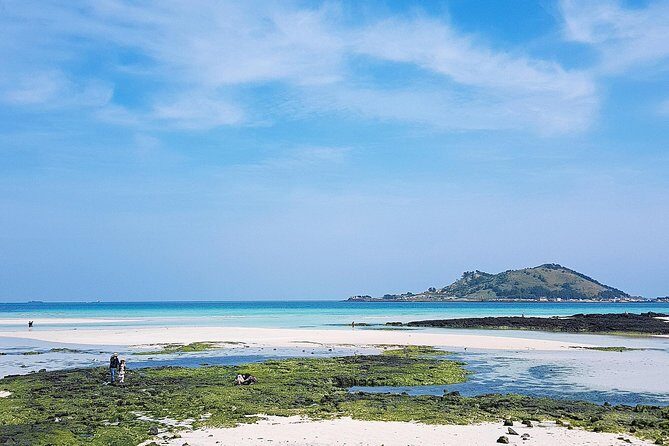
There is a Dongmun Market option, but it’s not part of the guided portion. The plan says you may be dropped off there upon request at the end of the tour.
What that means for you: you’re on your own once you’re dropped. If you want souvenirs, snacks, and the chaos of a market atmosphere, it’s a handy add-on. If you’d rather keep everything structured, you can skip it and just return to the meeting point.
Because it’s optional and last, Dongmun Market works best if you’ve saved a little energy for browsing after the outdoors. Otherwise, it can feel like a bonus you don’t have time for.
Guides and group size: why the vibe matters on a packed day
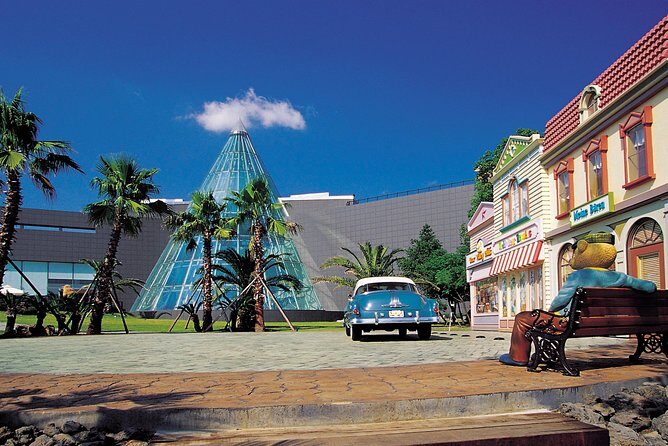
This tour runs with a maximum of 42 travelers, which keeps it from feeling like an endless school trip. You’re on an air-conditioned bus, and you travel between stops in a way that’s simple if you don’t have a car.
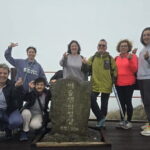
But the real difference is the guides. People mention guides like Haley, Elin, Clara, Eric, and Zin for a reason: they keep the day friendly and efficient. In practice, that shows up as clear instructions, photo help, and a positive tone even when conditions change.
Snowy or bad-weather days can cause route adjustments. The itinerary is designed with swaps and flexibility, so you’re not just stuck waiting. One day might mean different stops in the same theme (wetlands or mountains). Another day means you follow the “best available” option.
If you’re sensitive to bus comfort, note that several stops are short and you’ll spend a chunk of time seated. The bus is air-conditioned, but some seat layouts can feel cramped for taller people. If you’re tall or broad-shouldered, I’d grab an early seat when you can.
Food and lunch: what you get if you want to eat with the group
Lunch is not included in the base price. You can enjoy black pork BBQ or a vegetarian bibimbap for about $10. That lunch option is meant to keep you moving with the schedule.
From what I’ve gathered about how the day feels, the lunch is more than just fuel. The restaurant stop is often treated as a highlight because it’s an easy, organized meal after several walking segments. Some days also include a tasting-style drink like makgeolli with the buffet setup.
If you prefer to eat on your own, you still can. Just know that splitting away from the group on a timed day can be stressful. This itinerary is built like a train schedule: you want to stay aligned if you don’t want to feel rushed.
Price and value: why $56.86 can make sense
At $56.86 per person, this isn’t just “pay for a bus.” You’re paying for a full day of transportation, a licensed guide, and most entrance fees for major stops. When you add up the cost of getting to multiple sites plus paying entry tickets one-by-one, the math often starts working in your favor—especially if you’re not renting a car.
The itinerary includes several ticketed attractions like Jusangjeolli Cliff and Cheonjeyeon Falls. Plus you get the tea museum experience and included stops around the island’s south-west essentials. In other words: you aren’t only sightseeing from a window.
That said, the value depends on your expectations. If you want a slow day with long hikes, you may feel like some stops are short. If you want a highlights sampler with organized transport, this is priced like a practical shortcut.
Before you go: what to wear and how to pace yourself
Plan like you’re doing a full outdoors day. Wear shoes that handle stairs and wet stone. Bring a light layer even if it’s warm, because waterfalls and ocean cliffs can feel cooler once you’re up close.
Also think in photo terms. The cliff stop and the falls stop give you different lighting at different angles. Spend a bit of time at each location rather than rushing to the first perfect shot. You’ll get more keepers that way.
Finally, bring a calm attitude about timing. This is a one-day best-of route, not a pick-your-own-adventure loop. If you go in knowing the schedule is structured, it feels smooth.
If weather turns, the tour can adjust because the experience depends on good conditions. If it can’t run as planned, you’ll be offered a different date or a refund.
Should you book this south-west Jeju tour?
Book it if you:
- Have limited time and want the south-west highlights without a car
- Want a mix of cliffs, falls, tea culture, and viewpoints
- Like the idea of a guide keeping you on track (and helping with photos)
Skip or choose something else if you:
- Want long hikes or lots of free time at each stop
- Don’t like short “check-the-box” nature stops (the wetland portion is brief)
- Are sensitive to bus-seat comfort on a packed day
If your goal is getting your bearings fast in Jeju’s south-west, this is a strong choice. The top-rated guides bring the energy, the route covers the right signature sites, and you’ll come away understanding why Jeju is famous for basalt, water, and tea.
FAQ
How long is the tour?
It runs about 8 hours.
What time does the tour start, and when does it end?
It starts at 9:00 am and ends back at the meeting point.
What is included in the price?
The tour includes a licensed guide, an air-conditioned vehicle, and entrance fees (for the sites where they’re included).
Is lunch included?
Lunch is not included. You can pay about $10 for either black pork BBQ or a vegetarian bibimbap.
Are entrance fees covered?
Most entrance fees are included for convenience. Some stops explicitly show admission as included, and others list admission free.
Is Dongmun Market part of the guided tour?
Not as a guided stop. You may be dropped off at Dongmun Market at the end if you request it.
Do I need WhatsApp for the tour?
The tour asks you to provide your WhatsApp number with country code so they can add you to the tour information group and contact you about pickup details.
What if the tour can’t run due to weather or I cancel?
The experience requires good weather. If it’s canceled due to poor weather, you’ll be offered a different date or a full refund. You can also cancel for a full refund up to 24 hours in advance.