REVIEW · JEJU ISLAND
JEJU Cooking Class _Class & Dinner at Jeju Seaside Sunset Terrace
Book on Viator →Operated by Manking Jeju Pony · Bookable on Viator
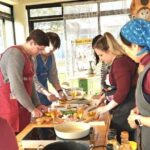
Jeju tastes better at sunset. In this Jeju cooking class with dinner at the seaside, I love the hands-on step-by-step teaching (with Sue) and the payoff of eating what you make while the ocean light fades. The main drawback to watch is the price of $139 per person, and that private transportation isn’t included.
You’ll be in a small group (max 6), starting at 5:00 pm and spending about 3 hours total. Plus, you can request vegetarian or vegan versions of the dishes if you tell the team ahead of time.
In This Review
- Quick Hits
- Why This Jeju Sunset Dinner Cooking Class Feels Practical
- Getting Oriented: Meeting Point, Timing, and What to Bring
- The Small-Group Setup With Sue (and Why It Matters)
- The Dishes You’ll Learn: Bulgogi, Japchae, Geotjeoli, and Dessert
- Bulgogi (Marinated Beef, Stir-Fried)
- Japchae (Glass Noodles With Pork)
- Geotjeoli (Korean Vegetable Salad)
- One Dessert
- What the Seaside Terrace Dinner Adds (Beyond Food)
- The Jeju Stops Before Dinner: A Short Route With Real Context
- Jeju Olle Trail Routes
- Jungmun Saekdal Beach
- Sanbangsan Mountain
- O’sulloc Tea Museum
- Vegetarian and Vegan Options You Should Actually Use
- Price and Value: What $139 Gets You (and What Doesn’t)
- Who Should Book This Cooking Class
- Quick Advice Before You Go
- Should You Book This Jeju Cooking Class?
- FAQ
- How long is the Jeju cooking class and dinner?
- What time does it start?
- Where do I meet, and where does it end?
- What dishes will I learn to cook?
- Can the class be made vegetarian or vegan?
- Is alcohol included with dinner?
- How many people are in the group?
- Is transportation included?
- What is the cancellation policy?
Quick Hits
- Sue guides the cooking step by step, so the “how” sticks, not just the final flavors
- You’ll cook classic Korean dishes: bulgogi, japchae, geotjeoli, plus one dessert
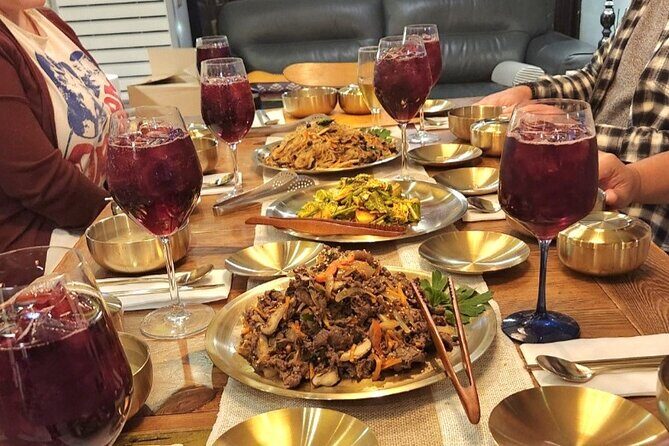
- Seaside traditional dinner with sunset views, served at a nicely set table style
- Korean drink options include Mageoli (rice wine) or Bokbunza (mulberry wine), with non-alcoholic choices too
- Small group size (max 6 travelers) means you get real help while you cook
Why This Jeju Sunset Dinner Cooking Class Feels Practical
A cooking class can be fun, but it’s only worth it when you can repeat the results at home. What I like about this one is that the focus stays on basics: you’re not just tasting Korean food, you’re learning the seasonings, the cooking rhythms, and how to make dishes using ingredients you can find back in your own place.
Then comes the part that makes it feel extra Jeju. You cook, you sit down, and you eat with a sunset over the ocean from the seaside terrace. It’s not just a meal after the class. It’s part of the experience arc, like you’re finishing the day the way locals might: slow down, eat well, and enjoy the view.
One more thing that matters: the class talks about eating with Korean-style tools. You’ll hear how Korean table culture works with chopsticks (and the role of spoons), and why the food is prepared the way it is. That context makes the dishes easier to understand and easier to replicate later.
You can also read our reviews of more tours and experiences in Jeju Island.


Getting Oriented: Meeting Point, Timing, and What to Bring
The experience starts at 46 Daepyeong-ro, Andeok-myeon, Seogwipo, Jeju-do, South Korea, with a 5:00 pm start. It ends back at the same meeting point, which keeps the logistics simple.
Duration is listed as about 3 hours. That’s a good length for this format. Long enough to actually cook several dishes and sit down for dinner, but not so long that you’ll feel like you spent your whole evening in a kitchen.
Because the day includes stops around Jeju before dinner, plan for some outdoor time. Bring comfortable shoes if you have them, and dress in layers for early evening temps.
Also, you’ll use a mobile ticket. If you like to keep things easy, that’s one less thing to carry.
The Small-Group Setup With Sue (and Why It Matters)
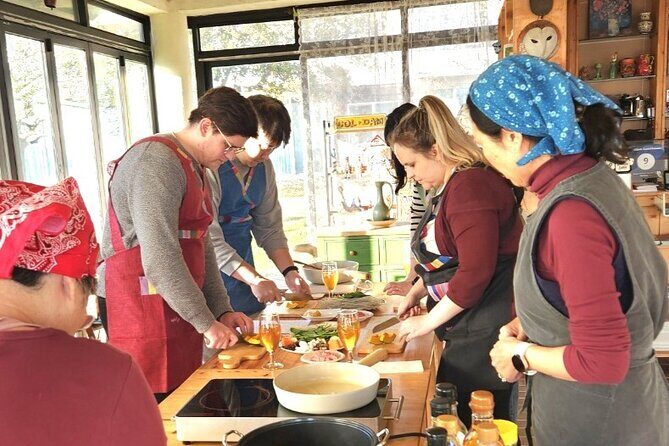
This class caps at 6 travelers, which is a big deal for learning. When the group is that size, Sue can actually watch what’s happening at your station and correct the little mistakes that change flavor and texture.
And that teaching style shows up clearly in the feedback: people loved Sue’s step-by-step pacing and the ease with which she guides you through multiple dishes. Even if you’re new to cooking, the format is designed so you’re not stuck. You’ll learn basic recipes and seasonings as you go, not after the fact.
If you’re cooking with family or in a small group, the class format can feel close to one-on-one because the chef can respond to each person’s pace. That’s especially helpful if you want to ask questions about ingredients and substitutions.
The Dishes You’ll Learn: Bulgogi, Japchae, Geotjeoli, and Dessert
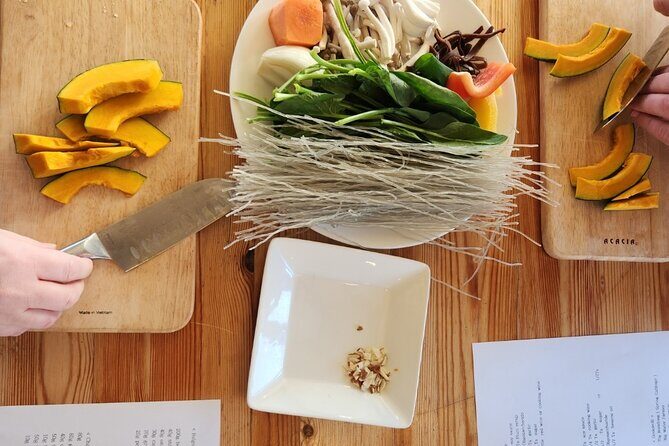
You’ll cook three main dishes and one dessert. Here’s what’s on the menu and what the recipes are really teaching you.
Bulgogi (Marinated Beef, Stir-Fried)
Bulgogi is one of the most forgiving entry points to Korean cooking. You’ll practice marinating and then stir-frying so the flavors cling to thin pieces of meat. Since you’re learning it in a guided class, you also get the seasoning logic: what gives it sweet-salty balance and what helps it caramelize.
The practical value for home cooking: once you understand the marinade approach, you can adapt it for other proteins later.


Japchae (Glass Noodles With Pork)
Japchae can look complicated because glass noodles can go wrong if you treat them like regular pasta. In this class, you’ll learn the seasonings and the process that keeps the noodles tasting clean and not gummy.
You’ll also get experience balancing flavors across ingredients. Japchae is basically a lesson in coordination: noodles, seasoning, and mix-ins working together so every bite tastes intentional.
Geotjeoli (Korean Vegetable Salad)
Geotjeoli is where the class turns from “cook” into “build flavor.” You’ll learn how Korean vegetable salads get their punch, usually through a sauce and seasoning that makes veggies taste alive rather than just crunchy.
For home cooking, this is a great dish to master because it scales. Once you know the seasoning approach, you can use it with different vegetables depending on what’s in season where you live.
One Dessert
The dessert is included as part of the class. Even though the specific type isn’t listed in the details you provided, you’ll still get a full arc: main dishes first, then a sweet finish while you’re seated for dinner.
What the Seaside Terrace Dinner Adds (Beyond Food)
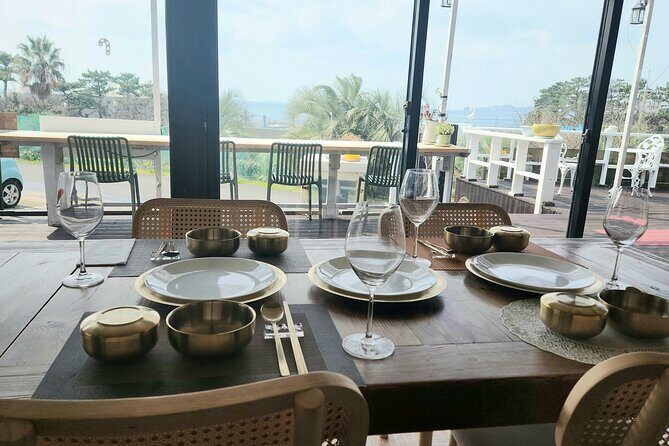
The meal isn’t happening in a generic dining room. You’ll eat at a traditional Korean-style table setup on the seaside terrace, with sunset from the ocean as your backdrop.
That changes how the experience feels. When you’re seated in a special setting, you eat more slowly. You notice textures more. And because you made the food yourself, you’ll likely taste it differently, paying attention to the seasoning you learned five minutes earlier.
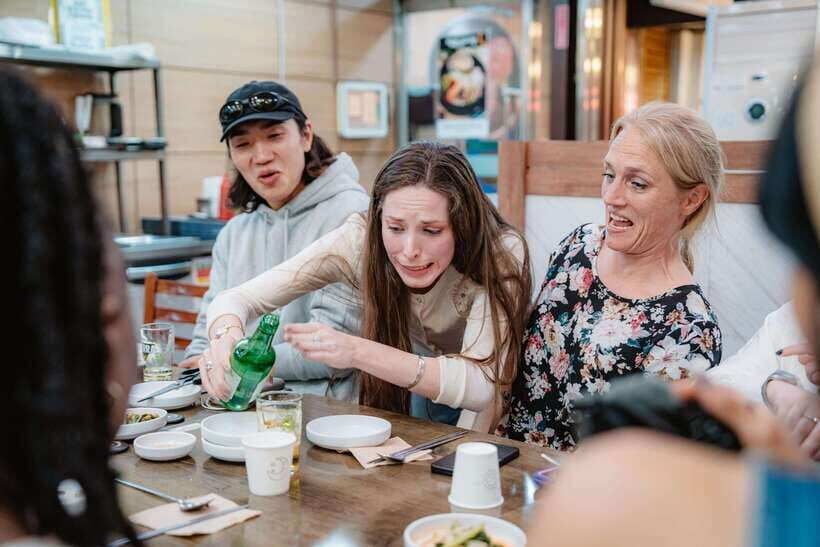
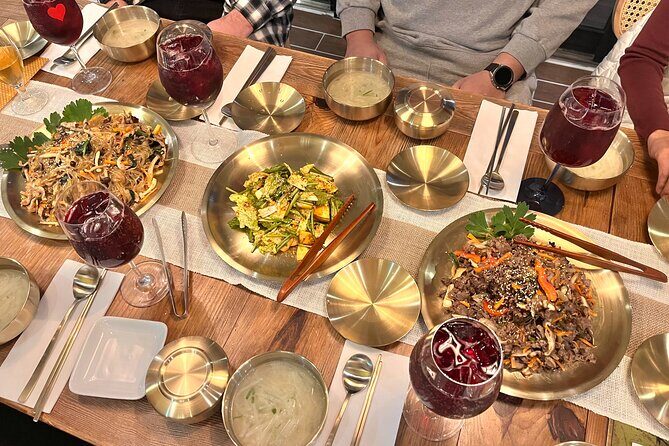
There’s also a drink component. You’ll have the option of Korean rice wine (Mageoli) or Korean mulberry wine (Bokbunza), plus non-alcoholic options.
Practical tip: if you’re sensitive to alcohol or you just want a calm, clear evening, choose the non-alcoholic pairing. It still keeps the meal feeling complete.
The Jeju Stops Before Dinner: A Short Route With Real Context
The experience includes several Jeju stops that help set the mood for the cooking and dinner.
Jeju Olle Trail Routes
This stop ties your evening to Jeju’s walking culture. The key benefit here is perspective. Before you cook and eat, you get a sense of Jeju as a place built around paths, viewpoints, and moving at a human pace rather than rushing from one photo to another.
Even if you don’t walk much, the stop is about connecting your meal to place.
Jungmun Saekdal Beach
This is a straight shot into the seaside atmosphere you’ll later enjoy at dinner. It also makes the timing make sense. Starting at 5:00 pm and building toward the sunset gives you a clear flow: see the coast, cook, then eat with the same ocean vibe.
If you’re the type who likes your experiences to feel themed and linked, this part helps.
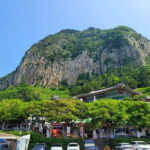
Sanbangsan Mountain
Sanbangsan adds a mountain contrast to the coastal feel. Jeju has this “same island, different mood” quality, and a mountain stop helps you experience that variation in a short time.
What I’d watch for: this is likely part of an outdoor route. Wear shoes that handle uneven ground and bring a layer, since mountain air can feel cooler after sunset.
O’sulloc Tea Museum
Tea makes a natural companion to Korean meals, and O’sulloc Tea Museum fits the idea of learning through taste and culture. Even if you don’t spend forever inside, this stop gives you a break from the purely scenic elements and swaps in a sensory focus: tea culture and Jeju’s tea identity.
Overall, these stops create a nice “warm-up” to the class. You’re not just dropped into a kitchen at 5:00 pm. You arrive already feeling like you’re on Jeju, not in a cooking studio.
Vegetarian and Vegan Options You Should Actually Use
The details say the dishes can be made vegetarian or vegan, as long as you let the team know. I think that matters because Korean meals often rely on meat-based broths, sauces, or meat seasoning. If the class can switch the dishes, it’s a strong sign they understand substitution beyond just removing meat.
For you, the practical move is simple: message the operator when you book. Tell them you want vegetarian or vegan options and confirm what can change in each dish.
That gives you the best shot at getting a meal that still feels Korean and still tastes balanced.
Price and Value: What $139 Gets You (and What Doesn’t)
At $139 per person for about 3 hours, you’re paying for more than “a cooking lesson.” You’re getting:
- hands-on cooking with a professional chef teacher (Sue)
- three main dishes plus dessert
- a traditional dinner served on a seaside sunset terrace
- a included Korean drink option (alcohol or non-alcohol)
What’s not included is private transportation. That can be a deal-changer depending on where you’re staying. The experience notes it’s near public transportation, so if you’re staying nearby, you may be fine. If you’re far from Seogwipo, consider how you’ll get to the meeting point before you commit.
Where the value really lands: the class is small (max 6), and you learn multiple dishes, not one. If you care about taking something real home—seasonings, techniques, and repeatable steps—this price starts to make more sense than a short tasting-only workshop.
Who Should Book This Cooking Class
This is a great fit if you:
- want a Korean cooking class with a clear dinner payoff instead of just snacks
- like practical learning that you can recreate at home
- cook for friends or family and want new dishes you can repeat
- prefer small groups and hands-on guidance (max 6)
- want an evening plan that blends culture, food, and sunset views
It may be less ideal if you hate structured timing or you only want a quick beach-and-photo stop. This experience is food-centered, with sightseeing stops serving the bigger theme.
Quick Advice Before You Go
- Tell them early if you need vegetarian or vegan options.
- Plan to eat the dishes you cook while you’re still in class mode—don’t expect a “later meal” vibe.
- If you’re drinking Mageoli or Bokbunza, keep it moderate. The sunset dinner setting makes it easy to linger.
Also, remember the evening starts at 5:00 pm. If you’re trying to fit other activities before that, give yourself buffer time so you don’t rush.
Should You Book This Jeju Cooking Class?
Yes, if you want your Jeju evening to feel like food culture, not just food entertainment. The mix of hands-on teaching with Sue, multiple classic dishes (bulgogi, japchae, geotjeoli), and the included traditional dinner with ocean sunset views is the core reason to book.
Skip it only if you’re counting every dollar and you’ll end up spending extra on rides to reach the meeting point. Since private transport isn’t included, your actual total cost depends on where you start.
If you’re looking for a memorable, repeatable cooking experience in Jeju, this one fits the bill.
FAQ
How long is the Jeju cooking class and dinner?
It lasts about 3 hours.
What time does it start?
The start time is 5:00 pm.
Where do I meet, and where does it end?
It starts at 46 Daepyeong-ro, Andeok-myeon, Seogwipo, Jeju-do, South Korea, and ends back at the same meeting point.
What dishes will I learn to cook?
You’ll cook Bulgogi, Japchae, Geotjeoli, and one dessert.
Can the class be made vegetarian or vegan?
Yes. The dishes can be vegetarian or vegan if you let the team know.
Is alcohol included with dinner?
A Korean drink is included, with options for alcohol (Mageoli or Bokbunza) or non-alcoholic alternatives.
How many people are in the group?
The maximum group size is 6 travelers.
Is transportation included?
Private transportation is not included, though the activity is noted as near public transportation.
What is the cancellation policy?
You can cancel for free up to 24 hours in advance for a full refund. If you cancel less than 24 hours before the experience’s start time, the amount paid isn’t refunded.