REVIEW · SEOUL
DMZ Tour w/ North Korea Experience Hall & Opt. Suspension Bridge
Book on Viator →Operated by Seoul N Tour · Bookable on Viator
DMZ access comes with rules, and real perspective. This guided day trip is interesting because you get controlled access to the Demilitarized Zone, plus the Third Tunnel and Dora Observatory pair that turns the Korean War story into places you can stand inside. I also love the guided logistics here: a pro runs the checkpoints and keeps you moving, instead of you trying to figure out what’s allowed on your own. One possible drawback: it can feel crowded and your timing may shift if security or weather changes what’s open.
Upgrade the tour and you add the Gamaksan Chulleong Suspension Bridge for a totally different vibe: history first, then a long, scary-sky walk for the brave. Pickup meets around City Hall Station, and you’ll use a mobile ticket at the right moments. I also like that they’re set up for backup plans when Dora or the tunnel can’t be accessed.
In This Review
- Key highlights worth planning for
- A DMZ day trip from Seoul that actually works
- City Hall pickup, time slots, and how the day flows
- Imjingak Pyeonghoa-Nuri Park: start with the human story
- North Korea Experience Hall: a structured warm-up for Dora and the tunnel
- Dora Observatory: telescopes, clear days, and controlled viewing
- The Third Tunnel: helmets, 500 meters, and real physical effort
- Unification village: what you’ll see depends on access
- Optional Gamaksan Chulleong Suspension Bridge: clouds, height nerves, and weather rules
- Guides, pacing, and why English quality matters
- Price check: why $55 can feel like a deal
- What to pack and what your body should be ready for
- When weather or security closes the big stops
- Should you book the DMZ + Suspension Bridge option?
- FAQ
- What is the price of the DMZ tour with the suspension bridge option?
- How long does the tour take?
- Where do I meet and where does the tour end?
- Is the suspension bridge visit included, or is it optional?
- Do I need a passport?
- What happens if Dora Observatory or the Third Tunnel are closed?
- What if the suspension bridge is closed due to weather or security?
- Is lunch included?
- Is airport or cruise port pickup provided?
- Can I cancel for a full refund?
Key highlights worth planning for
- Third Tunnel walk with helmets and a short stroll into the DMZ Exhibition Hall
- Dora Observatory telescopes and the best visibility on clear days
- Imjingak Park monuments like the Freedom Bridge and Soldiers’ Memorial area
- Optional Gamaksan Chulleong Suspension Bridge with height and weather caveats
- A max group size of 40 so you’re not lost in a sea of people
- Itinerary adjustments when military operations or weather close access
A DMZ day trip from Seoul that actually works
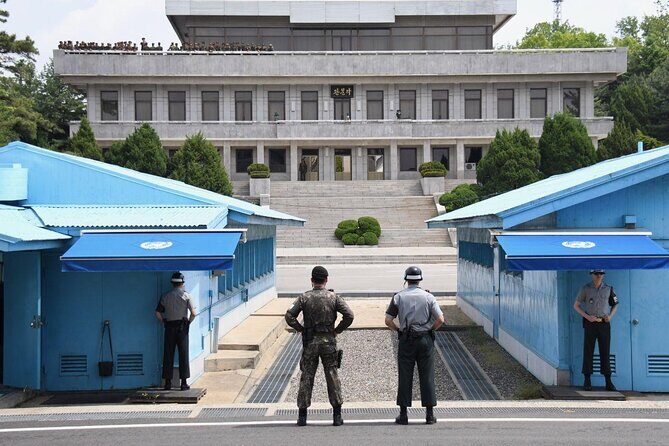
If you want to visit the DMZ, the big reality check is simple: you can’t just wander over. The zone is border-controlled, and visits are run through guided tours for safety and permission. That means you trade flexibility for access, and you get a structured day that’s designed to keep everyone moving through security.
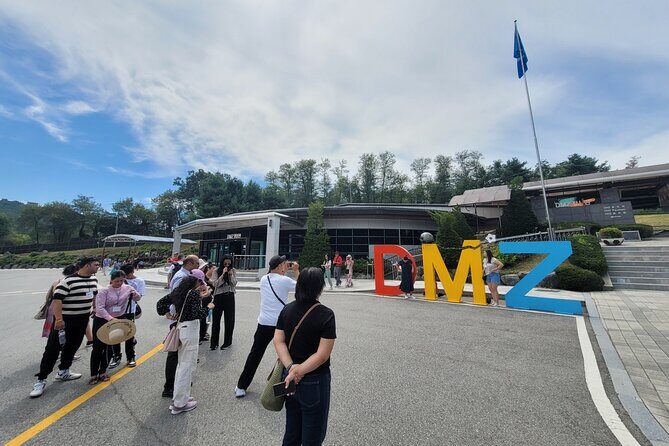
This particular tour is built around the most talked-about DMZ stops: Imjingak Park, Dora Observatory, and the Third Tunnel, with an option to tack on the Gamaksan Chulleong Suspension Bridge. At about $55 per person for a roughly 7.5-hour experience, the value is strongest when you want the DMZ entrances handled for you and you don’t want to wrestle transport + fees on your own.
You can also read our reviews of more tours and experiences in Seoul.
City Hall pickup, time slots, and how the day flows
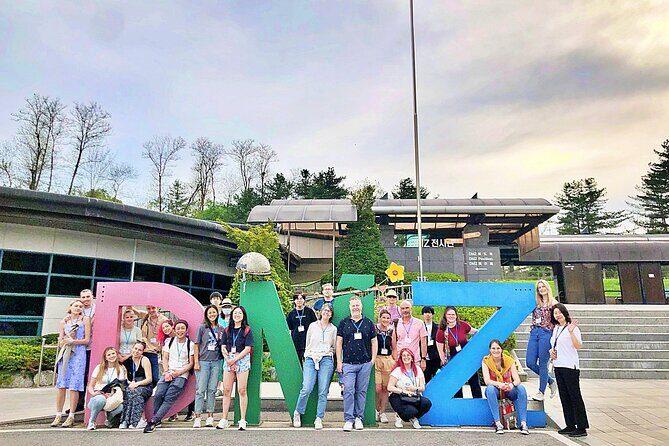
The meeting point is City Hall Station, and the tour ends back at City Hall Station. There are two main start times depending on the version you book: the standard DMZ experience tends to run around 3:30pm, while the DMZ + Suspension Bridge option starts later, around 4:50pm.
You should also plan for the day to be a little less predictable than a museum visit. DMZ entry depends on current conditions, so the tour duration can be delayed or shortened following the DMZ situation. In real-world planning, I’d also take a practical approach: be ready for an early pickup on the day, since DMZ tickets and entry timing can be tight.
Group size matters here. This is capped at 40 travelers, and that helps with crowding compared to huge coaches, though you’ll still be sharing the sites with other tour groups.
Imjingak Pyeonghoa-Nuri Park: start with the human story
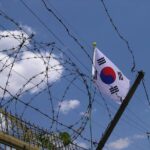
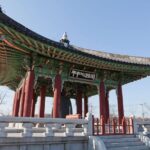
A smart way to handle the DMZ is to begin with context. The day starts with Imjingak Pyeonghoa-Nuri Park, a place tied to Korean War refugees and later reunification symbolism. You’ll see major landmarks in the area, including the Freedom Bridge and the Monument of Soldiers.
This stop is about emotional grounding. You’re not yet underground, and you’re not staring through a telescope. Instead, you’re standing in a part of the story that explains why the DMZ matters beyond maps and headlines.
It’s also a relatively easy part of the day in terms of stress. The park stop is short (about 30 minutes), and there’s no admission fee listed for this portion.
North Korea Experience Hall: a structured warm-up for Dora and the tunnel
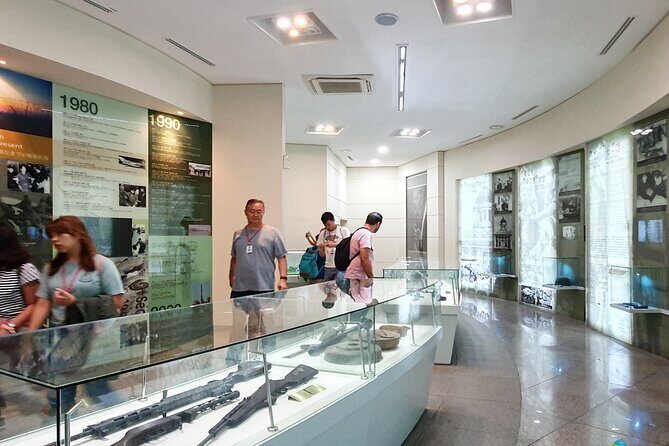
After Imjingak, you’ll visit the North Korea Experience Hall on Imjingak-ro. This is designed as an educational stop that gives you a deeper background on North Korea, in a way that pairs well with what you’ll see later in the more restricted DMZ spaces.
Think of it as mental prep. Dora Observatory is about what you can see across the border, and the Third Tunnel is about what you can feel—physically and emotionally—when you walk where infiltration planning happened. The Experience Hall helps your brain connect the dots before you hit the most intense sites.
This stop is also short (about 30 minutes) and listed as free.
Dora Observatory: telescopes, clear days, and controlled viewing
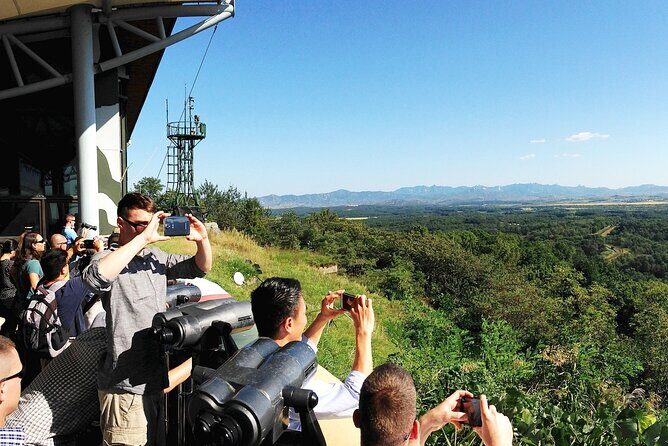
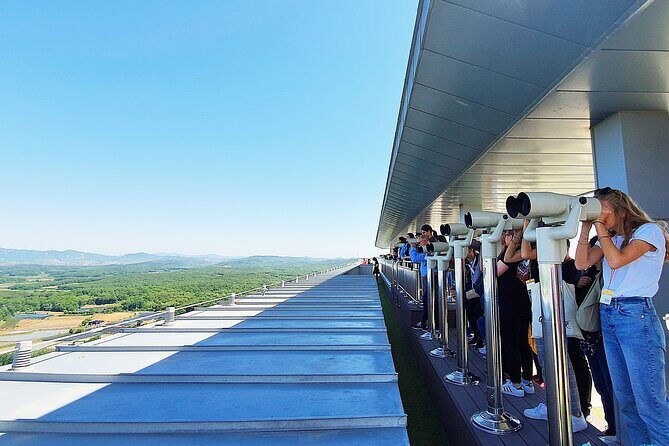
Dora Observatory is one of the rare places where you can witness the reality of the division directly. The tour time here is about 40 minutes, and admission is included.
The practical bonus is the viewing setup. You use telescopes, and on clear days you can even see the flagpole in Kijŏng-dong (the southernmost village in North Korea). That doesn’t mean every day is perfect, but it’s a solid reason not to treat the weather like an afterthought.
There’s also a tone shift at Dora. The site is presented as a look into a propaganda village, and the viewing experience can feel surreal even when nothing is “happening” visibly. If you’re hoping for one specific viewing deck angle, keep expectations flexible; access can be affected by on-site issues like balloon-related closures that have happened on some days.


The Third Tunnel: helmets, 500 meters, and real physical effort
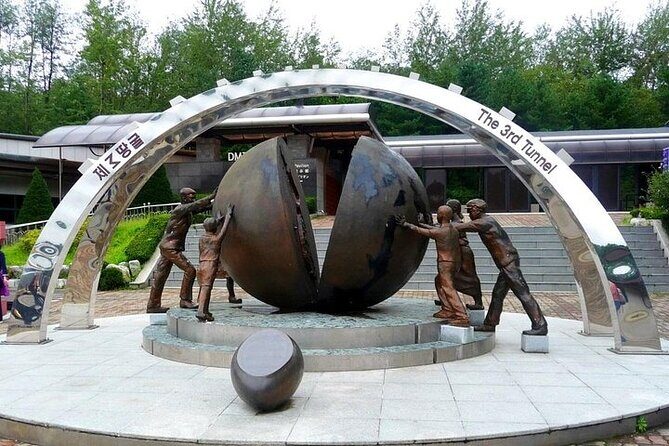
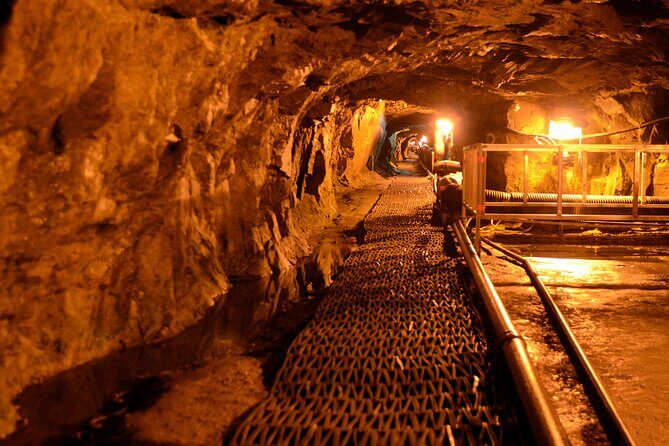
This is the stop most people remember. The tour goes into the Third Tunnel, a North Korean infiltration tunnel discovered in 1978 and built as part of military strategy in the 1970s.
You’ll be given a safety helmet, then walk about 500 meters before reaching the DMZ Exhibition Hall area with relics and a short film about Korean War history. This isn’t a quick look from a platform. You’re moving through a confined, slope-based space, and that changes the experience from “information” to “physical reality.”
Two big caution points are clearly stated:
- It’s not recommended for claustrophobia. You may be able to wait outside instead.
- It’s also not recommended for elderly travelers, since there are slope ways involved.
Even if you’re fine with tight spaces, the tunnel is still a workout. People often mention the uphill climb back out as the hard part. Plan for that, wear good shoes, and don’t schedule anything else right after the tour.
Unification village: what you’ll see depends on access
The itinerary includes a stop connected to Unification Village as part of the DMZ viewing route. The key practical point: in the DMZ, access and viewing options are controlled, so what you can see is always dependent on the day’s restrictions and on-site decisions.
That’s why you should treat this as a guided perspective stop rather than a “perfect photo spot.” You’ll get context from the guide as you move through the area, and you’ll stay within the allowed zones.
Optional Gamaksan Chulleong Suspension Bridge: clouds, height nerves, and weather rules
If you upgrade, you add the Gamaksan Chulleong Suspension Bridge, opened in 2016. It’s described as the longest mountain suspension bridge in South Korea, and it can feel like you’re walking above the clouds.
This is the part of the day where your body feels the difference: more open-air than the tunnel, but with a suspension-bridge kind of movement and height. The tour notes it’s not recommended for travelers with acrophobia (fear of heights). If heights are an issue, you may be able to wait at the viewpoint instead of crossing.
Timing is also straightforward: the bridge stop is about 1 hour and admission is listed as free.
One more practical issue: the bridge can close for heavy rain, snow, or security control. When that happens, the plan may switch to Odusan Unification Observatory instead. That’s not a gimmick; it’s how you avoid getting stranded with a closed access point.
Guides, pacing, and why English quality matters
This tour runs with a professional guide, and the day can go from merely informative to genuinely memorable based on how well the guide explains what you’re seeing.
Across the guide names mentioned, people often call out strong communication and good pacing. You’ll see names like Sookhee, Junie, Veronica, and Mr. Young, and also mentions of guides like Brian. A few reviews praise guides for clear English and for keeping the group on schedule without making the stops feel like drive-by sightseeing.
That said, the tour can include multiple groups and lots of bus activity on the way. Crowds at major checkpoints are a realistic possibility, even with a group cap of 40. If you’re the type who needs quiet to think, bring a mindset for line-ups and shared space.
Price check: why $55 can feel like a deal
At $55 per person, the headline value is that entry fees and round-trip transport from central Seoul are included. In other words, you’re not paying separately for every admission and every transfer out to the border region.
What’s not included is also clear:
- Lunch
- Food and drinks
Hotel pickup and drop-off aren’t included either, which is why meeting at City Hall Station matters. For me, the best way to judge value is this: if you’re a first-timer to the DMZ and you want the major sites handled in one organized day, this price is easier to swallow than piecing it together.
Also, mobile ticket delivery helps you avoid last-minute chaos at checkpoints.
What to pack and what your body should be ready for
This tour asks for moderate physical fitness. The walking adds up, and the tunnel climb is the hard part for many people.
I’d pack for comfort more than style:
- Wear comfy shoes with good grip (you’ll walk, and tunnel conditions can be tiring)
- Bring your passport. A current valid passport is required on the day of travel.
- Bring something light for energy since food and drinks are not included. You might not get a long, relaxed lunch break.
If you have claustrophobia or height fears, don’t gamble. The tour explicitly warns against it for the Third Tunnel and suspension bridge, with waiting options at certain points.
When weather or security closes the big stops
The DMZ is not a theme park. Access changes. The tour states it operates year-round, but the duration can be delayed or shorter following DMZ conditions.
There are also built-in alternative courses:
- If the Third Tunnel and Dora Observatory are closed (common on some Mondays, public holidays, or due to military or weather reasons), you’ll get a special DMZ course. That alternate route can include stops like the North Korea Experience Center, Imjingak Pyeonghwa-Nuri Park, DMZ Peace Gondola, and Gloster Hill Memorial Park, plus the suspension bridge.
- If suspension bridge access is restricted due to conditions, the plan may include Odusan Unification Observatory or other adjusted stops such as the War Memorial of Korea.
The takeaway for you: don’t plan your trip around one single photo you must get at Dora or one must-cross moment on the bridge. Plan around the overall experience of the DMZ day, and the guide will work with what’s open.
Should you book the DMZ + Suspension Bridge option?
Book it if you want a DMZ visit that’s structured, time-efficient, and doesn’t require you to solve border-area logistics yourself. I think it’s a strong choice for first-timers who care about seeing the Third Tunnel and Dora Observatory in the same day, and who can handle a fair amount of walking.
Skip or think twice if:
- You’re claustrophobic (Third Tunnel)
- You’re afraid of heights (suspension bridge)
- You’re looking for lots of downtime or a relaxed lunch schedule
If you’re physically comfortable and flexible about weather and security changes, this tour offers good value for the price: major DMZ landmarks plus an optional “sky walk” finish that gives the day a different emotional tone.
FAQ
What is the price of the DMZ tour with the suspension bridge option?
The price is $55.00 per person.
How long does the tour take?
The duration is approximately 7 hours 30 minutes.
Where do I meet and where does the tour end?
The start and end point is City Hall Station in Seoul.
Is the suspension bridge visit included, or is it optional?
The suspension bridge visit is optional. It’s included if you choose the DMZ + Suspension Bridge tour option.
Do I need a passport?
Yes, a current valid passport is required on the day of travel.
What happens if Dora Observatory or the Third Tunnel are closed?
If the Third Tunnel and Dora Observatory are closed due to military or weather conditions (or on Mondays and public holidays), the tour offers a special DMZ course with different stops such as Imjingak Pyeonghwa-Nuri Park, DMZ Peace Gondola, and Gloster Hill Memorial Park.
What if the suspension bridge is closed due to weather or security?
If the suspension bridge is closed due to heavy rain, snow, or security control, the itinerary can switch to Odusan Unification Observatory instead.
Is lunch included?
No. Food and drinks are not included, and lunch is listed as not included.
Is airport or cruise port pickup provided?
No. Pickup is not provided from the Airport or Cruise Port.
Can I cancel for a full refund?
Yes. You can cancel up to 24 hours in advance for a full refund.