REVIEW · SEOUL
Insightful DMZ Tour by Expert opt. Suspension Bridge with Pickup
Book on Viator →Operated by Here Korea Travel · Bookable on Viator
A peek into a divided Korea.
This guided DMZ experience takes you from Seoul out to Imjingak Peace Park and into key DMZ sites like the Third Tunnel and Dora Observatory, plus a possible stop at the Gamaksan suspension bridge. You also get dedicated time to look toward North Korea with binoculars, and the day is structured so you can focus on what matters without guessing logistics.
I especially like how the guides connect the places you visit to the people and politics behind them, with crisp explanations in English (names you might hear include Joo-Ee, Vincent, Jung, Jake, Jones, and Yujin). I also like the value of the included DMZ entry and the on-the-ground help—free monocular/binocular rental and round-trip transport from multiple Seoul drop zones.
The main consideration is physical effort. The Third Tunnel involves a steep, cramped climb down and then a tough return up, and the tunnel area is tight (around 5 feet), so plan for squatting or walking bent over—especially if you’re traveling with seniors.
In This Review
- Key highlights to watch for
- Why the DMZ day starts at Imjingak Peace Park
- Price and what you really get for $53
- Pickup, timing, and where you end up in Seoul
- Stop-by-stop: what you’ll do at the Imjingak Peace Park area
- Entering the DMZ: the part you can only do with a guide
- The Third Tunnel: where the day becomes a workout
- Dora Observatory: seeing North Korea with your own eyes
- Mangbaedan and Bridge of Freedom: the human side of the border
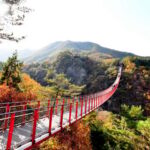
- Optional Gamaksan Chulleong Bridge: suspension bridge views with Korean War context
- Rentals and organization: binocular time, pacing, and clear English guides
- Food markets and Seoul drop-offs after the DMZ
- Who this DMZ tour suits best
- Practical tips so your day goes smoothly
- Should you book this DMZ + optional suspension bridge tour?
- FAQ
- How long is the DMZ tour from Seoul?
- Is hotel pickup included?
- What are the main DMZ stops on this tour?
- Can I visit the Third Tunnel?
- Is binoculars provided?
- Does the tour require a passport?
- How physically demanding is the tour?
- Is the Gamaksan suspension bridge stop guaranteed?
- Where will I be dropped off in Seoul?
- What if the weather is bad?
Key highlights to watch for
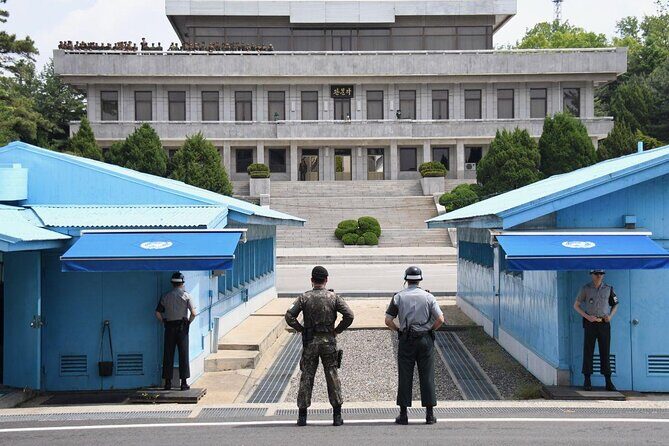
- Third Tunnel access inside the area where infiltration was used after the Korean War
- Dora Observatory viewing with binocular support to see toward North Korea
- Imjingak Peace Park context at stops tied to divided families and prisoner exchange
- Optional Gamaksan suspension bridge for mountain views if weather allows
- Free binocular/monocular rental so you can actually look closely, not just guess
- Seoul drop-offs at food-and-shopping areas like Hongdae, Myeongdong, Gwangjang, and Dongdaemun
Why the DMZ day starts at Imjingak Peace Park
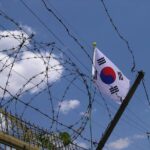
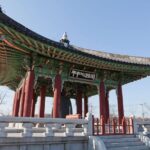
Imjingak Peace Park is where the day’s tone clicks into place. Before you ever enter the DMZ area, you’re introduced to the “why” of the border with classic Peace Park stops such as the Bridge of No Return and the nearby viewing spots tied to the Korean War era. Even if you’ve read about the DMZ, this is where it starts to feel real.
You’ll also see a mix of memorial-style sights and practical orientation points. One of the stops is the Imjingak Tourist Information Center, which is where you handle tickets for the day and get an early overview before the group starts moving.
You can also read our reviews of more tours and experiences in Seoul.
Price and what you really get for $53
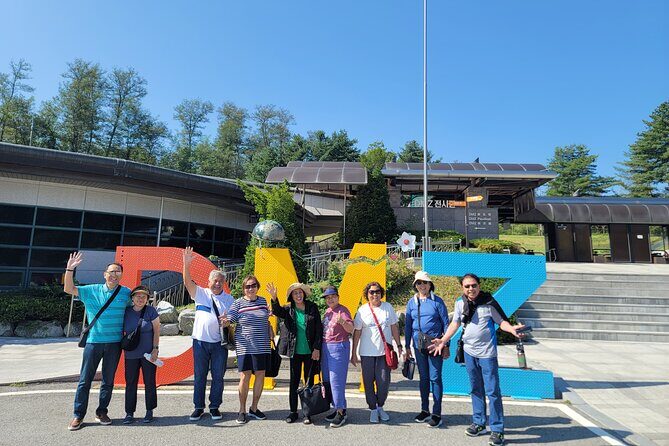
At $53 per person for a full day out of Seoul, the price lands in the “fair value” zone mainly because so much is bundled. You’re not just paying for transportation; you’re also getting the guide-led access to the DMZ sites and included entry fees for key stops.
The included basics add up fast:
- DMZ entry fees for major stops
- An experienced guide
- Air-conditioned vehicle transport
- Free rental of monocular or binocular viewing gear
- Multiple Seoul drop-offs at popular neighborhoods
The optional suspension bridge can be a nice bonus if you choose it and the weather cooperates. Just keep your expectations realistic: this is not a sit-and-see tour. It’s a guided, regulated visit to an active security zone.
Pickup, timing, and where you end up in Seoul
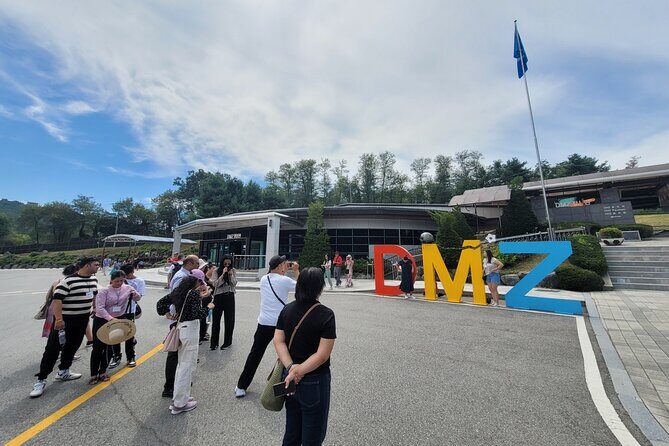
The trip runs about 6 to 10 hours, depending on pacing and conditions. Pickup is optional, and you’ll be traveling in an air-conditioned vehicle with your guide coordinating the day’s flow.
You’ll return to Seoul with drop-offs that can be very convenient for your evening plans. Common drop areas include Hongdae, Myeongdong, Gwangjang market, and Dongdaemun, and there are also stops connected to the central city vibe like Tongilchon-gil and the Hongik Univ. Station area. If you like eating your way through Seoul, this part of the day can feel like a reward.
One smart move: plan for the fact that you’ll likely have a late lunch and a full day of walking before you get back to dinner. I’d keep something light in your bag so you don’t end up starving during waiting time.
Stop-by-stop: what you’ll do at the Imjingak Peace Park area
The day typically begins at the Imjingak Tourist Information Center for ticket handling and quick orientation. From there, you shift into the Peace Park area where the guide explains key points and landmarks related to the Korean War and its aftermath.
You’ll get a walkthrough of major named spots, including areas tied to prisoner exchange stories. The guide also points out what you should look for and where you’ll stand later for viewing. This matters because the day’s later observation points can be visually subtle—your guide helps you “read” what you’re seeing.
There’s also a stop that highlights the theme of divided families: Mangbaedan. The tour frames it as a place where separated families come to visit and connect to memories of home. It’s short, but it carries weight.
Entering the DMZ: the part you can only do with a guide
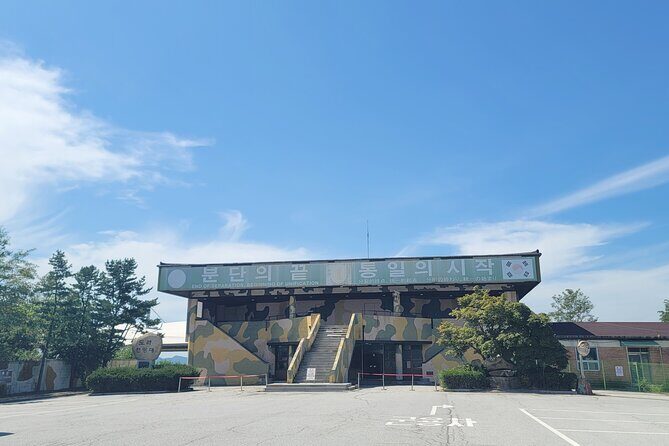
Once you reach the DMZ portion of the route, the day turns from sightseeing into controlled access. You’ll visit the major observation and historical points that a guide schedules inside the allowed time windows.
A key stop here is the Dora Observatory area. You’ll also head to places tied to underground infiltration. The common thread is that every stop has a reason, and the guide keeps the narrative tight so you’re not just walking between plaques.
Your group size is capped at 40 travelers, which usually means you’re not stuck in a giant crowd shuffle. Some departures are even smaller, so your guide can help you find good viewing angles without a constant scramble.


The Third Tunnel: where the day becomes a workout
This is the moment most people remember. The Third Tunnel is an infiltration tunnel dug after the Korean War, and you actually go inside it as part of the visit. The payoff is big: you see the physical reality of how tunneling was used, not just pictures on a screen.
The drawback is also big: it’s physically demanding. You’ll go down ramps and then climb back out. Inside, you’re dealing with a low tunnel area (around 5 feet), so you’ll likely squat, walk bent over, or adjust your posture constantly. If you’re not used to close-space crawling or steep ramps, it can slow you down.
My practical advice is simple: wear shoes you can move in for a cramped, uneven surface, and avoid anything you can’t bend in. I’d also bring a light layer. Tunnel air can feel cooler, and you’ll be working your way between temperature swings.
Dora Observatory: seeing North Korea with your own eyes
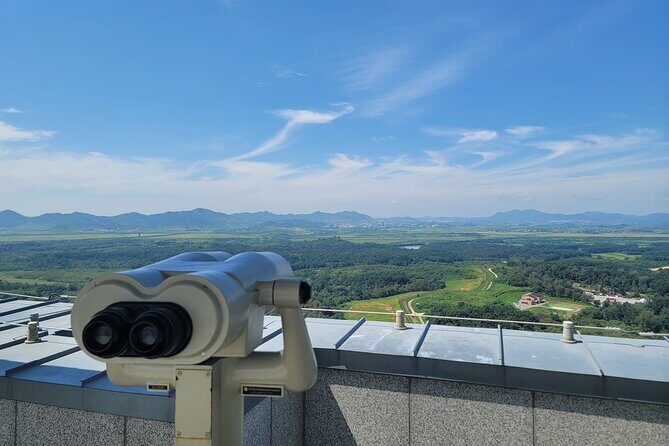
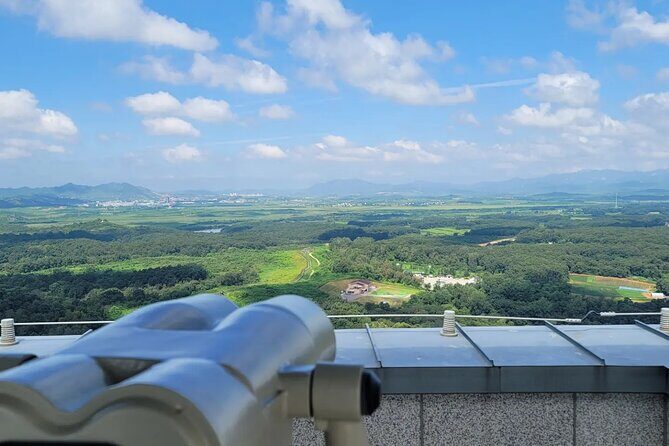
Dora Observatory is where the tour’s viewing theme really pays off. You’ll visit an area that’s designed for looking toward North Korea, and the tour setup includes binoculars to help you see details.
One standout feature is that you’re not limited to guide pointing. The day is structured so you get your own time to look with support gear, and your guide explains what you’re seeing and where major targets like Gaeseong can fit into the bigger picture.
Some guides also adjust the viewing experience for your group by helping you find angles for photography and focusing your attention on the right lines of sight. It can be the kind of stop where the guide’s timing makes all the difference.
Mangbaedan and Bridge of Freedom: the human side of the border
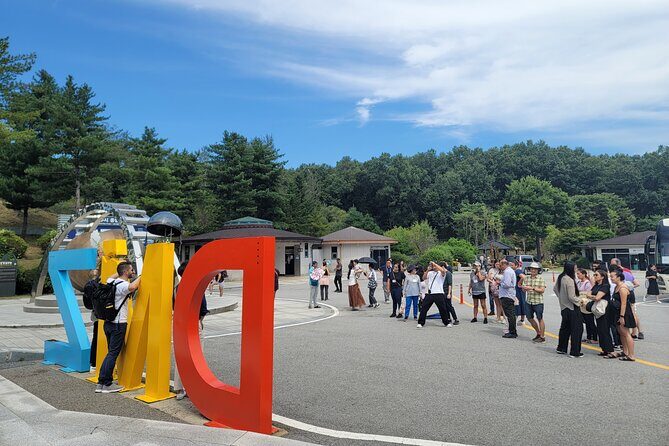
The DMZ isn’t only concrete and cables. It’s people—families separated for decades, communities split by political lines, and stories that don’t fit neatly into a brochure.
Two Peace Park-linked stops highlight that human angle:
- Mangbaedan, tied to separated families visiting and coping with missing home
- Bridge of Freedom, explained as a historical stop before entering the DMZ area
Even if these stops are short, I like how the guide uses them to slow the day down. It helps you shift from checklist thinking to a more grounded understanding of why the border still matters in daily life.
Optional Gamaksan Chulleong Bridge: suspension bridge views with Korean War context
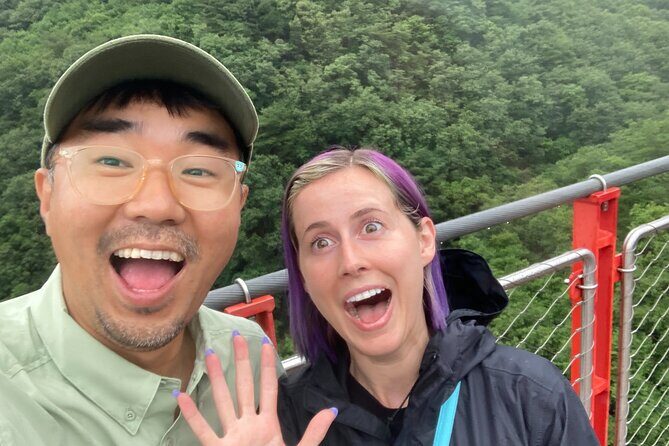
The optional stop at Gamaksan Chulleong Bridge adds a different flavor to the day. It’s a suspension bridge on Mt. Gamaksan, and the tour frames the area as part of the Korean War battlefield landscape. For many people, it’s a visual release valve after the tunnel: you get fresh air, forest views, and a break in the storyline.
The big catch is weather. The experience is described as requiring good weather, and rain can disrupt whether the suspension bridge stop happens. If the bridge is canceled for weather, that still leaves you with a full DMZ day—just with less mountain scenery.
If you love views and you’re okay with another stretch of walking, this optional add-on is worth considering. If you know you’ll struggle with physical effort, you might skip it and keep energy for the tunnel portion.
Rentals and organization: binocular time, pacing, and clear English guides
This tour includes free rental of a monocular or binocular, and that helps you actually use observation points. It’s also a small but meaningful detail for value. You don’t need to hunt for gear in Seoul the day before, and you’re not stuck squinting.
Guide quality is a huge part of the experience. Many guide names show up in standout feedback: Joo-Ee and Vincent get praise for strong English and keeping the group moving on schedule. Others like Jung and Jake are mentioned for clear pacing and making sure people can take things at their own speed.
A practical note: you’ll likely receive instructions on where to stand, when to meet, and what to focus on. That kind of coordination is what keeps the day from feeling like chaotic line-waiting.
Food markets and Seoul drop-offs after the DMZ
After a regulated DMZ day, you’ll probably want something normal: snacks, street food, and a bit of walking without security checkpoints.
The tour includes drop-offs near several food and shopping zones. You may have time connected to places like Gwangjang Market and Dongdaemun, plus areas around Hongdae and Myeongdong. There’s also a stop at a local market with lots of street food choices (the day description mentions over 120 options), which can be a convenient dinner plan once you’re back in the city.
You’ll also stop by Tongilchon-gil, described as an actual village in the Civilian Control Zone, where locals live. It’s a short stop, but it helps balance the day by showing a small slice of life right next to the larger political story.
Who this DMZ tour suits best
This tour fits best if you want a structured, guide-led way to see the DMZ sites that require access rules. You’ll learn more when the stops are explained in plain language, and this format is built around that.
It’s also a good choice if you want an all-in-one day from Seoul with clear viewing gear and multiple drop-off options so you don’t waste your evening in transit.
If you’re sensitive to cramped spaces, steep ramps, or low ceilings, you should take the physical demand seriously. The tunnel portion is the hardest part, and the description notes it can be challenging for seniors.
Practical tips so your day goes smoothly
Here’s how I’d prep for this exact tour style.
- Bring a valid passport. It’s required on the day of travel.
- Wear sturdy shoes. The tunnel includes steep ramps and uneven walking, and you’ll likely be moving differently in a low-ceiling space.
- Pack a rain plan. Weather can affect whether the optional suspension bridge happens.
- Plan for movement. Even if the schedule includes breaks, you’re still walking a lot across multiple sites.
- Bring layers. You’ll move between outdoor air and enclosed spaces like tunnels.
If you’re hoping to do the suspension bridge option, add a little extra caution if you’re already feeling tired from the tunnel. That’s when people get sloppy on footing.
Should you book this DMZ + optional suspension bridge tour?
Book it if you want a well-structured DMZ day that includes the big named stops (Imjingak Peace Park, Third Tunnel, Dora Observatory) and gives you actual viewing time with binocular support. It’s also good value at $53, because you’re paying for access, entry fees, and guide-led explanation—not just a bus ride.
Skip the optional suspension bridge if you want to keep the day lower-effort, or if weather looks rough. And if the idea of a low, cramped tunnel sounds like your personal nightmare, consider choosing a less physically demanding tour style.
FAQ
How long is the DMZ tour from Seoul?
The tour lasts about 6 to 10 hours, depending on timing and conditions.
Is hotel pickup included?
Hotel pickup is optional. If you select pickup, you’ll receive details about the pickup time in advance via messages.
What are the main DMZ stops on this tour?
You’ll go to Imjingak Peace Park and then visit key DMZ sites including the Third Tunnel and Dora Observatory, along with shorter stops tied to divided families and historical viewing points.
Can I visit the Third Tunnel?
Yes. The tour includes entry so you can go inside the Third Tunnel during the scheduled time.
Is binoculars provided?
Yes. The tour includes free rental of monocular or binoculars for North Korea viewing.
Does the tour require a passport?
Yes. A valid passport is required on the day of travel.
How physically demanding is the tour?
It has a moderate fitness level requirement. Expect a lot of walking, plus ramps and a physically challenging tunnel experience. The tunnel is around 5 feet tall, so crouching or walking bent over may be needed.
Is the Gamaksan suspension bridge stop guaranteed?
It’s optional and depends on your choice and weather. The experience requires good weather.
Where will I be dropped off in Seoul?
You can be dropped off in areas such as Hongdae, Myeongdong, Gwangjang market, and Dongdaemun. The day also includes shorter stops like Tongilchon-gil and other central areas.
What if the weather is bad?
The experience requires good weather. If it’s canceled due to poor weather, you’ll be offered a different date or a full refund.
![[Perfect Private Tour] Nami island, Petite France and Organic Strawberry Farm - Price and value: what you’re paying for at $198 per person](https://8.koreaadventures.com/wp-content/uploads/perfect-private-tour-nami-island-petite-france-and-organic-strawberry-farm.jpg)