REVIEW · SEOUL
Private DMZ Tour (No Shopping): 3rd Tunnel & Suspension Bridge
Book on Viator →Operated by PLK TRAVEL · Bookable on Viator
DMZ day, but with breathing room. This private full-day trip takes you from central Seoul into the tense geography of the Demilitarized Zone, with the big-ticket stops like the Third Infiltration Tunnel and Dora Observatory. I especially like the focus on history without the headache of forced shopping, and I like that you choose between the bridge options after the DMZ part. One possible drawback: even with a private booking, the DMZ entry portion may still involve aligning with shared transport timing, so it’s not end-to-end private.
What makes this work well is how your guide turns checkpoints, viewpoints, and monuments into a story you can actually follow. The guides—whether it’s Tiger, Marie, Alfonso, or Won—tend to pace the day for your questions, not for a mass-tour timetable.
In This Review
- Key things that make this DMZ tour worth your time
- Price and what you’re really paying for at $198
- Getting to the DMZ: hotel pickup, passport rules, and the ID checkpoint
- Imjingak Park area: Freedom Bridge, Steam Locomotive, and the Mangbaedan altar story
- Mangbaedan Altar: ancestral rites and the refugee lens
- The DMZ entry itself: why timing and security rules shape your experience
- Third Infiltration Tunnel: the 1978 discovery and what you feel inside
- Dora Observatory: a north-facing viewpoint from Mt. Dora
- Imjingak to peace monuments: why this stop changes the tone of the day
- Gamaksan Chulleong Bridge option: the short hike and the battlefield angle
- Majang Lake suspension bridge option: battle memory at water level
- When weather disrupts plans: suspension bridge swaps and viewpoint alternatives
- What the private guide experience feels like in real life
- How long is the day, and how physically demanding is it?
- Who should book this DMZ tour (and who should think twice)
- Should you book? My practical take
- FAQ
- How long is the DMZ tour?
- Is hotel pickup included?
- Do I need a passport?
- Are tickets included for the stops?
- Is lunch included?
- Can I choose between the bridge options?
Key things that make this DMZ tour worth your time
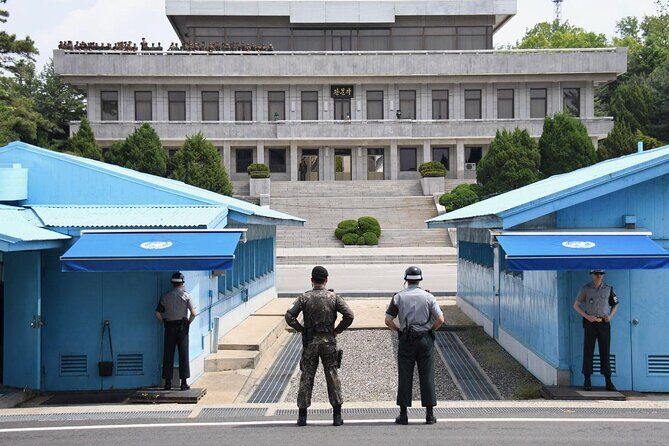
- No shopping stops: the schedule is built around sights and briefing time, not store time.
- Private, air-conditioned transportation: you can start the day fresh and not melt in a crowded van.
- Third Infiltration Tunnel (discovered Oct 17, 1978): a real, physical slice of the tunnel story under the DMZ.
- Dora Observatory (opened Jan 1987): a clear-day “look across” experience focused on what you can see from Mt. Dora.
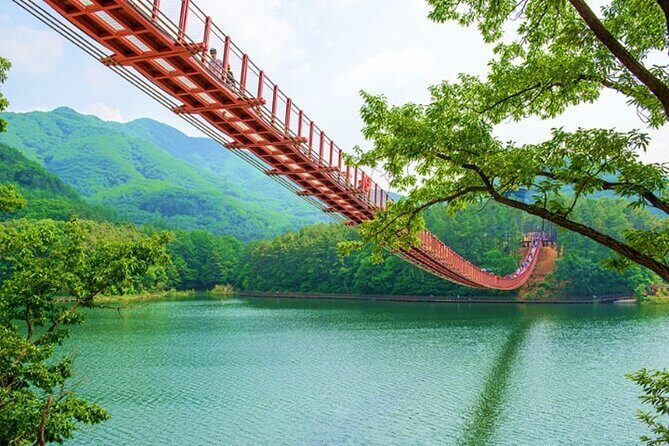
- Bridge choice after the DMZ: Gamaksan Chulleong Bridge (with a short uphill walk) or Majang Lake’s suspension bridge area.
Price and what you’re really paying for at $198
At $198 per person for an 8 to 9 hour day, this is not a budget “see the zone, snap a few photos, move on” tour. You’re paying for two things that matter: private guide attention and private comfort getting to and from the DMZ area.
Think of it like this: the DMZ itself has rules, lines, and security limits. Once you factor that reality in, the real question becomes what you get around those constraints. This tour pays off because you’re not stuck with a large group’s pace, and your guide can tailor explanations to your questions. In the reviews, guides like Tiger (with firsthand DMZ-area military background) and Marie (who plans around crowds) are the kind of reason people feel the money was used well.
Is it worth it? If you’re the type who likes context—how and why things are where they are—yes. If you mainly want a quick checklist of sites and don’t care about interpretation, you’ll feel the cost.
You can also read our reviews of more private tours in Seoul
Getting to the DMZ: hotel pickup, passport rules, and the ID checkpoint
The day starts with pickup offered (so you’re not juggling transit while also managing passport stress). You’ll be in an air-conditioned vehicle for the drive, which helps because the DMZ day can be long and physically tiring.
Plan on needing your passport. The tour requires the passport name, number, expiry, and country at booking, and you’ll need a current valid passport on the day of travel. That’s not just paperwork fluff; it’s tied to access.
Also, expect smart casual dress. This matters more than it sounds. You’ll do some walking, you’ll be outside for parts of the day, and you’ll likely stand in lines long enough to feel it in your feet if you wear the wrong shoes.
Imjingak Park area: Freedom Bridge, Steam Locomotive, and the Mangbaedan altar story
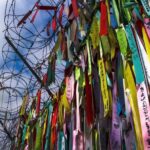
Before you go fully into the DMZ area, you’ll move through the Imjingak Park area with a set of key stops. This portion is the emotional setup. You’re not just learning dates—you’re seeing how the peninsula’s division shows up in objects and monuments.
At Imjingak, you’ll cover three notable sights:
- Bridge of Freedom
- Mangbaedan Altar
- A steam locomotive destroyed during the Korean War
Imjingak was built in 1972, and it’s meant to turn a symbol of division and tension into one associated with reconciliation and reunification hopes. When you stand there with a guide who explains the refugee angle and the memorial intent, the park feels less like a tourist stop and more like a place with gravity.
Mangbaedan Altar: ancestral rites and the refugee lens
Mangbaedan is an altar where North Korean refugees in the South hold ancestral rites on major holidays for relatives left in the North. If you want a human-scale way into the DMZ story, this is one of the best moments of the day. It turns geopolitics into family memory.
Admission here is noted as free in the itinerary, so you’re mostly just paying with time and attention.
The DMZ entry itself: why timing and security rules shape your experience
Once you’re moving through the DMZ entry process, you’ll do an ID check. After that, you’ll follow the day’s route inside the controlled area.
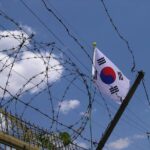
Here’s the practical reality: the DMZ has strict rules, and you’re limited in what you can do. In the supplied experiences, photo restrictions came up—some areas may not allow photos. So I’d go into this mentally prepared to treat pictures as optional, not the main goal.
Also, remember that even with a private tour, the DMZ visit can still involve shared logistics. One review flagged that the DMZ visit portion used a tour bus. Translation: you might still be coordinating with schedules even when you have a private guide. That’s worth knowing so the day doesn’t feel like a bait-and-switch.
You can also read our reviews of more shopping tours in Seoul




Third Infiltration Tunnel: the 1978 discovery and what you feel inside
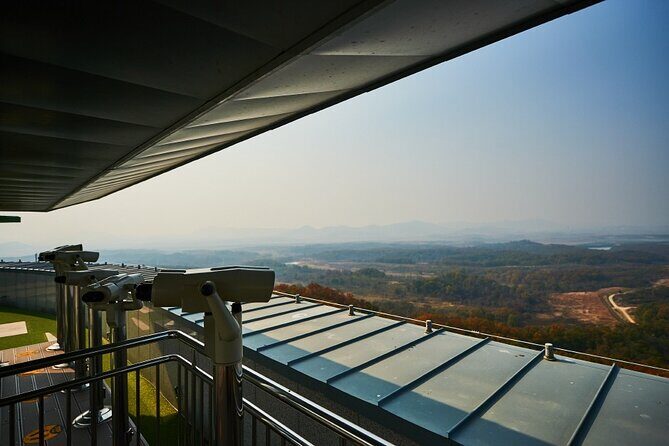
The Third Tunnel is one of those places where your brain stops being abstract. It’s a tunnel dug by North Korea southward under the DMZ area. It was discovered on October 17, 1978, and it sits about 12 km from Munsan and roughly 52 km from Seoul.
You’ll spend about 40 minutes here, and admission is listed as free. That free admission part matters because tunnel time can become expensive on other tours. Here, the value is in how long you get and how clearly your guide frames what you’re walking into.
What makes the tunnel memorable is scale and intent. This isn’t a “look at a model” stop. You’re dealing with a structure built for movement and surprise. Even if you’ve read about tunnels before, seeing the physical constraints changes how you understand the threat environment.
A good guide makes a big difference inside places like this. In the reviews, guides (especially Tiger) were described as using materials like slides and maps to give context, and sometimes even binoculars to spot details from viewpoints. If your guide has that kind of approach, you’ll get more out of the tunnel than just the wow factor.
Dora Observatory: a north-facing viewpoint from Mt. Dora
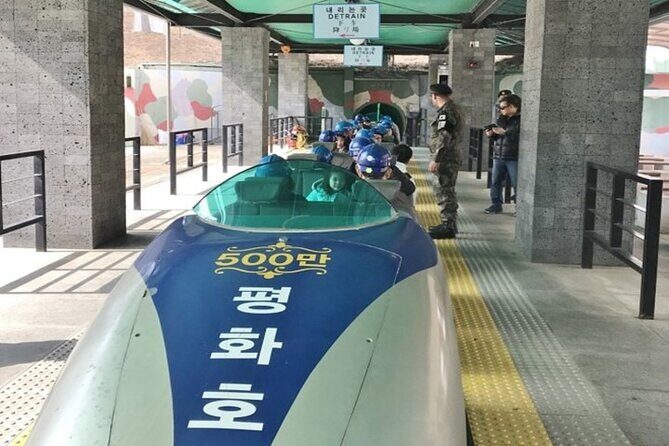
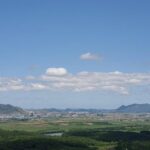
Next up is Dora Observatory, on the west side of South Korea. It’s the northernmost observatory on that side, and it opened in January 1987 atop Mt. Dora.
On clear days, you can see toward places like the Gaeseong Industrial Complex and Mt. Songak in Gaeseong. The itinerary lists these kinds of sightlines as part of what the observatory is about.
This stop is shorter—about 20 minutes with free admission—so think of Dora as a focused “look and understand” moment, not a long wander. The best use of your time here is to ask your guide what you’re likely to see depending on weather and visibility. If your guide has experience explaining the geography, you’ll get that satisfying feeling of “oh, I get why this viewpoint matters.”
Imjingak to peace monuments: why this stop changes the tone of the day
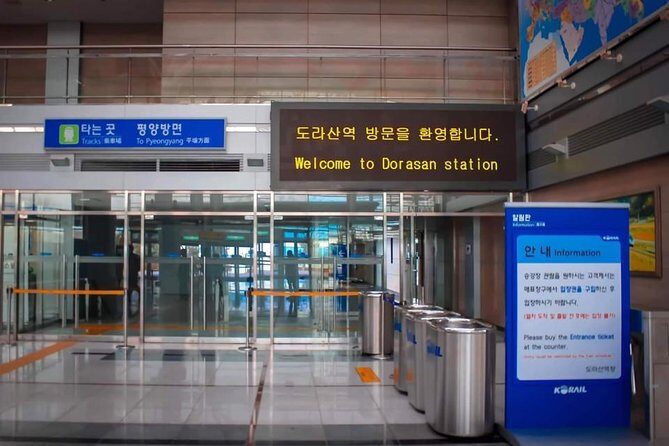
You’ll also hit the part of the itinerary that’s described as wishing for reunification and peace, and as aiming to transform Imjingak into a reconciliation-focused symbol. That’s not just poetry in the tour notes. It gives you a tonal shift.
Most DMZ tours can become an endless loop of confrontation. Here, the memorial frame helps balance things. You still get the tense structures, but you also get the idea that people living near these borders think in terms of families, futures, and what might replace division.
It’s one of the reasons I like the sequencing: after you see the monument language, the tunnel and observatory don’t feel like random “military stuff.” They connect to the same themes.
Gamaksan Chulleong Bridge option: the short hike and the battlefield angle
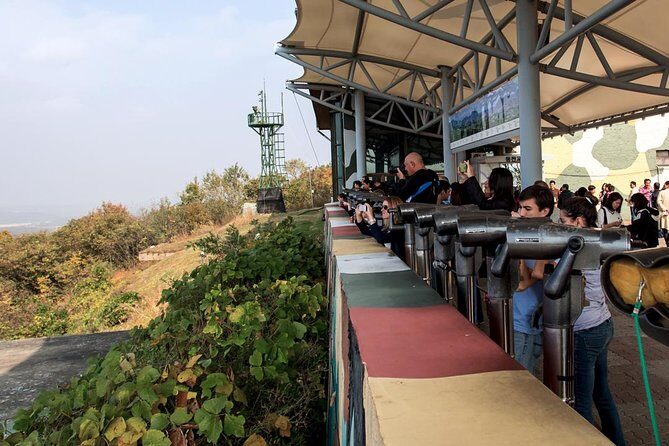
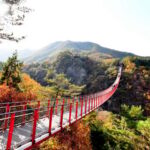
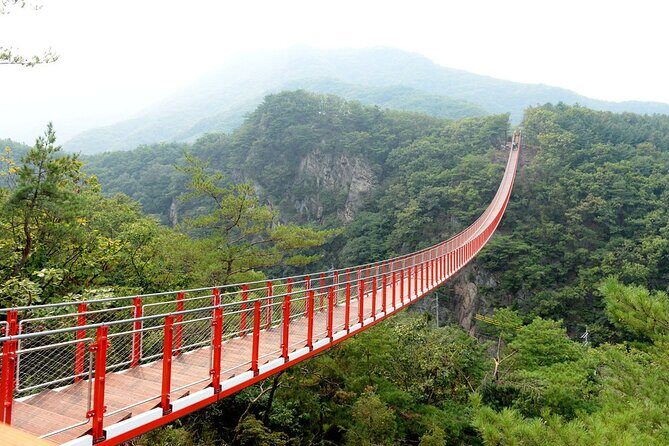
After the DMZ portion, you’ll choose between the bridge experiences. Option 1 is Gamaksan Chulleong Bridge, described as the first stop of a short hiking course with about 15 minutes of walking to the uphill section.
The bridge is listed as one of the longest suspension bridges in Korea, with a 150 meter length. It also has a battlefield past tied to the Korean War.
This option works well if:
- you don’t mind a bit of walking,
- you like pairing scenic views with story context, and
- you want a “movement” element after long hours of sitting on bus-like routes and standing in lines.
Drawback to consider: if you’re not a steady walker, that uphill time can add friction to an already demanding day.
Majang Lake suspension bridge option: battle memory at water level
Option 2 is Majang Lake. The itinerary places it in the Korean War context, noting that Allied forces fought a fierce battle there and many soldiers sacrificed their lives. It’s paired with a suspension bridge experience in this part of the day, and the time on-site is about 40 minutes with free admission.
The Majang Lake option tends to feel more grounded and reflective because it ties the bridge to the war story of a specific place rather than just an elevated viewpoint.
If you’re wondering how this choice affects your day: it’s mostly about pace and vibe. Gamaksan includes that short uphill walk, while Majang Lake is positioned as a longer stop in the area.
When weather disrupts plans: suspension bridge swaps and viewpoint alternatives
DMZ days run on weather. Clear visibility matters for observatories, and muddy or rainy conditions can mess with the bridge portion.
In the experiences you shared, one person’s suspension bridge stop couldn’t be completed due to bad weather, and another noted the later bridge decision was skipped because of heat and humidity. In that case, the guide suggested an alternative viewpoint experience (Odusan Observatory was mentioned).
So if you book this, don’t treat the bridge stop as guaranteed in the exact form. Treat it as a plan that depends on conditions. Your guide’s job is to keep the day meaningful even when a portion changes.
What the private guide experience feels like in real life
This tour sells “private,” and most of the value comes from what your guide does with that freedom.
In multiple experiences, guides were praised for:
- planning ahead to beat crowds,
- answering questions clearly,
- staying personal instead of rushing,
- using story tools like slides and maps,
- and sometimes adding practical extras like restaurant suggestions.
Tiger, in particular, was described as both very knowledgeable and experienced, including first-hand military perspective from patrolling the DMZ area. That kind of background isn’t just trivia. It shows up in how they explain operations and how they connect the tunnel and observatory to real-world strategy.
Marie, Alfonso, and Won were repeatedly noted for being personable and organized—like getting to the DMZ early to reduce time in lines and navigating the day with a calmer rhythm than large groups.
If you’re traveling with kids, the difference can be huge. One family described how the guide’s explanations helped make the day feel culturally relevant, not just historical.
How long is the day, and how physically demanding is it?
The tour is listed as 8 to 9 hours. That’s a long stretch, even with breaks. And the itinerary includes walking time around checkpoints and the option hike to Gamaksan’s uphill section.
One experience flagged that the tour was more physically demanding than the itinerary made clear. So I’d treat this as a day for people with moderate stamina. If you have mobility issues, you’ll need to think carefully about:
- line standing,
- the uphill walking option (if you choose Gamaksan),
- and the fact that weather can also change what you do and where you stand.
Who should book this DMZ tour (and who should think twice)
Book this if you:
- want a history-focused DMZ day with interpretation, not just a photo drive-through,
- care about comfort and prefer a private guide pacing you,
- like the idea of choosing between Gamaksan Chulleong Bridge and Majang Lake,
- and you’re okay with photo limits and strict rules as part of the experience.
Think twice if you:
- need a truly fully private DMZ entry process with no shared bus timing. Some tours still align with transport schedules.
- are very sensitive to weather-driven changes. The bridge portion can be affected.
- expect lunch to be included. Lunch isn’t listed as included.
Should you book? My practical take
If your heart says DMZ and your brain says you want meaning, this is a strong choice. The best part isn’t the checklist. It’s the way a skilled guide helps you connect Imjingak’s memorial message to the Third Tunnel’s physical reality and Dora Observatory’s “look across” geography.
My advice for getting the best value:
- If early timing helps where crowds form, ask your guide about what pickup time will help you most.
- Wear shoes that handle walking and standing.
- Choose the bridge option based on your stamina: Gamaksan has that uphill walk; Majang Lake is the longer area stop without the explicit uphill time.
- Keep your expectations flexible for weather. When things shift, a good guide can still protect the day.
If you want an authentic, guided DMZ day without shopping distractions—and you’re willing to follow the rules of the place—this tour is the kind you’ll talk about long after you’re back in Seoul.
FAQ
How long is the DMZ tour?
It runs about 8 to 9 hours.
Is hotel pickup included?
Pickup is offered, and the tour includes private transportation from your Seoul hotel.
Do I need a passport?
Yes. You’ll need a current valid passport on the day of travel, and passport details are required at booking.
Are tickets included for the stops?
The DMZ stop includes an admission ticket, while several other stops in the itinerary are listed as free admission.
Is lunch included?
No, lunch isn’t included.
Can I choose between the bridge options?
Yes. You can choose between Gamaksan Chulleong Bridge and the Majang Lake suspension bridge option.