REVIEW · SEOUL
Local Home Korean Cooking Class & Market Adventure in Seoul
Book on Viator →Operated by Hello K Cooking Class · Bookable on Viator
A Korean home-cooking class in Seoul is a fast way in. This one mixes a guided market walk with hands-on lessons at a local chef’s home, then ends with a full hansjeongsik-style dinner. I especially like the small group size (max 10) because you get real attention, and I love that you go beyond cooking to learn what to buy and why.
The one possible drawback: you’ll be actively cooking and eating for about 3.5 hours, so it’s not ideal if you only want to watch from the sidelines or you have a very low tolerance for getting hands-on in someone’s kitchen.
Key points I’d plan around
- Mangwon Market + street snacks: learn ingredients you’ll actually find in Korea
- Four dishes hands-on: you’ll cook classics like bibimbap and dakgalbi
- Hanjeongsik dinner: a meal with 10+ side dishes plus dessert
- Small group (max 10): more time with the chef, not just a quick demo
- Added Korea flavor: makgeolli with your meal, plus small roadside-type tastings
- Recipes and photos: you get recipe copies after class (and often images from the session)
In This Review
- Seoul Market Meets a Real Home Kitchen: What Makes This Class Worth It
- Price and What You Actually Get for $91
- Mangwon Station Meeting Point: Getting Started Without Stress
- Mangwon Market Adventure: Street Food, Ingredients, and How to Shop Like a Local
- Why this market stop matters (and the one thing to watch)
- 100% Hands-On Cooking at a Local Chef’s Home: How the Class Really Feels
- The Menu: Four Dishes, Bibimbap or Dakgalbi, and a Real Hanjeongsik Feast
- Makgeolli, Market Snacks, and the Small Extras That Make It Memorable
- Who Should Book This Seoul Cooking Class (and Who Might Skip It)
- Tips Before You Go: Make the Afternoon Flow
- Should You Book Hello K Cooking Class? My Recommendation
- FAQ
- Where is the meeting point for the Local Home Korean Cooking Class & Market Adventure?
- How long is the tour?
- How many people are in the group?
- What dishes do you make during the cooking class?
- What kind of meal is included at the end?
- Is there a market visit before cooking?
- Does the experience include a mobile ticket?
- Does the tour end where it starts?
- Do you receive recipes after the class?
- Can I cancel for a full refund?
Seoul Market Meets a Real Home Kitchen: What Makes This Class Worth It
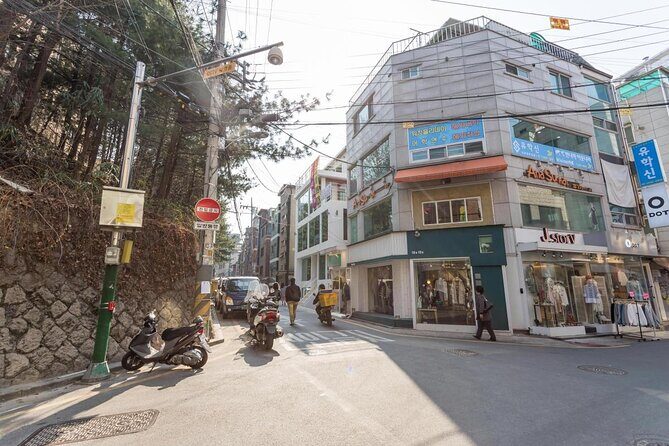
If you want more than a photo-friendly cooking demo, this style of tour hits the sweet spot. You start with a market visit that teaches you what Koreans look for when they shop, then you shift into a proper cooking class at your host’s home. It ends the way it should: you eat what you made, with the extra sides that make Korean meals feel like a full event.
I like how the pacing supports learning. You’re not handed a list of ingredients and rushed into cooking. First you see produce, seasonings, and street-food habits up close, then you cook with purpose. And because the group is capped at 10 people, it’s easier to ask questions and get corrections without feeling lost.
There’s also a cultural layer that goes beyond recipes. The market portion includes street food tasting and talk about typical herbs and spices, so you start understanding Korean flavors as choices, not mystery. By the time you sit down to your hanjeongsik-style meal, you’re not just eating more food. You’re eating with context.
Price and What You Actually Get for $91
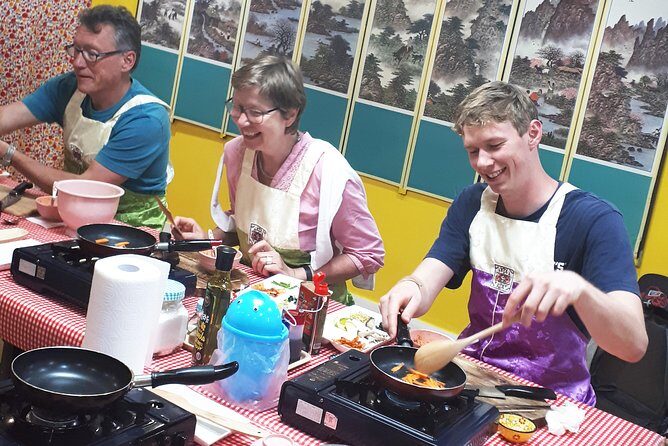
$91 per person for a 3.5-hour experience sounds straightforward, but the value comes from how the pieces fit together. You’re paying for four big things in one run: a guided market adventure, a hands-on cooking session, a full hansjeongsik-style dinner with lots of sides, and tastings along the way.
This isn’t just “cook one dish, eat a small plate.” The dinner includes more than 10 different side dishes, plus dessert and a glass of makgeolli. That matters in practical terms: it turns the class from a snack-sized activity into a real meal plan for your day. If you’re visiting Seoul on a budget, replacing one restaurant meal with this can help justify the price.
The other value point is access. With a max of 10 travelers, you get more host attention than bigger group classes. Many cooking lessons feel like watching a show with a quick try. Here, the structure is built for you to do the work.
You can also read our reviews of more shopping tours in Seoul
Mangwon Station Meeting Point: Getting Started Without Stress
The meetup is simple and public-transport friendly. You meet at Mangwon Station Entrance 2 (address listed as 377-20 Mangwon-dong, Mapo-gu, Seoul). The tour ends back at the same meeting point, so you don’t have to figure out your route home after dinner.
This is a good setup for planning: you can build the rest of your day around it. For example, you can treat the class like your main afternoon activity and then plan a low-effort evening. Also, since it’s near transit, you’re not locked into a taxi ride if you’re hopping around Mapo or nearby neighborhoods.
One more practical note: your confirmation comes at booking, and the tour uses a mobile ticket. That’s one less thing to manage when you’re juggling trains, metro cards, and street directions.
Mangwon Market Adventure: Street Food, Ingredients, and How to Shop Like a Local
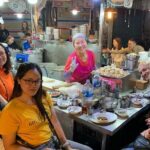
The market portion is where you start building Korean-cooking intuition. You’ll walk with your host through Mangwon Market and get pointers on local foods, typical herbs and spices, and how to choose ingredients you’ll use later. For many people, this is the part that feels like a mini cultural lesson, not just a pre-cooking stop.
You’ll also do street-food style sampling during the walk. Expect snacks that help you understand what “street” means in Korea, not just what’s plated in a restaurant. Some reviews mention trying foods like kwabaeggi, and that kind of tasting is useful because it links a snack you recognize with the cooking logic behind it.
Another smart piece: you learn what ingredients are in season and how they show up in everyday cooking. One review also points out a small but memorable detail: the difference between Korean spring onions and what many people know as chives. It’s the kind of tiny comparison that prevents ingredient confusion later when you try recipes at home.
Why this market stop matters (and the one thing to watch)
This market walk pays off because it gives you “how to buy” skills, not just “how to cook.” When you see a sauce, spice, or vegetable in context, it becomes easier to recreate the flavors at home. You’ll leave with a better mental map of Korean flavors, which makes the cooking lesson less like memorizing steps.
The main consideration: you’ll be walking and tasting, so come hungry but not stuffed. If you go in extremely full, you can miss the point of the sampling.
100% Hands-On Cooking at a Local Chef’s Home: How the Class Really Feels
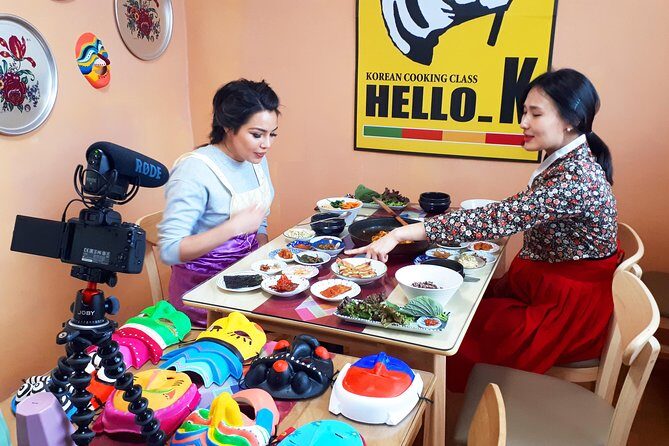
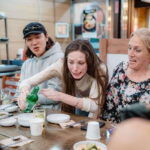
This isn’t a classroom kitchen. It’s a real local home setup, which changes the feel from formal to personal. Your host welcomes you into their home and leads you step-by-step as you cook, with a relaxed vibe but real practical instruction.
Hosts in the experience are often named Sarah or Junghee in past sessions, and reviews consistently describe them as friendly and interactive. That personality piece matters because home-kitchen classes are about trust. When you feel comfortable asking questions, you learn faster.
Expect practical tips during cooking, not just a recipe read-through. Many reviews highlight small, usable guidance that helps people cook more confidently. There’s also an element of language learning. Multiple reviews note that the host teaches basic Korean phrases during the class, which can be handy even after the tour ends.
Another good sign: the instruction is described as fun and easygoing, and people mention that even non-cooks can handle the process. That doesn’t mean it’s sloppy. It means the teaching style aims for clarity and keeps you moving.
A few more Seoul tours and experiences worth a look



The Menu: Four Dishes, Bibimbap or Dakgalbi, and a Real Hanjeongsik Feast
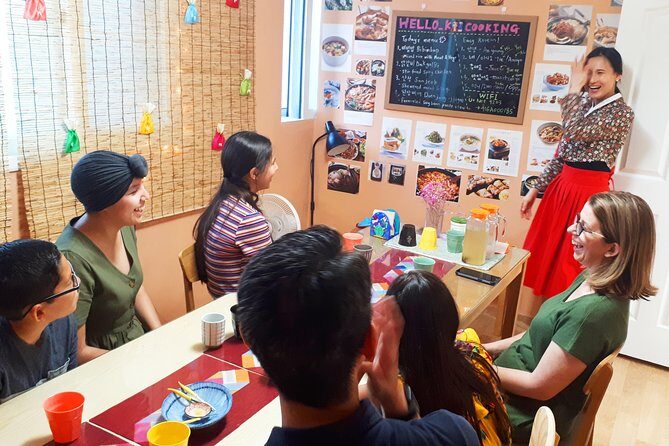
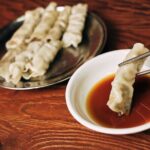
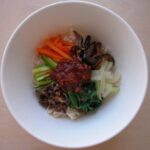
The cooking lesson includes making four Korean dishes. The highlights list mentions classics like bibimbap rice and dakgalbi, and the experience is structured so you’re not stuck making just one main dish. You’ll also learn traditional techniques as you cook, which is a big difference from classes where you only assemble pre-made components.
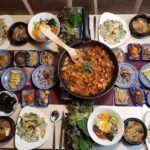
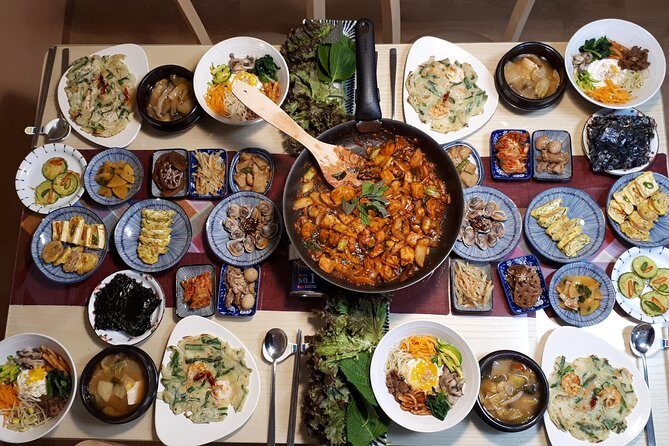
Then comes the meal: a traditional hansjeongsik dinner with over 10 side dishes, plus dessert. That’s a major value add. Korean side dishes are part of the culture, not an afterthought, and a hanjeongsik-style table is designed for variety and balance.
What makes this portion particularly satisfying is that you’re eating your own work, alongside additional sides prepared for the table. So you get both the satisfaction of making key dishes and the comfort of a full spread that rounds out the meal. And yes, you’ll also have a glass of makgeolli with dinner.
Some reviews also mention dessert details like a honeydew flavored popsicle. Even if dessert varies by session, the general idea stays the same: the meal includes something sweet at the end, so you’re not leaving still thinking about snacks.
Makgeolli, Market Snacks, and the Small Extras That Make It Memorable
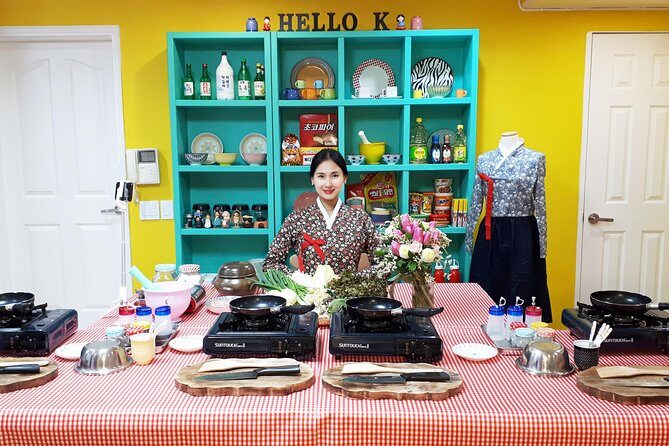
Food experiences can feel similar if every class is just “walk, cook, eat.” This one adds small extras that make it feel more like a shared afternoon in Seoul than a transaction.
One common theme in reviews: the host adds personal stories and culture notes during the walk and class. People also mention that the host sends follow-up help like restaurant recommendations after the tour. That’s not required, but it’s the kind of added support that helps you keep traveling with momentum.
You may also get photography moments. Reviews mention that hosts take pictures during the class and share them soon after. That matters for families and groups because it reduces the awkward question of who’s taking the group shot while your hands are busy chopping.
And of course, there’s the drink. Makgeolli isn’t just another item on a list. It’s part of how the meal feels Korean and seasonal, and having it included keeps the dinner from feeling like a rushed finish.
Who Should Book This Seoul Cooking Class (and Who Might Skip It)
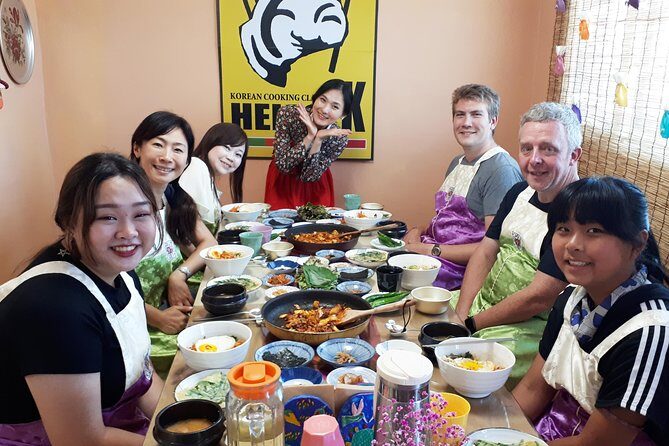
This class is a great fit if you want an intro to Korean cooking that doesn’t require prior experience. Reviews highlight that both families and older kids enjoy it, and one report even includes teenagers (ages 16 and 18) and an adult group member. The format works because you’re not just watching; you’re doing.
It’s also a strong choice for couples and small groups. A max of 10 travelers keeps the mood friendly and helps you get feedback while cooking. If you’re the type who loves learning through doing, you’ll like the rhythm: market first, then kitchen, then feast.
If you’re someone who prefers hands-off activities, you might find the cooking time a bit more demanding than you want. Also, since you’re eating multiple dishes and sides, plan for appetite. This is not a light snack tour disguised as a meal.
Tips Before You Go: Make the Afternoon Flow
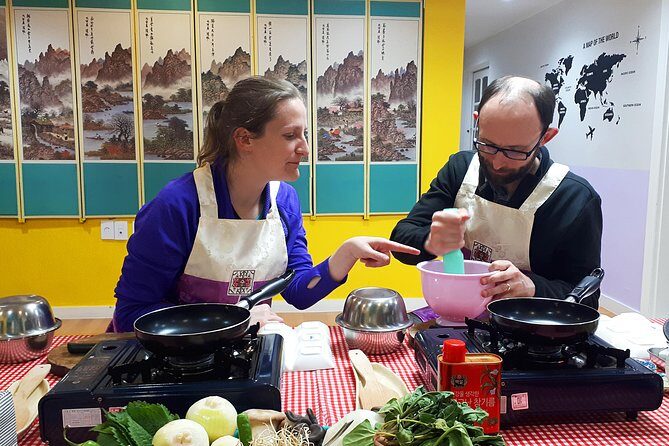
A few practical moves will help you enjoy this more:
- Wear comfortable shoes. The market walk includes frequent stops, and you’ll be on your feet during cooking.
- Bring a curious mindset about ingredients. The point of the market is learning what you see and how it’s used later.
- Don’t over-plan right before or right after. With a 3 hours 30 minutes duration, keep the rest of your day simple.
- If you want to recreate the meal later, take advantage of the recipe copies after class. Reviews mention recipe copies are provided, which makes the experience easier to repeat at home.
- If you’re sensitive to strong flavors, tell your host during cooking. The class includes herbs and spices, and it’s better to adjust early than to power through.
One more good reason to go in with flexibility: the class atmosphere is often described as fun, with plenty of interaction and a teacher who’s happy to talk through Korean food culture, not just cooking steps.
Should You Book Hello K Cooking Class? My Recommendation
Yes, I’d book this if you want a Seoul experience that feels authentic and practical. The reason is simple: you’re getting market learning, hands-on cooking, and a full meal with sides and makgeolli, all in a small-group format. At $91, the price starts to make sense because it replaces a chunk of a day and delivers more than one dish worth of food and technique.
You should also book if you like the idea of a Korean home kitchen and you’re comfortable participating. The best part of these classes is when you ask questions and try the steps, not when you just watch from the back.
Skip it if you want a short, casual taste-only activity, or if you strongly prefer to avoid cooking. This one is built around making, learning, and eating.
If your goal is to leave Seoul with recipes you can actually use and with a clearer sense of Korean ingredients, this is one of those afternoons that tends to stick.
FAQ
Where is the meeting point for the Local Home Korean Cooking Class & Market Adventure?
The meeting point is Mangwon Station Entrance 2, at 377-20 Mangwon-dong, Mapo-gu, Seoul.
How long is the tour?
It runs about 3 hours 30 minutes.
How many people are in the group?
The group is limited to a maximum of 10 travelers.
What dishes do you make during the cooking class?
You’ll create four Korean dishes, such as bibimbap and dakgalbi, plus you’ll learn traditional cooking techniques.
What kind of meal is included at the end?
You’ll enjoy a traditional hanjeongsik-style dinner with over 10 side dishes, along with dessert and a glass of makgeolli.
Is there a market visit before cooking?
Yes. You’ll have a guided market visit, including street food tasting and learning about typical herbs and spices.
Does the experience include a mobile ticket?
Yes, the tour includes a mobile ticket.
Does the tour end where it starts?
Yes, the activity ends back at the meeting point.
Do you receive recipes after the class?
The class provides recipe copies after the experience, based on review details.
Can I cancel for a full refund?
You can cancel up to 24 hours in advance for a full refund, and changes within 24 hours aren’t accepted.

![[KoreaByLocal] Authentic Seoul Night Walk and Chicken & Beer - Your local host: the stories behind the sights (Teddy and Jessica were praised)](https://8.koreaadventures.com/wp-content/uploads/koreabylocal-authentic-seoul-night-walk-and-chicken-beer.jpg)