REVIEW · SEOUL
Korean Folk Village Half-day Guided Tour from Seoul
Book on Viator →Operated by Seoul N Tour · Bookable on Viator
Time-travel happens in a day trip. You’ll ride about an hour out of Seoul with a guide who frames what you’re about to see, and past groups have been led by guides like Veronica, Jenny, and Anna on the drive. That added context makes the village feel more than just old buildings.
I especially like the chance to step inside Joseon-era homes—not just look at them from outside. You also get a guided walk around the restored village, where you can watch folk performances and see artisans working in workshops.
One thing to plan around: this is not recommended for travelers with walking problems. The village is walk-heavy, and you’ll want to move at a comfortable pace on your own feet.
In This Review
- Key highlights worth aiming for
- From Myeongdong to the Joseon Era in about five hours
- Getting the story on the ride out of Seoul
- Entering the Joseon-era houses: more than photo ops
- Workshops, crafts, and what to notice while artisans work
- Folk music, dance, and jultagi acrobatics when weather cooperates
- What the day feels like: group size, pace, and comfort
- Price and value: does $63 make sense for what you get?
- Who should book this tour (and who might skip it)
- Should you book the Korean Folk Village half-day guided tour?
- FAQ
- How long is the Korean Folk Village half-day guided tour?
- Where do I meet the tour, and where do I end?
- What time does the tour start?
- What’s included in the price?
- Is food and drinks included?
- What if the weather is bad?
Key highlights worth aiming for
- A guided story on the ride out of Seoul, led by guides such as Veronica, Jenny, and Anna
- Joseon-era houses you can enter, including details and household artifacts
- Artisan workshops for crafts like pottery, baskets, and brassware
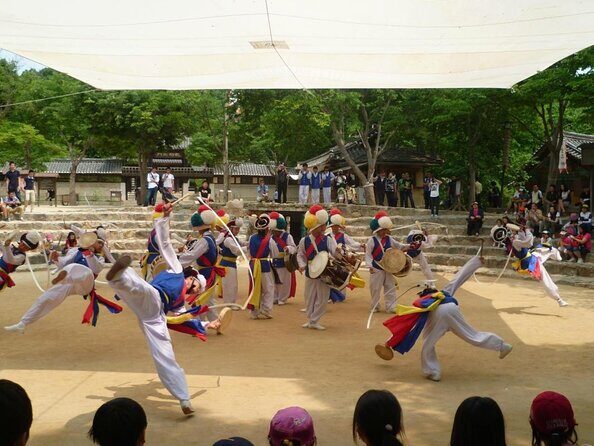
- Live folk demonstrations (including jultagi tightrope acrobatics and nongak music) when weather allows
- Good value package: guide, transportation, and entrance fees included in one price
From Myeongdong to the Joseon Era in about five hours
This is a true half-day outing. The schedule is built around a midday start: you meet near Myeongdong Station and then head out of Seoul on a climate-controlled bus. Even though the village visit itself runs just under three hours, the total experience is about 5 hours, because you’re also spending time getting there and back.
Here’s the rhythm I think works best: use the ride time to get your bearings and vocabulary, then switch into “slow walking mode” once you’re inside the village. The Korean Folk Village covers a lot of ground with restored structures and open-air performance areas, so you’ll enjoy it more if you treat it like a guided stroll rather than a checklist sprint.
You’ll end back at Myeongdong Station, making it an easy add-on before dinner plans in Seoul. And since it uses a mobile ticket, you won’t spend time hunting for paper confirmations.
You can also read our reviews of more guided tours in Seoul

Getting the story on the ride out of Seoul
The drive from the city is about an hour, and that time isn’t just “travel time.” On this tour, the guide typically uses the ride to set the context—how Joseon-era life was organized, what certain house details were meant to communicate, and what to look for once you arrive.
This matters because Korean Folk Village can otherwise feel like a museum you walk past quickly. With a good guide, you start seeing patterns: where daily life happened, how spaces relate to work and family life, and why the site was created in the first place.
Past tour guides have included Veronica, Jenny, and Anna, and the common thread is a clear, friendly explanation style. I like that approach because it keeps the pace moving. You’re not stuck decoding everything on your own, but you’re still free to wander in the village at your own rhythm once you get the basics.
Entering the Joseon-era houses: more than photo ops
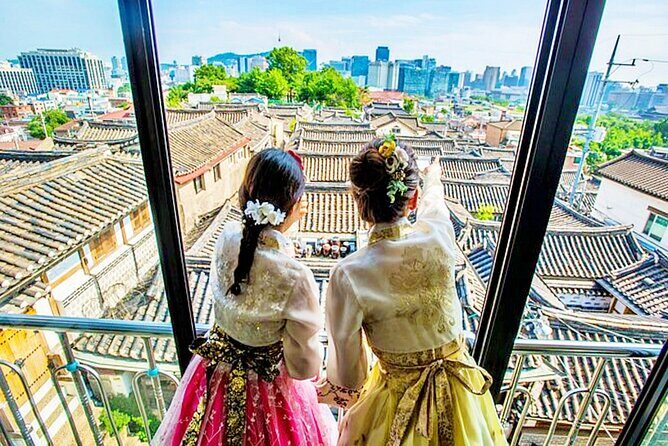
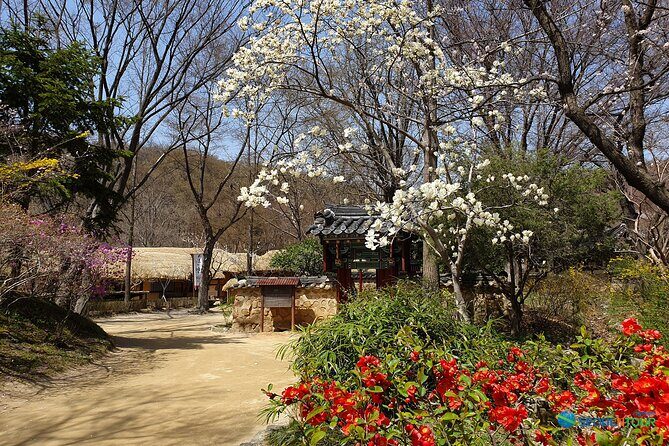
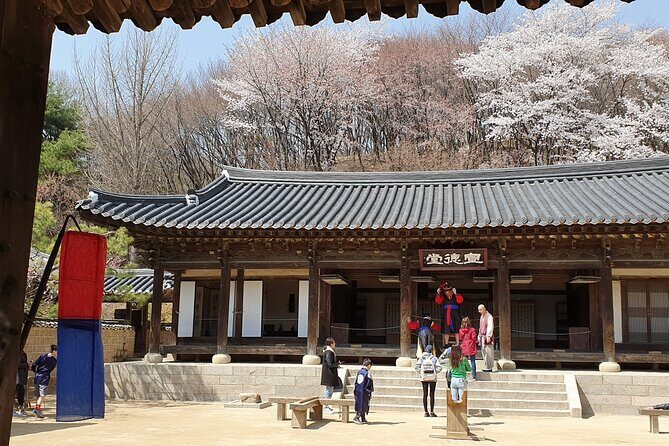
The heart of the visit is the village itself. The Korean Folk Village was founded in 1974 and contains 270+ traditional homes, reconstructed and relocated from different parts of Korea. Many of these structures date to the late Joseon era, which is why the village is so useful for understanding how the architecture and household layout differed across regions.
What you’ll love here is that you don’t just observe. You can walk into restored houses, which makes it easier to grasp how people lived day to day. You’ll also see architectural details and household artifacts tied to different regions. That combination—architecture plus everyday objects—is what turns the village from a pretty set of buildings into something you can learn from quickly.
A practical tip: when you step inside, take a moment before moving deeper. Look at the entry space and how rooms connect. Even a few seconds of observation helps you understand the flow of the home. Then you’ll notice more as the guide points out key features.
One more useful detail: the village is a frequent filming location for historical dramas, so parts of it are designed to feel authentic on camera. That doesn’t mean it’s staged for tourists—it means the environment stays true to period visuals, which is great if you like seeing how history looks in real space, not just in textbooks.
Workshops, crafts, and what to notice while artisans work
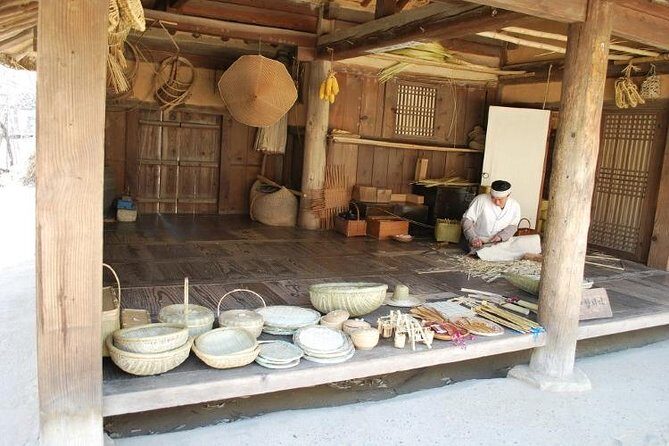
After you get a feel for the homes, the tour shifts into hands-on culture. You’ll have time to visit workshop areas where traditional artisans demonstrate and make crafts. The village highlights things like blacksmithing, and you may see work connected to items such as pottery, baskets, and brassware.
This is one of the best parts for people who like small, practical details. You’re not only learning what objects looked like—you can watch how they’re made, and that makes the crafts feel less abstract. A guide can also help you connect the workshop demonstrations to what you saw inside the houses. For example, household objects you noticed on display start to feel like functional parts of daily routines, not random decor.
I also think this is where you’ll get the most personal interaction, because crafts are visual and process-based. If a demonstration is in progress, stand where you can see the work—not just the crowd’s head level. If you want photos, be ready to ask politely at a natural break in the action.
Folk music, dance, and jultagi acrobatics when weather cooperates
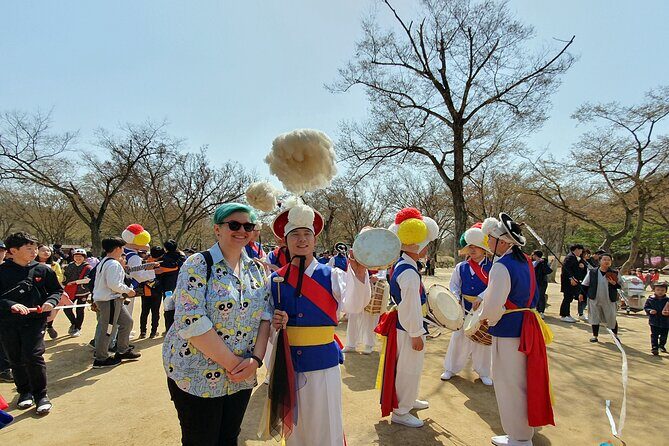
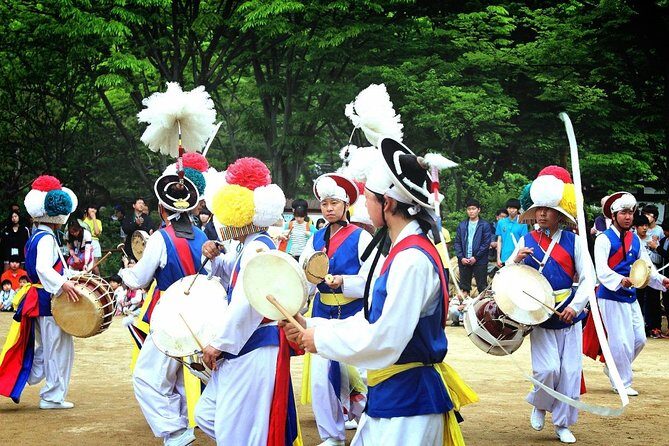
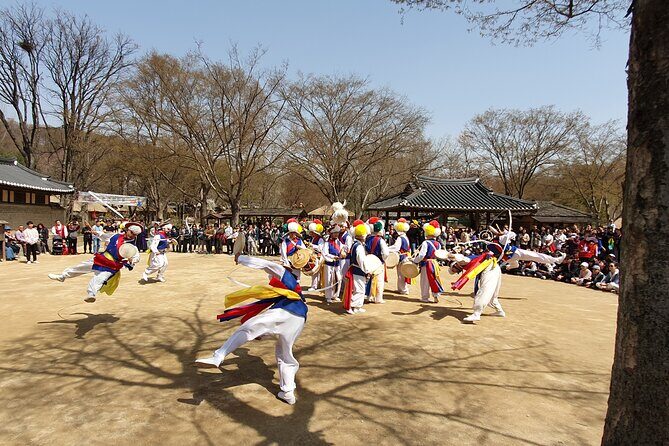
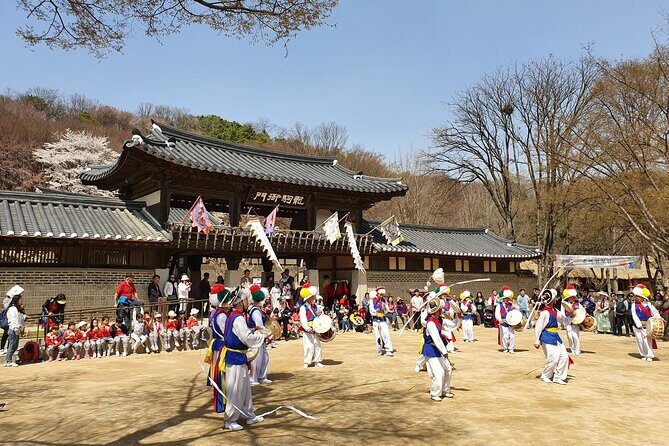
The village isn’t only architecture and crafts. It’s also stage performance. You can see live demonstrations of folk traditions such as jultagi tightrope acrobatics and nongak musical performances. There are also folk music and dance elements, plus other traditional art forms, and the exact lineup can depend on timing and weather.
Weather matters because the acrobatics are specifically noted as being weather permitting. I suggest you check the forecast before you go and dress in layers. Even in good weather, outdoor shows can get breezy—so bring something light that you can put on quickly.
Timing is another big factor. This is a half-day schedule, so you don’t have unlimited flexibility to chase every show. A strong guide helps you catch live action when it’s happening. From guide performance patterns I’ve seen, the best ones will guide you to the right area at the right time so you don’t miss the main demonstrations.
You’ll likely also appreciate that performers are open to interacting during the right moments. If photos are important to you, keep your camera ready and be respectful. It helps to smile, ask clearly, and move out of the way after a quick shot.
A few more Seoul tours and experiences worth a look

What the day feels like: group size, pace, and comfort
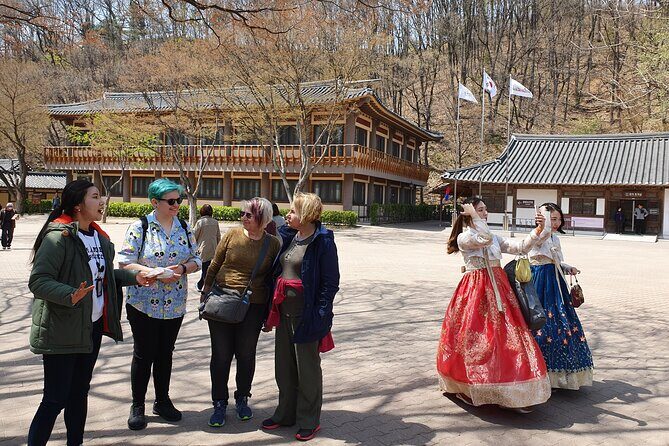
This tour runs with a maximum of 40 travelers, which is large enough to feel lively but not so huge that it’s impossible to hear your guide. You’re usually going to follow a group rhythm, but there’s also enough space that you can slow down inside the houses and workshops.
The pace is the main thing to plan for. You’re looking at:
- A meeting time around 12:30 pm
- A 1 pm departure from Seoul for the drive
- About 2 hours 50 minutes in the village
- Return travel and drop-off around Myeongdong Station
So, yes, it’s a “half-day” tour—but it’s not a lazy walk in the park. I’d set expectations for a steady schedule and bring comfortable walking shoes. If you’re someone who needs long rests or step-free routes, this may be frustrating since the experience is explicitly not recommended for walking problems.
Also keep your afternoon open. This ends with a station drop-off in Myeongdong, which is convenient, but you don’t want to stack a long, complicated appointment right after pickup time.
Price and value: does $63 make sense for what you get?
At $63 per person, this tour isn’t the cheapest way to see the Folk Village. The value comes from what’s bundled.
You’re getting:
- A professional guide
- Transportation from Seoul via climate-controlled bus
- Entrance fees included
- All fees and taxes
For a site like this, entrance and guided interpretation usually make the difference between a quick photo stop and a visit that actually teaches you something. If you tried to do it on your own, you’d still be paying for admission and then figuring out transport timing, which can eat up the same half-day you want to spend enjoying the village.
In other words, you’re paying for convenience plus interpretation. If you like structure and want someone to point out meaning behind the homes, that package price feels fair. If you hate group pacing and prefer total freedom, you might feel constrained by the schedule.
Who should book this tour (and who might skip it)
Book it if you want a guided, efficient way to understand Joseon-era life. It’s a great fit for:
- First-timers in Seoul who want one clear cultural day trip
- People who enjoy live cultural performances
- Anyone who likes architecture but also wants to understand what the buildings meant
- Travelers who appreciate craft demonstrations more than just shopping
Consider skipping or switching plans if:
- You have limited mobility or need step-free access (this tour isn’t recommended for walking problems)
- You’re sensitive to weather changes, since key demonstrations depend on it
- You dislike group logistics and would rather explore on your own schedule
Should you book the Korean Folk Village half-day guided tour?
I’d book it if you want a tidy cultural package that combines enterable Joseon homes, artisan workshops, and live folk performances—all while keeping the travel burden off your plate. The guide component is the real multiplier here. When a guide helps you connect house layout, household objects, and folk traditions, the village becomes more memorable and less like a collection of exhibits.
I’d hesitate only if walking is a challenge for you or you’re going at a time when weather might look shaky. Otherwise, this is a strong way to turn one afternoon in Seoul into something genuinely different.
If you do book: wear comfortable shoes, dress for possible outdoor breezes, and keep your camera ready for the moments where performers and artisans are most interactive.
FAQ
How long is the Korean Folk Village half-day guided tour?
It runs about 5 hours in total (including travel), with roughly 2 hours 50 minutes spent at the Korean Folk Village.
Where do I meet the tour, and where do I end?
The tour starts at Myeongdong Station (Exit 1061-7, Chungmuro 2(i)-ga, Jung District) and ends at Myeongdong Station (Exit 10).
What time does the tour start?
The start time is listed as 12:30 pm, with departure from Seoul around 1 pm.
What’s included in the price?
The price includes a professional guide, pick-up at 2 places in Seoul, entrance fees, transportation, and all fees and taxes.
Is food and drinks included?
No. Food and drinks are not included.
What if the weather is bad?
The experience requires good weather. If it’s canceled due to poor weather, you’ll be offered a different date or a full refund.