REVIEW · SEOUL
Half-Day South Korea DMZ Small-Group Tour from Seoul
Book on Viator →Operated by Etourism Co.Ltd · Bookable on Viator
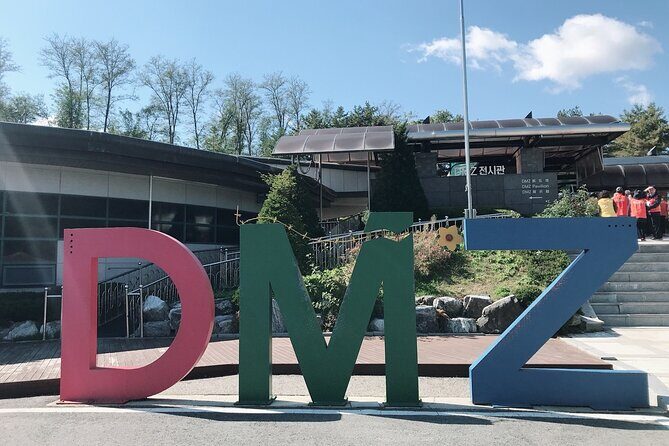
Cold history, close up, takes your breath. This Half-Day South Korea DMZ Small-Group Tour pulls you out of central Seoul for a focused look at war, separation, and the strange realism of border landmarks. You get a guided run of major DMZ sites in about 6.5 hours, with English commentary and small-group pacing.
What I like most is the chance to see the DMZ through actual structures and viewpoints: you’ll visit the 3rd Tunnel and stand at Dora Observatory where you can look out toward North Korea. I also really appreciate the guide setup—feedback highlights people like Henry Park for clear explanations, good time management, and the kind of professionalism that helps when the schedule has strict limits.
One thing to plan carefully: DMZ entrance tickets are limited and handled first come, first served, and you must bring your original passport (no copies, no photos). If you miss the ticket window, the day can feel less flexible than other tours.
In This Review
- Key tour highlights worth your attention
- DMZ in six and a half hours: what you actually get
- Price and logistics: when $500 per group feels fair
- Getting the DMZ ticket: original passport only
- Leaving Seoul: timing, transport, and the rhythm of the day
- Imjingak Pyeonghoa-Nuri Park: monuments, 7 km from the line
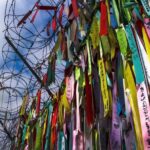
- Freedom Bridge in Paju: a short stop with big symbolism
- The 3rd Tunnel at Paju: dimensions that change how you feel
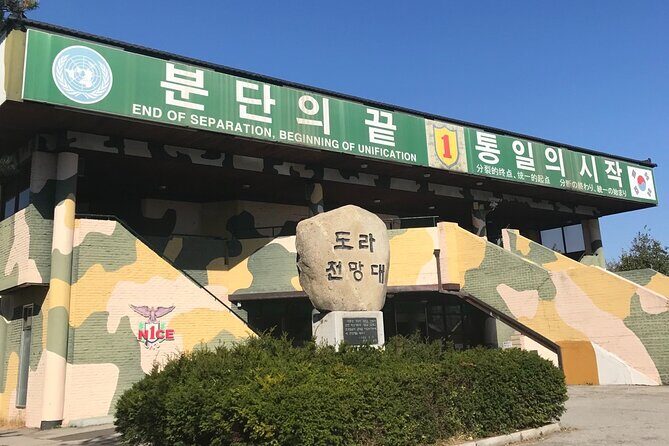
- Dora Observatory: a public viewpoint across the border
- The Seoul wrap-up: ginseng museum and duty-free time
- Guide quality matters: why Henry Park gets mentioned
- Weather and the day you should plan for
- Who this tour is for (and who should think twice)
- Should you book this DMZ small-group tour or not?
- FAQ
- Where do I meet for the tour?
- Is an original passport required for the DMZ?
- How long is the tour?
- What’s included in the price?
- What is not included?
- How far in advance should I book?
- What happens if the weather is poor?
- When will I get confirmation?
Key tour highlights worth your attention
- 3rd Tunnel walk: a real tunnel experience, not just photos.
- Dora Observatory viewpoints: see North Korea-facing locations from a public observatory area.
- Imjingak Pyeonghoa-Nuri Park: Korean War statues and monuments about unification hope.
- Paju stops with meaning: Freedom Bridge and the surrounding DMZ-side context.
- Small group, guided: max 10 travelers with English commentary and transport.
- Mobile ticket: convenient day-of access once you’re confirmed.
DMZ in six and a half hours: what you actually get
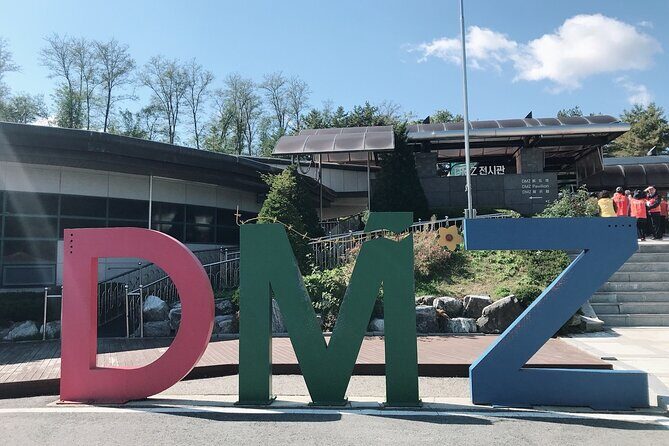
This is not a “big bus for a quick look” kind of morning. It’s a tight half-day built around the DMZ’s most visitable, publicly accessible experiences—monuments, bridge symbolism, and two major DMZ-area checkpoints with time for walking and observation.
You start at Seoul City Hall at 8:00 am and you’re back in Seoul afterward. The tour runs about 6 hours 30 minutes, which means you’ll feel the day moving fast, but not rushed in a chaotic way.
Because the group is capped at 10 travelers, the guide can keep things orderly. That matters at the DMZ, where timing and document checks aren’t optional.
A few more Seoul tours and experiences worth a look
Price and logistics: when $500 per group feels fair
The price is $500 per group (up to 4). If you travel as a pair, you’re paying a higher per-person share than a family of four. But the trade is that you’re buying a package: transport, guide commentary, and admission where included.
You also avoid the common pain of trying to piece together DMZ access yourself. Here you’re not just paying for transportation—you’re paying for the guided flow and the practical handling of a day that has strict site rules.
So think of it like this: if you can fill the group and split the cost, the value gets much easier to swallow. If you’re solo, it can still be worth it if DMZ access is your top priority and you want the day planned for you.
Getting the DMZ ticket: original passport only
This is the hard rule that shapes everything about the experience. For entry into the DMZ areas, you need your original passport. The tour’s requirement is strict: no copy and no photo.
Tickets are also limited and handled on a first come, first served basis. That’s why the suggested planning rhythm matters. Booking about one month ahead gives you the best shot at getting the DMZ access you’re expecting.
Last-minute bookings are possible, but timing can be unpredictable. If you’re the type who hates uncertainty, don’t leave it to chance.
Leaving Seoul: timing, transport, and the rhythm of the day
You’re picked up from Seoul City Hall (Subway Line 1). Expect a day that starts early and stays structured, because the DMZ sites you’re visiting run on tight schedules.
Everything is handled for you in terms of all transportations. That’s a big deal because DMZ-area travel isn’t just driving—it’s managing arrival windows and group processing.
Also, the tour uses a mobile ticket. It’s a small convenience, but on a day with checkpoints it helps you avoid fumbling with paper.
Imjingak Pyeonghoa-Nuri Park: monuments, 7 km from the line
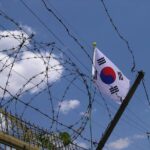
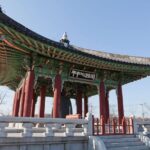
Your first stop is Imjingak Pyeonghoa-Nuri Park, about 7 km from the military demarcation line. This is the kind of place where the visuals do the teaching. Statues and monuments about the Korean War are set up to carry a message: the hope that unification could someday happen.
The park was built in 1972, and that detail gives the site a specific “time capsule” feeling. It’s not only about what happened; it’s also about what South Korea hoped for when these monuments were designed.
You’ll have about 45 minutes there and admission is included. If you like to read plaques and not just snap photos, you’ll feel like you got enough time to absorb it.


Freedom Bridge in Paju: a short stop with big symbolism
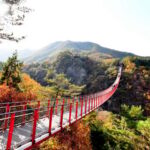
Next you head to Paju for a stop at Freedom Bridge. The bridge is described as being built for temporarily use, so don’t expect big architectural drama. The meaning is in the name and the story.
Freedom Bridge got its name because South Koreans came back into South Korea through this route. It’s a reminder that the conflict isn’t only about battle—it’s about movement, return, and the long pause between “then” and “now.”
You only spend around 20 minutes here, and that’s about right. This is a quick contextual stop that helps the later DMZ viewpoints hit harder.
The 3rd Tunnel at Paju: dimensions that change how you feel
The most physically memorable part is the 3rd Tunnel stop. It was discovered in 1978 by South Korean forces, and the tour gives you the scale of what that means: the tunnel is about 1,635 meters long, and the dimensions are tight—around 2 meters in width and 2 meters in height.
There’s also an estimate tied to the tunnel’s purpose: roughly 30,000 soldiers. Whether you think about that as logistics or strategy, the numbers change your emotional reaction. This isn’t abstract history.
You’ll have about 45 minutes for this stop, and there’s no admission fee listed for it. Still, the “cost” here is your comfort level. Based on the dimensions, you might find it a little claustrophobic or physically demanding, so wear shoes you can walk in confidently.
Dora Observatory: a public viewpoint across the border
After the tunnel, you go to Dora Observatory, open to the public since 1987. This is where the day shifts from “you inside the story” to “you looking out at the reality.”
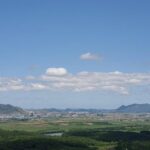
From here you can overlook North Korea and nearby locations including Gaeseong and Songaksan. Standing at an observatory is one of those experiences that feels surprisingly human—your eyes do the work, and your guide helps you understand what you’re seeing.
You’ll have about 45 minutes at the observatory with admission included. Bring your patience for this part. Waiting for the right visibility or just letting the view sink in is often what makes Dora click.
The Seoul wrap-up: ginseng museum and duty-free time
Back in Seoul, the tour includes a short stop connected to shopping and local learning. You visit a ginseng museum, where you can learn about the history and different types of ginseng, plus its positive effects. It’s a compact cultural reset after the heavy DMZ sites.
Then there’s a duty-free shop stop. You’ll have about 30 minutes total here, and it’s time-boxed on purpose.
If you want lingering museum time, this is not the place. But if you like having a practical last stop—something local and easy to handle—it works.
Guide quality matters: why Henry Park gets mentioned
A standout in the feedback is the guide experience. People highlight Henry Park for clear explanations, a steady pace, and professionalism that keeps everything smooth when there’s little room for mistakes.
Good guides also make the difference between “I saw a tunnel” and “I understood why this tunnel mattered.” From the comments, Henry’s strength is that he answers questions and keeps the day organized. That’s especially important on this kind of tour, where the schedule is shaped by access rules.
Even if your guide isn’t Henry, the reviews point to a real focus on communication and time management. For a half-day packed with emotion and checkpoints, that’s not a small thing.
Weather and the day you should plan for
This tour requires good weather. If it’s canceled because of poor weather, you’ll be offered a different date or a full refund.
So, if you’re traveling during a rainy season or you hate gambling with outdoor viewing, check forecasts close to departure. DMZ-area visibility and comfort can be affected by conditions, and this operator builds weather into their plan.
Who this tour is for (and who should think twice)
This works best if you want the DMZ experience without committing to a full day out of Seoul. You’ll like it if you enjoy political geography, war memory sites, and “walk-through” history like the tunnel.
It also suits people who value small groups—max 10—because the day becomes easier to manage. You’ll get guided context instead of just roadside sightseeing.
You might think twice if you strongly dislike rules around documents and timing. The original passport requirement and limited DMZ ticket access mean you need to prepare early and accept that the DMZ portion depends on ticket availability.
Should you book this DMZ small-group tour or not?
Book it if the DMZ is your priority and you want a guided half-day that combines monuments, a tunnel walk, and major observatory viewpoints. The price makes more sense when you can split the group cost, and the included transport plus admissions remove a lot of hassle.
Skip or consider alternatives if you’re short on planning time and you don’t have your passport ready for the exact requirement of original documents. Also, if you’re traveling with no flexibility and hate uncertainty, the limited ticket system is the one thing to respect.
If you do book, do the boring prep well: bring the original passport, plan ahead for ticket timing, and dress for early hours and possible indoor-outdoor switches. When you’re prepared, the day hits harder—in the best way.
FAQ
Where do I meet for the tour?
You start at Seoul City Hall, located at 110 Sejong-daero, Jung District, Seoul, and the tour starts at 8:00 am. The listing notes it’s near Subway Line 1.
Is an original passport required for the DMZ?
Yes. An original passport is mandatory for DMZ entry. No copy and no photo are accepted.
How long is the tour?
The duration is about 6 hours 30 minutes.
What’s included in the price?
The tour includes all fees and taxes, an English-speaking guide with commentary, and all transportation. Admission is included for some stops, and entry fees are listed as free for others.
What is not included?
The tour does not include lunch, accommodation, or personal expenses.
How far in advance should I book?
The suggested booking time is one month before the tour. Tickets are limited and DMZ entrance tickets are handled on a first come, first served basis.
What happens if the weather is poor?
The tour requires good weather. If it’s canceled due to poor weather, you’ll be offered a different date or a full refund. For non-weather cancellations, the experience is non-refundable and cannot be changed.
When will I get confirmation?
You receive confirmation within 48 hours of booking, subject to availability.