Food lessons in Seoul, with real hands-on cooking. This beginner class takes place near the Bukchon Hanok area at a modern, air-conditioned school kitchen, where you learn Korean flavors from chefs who teach in clear English and set you up to cook your own lunch.
What I love most is the practical step-by-step coaching and the fact that you actually do the work. The clean, modern setup makes it easy to stay focused, even if you’ve never cooked Korean food before.
One thing to keep in mind: it’s on the third floor with no elevator, so plan for stairs and bring water.
In This Review
- Key highlights you’ll care about
- Inside Bukchon’s Modern Cooking School Kitchen
- Finding O’ngo Food Communications (and handling the stairs)
- The market ingredient mindset: arriving early helps
- How the class actually runs: from safety to your own hands
- What you’ll cook: popular beginner dishes with real Korean flavor
- Lunch you made: eating with rice and one drink
- Value for $87: what you’re really paying for
- Who this cooking class is best for
- Should you book? My straight recommendation
- FAQ
- How long is the Korean cooking class?
- What dishes will I make?
- What’s included in the price?
- Where do I meet the group?
- Do I need hotel pickup?
- Is the class suitable for children?
- What if I need to cancel?
Key highlights you’ll care about
- Beginner-friendly recipes with a smooth flow from prep to cooking
- Professional English-speaking chefs (some sessions include instructors like Ran or Yibben)
- Modern kitchen tools plus a fully air-conditioned room
- Lunch included: you eat what you cook with rice and one drink
- Small-group feel (max 22) so you’re not just watching
Inside Bukchon’s Modern Cooking School Kitchen
This class is for people who want Korean food that tastes like Korean food, not just okay versions you’ll make later. You come to a real cooking school space, not a demo stage. The kitchen is fully air-conditioned and set up with modern tools, which matters more than you’d think. When equipment works and the room is comfortable, you can concentrate on flavor instead of fighting the process.
I also like how the class keeps things beginner-shaped without being babyish. The chefs introduce Korean food culture and explain practical choices—like how to pick good ingredients—before you start cooking. That approach helps you understand what you’re making, so you can repeat it at home with confidence.
There’s also a strong emphasis on working safely and cleaning as you go. One reviewer even called out attention to cleanliness and cross-contamination, which is reassuring if you’re a careful eater or have dietary concerns.
You can also read our reviews of more tours and experiences in Seoul.

Finding O’ngo Food Communications (and handling the stairs)
Your meeting point is O’ngo Food Communications, at 137-11 Bukchon-ro in the Jongno District. The class starts at 10:30 am, and you should show up at least 10 minutes early.
Here’s the practical bit: this location is on the third floor and there’s no elevator. If you’ve got heavy bags, or if you just hate climbing when you’re on vacation, wear shoes you can move in and take your time on the stairs. It’s not a deal-breaker, but it’s worth planning for.
You don’t get hotel pickup or drop-off, so you’ll rely on public transport and your own feet. The good news is the meeting point is near public transportation, and once you’re there, everything is straightforward: the activity ends back at the meeting point.
The market ingredient mindset: arriving early helps
Before you cook, you’ll get more than a checklist of ingredients. Some sessions include a short market look focused on ingredient choices—exactly the kind of grounding that makes Korean cooking feel less mysterious.
If you want the market time, I’d take advice from the schedule reality: arrive earlier than the minimum. One strong tip from past guests is to come around 30 minutes early so you don’t miss that ingredient-focused walk. It’s a different shopping style than many Western markets, and it’s a fast way to learn what to look for before you start chopping.
Even if you’re not buying anything, this part helps you understand why certain ingredients show up again and again in Korean cooking—soy-based flavors, fermented tang, the way vegetables are treated (fresh, crisp, or quickly cooked), and what changes the dish from bland to memorable.
How the class actually runs: from safety to your own hands
The experience is built around you doing the cooking. You’ll get a short set of safety instructions first, then the chefs teach you the core techniques you need. After that, the pace shifts into hands-on mode.
What’s nice is the balance: some prep may be handled ahead of time so you’re not stuck doing boring steps for the whole morning, but you still chop, dice, mix, and cook yourself. Past guests described the workflow as worry-free because instructors keep circulating—watching your progress and fixing small mistakes before they snowball.
English support is a big plus here. Multiple guests praised the instruction as clear and the chefs as patient, including when cooking with a child participant. If English is your only shared language, this matters. It’s the difference between learning recipes and learning how to cook.
Group size also affects how much help you get. The class caps at 22 travelers, and several guests reported especially small groups where they felt a lot more personal attention.
What you’ll cook: popular beginner dishes with real Korean flavor
The menu can vary by session, but the class is designed for beginners and tends to focus on well-loved Korean staples. From the dishes people talked about, you can expect options like:
- Japchae (sweet, savory glass noodles with stir-fried flavors)
- Bibimbap (rice bowl style, with components that teach you balance)
- Bulgogi (marinated beef flavor you can realistically recreate)
- Kimchi-focused classes (including kimchi recipes and even kimchi-based pancakes)
- Korean stew options like chicken stew (where seasoning and simmering matter)
- A soup dish in some sessions (good practice for savory depth)
Why these dishes work for beginners: they teach core Korean flavor building blocks without requiring fancy equipment or rare ingredients. You get practice with seasoning, cutting methods, and how heat changes texture. And because the class is set up for novices, the chefs explain what each step is doing—not just what to do.
One useful angle I picked up from the way guests described their instruction: the chefs don’t treat ingredients as random. They explain purpose—how certain ingredients behave in Korean cooking and what to watch for while you cook. That makes it easier to adjust at home later.
Also, if you’ve got allergies, tell the staff. One guest specifically mentioned that the chef helped alter their food due to an allergy, which is a strong sign that the kitchen takes ingredient safety seriously.


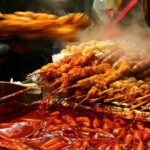
Lunch you made: eating with rice and one drink
The best part is what you get to eat at the end: you sit down with your class and enjoy the meal featuring your dishes, plus rice and one beverage.
This is more than a buffet payoff. The lunch is the moment when your brain connects technique to result. If your bibimbap tastes right (or your japchae is nicely seasoned), you’ll remember what you did. If something’s off, you’ll get a clearer sense of what flavor you need to tweak next time.
Guests also emphasized that the food tasted excellent, and that you leave full. Plan on eating well, because this is not a light snack class. You’re effectively cooking a lunch that you’ll finish.
Value for $87: what you’re really paying for
At $87 per person for about 2 hours, the price is in the range where you should ask: is this just entertainment, or do I leave with useful skills?
Here’s the honest value math based on what you get:
- You’re paying for hands-on instruction from professional chefs, not a lecture.
- All ingredients and equipment are included, so you’re not doing extra shopping or carrying supplies.
- The experience is in a modern, air-conditioned kitchen, which makes the lesson smoother.
- You leave with lunch included (your own cooking), plus rice and a drink.
If you compare it to buying ingredients, guessing at techniques, and still having a meal come out “close but not right,” this class often feels like a fair deal. It’s especially good if you’re short on time in Seoul but still want a meal experience that teaches you something you can repeat.
One more value point: the class is rated extremely high, with 118 reviews and a 4.9 average, and nearly everyone recommends it. High praise isn’t proof of quality by itself, but in this case it lines up with the practical details: clear English instruction, clean kitchen, and a hands-on structure.
Who this cooking class is best for
This class fits best if you’re:
- A beginner who wants a real Korean cooking routine
- Short on time and trying to fit one “food skill” activity into a Seoul day
- Interested in Korean culture you can taste, not just observe
- Traveling as a couple, solo, or small group and want a calm, guided environment
It’s also a good pick if you want structure. You’ll be guided through what to do, how to do it, and then you eat what you made.
If you strongly dislike stairs, consider that third-floor setup. And if you’re traveling with kids under 11, note that they may not participate in the class even if they’re allowed to attend.
Should you book? My straight recommendation
Yes, I’d book it if you want a morning Seoul experience that’s practical and satisfying. The biggest reasons: you cook your own dishes, you learn from professional English-speaking chefs, and you end with lunch that matches the work you did. That combination is rare.
Book it especially if:
- You’re curious about Korean food but don’t know how to start
- You like hands-on lessons where you get help mid-step
- You want to bring a few reliable recipes home
Don’t book it if:
- You hate climbing stairs and you’re not willing to handle a third-floor location
- You’re looking for a long cultural tour instead of a focused cooking class
FAQ
How long is the Korean cooking class?
It lasts about 2 hours.
What dishes will I make?
The class is described as a morning cooking class for beginners with popular Korean dishes. Past sessions include dishes like japchae, bibimbap, bulgogi, kimchi, and chicken stew, but the exact menu can vary.
What’s included in the price?
You get a beginner cooking class, all ingredients and equipment, lunch, a professional English-speaking chef team, and 1 beverage.
Where do I meet the group?
Meet at O’ngo Food Communications, 137-11 Bukchon-ro, Jongno District, Seoul.
Do I need hotel pickup?
No. Hotel pickup and drop-off are not included.
Is the class suitable for children?
The minimum age required to participate is 11. Children younger than 11 may be welcome but may not participate.
What if I need to cancel?
You can cancel for a full refund if you cancel up to 24 hours before the experience starts (based on local time).