REVIEW · SOKCHO
Private DMZ Tour from Sokcho near Seoraksan Mt.
Book on Viator →Operated by chan · Bookable on Viator
A border tour from Sokcho hits differently. This private DMZ day trip keeps the experience less crowded while pairing serious history with everyday culture stops that make the day feel human, not mechanical.
Private DMZ tour also means you’re not stuck waiting for a big coach group to shuffle forward.
I love that the pacing starts with a Korean War exhibition hall, then moves to the border outlook—so your first “wow” moment lands with context, not shock. I also love the mix of stops beyond the DMZ: a North Korean meal in Goseong-gun and time in Goseong-gun Wanggok Maeul, where traditional homes are still lived in.
One heads-up: it’s a full 7-hour day including driving, and the tour requires good weather. If conditions are rough, expect schedule changes, and you’ll want to be comfortable sitting in the car for a while (coffee and tea aren’t included, either).
In This Review
- Key highlights you’ll care about
- Why the Sokcho DMZ route feels different
- Private tour logistics that actually affect your day
- Stop 1: Goseong Unification Observatory exhibition hall (get your bearings first)
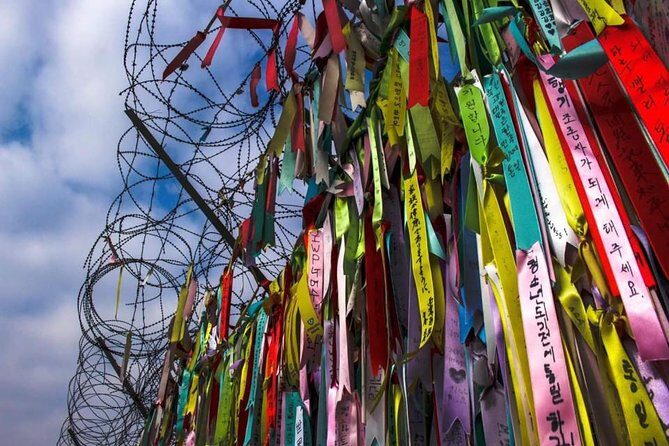
- Stop 2: Border views from the Goseong Unification Observatory
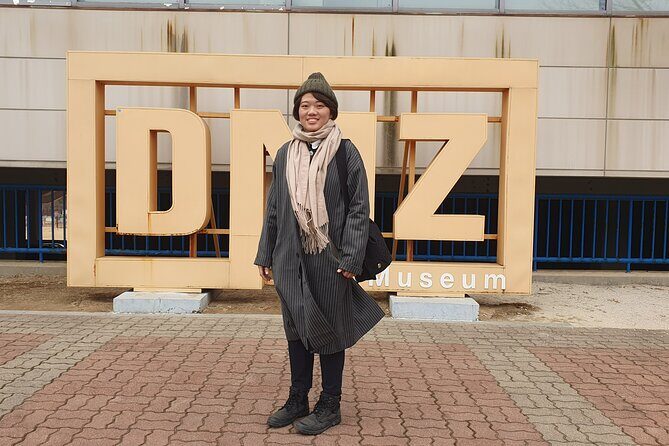
- Stop 3: DMZ Museum (how separation became a system)
- Stop 4: North Korean lunch in Goseong-gun (more than a meal)
- Stop 5: Goseong Wanggok Maeul (traditional Korean architecture you can see up close)
- The real star: Guide Chan’s approach and pacing
- Price and value: what you’re really paying for
- Timing, weather, and what to pack for a DMZ day
- Who this DMZ-from-Sokcho tour is best for
- Should you book this private DMZ tour from Sokcho?
- FAQ
- How long is the DMZ tour from Sokcho?
- Is this tour private?
- Where is the meeting point?
- What’s included in the price?
- Is lunch included, and is vegetarian food available?
- Do I need to buy tickets for the stops?
- What days and times does the tour operate?
- What happens if the weather is bad?
- Can I cancel for a full refund?
- When will I get confirmation after booking?
Key highlights you’ll care about
- Sokcho as your base: a quieter alternative to the usual Seoul-style DMZ rush
- Goseong Unification Observatory sequence: exhibition hall first, border views second
- DMZ Museum ticket included: explains how separation hardened into the DMZ
- North Korean cuisine lunch in Goseong-gun: with a vegetarian option
- Wanggok Maeul hanok village: traditional architecture kept through support, not staged for tourists
- Guide Chan’s style: communicative, flexible, and very story-driven
Why the Sokcho DMZ route feels different
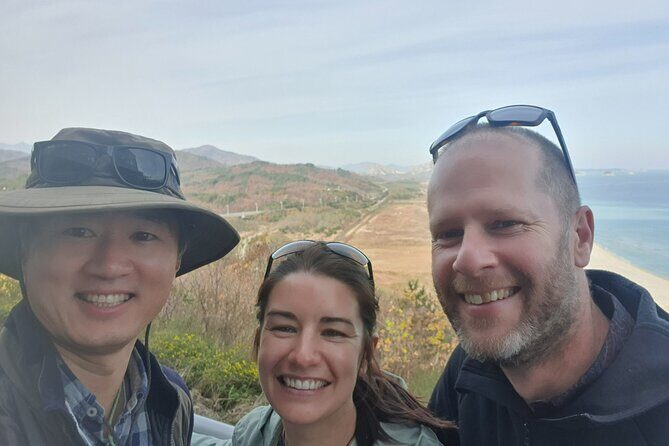
Most DMZ trips funnel through the most obvious launch points, which often makes the day feel like a checklist. Coming from Sokcho changes the tone. You’re in a coastal region with easier access to the broader Seoraksan area, and that shifts the day from rush-hour sightseeing into a proper travel day.
This matters because the subject is heavy. Seeing the DMZ without context can feel like staring at a map with no emotional weight. On this tour, you build context first, so when you finally look toward the border, it lands in your brain as a story—how the war, separation, and daily life connect.
Another quiet advantage: you’re doing this as a private group. That cuts down the waiting. It also means you can ask questions as you go instead of saving everything for the end when everyone’s already tired.
Private tour logistics that actually affect your day
This is a private tour/activity, so only your group participates. You’ll travel in an air-conditioned vehicle, and pickup is offered. The tour ends back at the meeting point, so you’re not scrambling for transport at the end while the day is still buzzing.
The meeting point is listed as 3988 Donghae-daero, Sokcho-si, Gangwon-do, South Korea. If you’re staying near Seoraksan National Park and want to pair the DMZ with mountain time, the tour’s “Sokcho-based” setup makes that combination feel realistic. The tour overview notes that it’s about an hour’s drive from Mt. Seoraksan, which is exactly the kind of geographic advantage that makes a one-day itinerary work.
You also get a mobile ticket. That’s one less thing to worry about on a day that already involves timing, weather, and emotions.
Stop 1: Goseong Unification Observatory exhibition hall (get your bearings first)
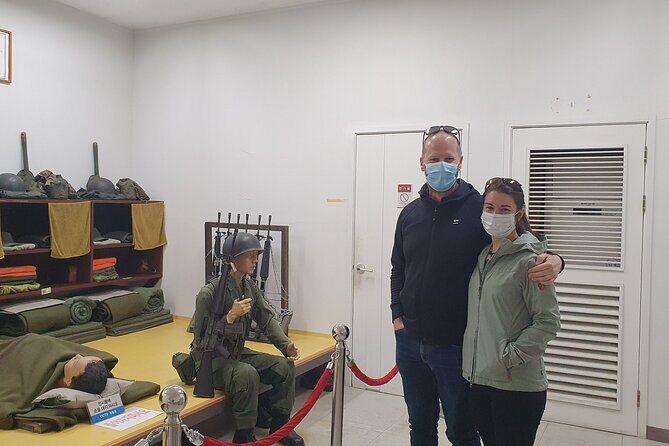
Your first stop at Goseong Unification Observatory starts with a Korean War exhibition hall (about 40 minutes, admission ticket included). This is the smart order for a DMZ day.
Before you see any border views, you’re given the backstory: what happened, why the peninsula ended up divided, and how that conflict stretched into decades after the fighting stopped. The difference is subtle but important. If you start at the border outlook, your brain treats it like a spectacle. Start with the exhibition hall, and you’re primed to read the border with empathy.
Practical tip: take the first stop slow. Don’t sprint to the “best photo spots.” Let the early context do its job, because it makes the later stops more meaningful.
Stop 2: Border views from the Goseong Unification Observatory
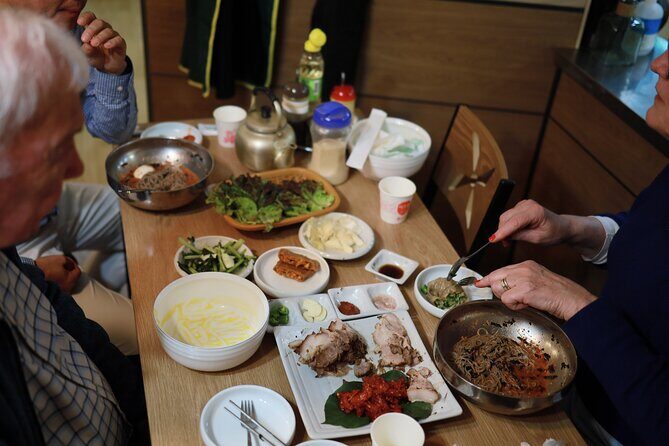
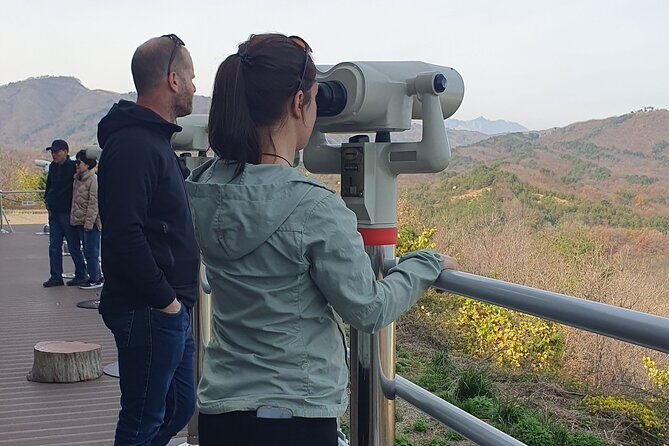
Next comes another Goseong Unification Observatory segment (about 1 hour, admission ticket included). This is where you explore the border area in the Gangwon-do region and view it from the observatory.
This part is less about information and more about perspective. You’ll be standing somewhere designed for watching the division, and you’ll likely feel how close the concept of “the other side” is—without needing extra explanation.
A useful way to approach it: ask yourself what you’re seeing versus what you’re imagining. The physical view is just one layer. The bigger takeaway is how a border becomes normal life for people who live with it every day.
Also keep expectations grounded: DMZ observation is not theme-park drama. It’s quiet, observational, and reflective. If you’re coming for raw emotion, this is the time it tends to hit.
Stop 3: DMZ Museum (how separation became a system)

After the observatory, you shift into DMZ Museum time (about 1 hour, admission ticket included). Here, the DMZ is presented as the symbol of a divided nation and the lasting aftershocks people feel due to separation.
This is where you typically move from “I understand the war” to “I understand the long-term structure that the war created.” The tour description highlights learning how the DMZ was set up after the war, plus what the separation has meant for ordinary people.
The value of this stop is that museums let you stop the day’s momentum. You can read, absorb, and connect details. Even if some exhibits feel brief, this stop gives you a framework you can carry when you eat lunch, walk a traditional village, or look back at the observatory view.
If you want to make this museum time count, bring curiosity. You’re not just looking at panels—you’re collecting context that ties the whole peninsula story together.
Stop 4: North Korean lunch in Goseong-gun (more than a meal)
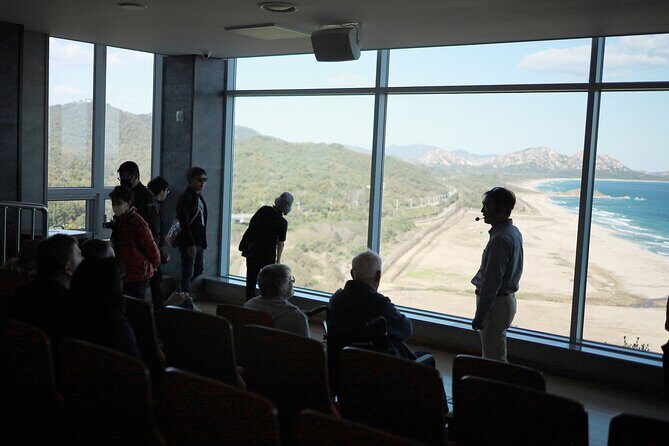
Lunch is in Goseong-gun, and it’s not treated like a random break. The area used to be part of North Korean territory before the Korean War, and many people who evacuated settled there afterward.
That means your meal is happening in a place with layered memory. The tour offers genuine North Korean cuisine, and it also notes that vegetarian food is available.
This stop has two practical upsides:
- It keeps the day on track without forcing you to hunt for food.
- It adds texture. Food is one of the fastest ways to feel how people live and what they prioritize.
What to expect: a one-hour block that includes lunch time. If you’re picky about spice or flavors, you’ll still be able to eat. The vegetarian option is explicitly available, and the tour structure suggests you’ll be taken care of.
If you care about the menu details, ask your guide on the way in. You’ll usually get a clearer sense of what dishes to expect and what they represent.
Stop 5: Goseong Wanggok Maeul (traditional Korean architecture you can see up close)

Your final cultural stop is Goseong Wanggok Maeul, a special village focused on traditional Korean architecture. You’ll spend about 1 hour here, with admission included.
The key point: this isn’t just scenery. People living in the village keep their homes in traditional ways and receive subsidies from the government to support that preservation. You’re getting a look at lived-in heritage, not a staged background.
Some visitors note the homes date back to the 18th/19th century, which makes the village feel tangible rather than abstract.
Practical advice: wear shoes you’re comfortable walking in. Village lanes and house-front viewing can mean uneven surfaces, and you’ll want to stay relaxed so you can actually look closely at details like structure and layout.
The real star: Guide Chan’s approach and pacing
The success of this tour is tightly connected to the guide’s style. Chan’s reputation shows up again and again: friendly, flexible, and communicative. He’s known for handling small changes smoothly—like delays—without letting the day spiral.
He also brings a storytelling approach that helps you digest complicated material. Humor shows up, especially when the topic turns heavy, which is exactly how you keep the day from feeling like a lecture.
One more thing I like in this guide-led format: you don’t just receive facts. You get context that links the DMZ to Korean culture and even themes like Buddhism and meditation. That kind of cultural framing doesn’t erase the tragedy—it explains how people cope.
And yes, the ride matters on a 7-hour itinerary. Many people call out the vehicle as comfy, and a good guide makes it easy to stay oriented from one stop to the next.
Price and value: what you’re really paying for
At $140.98 per person for about 7 hours, you’re paying for a private, full-day logistics package—plus major entry costs and lunch.
Here’s what’s included:
- Air-conditioned vehicle
- All fees and taxes
- Lunch
- Admission tickets for key sites (Unification Observatory segments, DMZ Museum, and Wanggok Maeul)
Coffee or tea isn’t included, so plan around that.
Is it good value? For me, the key is that this isn’t only “transport to one viewpoint.” You’re covering multiple sites that usually require separate admission and separate planning. If you try to DIY this route, you’ll spend time coordinating transport and tickets while still needing the context that a guide provides.
Also, the Sokcho starting point can be a value play in its own way. If you’re already planning Seoraksan time, this tour can turn your DMZ day into a two-attractions day (DMZ plus Seoraksan nearby). That makes the single-day cost feel more rational.
Timing, weather, and what to pack for a DMZ day
The tour runs within the listed operating hours of Wednesday, 9:00 AM to 5:00 PM (dates are shown up to 2027). Total duration includes travel time, so the day is built like one continuous itinerary rather than loose segments.
One important factor: the experience requires good weather. If the tour is canceled due to poor weather, you’ll be offered a different date or a full refund. That’s not just a small detail—you should plan your week with flexibility if possible.
What I’d bring:
- A light layer. Coastal Korea can feel breezy, especially around observation areas.
- Comfortable walking shoes for the village stop.
- A small bag for water and any personal snacks you might want. Lunch is included, but long days can still trigger minor hunger gaps.
If you’re sensitive to emotional content, give yourself permission to take breaks mentally. This day moves through war memory, separation, and living preservation of tradition. It’s okay if it feels intense.
Who this DMZ-from-Sokcho tour is best for
This tour fits best if you:
- Want a quieter, less crowded approach to the DMZ than the big Seoul-style day trips
- Prefer a private setting where you can ask questions and move at your group’s pace
- Want more than border photos: you’ll get museum context, North Korean cuisine, and a traditional architecture village
- Are already planning to visit Seoraksan and like the idea of stacking nearby experiences
It’s also a good fit if you like story-driven guiding, not just facts on a board. The best moments here are the “connective tissue” parts: how the exhibitions, museum explanations, and cultural stops shape what you feel when you look toward the border.
If you only want the quickest possible border tick-box and nothing else, a shorter DMZ route might suit you better. But if you want meaning, this itinerary is built for that.
Should you book this private DMZ tour from Sokcho?
I’d book it if you want a DMZ day that feels thoughtful, guided, and varied. The biggest reasons are practical: private logistics, multiple included admission stops, and lunch that ties the day to the region’s former territory and resettlement history. Add in time at Wanggok Maeul and you get a cultural ending, not just a political one.
I’d skip (or postpone) it if your schedule is rigid and you can’t handle weather-related changes. Since good weather is required, plan for flexibility. Also be ready for a full day that moves through heavy subject matter.
If you can check those boxes, this is a strong way to see the DMZ region from Sokcho—without turning it into a hurried stamp-collecting exercise.
FAQ
How long is the DMZ tour from Sokcho?
It’s about 7 hours total, and that total includes travel time.
Is this tour private?
Yes. It’s a private tour/activity, and only your group participates.
Where is the meeting point?
The meeting point is listed as 3988 Donghae-daero, Sokcho-si, Gangwon-do, South Korea. The tour ends back at the meeting point.
What’s included in the price?
The tour includes an air-conditioned vehicle, all fees and taxes, and lunch. Admission tickets are included for the observatory segments, the DMZ Museum, and the Wanggok Maeul village stop.
Is lunch included, and is vegetarian food available?
Yes. Lunch includes North Korean cuisine in the Goseong-gun area, and vegetarian food is available.
Do I need to buy tickets for the stops?
Admission tickets are included for the observatory stops, the DMZ Museum, and the Wanggok Maeul village.
What days and times does the tour operate?
The listed opening hours show Wednesday from 9:00 AM to 5:00 PM.
What happens if the weather is bad?
The experience requires good weather. If it’s canceled due to poor weather, you’ll be offered a different date or a full refund.
Can I cancel for a full refund?
Yes. You can cancel up to 24 hours in advance for a full refund. If you cancel less than 24 hours before the start time, the amount paid is not refunded.
When will I get confirmation after booking?
Confirmation is received at the time of booking unless you book within 1 hour of travel. In that case, confirmation is received as soon as possible based on availability.