REVIEW · SEOUL
From Seoul: DMZ Tour with Japanese-Speaking Guide
Book on GetYourGuide →Operated by I LOVE SEOUL TOUR Co., Ltd. · Bookable on GetYourGuide
The DMZ turns textbooks into real sights. This 7–8 hour tour from Seoul takes you to the DMZ with a Japanese-speaking guide, then up to Dora Observatory for a controlled glimpse toward North Korea.
I especially like the structure of the day: you move from the peace-focused Imjingak area to the Bridge of Freedom, and then into the 3rd Infiltration Tunnel on foot. The main drawback is practical as well as emotional—this is a place with strict military rules, and the tunnel portion involves steep slopes that can be tough for children and the elderly.
In This Review
- Key things to know before you go
- From Seoul to the border: how this DMZ day actually runs
- Imjingak Park: a calmer start before the border gets heavy
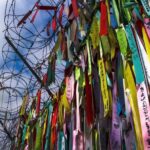
- Freedom Bridge: where repatriation became a turning point
- The 3rd Infiltration Tunnel: what steep slopes feel like
- Dora Observatory on Mountain Dora: a controlled view of North Korea
- Unification Village: peace-themed souvenirs with real-world tension
- Price and value: is $55 worth it for the DMZ sights you get?
- Logistics and rules that can affect your comfort
- What the guide brings (and why it shows up in the reviews)
- Should you book this DMZ tour?
- FAQ
- How long is the DMZ tour from Seoul?
- Where do I meet the tour in Seoul?
- Is hotel pickup and drop-off included?
- Does this tour include JSA (Panmunjom)?
- What is included in the price?
- What do I need to bring, and what’s not allowed?
- Is the 3rd Infiltration Tunnel walk difficult?
- What do I do if I can’t access the tunnel?
- What happens if the DMZ visit is canceled or changed?
Key things to know before you go

- Japanese-speaking guide keeps the day understandable and well-paced, with guides like Yuhon and Dragon noted for calm, quick guidance
- You get the rare Dora Observatory view from Mountain Dora, and in good weather you may see far beyond the telescope
- Tunnel walk is real effort: expect about a 30–40 minute round trip on foot due to steep slopes
- You won’t do JSA/Panmunjom—this itinerary is focused on other DMZ sights instead
- Peace-and-reconciliation shopping at Unification Village often includes items connected to North Korea
- The DMZ day can change due to weather, military, or government regulations, with alternative stops in place
From Seoul to the border: how this DMZ day actually runs
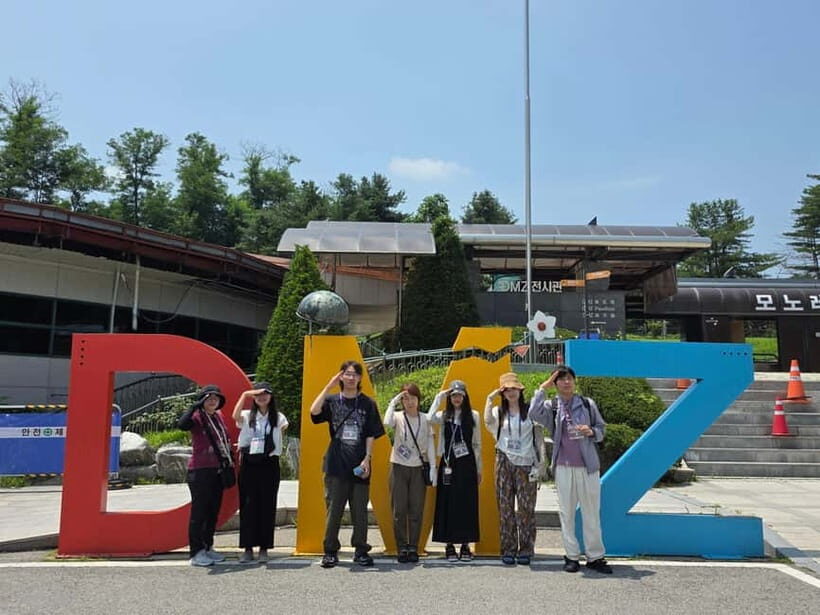
This is a full-day outing—about 7 to 8 hours, depending on your starting time and what happens at the DMZ. You’re traveling by air-conditioned shared bus or minivan, and the tour includes roundtrip transport. What you should know upfront: hotel pickup and drop-off aren’t included, so you’ll join the group at the listed starting options (including Myeongdong Station Exit 10 and other Seoul meeting points).
Once you’re on the way, the schedule is tight but not rushed. You’ll have guided time at each stop, and then bus time between them. A practical detail that matters: you may need to transfer to the DMZ shuttle bus, based on a government policy that kicks in when there are fewer than 30 people in the vehicle.
Also plan for variation in timing on the way back to Seoul. The drop-off happens at either Myeongdong or City Hall station, depending on your preference, and arrival can shift with traffic and group count.
Finally, bring a passport. That’s the one non-negotiable item listed for entering this kind of security-managed area. And you’ll want to show up ready for rules on-site: no smoking on the vehicle, and no intoxication or alcohol/drugs.
You can also read our reviews of more guided tours in Seoul
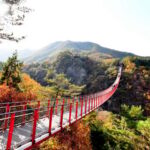

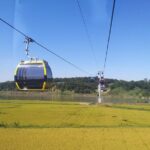
Imjingak Park: a calmer start before the border gets heavy
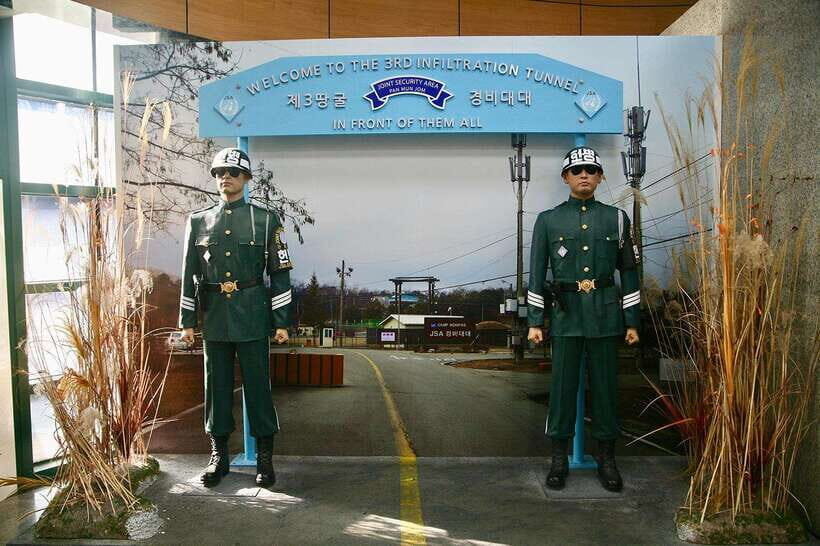
Your first real DMZ-area stop is Imjingak (about 1 hour). This is a good way to warm up your understanding of what you’re about to see, because it sets a human context for the conflict—not just flags and buildings.
Think of Imjingak as the place where the story turns from headlines into everyday impact. You’re guided through the area, and you’ll likely connect the geography with the way separation affects families and communities.
One more reason I like starting here: it gives you something to look for while you still have energy. By the time you reach the more intense sights (Freedom Bridge and the tunnel), you’ll have the background vocabulary to follow what your guide is explaining in Japanese.
Freedom Bridge: where repatriation became a turning point
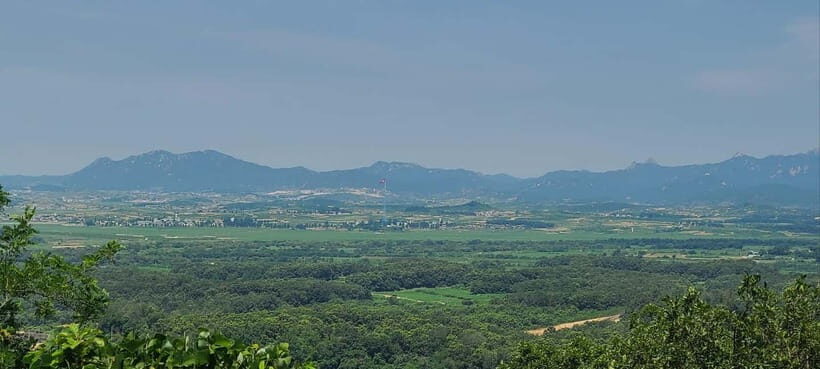
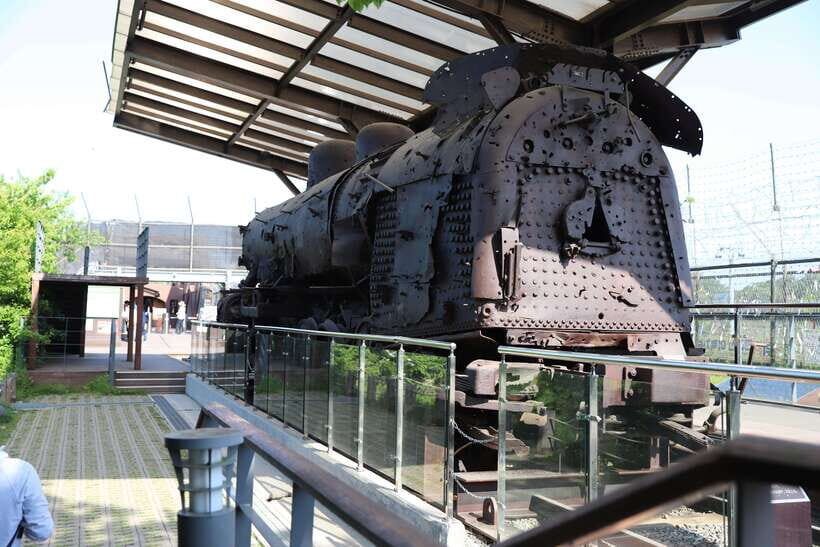
Next up is the Bridge of Freedom (about 30 minutes, guided). This isn’t just a photo stop. The key detail is the purpose: it was used by prisoners of war who were repatriated from the North.
That context changes how you see the bridge. You’re not looking at a monument in a vacuum—you’re looking at a structure tied to a specific moment of movement, negotiation, and return. Even if the view in front of you isn’t dramatic, the meaning is.
A small tip: keep your camera handy but don’t fixate on the lens. Listen for how your guide connects this location to the broader idea of divided Korea since 1953. The bridge becomes one of the day’s clearest “story anchors.”
The 3rd Infiltration Tunnel: what steep slopes feel like
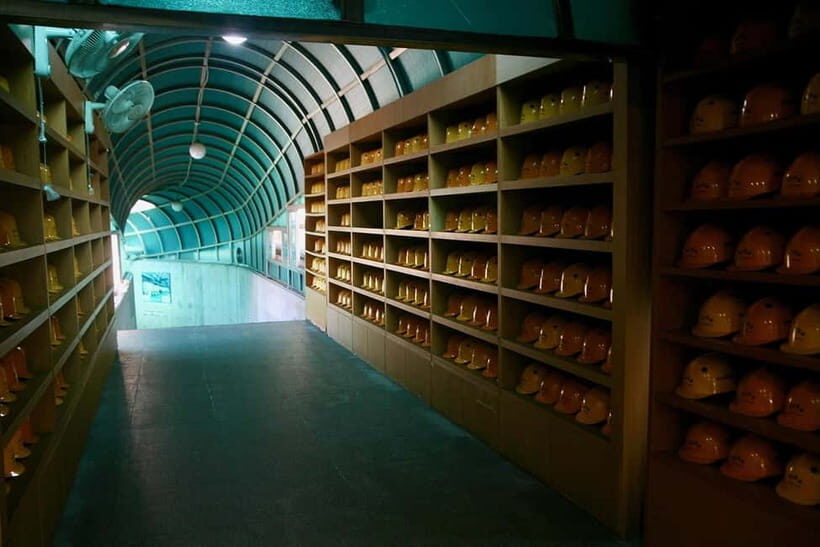
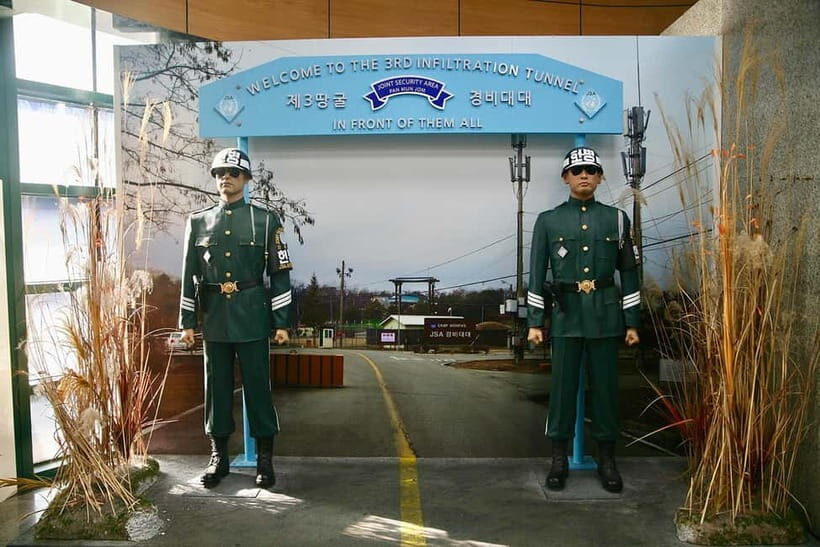
If there’s one segment that can make or break your experience, it’s the 3rd Infiltration Tunnel (guided time about 40 minutes, with the walk itself taking 30–40 minutes round trip on foot). This tunnel is described as an incomplete passage built under the Demilitarized Zone by North Korea.
Why it matters: you’re not just viewing the border from a distance. You’re stepping into the kind of infrastructure that reflects how the conflict has played out underground as well as on the surface.
Here’s the honest consideration: the tunnel route includes a steep slope. The tour info flags that it can be challenging for children and the elderly. The good news is that it’s possible to wait in front of the tunnel if you’re not up for the walk.
What you should do to get the best value from this part:
- Wear shoes you can trust on uneven, slope-heavy footing
- Move at a steady pace and don’t rush the climb back out
- Keep an eye on how your guide is managing group spacing so you don’t get separated
Emotionally, this is one of the most intense spots of the day. Practically, it’s the one that asks most of your body.
Dora Observatory on Mountain Dora: a controlled view of North Korea
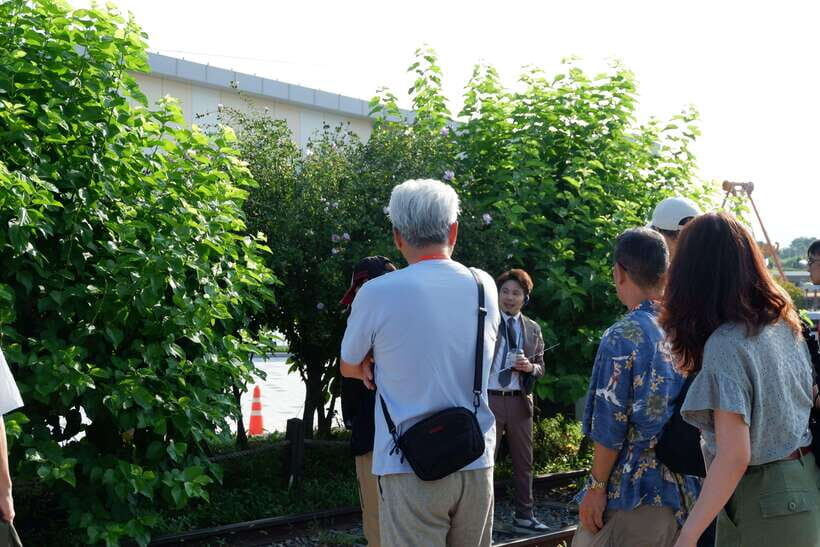
After the tunnel, the pace shifts again toward wide views. You’ll go up the slopes of Mountain Dora and reach Dora Observatory for about 1 hour guided time.
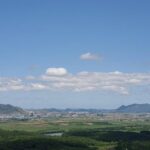
This is where you get the itinerary’s big promise: a glimpse of North Korea from South Korea. You’re looking out across the DMZ, which is described here as a 2.4-mile (4 km) stretch that has divided Korea since 1953.
In good weather, you may be able to see as far as North Korea without using the observatory telescope. That’s a meaningful difference. Even if you don’t get that perfect clarity, you’re still in the right place to understand why this spot matters.
One practical note: visibility is weather-dependent. If you’re the type who hates waiting around for clouds, this part may test your patience. But it’s also why the day includes other stops with strong meaning—so you’re not just “hoping for a view.”


Unification Village: peace-themed souvenirs with real-world tension
You’ll finish with Unification Village (about 30 minutes, guided). This is your last guided stop before the ride back, and it’s where the experience turns into something you can take home.
Here, you can browse souvenirs and items that reflect peace and reconciliation, and the tour notes that you’ll often find goods tied to North Korea too. That’s a unique contrast to the militarized sights earlier in the day. It’s not pretending the conflict is gone—it’s showing how people process separation through everyday commerce and symbolism.
Keep your time here practical. Thirty minutes goes quickly once you start comparing items, checking packaging, and deciding what actually makes sense to carry. If you want snacks, prioritize them early in the visit so you’re not rushing at the end.
Price and value: is $55 worth it for the DMZ sights you get?
At $55 per person, this tour can feel like a bargain given how hard it would be to organize a comparable day on your own. What you’re paying for isn’t just entry tickets—it’s the licensed guide, the structured route, and the roundtrip shared transfer that gets you from Seoul to the DMZ area.
Also worth factoring in: entrance fees and transportation are included, and you get guided interpretation at every stop. In places like the DMZ, a guide changes the experience from scenic to meaningful because you’re learning what specific locations represent.
What’s not included matters too. Food and drinks are on you. Hotel pickup/drop-off isn’t included, so you’ll need to be at the meeting point. And crucially: the itinerary does not include the JSA (Joint Security Area/Panmunjom). If your top dream is specifically Panmunjom, this isn’t the tour to chase.
So for most people, the value equation is solid: you’re getting major DMZ-area sights (Imjingak, Freedom Bridge, the 3rd Tunnel, Dora Observatory, plus Unification Village) within one organized day from Seoul.
Logistics and rules that can affect your comfort
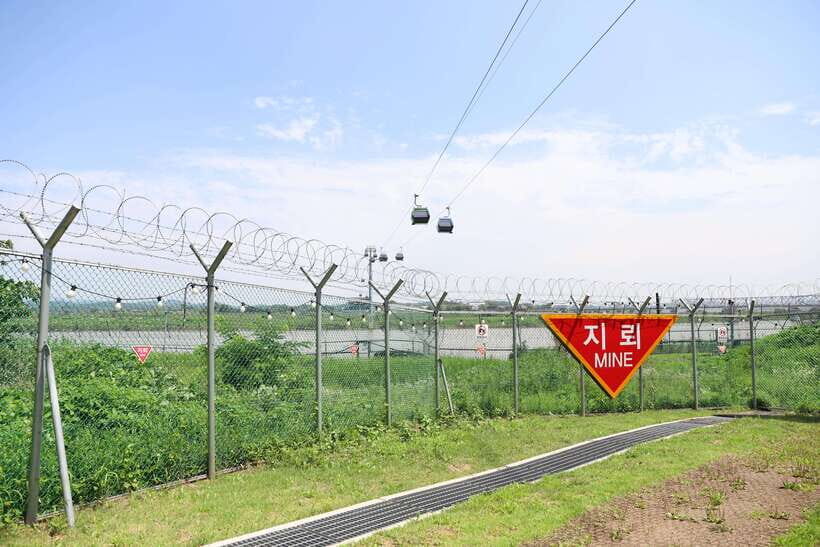
This tour is straightforward, but the DMZ has rules, and you should treat them like part of the experience.
- Not allowed: intoxication, smoking in the vehicle, alcohol and drugs
- What to bring: passport
- Not suitable: people with heart problems; wheelchair users
- Minors: unaccompanied minors aren’t allowed
- Infants under 24 months are free, but no seat is provided
One more “know before you go” reality check: because the DMZ is operated by the military, the trip may be canceled without prior notice. The information provided also notes that a refund won’t be offered in that situation. Instead, the operator may send you to alternative sites such as Art Space BEAT 131, Odusan Unification Observatory, War Memorial of Korea, or City Hall/Myeongdong along with Imjingak.
That matters for planning. If your schedule is tight and you can’t handle a day that shifts, you’ll want to build in some flexibility.
What the guide brings (and why it shows up in the reviews)
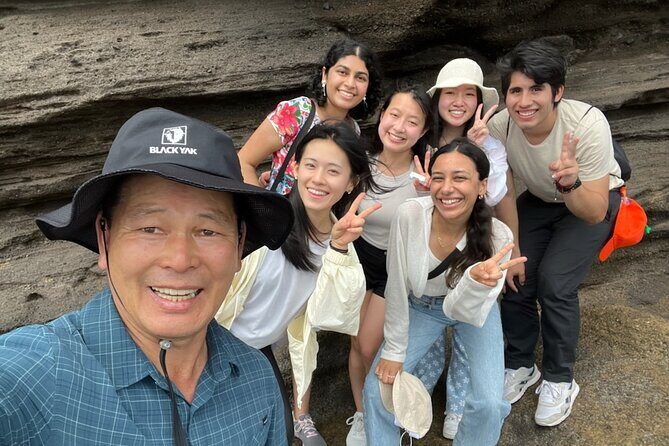
A DMZ day can be emotionally heavy, and the only way it stays understandable is through good guiding. The tour’s guide language is Japanese, and the experience info plus feedback you’ll see points to guides like Yuhon and Dragon being praised for being quick on their feet and good at setting a calm tone when logistics get tricky.
Even if you’re not fluent in Japanese yourself, the structure helps: you’ll get guided explanations at each location, and you’ll hear the story behind things like the tunnel and the bridge. That’s the difference between collecting photos and understanding why the sights exist.
Should you book this DMZ tour?
Book it if you want a well-run DMZ sampler from Seoul that includes the big talking points: Imjingak, Bridge of Freedom, the 3rd Infiltration Tunnel, and Dora Observatory. At $55, the value is hard to beat if you’re okay with a full day and following strict rules.
Skip or think twice if:
- you or your group can’t manage a steep tunnel walk (though waiting outside is possible)
- you’re sensitive to uncertainty, since military and weather rules can lead to reroutes or cancellation
- you specifically want JSA/Panmunjom, because this itinerary doesn’t include it
- mobility is an issue (it’s not suitable for wheelchair users)
If you can handle the physical part and the emotional weight, this tour is one of the most direct ways to understand why the DMZ has shaped life on both sides of the border.
FAQ
How long is the DMZ tour from Seoul?
The tour lasts about 7 to 8 hours, depending on the starting time and conditions on the day.
Where do I meet the tour in Seoul?
Meeting points vary by option. One listed option is Myeongdong Station Exit 10, and there are other start locations including Korea na Hotel and specific street addresses.
Is hotel pickup and drop-off included?
No. Hotel pickup and drop-off aren’t included. You’ll join at the meeting point, and you’ll be dropped off back in Seoul at Myeongdong or City Hall station, depending on your preference.
Does this tour include JSA (Panmunjom)?
No. This itinerary does not include a visit to JSA/Panmunjom.
What is included in the price?
Entrance fees, a licensed professional DMZ tour guide, and roundtrip shared transfer by air-conditioned bus or minivan are included.
What do I need to bring, and what’s not allowed?
Bring your passport. The tour information says intoxication isn’t allowed, smoking is not allowed in the vehicle, and alcohol and drugs are not allowed.
Is the 3rd Infiltration Tunnel walk difficult?
It can be. The tour notes that the tunnel has a steep slope and takes about 30 to 40 minutes for a round trip on foot. It may be challenging for children and the elderly, and you can wait in front of the tunnel.
What do I do if I can’t access the tunnel?
The tour information states it’s possible to wait in front of the tunnel if the walk is too difficult.
What happens if the DMZ visit is canceled or changed?
The trip may be canceled without prior notice, and a refund won’t be offered in that case. Instead, the itinerary may change to other locations such as Imjingak, Art Space BEAT 131, Odusan Unification Observatory, War Memorial of Korea, City Hall, or Myeongdong.
If you want, tell me your travel dates and whether you’re more worried about the tunnel walk or visibility at Dora Observatory, and I’ll suggest how to time your day in Seoul.