REVIEW · SEOUL
Ganghwa Island – Full day private tour
Book on Viator →Operated by Top Korea Tour · Bookable on Viator
Ganghwa Island has one big payoff: context. This full-day private tour from Seoul pairs fortress history with quiet temple culture and ends at the Peace Observatory, where you use binoculars for a look toward North Korea. It also feels like a real change of pace, because the day isn’t just sightseeing blocks—it’s rural life and the island’s role on the edge of the peninsula.
What I like most is the private guide and vehicle, which keeps the day paced to your questions (and prevents the usual group-stopping chaos). I also like that the itinerary mixes war-era sites with softer stops—especially the temple setting in the mountains and the market at Ganghwa Pungmul Sijang.
One consideration: there’s no lunch included, so you’ll want to plan your own meal strategy during the day.
In This Review
- Key things to know before you go
- A private full-day escape from Seoul that actually changes the pace
- Price and what you actually get for $220
- Gwangseongbo Fortress: why Ganghwa became the frontier
- Jeondeungsa Temple: Buddhist calm inside a fortress story
- Ganghwa Seaside Resort: optional luge for when you want fun
- Ganghwa Pungmul Sijang market: a real taste of island life
- Peace Observatory: binoculars, distance, and a complicated view
- Yeonmijeong Pavilion and the Anglican Cathedral: views plus Western footprints
- Guide matters more than you think: names like Miae and Mr. Lee
- Who this private Ganghwa Island day trip is best for
- Should you book this tour or DIY?
- FAQ
- How long is the Ganghwa Island full day private tour?
- What time does the tour start?
- Is lunch included?
- Are entrance fees included?
- How close is North Korea from the Peace Observatory?
- Is this tour only for my group?
Key things to know before you go
- Private hotel pickup from Seoul means less commuting hassle and a smoother start at 8:30am.
- Gwangseongbo Fortress and Samrangseong Fortress connections help you understand why Ganghwa mattered across different foreign pressures.
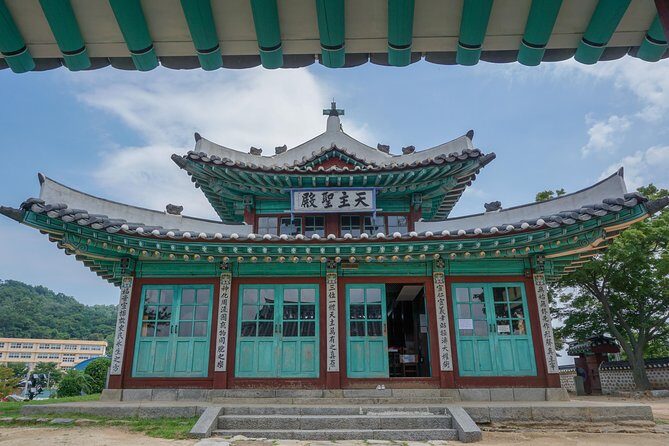
- Jeondeungsa Temple gives you a calmer, spiritual counterpoint after the military history stops.
- Peace Observatory binocular time is the emotional and visual highlight, with North Korea only about 2 km away.
- Optional luge at Ganghwa Seaside Resort lets you add fun if you want it, without forcing it on everyone.
- A market stop (Ganghwa Pungmul Sijang) gives you something practical to bring back: island products and local snacks.
A private full-day escape from Seoul that actually changes the pace
Ganghwa Island is close enough to do as a day trip, but the feel is completely different from Seoul. The tour runs about 8 hours, starting at 8:30am, with hotel pickup and a dedicated driver-cum-guide in an air-conditioned minivan. That setup matters: you’re not spending your best daylight hunting buses or figuring out timing.
The best part of the “private” format is that the day becomes more than a checklist. With your own guide and vehicle, you can ask what you’re seeing, connect the dates, and move at a comfortable rhythm between stops. If you like to understand why a place matters—not just what it looks like—you’ll likely enjoy the flow.
This route is also built to prevent a common problem with day tours: lots of locations, but no meaning. Here, the stops orbit a theme—why this island was an entry point, a defensive line, and a bridge between cultures.
You can also read our reviews of more private tours in Seoul
Price and what you actually get for $220
At $220 per person for a private tour, you’re paying for three main things: time saved, transport, and a guide who can explain the island’s story. You’re not just buying entry tickets—you’re buying a full-day plan with pickup, drop-off, and a dedicated vehicle.
What’s included is fairly clear:
- Hotel pickup and drop-off (within Seoul hotels)
- Air-conditioned minivan transport
- Driver cum guide
- Bottled water
- Entrance fees listed in the itinerary
What’s not included:
- Lunch (you’ll need to handle this on your own)
Is it good value? For most people doing Ganghwa as a day trip, yes—because Seoul-to-island travel adds cost and stress when you DIY it. Private tours also tend to pay off when you care about context, especially on a route tied to conflict and shifting borders. If you’re the type who loves standing in a place and understanding what happened there, the guide portion is the money-maker.
One more practical note: the tour requires a minimum of 2 people per booking, so if you’re traveling solo, you may need to join with another traveler or arrange a small group.
Gwangseongbo Fortress: why Ganghwa became the frontier
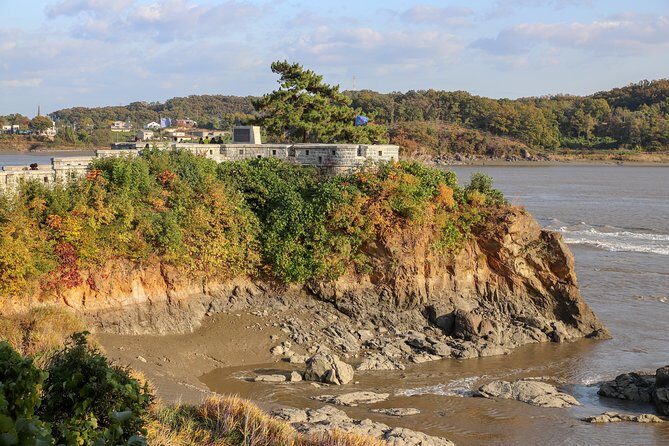
Your first stop is Gwangseongbo Fortress, a battlefield tied to conflicts involving the USA in 1871. It’s also a strong “orientation” stop, because it shows you—visually—how this island could become a strategic chokepoint for the Joseon dynasty. Even if you only have a general sense of Korea’s 1800s struggles, this kind of location gives you the physical setting that textbooks often skip.
You’ll spend about 30 minutes here, with an admission ticket included. That length is short enough to keep the day moving, but long enough to take in the layout and ask your guide what the fort actually meant in those moments of pressure.
What to watch for: fortress sites can be a bit uneven depending on where you walk. Keep your steps careful and expect a little standing around for viewpoints.
Jeondeungsa Temple: Buddhist calm inside a fortress story
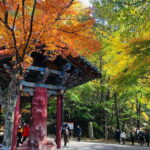
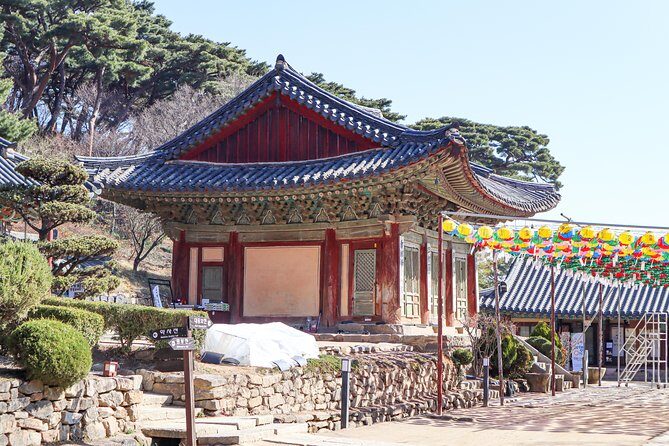
Next comes Jeondeungsa Temple, an old Buddhist temple associated with Samrangseong Fortress and a battlefield involving France in 1866. This stop is valuable because it changes the emotional temperature of the day. You move from fortifications and outside pressure to a quieter religious space where the mountain setting does some of the work of helping you slow down.
You’ll have about 40 minutes here, with admission included. For me, this is the kind of stop that turns “war history” into something more human. You start to see how daily life, belief, and defense weren’t separate stories on this island—they were tangled together.
A possible drawback: because this is in a mountain environment, expect weather to matter more than you’d think in Seoul. If it’s hot or rainy, your comfort will depend on what you wear.
Ganghwa Seaside Resort: optional luge for when you want fun
Stop three is Ganghwa Seaside Resort, and this is the only optional-feeling part of the itinerary. The headline is that there’s a luge ride available down the hill if you want that extra activity.
You’ll have about 50 minutes allocated, but the admission isn’t included for this stop. So if you’re trying to keep costs predictable, treat the luge as an add-on you decide based on your budget and energy that day.
Who will like this: people traveling with someone who wants at least one lighthearted moment, or anyone who likes controlled, ticketed fun with clear start and finish. Who might skip it: folks who prefer walking-over-rides, or anyone who’s already feeling tour fatigue.
A few more Seoul tours and experiences worth a look



Ganghwa Pungmul Sijang market: a real taste of island life
Then it’s Ganghwa Pungmul Sijang, a traditional market where you can see what the island is known for. This stop is short—about 30 minutes—and it’s admission-free, which is nice when you want to keep spending under control.
Markets like this are where the trip stops feeling like only history and starts feeling like daily life. You get to watch how island products are presented and what kinds of food or specialties show up. It’s also a simple way to grab snacks if you’re trying to handle lunch without paying for a sit-down meal.
Tip: even if you don’t buy much, use this stop to refresh your energy. Markets are great for people-watching and quick tastings, and this timing helps you stay comfortable for the more intense viewing stops later.
Peace Observatory: binoculars, distance, and a complicated view
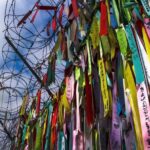
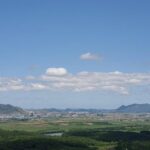
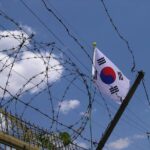
The tour’s biggest visual and emotional highlight is Ganghwa Peace Observatory. This is where you can use binoculars to see North Korea, which is only about 2 km away from the island. That detail is one of the most striking parts of the whole itinerary—because you’re not just hearing about geopolitical tension. You’re standing at a place designed for looking.
You’ll spend about 40 minutes, and admission is included. Your guide’s role matters here, too. Without context, the moment can feel like a dramatic photo spot with no grounding. With context, it becomes a lesson in how this island sits at the edge of modern Korean history.
What to consider: this stop can feel heavy. If you’re sensitive to political conflict or prefer lighter travel topics, plan how you want to process it. Either way, give yourself time here instead of rushing through for pictures.
Yeonmijeong Pavilion and the Anglican Cathedral: views plus Western footprints
After the observatory, the itinerary adds two calmer, scenic and cultural stops.
Yeonmijeong Pavilion is a photo-friendly break. You’ll spend about 30 minutes, and admission is free. The pavilion offers a view of the island and a possible peek toward North Korea, so it works like a visual echo of the observatory without the structured viewing angle. If you want a final look at the peninsula edge, this is a good place for it.
Then you finish at Ganghwa Anglican Cathedral, also about 30 minutes and admission-free. This stop connects Ganghwa’s role as a historic gateway into Seoul. The cathedral is presented as evidence of early Western arrival on the island, which gives your day a cultural layer that goes beyond battles and borders.
If you like cultural stops: this ending works. If you prefer constant big sights: the cathedral can feel quieter—but that’s also the point. It’s a soft landing after the intensity of the peace-viewing moment.
Guide matters more than you think: names like Miae and Mr. Lee
With a tour like this, the guide is the difference between seeing places and understanding them. Past travelers have highlighted that a strong guide can connect the historical events to what you’re actually standing in front of. When the explanation is tight, it helps you make sense of why fortresses and temples show up in the same day.
You might be guided by someone like Miae or Mr. Lee, based on previous experiences with this route. You’ll get the most out of the day if you’re willing to ask small questions—what’s the connection between Joseon and these foreign conflicts, and how did the island function as an entry point?
Also, the driver-cum-guide setup means you’re not stuck waiting around while everyone reads their own directions. That keeps your day smooth, especially on a full-day schedule.
Who this private Ganghwa Island day trip is best for
This tour fits best if you:
- Want a structured day with pickup, transport, and planned stops
- Like history with context, especially late-1800s and related foreign pressures
- Want a blend of spiritual calm (temples) and serious viewing (Peace Observatory)
- Prefer a private format so the day moves at your pace
It’s also a good choice for your first days in Korea. The route gives you a sense of how the country isn’t only about modern Seoul—it has layers, edges, and rural rhythms you rarely see from city-only travel.
If you dislike emotional or political stops, you may still enjoy the fortresses and temple sections, but you should be ready for the observatory portion.
Should you book this tour or DIY?
Book it if you want the easiest path to a meaningful day. With hotel pickup, a dedicated vehicle, and guided connections between the stops, you save time and turn the trip into more than a series of photos. The Peace Observatory experience especially benefits from a guide who can frame what you’re seeing and why.
Go DIY instead only if you’re traveling with very flexible plans, already comfortable handling regional transport on your own, and you don’t care much about historical context. Since lunch isn’t included and the schedule is tight, the private guided day also keeps everything coordinated.
My practical take: if you’re paying $220 and want value, you should care at least a little about the story behind the sites. If that’s you, this is a smart private day trip.
FAQ
How long is the Ganghwa Island full day private tour?
It runs about 8 hours.
What time does the tour start?
The start time is 8:30 am.
Is lunch included?
No. Lunch is not included.
Are entrance fees included?
Yes, the entrance fees listed in the itinerary are included.
How close is North Korea from the Peace Observatory?
North Korea is about 2 km away from the island, according to the tour description.
Is this tour only for my group?
Yes. It’s a private tour, and only your group participates.
If you want, tell me your travel dates and whether you want the luge add-on, and I’ll suggest how to structure your lunch/snack plan around the stops.