REVIEW · SEOUL
Seoul: The Biggest Sea-food Noryangjin Market Food Tour
Book on GetYourGuide →Operated by Korea Guide Tour · Bookable on GetYourGuide
Seafood markets have a smell you remember. On this tour, Noryangjin Market turns that smell into a lesson, with fresh seafood you sample directly as you walk stall to stall. You’re not just looking—you’re tasting your way through one of Seoul’s most important food hubs.
I like the small-group pace because your English-speaking guide can slow down for real questions, like what you’re looking at and how to eat it the Korean way (I’ve seen guides such as Joy and Sally explain it clearly). One thing to plan for: the market area can feel slippery/wet, so wear shoes you can trust and walk carefully.
In This Review
- Key takeaways before you go
- Why Noryangjin Market is a standout seafood experience in Seoul
- The 2-hour flow: from Exit 7 to a proper dinner stop
- Fresh seafood tastings: what you’ll sample on the stalls
- What you learn in the market: reading fish without guesswork
- The market’s scale: 250 to 300 tons traded every day
- Dinner included: turning lessons into a real Korean meal
- Price and value: is $109 fair for this kind of seafood education?
- Logistics that actually matter: shoes, weather, and pace
- Who this tour is best for (and who might not love it)
- Should you book the Noryangjin seafood tour? My take
- FAQ
- Where is the meeting point for the Noryangjin Market food tour?
- How long is the tour?
- What does the tour cost?
- What language is the guide?
- Is dinner included?
- Is the group size small?
- Is the tour wheelchair accessible?
- Do I need to worry about cancellations or rescheduling?
- What if I have allergies?
- Where does the tour end?
Key takeaways before you go
- Stall-to-stomach format: you taste seafood directly from market vendors instead of just viewing the area
- English live guide: questions are welcome, and fish and shellfish get explained in plain terms
- Real market scale: the market handles about 250–300 tons of seafood daily, so it feels like a working system
- Hands-on “how to eat” coaching: you’ll get practical tips for eating things like sashimi in a Korean style
- Dinner included: the tour ends with an included meal after the market walk
Why Noryangjin Market is a standout seafood experience in Seoul
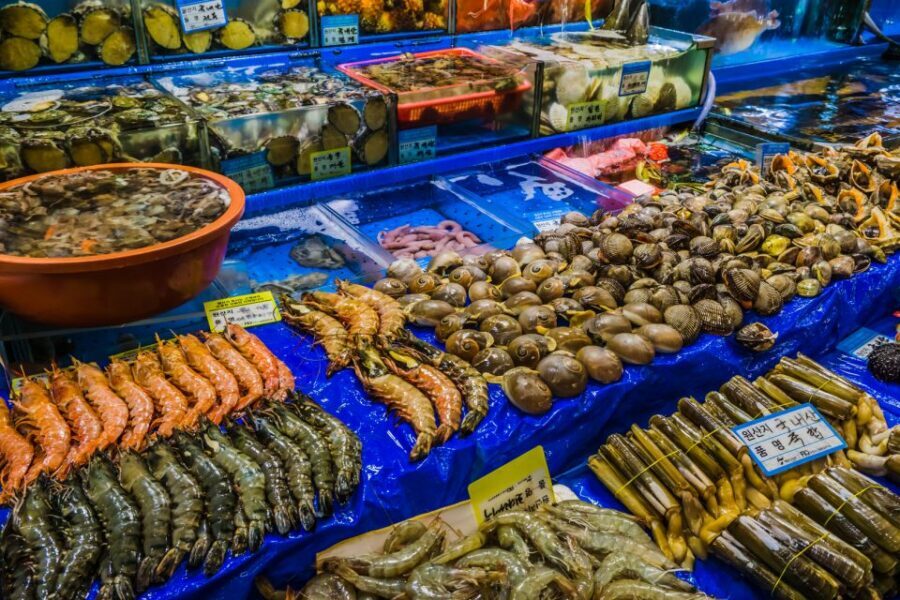
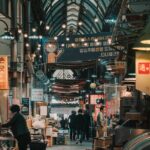
If you want Korean seafood culture, Noryangjin is one of the most direct ways to meet it. This is a huge seafood marketplace in Seoul that’s been operating since it first opened in 1927, so you’re not visiting a themed set-up. You’re walking through a market that still drives daily trade.
What makes this experience work so well is the balance between scale and personal attention. The market is massive, yet the tour is designed for a small group (up to 10 people). That matters because seafood can be overwhelming fast—names, textures, and how things’re handled all blur together when you’re on your own.
You can also read our reviews of more food & drink experiences in Seoul
The 2-hour flow: from Exit 7 to a proper dinner stop
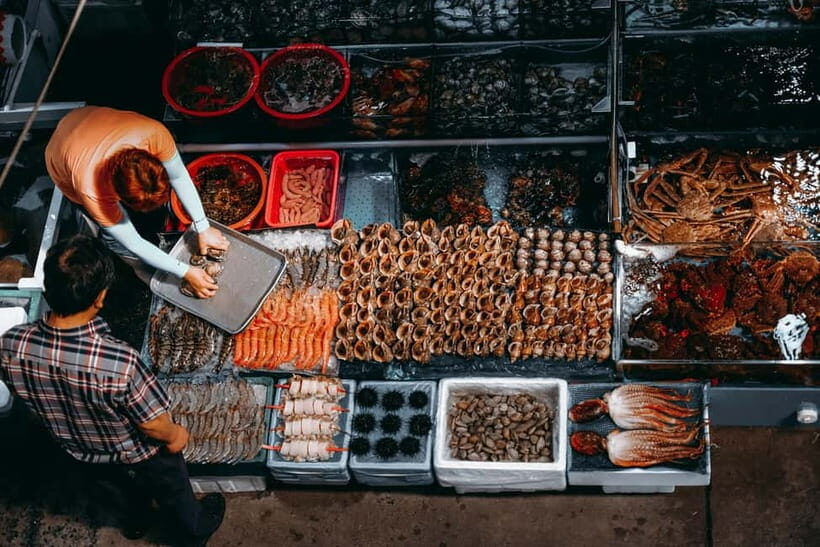
The tour meets at Exit 7 of Noryangjin Station and finishes back at the same spot. It’s a 2-hour guided walking experience, so you’re getting a focused “market primer” rather than an all-day food crawl.
The timing is also realistic. You’ll spend the main chunk walking through the market’s busier sections with your guide, then shift to an included dinner when the tasting phase naturally builds an appetite. Because you’re capped at a small group size, you’re less likely to get separated from the group or stuck behind slower walkers.
And yes, there’s an included meal. Even if you come hungry, you’ll still want room for dinner, because the market tasting is the whole point. Think of it like a fast crash course: you learn, you taste, and then you sit down to eat again—this time in a restaurant setting.
Fresh seafood tastings: what you’ll sample on the stalls
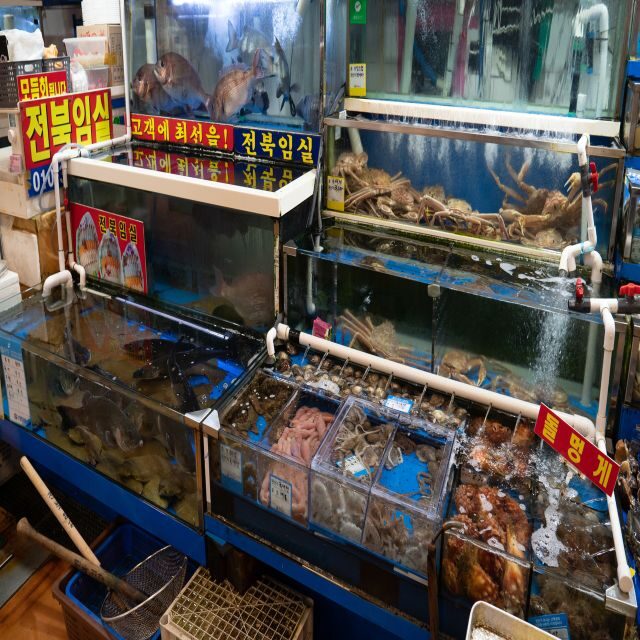
This tour is built around one core idea: taste seafood directly from authentic market stalls. That’s a big deal in Korea, because the difference between “seeing seafood” and “eating seafood” is where the culture clicks.
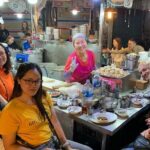
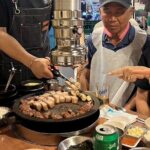
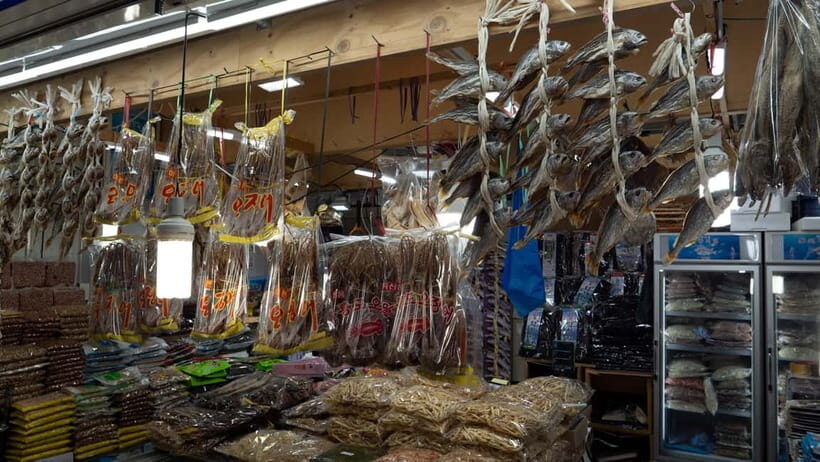
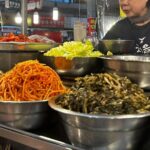
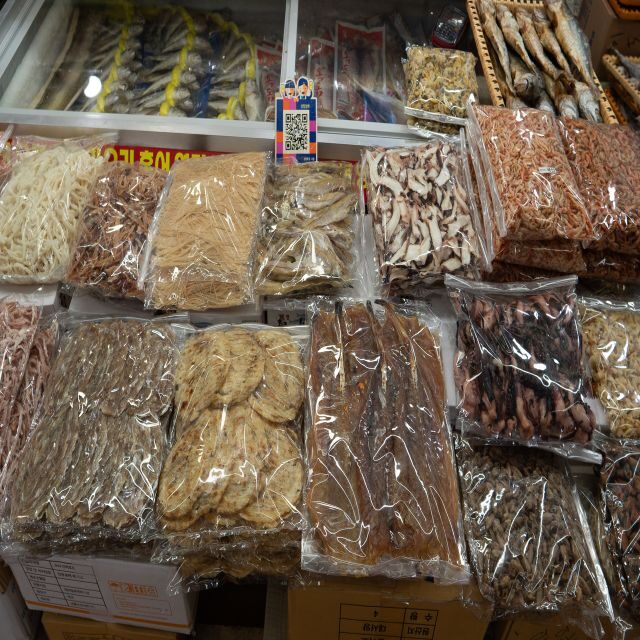
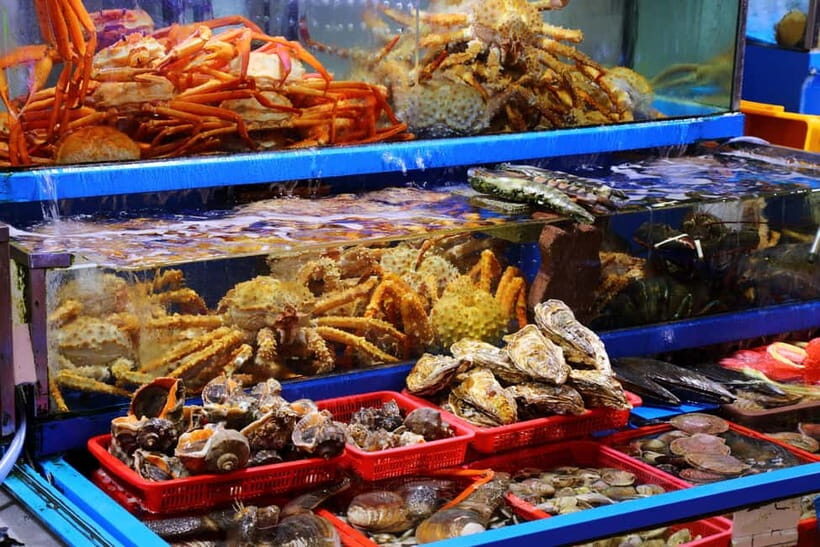
You can expect a guided way of sampling items that the market sells—things like different fish and shellfish, plus preparations that reflect how people actually eat in Korea. One of the most memorable parts for many people is the variety: you’ll see live seafood, freshly prepared options, and plenty of dried products in the same walk.
A couple practical tips help you enjoy this part more:
- Ask before you eat: your guide can explain what’s being offered and how to handle it so you don’t waste bites on the wrong order.
- Go with curiosity, not only safety: if your comfort zone is limited, tell your guide up front and you’ll still get a satisfying selection.
Dinner typically follows the market with more seafood-forward dishes. In past tours, dinner has included items like sashimi and fish soup, and some groups have even been able to try live octopus depending on what’s available. Don’t assume every meal is identical, but the seafood theme is consistent.
What you learn in the market: reading fish without guesswork
A market walk is only useful if you can make sense of what you’re seeing. That’s where the guide earns their keep.
Your English-speaking guide doesn’t just point at fish. They help you understand the market’s logic: what’s being sold, why certain items are popular, and how different products get prepared. You’ll also learn how Koreans connect their food habits with seafood—less “exotic novelty” and more everyday practicality.
One of the clearest takeaways from guides like Joy or Sophie is how they explain fish types and how to eat things in a Korean style. If you’ve ever eaten sashimi and wondered how locals approach it (order, sauce, and rhythm of eating), this tour gives you the kind of coaching that turns food into a skill you can repeat later.
The market’s scale: 250 to 300 tons traded every day
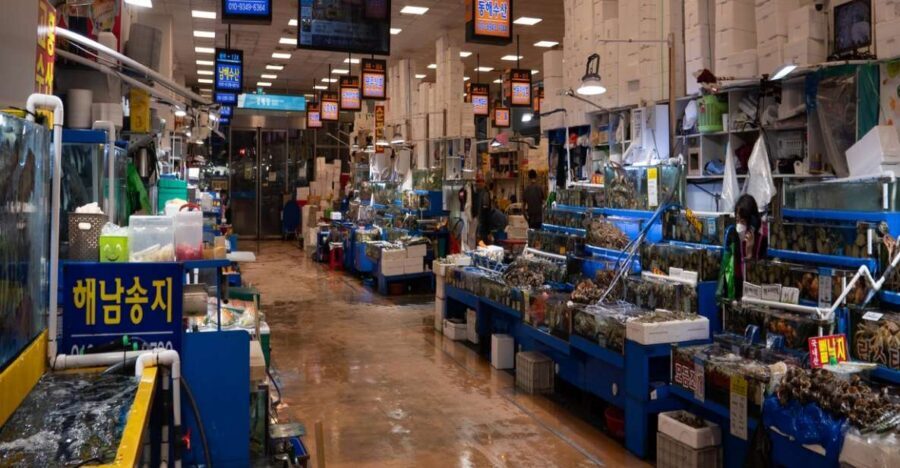
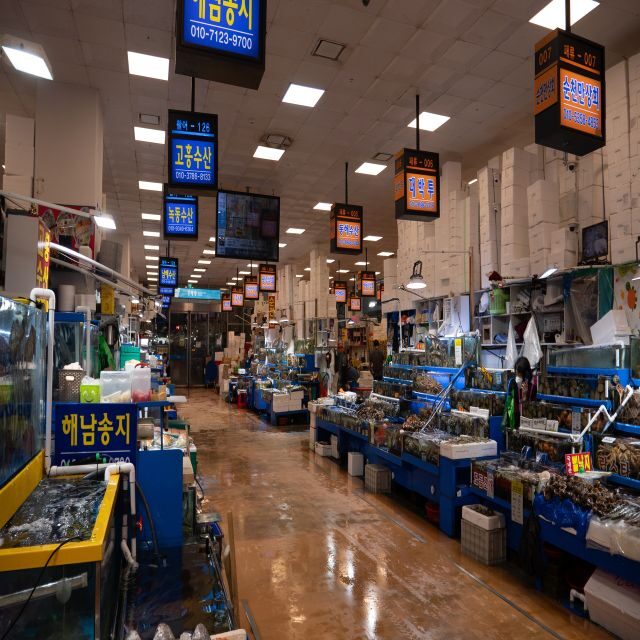
Here’s why Noryangjin feels different from a normal market: it’s a high-volume trading hub. The market trades roughly 250 to 300 tons of seafood products every day. That scale changes the vibe. You see systems at work—movement, sorting, handling, and constant activity.
Your guide uses that context to explain why the market matters. It isn’t only a place for tourists to eat; it’s a working marketplace that affects Seoul’s seafood supply chain and eating culture. You start to realize that “seafood culture” isn’t just flavor—it’s logistics, timing, and access.
If you’re the kind of traveler who likes food stories with numbers, this is your stop. The fact that it opened in 1927 and still functions at a massive daily level makes the market feel grounded rather than trendy.
A few more Seoul tours and experiences worth a look

Dinner included: turning lessons into a real Korean meal
Many food tours end at the market and call it a day. This one adds a dinner stop, which makes your learning stick. After you’ve sampled a few things and learned some names, textures, and patterns, dinner becomes your chance to anchor it in a proper meal.
What you eat depends on what’s available, but the dinner side of this experience has a strong track record of serving classic seafood dishes. Expect to see options in the family of sashimi and fish soup, with the possibility of learning a Korean-style way to enjoy seafood like octopus when it’s on the menu.
Why dinner matters for value: it reduces your decision fatigue. You don’t have to navigate what to order after a walk through sensory overload. Instead, you get one guided meal included in the tour price.
Price and value: is $109 fair for this kind of seafood education?
Let’s talk money without hand-waving.
At $109 per person, you’re paying for three things that often cost extra when you travel independently:
- A local guide who helps you interpret the market and taste confidently
- Access to stalls and tastings that are hard to coordinate on your own
- An included dinner, which turns the tour from sampling into a full experience
If you were to do this solo, you’d likely spend time figuring out where to eat, what to order, and how to communicate preferences or allergies. You’d also still need to find the right meal after wandering. This tour compresses those steps into a planned 2-hour format with a guide and dinner included.
Is it a bargain? For a guided market meal experience in Seoul, the price feels reasonable—especially because it’s small-group and includes dinner. It’s not the cheapest thing you’ll do, but it’s also not a “just walk around” tour. You’re paying for meaning, not just movement.
Logistics that actually matter: shoes, weather, and pace
The market is active and close-up. That means comfort choices aren’t optional.
Wear waterproof or grip-friendly shoes if you can. One practical note from people who’ve done this: the market floors can be wet, so walking carefully isn’t just advice—it’s the difference between enjoying the walk and constantly watching your footing.
Pace is another factor. This is a walking tour, so plan to move with the group. The good news: since it’s capped at 10 people, you shouldn’t feel like you’re trapped in a crowd. If you have mobility needs, the tour is listed as wheelchair accessible, so it’s worth considering if you want to stay with a guided format rather than self-navigating the market.
Also, tell your guide about allergies in advance. Food markets are a real place with cross-contact risk, and the tour data makes it clear they want to know ahead of time so they can guide you safely.
Who this tour is best for (and who might not love it)
This is a strong fit if you want:
- a guided first visit to a major seafood market
- hands-on eating and “how to eat” tips
- a small-group pace with English support
- a seafood-focused experience that ends with an included meal
It’s especially useful if Korean food is new to you. The tour is designed to explain what you’re looking at and how locals eat it, so you’re not stuck guessing.
Where you might hesitate: if you hate crowds, don’t handle unfamiliar foods, or can’t manage short walking time in a busy market environment, this might feel like more stress than fun. But if you communicate your comfort level and wear solid shoes, you’ll likely enjoy it far more.
Should you book the Noryangjin seafood tour? My take
Book it if you want the fastest path to real seafood culture in Seoul. You get fresh tastings, an English guide, market context (including the scale and history), and dinner included—all in a tight 2-hour window.
Skip it (or choose a different style) if you want a leisurely stroll without any eating, or if walking on potentially wet market surfaces will be a problem. Also consider timing: reservations are not confirmed on weekends and holidays, and the tour can be canceled if there aren’t enough participants (the minimum is 4). In those cases, you may need to be flexible.
If you’re coming to Seoul hungry and curious, this is one of the most sensible ways to spend a couple hours—because you leave with both better food instincts and a better understanding of how Korea runs on seafood.
FAQ
Where is the meeting point for the Noryangjin Market food tour?
You meet at Exit 7 of Noryangjin Station.
How long is the tour?
The tour lasts 2 hours.
What does the tour cost?
The price is $109 per person.
What language is the guide?
The tour includes a live English guide.
Is dinner included?
Yes. Dinner is included.
Is the group size small?
Yes. It’s a small group limited to 10 participants.
Is the tour wheelchair accessible?
Yes, it is listed as wheelchair accessible.
Do I need to worry about cancellations or rescheduling?
There is free cancellation up to 24 hours in advance for a full refund. If there are fewer than 4 participants, the tour can be canceled, and you’ll be informed by WhatsApp. Reservations cannot be confirmed on weekends and holidays.
What if I have allergies?
You should tell the provider in advance about any allergies.
Where does the tour end?
The tour ends back at the meeting point.