REVIEW · SEOUL
Full Day- Essential Seoul City Tour & Gourmet Tour(including Lunch and Dinner)
Book on Viator →Operated by Bergen travel · Bookable on Viator
Seoul in one day, with snacks included. This full-day tour strings together Gyeongbokgung Palace, hanok streets in Bukchon, a major Buddhist temple, and two classic markets, plus the Cheonggyecheon stream walk so you get your bearings fast. It’s a great way to see the city’s old-and-new mix without spending your day guessing transit routes.
I especially like the English-speaking, official licensed guide and the fact that lunch and dinner are built in, not left to you to figure out at the last second. The one real drawback to plan for: the schedule is packed and can feel brisk, especially in hot weather or if you’re not used to a lot of walking.
In This Review
- Key highlights
- A 9-hour Seoul hits-every-neighborhood plan
- Hotel pickup and the pace you’ll need to match
- Gyeongbokgung Palace: where the day’s story starts
- Folk Museum + Bukchon hanok blocks: traditional life in real space
- Jogyesa Temple and Insadong’s culture streets
- Tea garden calm at Kyung-In + Cheonggyecheon reset
- Gwangjang Market dinner: street food, makkŏlli, and a real ending
- Guide quality: how the host can make (or break) the day
- Price and value: what $299 buys you in real terms
- What to expect at each stage of the day
- Practical tips before you go
- Should you book this Seoul City and Gourmet Tour?
- FAQ
- What time does the tour start, and how long is it?
- Does the tour include lunch, dinner, and snacks?
- Do I get hotel pickup and drop-off?
- Is this a private tour?
- Are admission tickets included?
- Can I cancel for a full refund?
Key highlights
- Gyeongbokgung Palace visit with admission included and time to soak up Joseon-era atmosphere
- National Folk Museum of Korea for everyday life from birth to the grave
- Bukchon Hanok Village and Baek In-je’s House for a close look at traditional hanok neighborhoods
- Jogyesa Temple and Insadong for Buddhist center-city calm and classic shopping streets
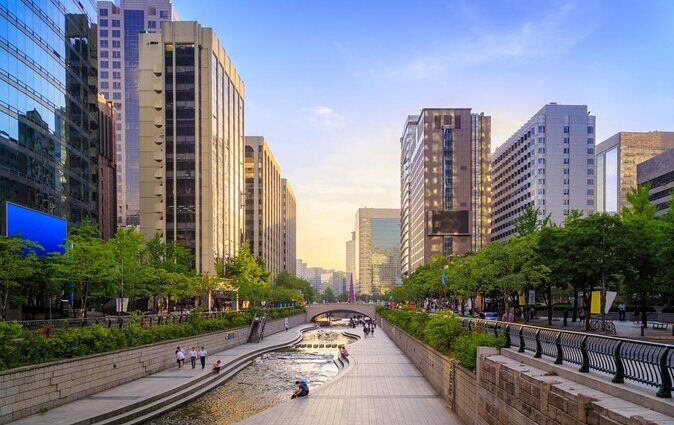
- Cheonggyecheon Stream for a downtown break along an eco-waterway
- Gwangjang Market dinner with street food sampling and Korean rice wine (makkŏlli)
A 9-hour Seoul hits-every-neighborhood plan
This isn’t a “one street and done” day. You’re covering a serious chunk of central Seoul in one run, and it’s designed so you understand how the city is laid out: royal Seoul, cultural Seoul, and food Seoul.
You start with the biggest visual wow factor at Gyeongbokgung Palace, then shift into museums and hanok neighborhoods. After that, the day moves into temples and craft-and-culture streets, and ends with a hands-on food finale at Gwangjang Market. That flow matters because it helps your brain organize Seoul instead of just collecting photos.
You can also read our reviews of more city tours in Seoul
Hotel pickup and the pace you’ll need to match

You get pickup and drop-off at your Seoul hotel, plus air-conditioned private transportation. That’s a big deal if this is your first day, or if jet lag is making you grumpy and slow.
Even with car transfers, you should expect a lot of time on your feet. One solo traveler noted the day felt like about 9 miles of walking, and another mentioned it can feel fast-paced. The good news is the tour includes practical guidance from the driver-guide side of things, and some guides adjust when someone has mobility limits. Still, pack for walking: comfortable shoes, sun protection, and a willingness to move.
Tip: eat your snacks when you’re offered them. The day is built around meal timing, so waiting until you get hungry can turn a fun tour into a cranky tour.
Gyeongbokgung Palace: where the day’s story starts
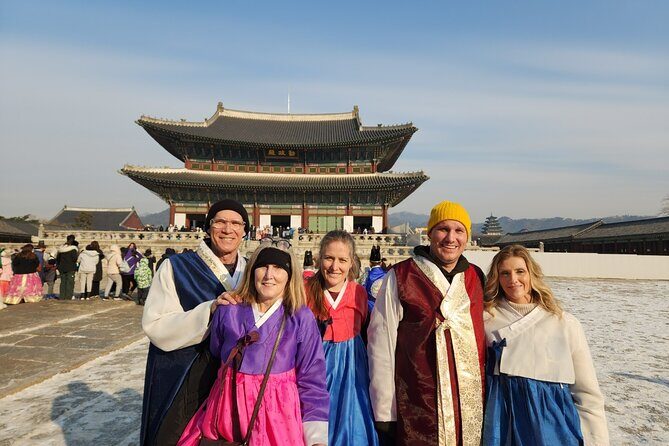
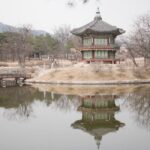
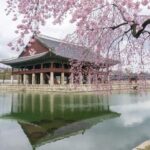
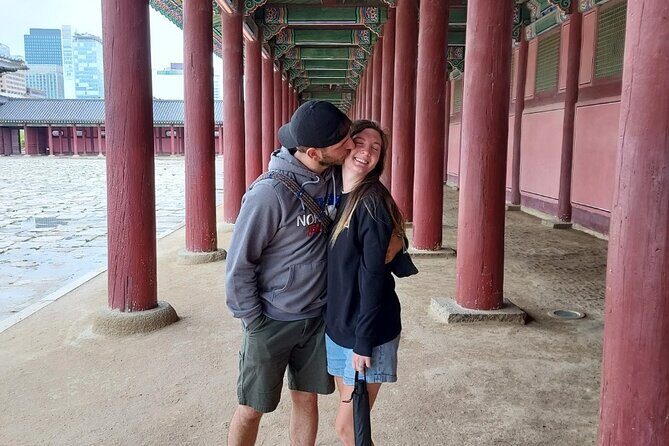
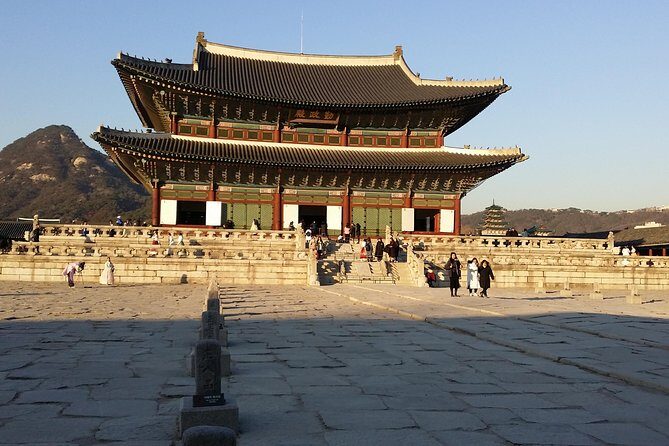
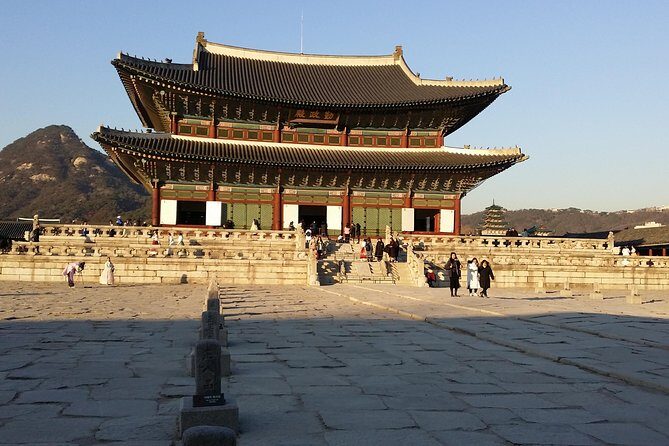
Gyeongbokgung Palace is one of Seoul’s key Joseon dynasty landmarks. The palace traces back to 1395, and it was built using feng shui principles—so it’s not just about big gates and pretty courtyards. You’re seeing how power, belief, and city planning all show up in one place.
A practical bonus: your guide can help you time what you see. One of the standout moments people mention is the changing of the guard, and it’s the kind of spectacle you’ll miss if you arrive on your own without knowing what’s happening when. Admission is included here, so you don’t lose time hunting tickets.
What to watch for: some palace visits can include lines and entry checks. If your group is moving with the guide, you’ll usually stay on schedule—just be ready to pause and wait when the palace gets crowded.
Folk Museum + Bukchon hanok blocks: traditional life in real space
After the palace, you head to the National Folk Museum of Korea. It’s focused on how Koreans lived across a lifetime, and it’s set up to show everyday culture from birth to the grave. Even if museums aren’t your thing, this one helps explain what you’re seeing later in the day—hanok neighborhoods make more sense when you know what life looked like inside them.
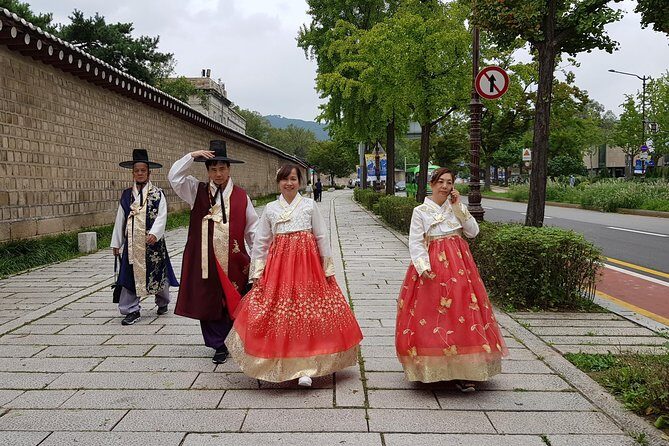
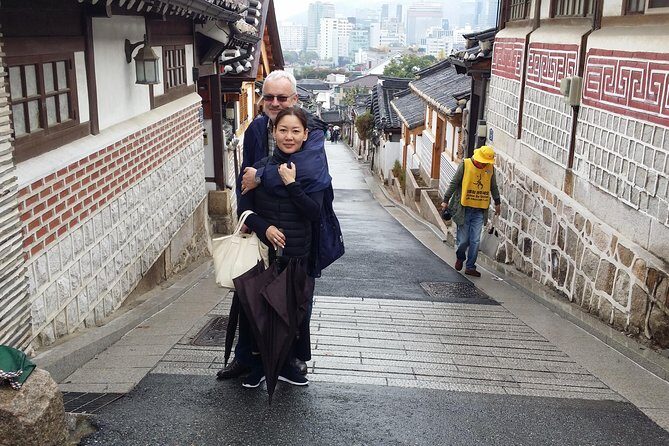
Then comes Bukchon Hanok Village, which is built around traditional hanok houses. Bukchon is split by “north” and “village” in the name—helpful if your guide mentions orientation. It’s also a reality check: one of the themes here is how rapid modernization changed these areas, while much of the village character remains.
You also visit Baek In-je’s House, a preserved hanok heritage site in Bukchon. The time here is usually your chance to slow down and notice details—woodwork, layout, and the way traditional homes are shaped for how people actually move through space.
Practical note: hanok streets can be uneven. If you’re sensitive to steps and cobblestones, let your guide know early so you can choose the easiest route through the neighborhood.
Jogyesa Temple and Insadong’s culture streets
Jogyesa Temple is located in central Seoul and is tied to the Jogye Order of Korean Buddhism, one of the main branches of Korean Buddhism. It’s a short stop, but it gives you a different tempo from the palace crowds: fewer photo poses, more quiet observation.
Next is Insadong, which is known for traditional culture and arts. Historically, it had a government function related to paintings for the king and royal family during the Joseon Dynasty. That means Insadong isn’t just a souvenir zone—it has a deeper purpose in the story of Seoul.
The street layout works well with a guide because you can browse without getting stuck. You’ll also be in the right frame of mind for what comes next: tea and the waterway walk.
A few more Seoul tours and experiences worth a look


Tea garden calm at Kyung-In + Cheonggyecheon reset
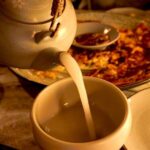
At the Kyung-In Museum of Fine Art, you’ll visit a Dawon Traditional Tea Garden inside a hanok setting. This is where the day gets a breather. You’ll enjoy traditional Korean tea, and it’s a calm contrast to the busier streets around it.
One of the smartest things about this stop is pacing. After temple streets and market planning, your brain needs a quiet reset. Even if tea isn’t your top hobby, you’ll leave with a better feel for Korean daily culture than you’d get from photos alone.
Then you walk along Cheonggyecheon Stream, an 11 km waterway in the downtown area. It traces a former natural stream and later shifts in history—from being part of the Joseon-era landscape to post–Korean War change when refugees built homes along the area. Today it’s a man-made eco-waterway, and the walk gives you something visual and soothing in the middle of a city-day schedule.
Photo tip: Cheonggyecheon looks best when you’re not sprinting. If you’re trying to keep the day moving, at least spend a few slow minutes on the water edge for photos that look less rushed.
Gwangjang Market dinner: street food, makkŏlli, and a real ending
This tour’s biggest “you can’t fake it” moment is the dinner at Gwangjang Market. It’s Seoul’s first commercial market, opened in 1905, and the food scene there is the kind of place you can’t replicate at home.
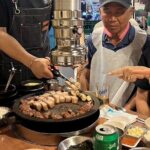
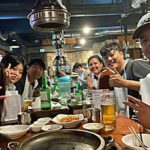
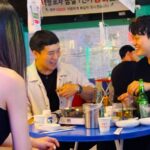
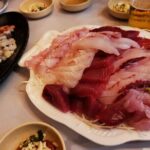
Dinner is built around Korean street foods and korean rice wine (makkŏlli). You’ll get a meal that feels like the city’s everyday life rather than a staged tasting. And because it’s the end of a long day, it hits harder in a good way: you finish full, not just snack-satisfied.
Lunch is also handled carefully. You’re served Jinseng Chicken Soup (samgyetang), and it’s described as being at a Michelin Restaurant stop. The key value here is that the tour is aiming for popular Korean comfort food rather than generic tourist plates. A vegetarian option is also mentioned as available, which is useful if you don’t eat meat.
Snack and tea stops during the day keep you from relying on vending machines or random convenience stores. The snacks included also help you sample the “in-between” food culture that makes Seoul fun beyond the headline attractions.
Guide quality: how the host can make (or break) the day
This tour format rises or falls with the guide. The overall feedback is strongly positive, and specific hosts get named often—Bergen Park, Tony, Shawn Park, Kimsoo, Don Lee, and John. Common praise includes punctual pickup, clear explanations, and an ability to adjust when someone has needs, like a bad knee or a senior mother who needs a kinder pace.
One review highlighted that a guide was able to tailor the day after hearing interests. Another mentioned taking extra care to make the experience stress-free, including changing the meeting location to help someone who was nervous about using public transport. That’s the kind of practical hosting that turns a tour into an actually helpful day.
Now the balanced bit: there was one lower-score account where the guide’s cost-saving choices didn’t match expectations, including an awkward palace ticket situation and frustration about food and drink. There were also complaints about physical contact and personal space, plus a moment of conflict with a shop staff member. This isn’t the majority, but it’s worth noting that a tour is still a human interaction. If you’re very sensitive to being touched or you strongly prefer strict “no improvisation” behavior, you should be clear with your guide at the start about your boundaries and preferences.
Price and value: what $299 buys you in real terms
At $299 per person, you’re paying for a bundle: hotel pickup and drop-off, private air-conditioned transport, an English-speaking licensed guide, admission tickets at multiple stops, and meals plus snacks.
Here’s the real value equation:
- You’re saving time. Without a guide, you’d need to line up transit, entry timing, and where to eat lunch and dinner.
- You’re buying planning help. Markets like Gwangjang are fun, but choosing what to order can be overwhelming when you don’t read Korean well.
- You’re getting food included. Lunch (samgyetang) and dinner (street food plus makgeolli) are not small add-ons.
That said, one critique pointed out that if you plan your day tightly, the outing might cost less when you do it yourself, especially since several stops have free entry. So this tour makes the most sense when you value less hassle more than saving every dollar.
If you’re the type who likes structure on day one, this price starts to feel fair. If you love DIY and don’t mind sorting everything out, you might decide it’s more than you need.
What to expect at each stage of the day
The day is designed like a story with set beats:
- Royal Seoul first: palace and guard spectacle help you anchor the era.
- Culture and daily life next: museum + hanok village show what people actually lived like.
- Spiritual and craft city: temple + Insadong shift the mood.
- Rest and reset: tea garden and Cheonggyecheon give you a break.
- Finish with food: Gwangjang Market brings it home with street food energy.
To get the most out of it, I’d go in with two mindsets:
1) Assume you won’t see every detail. You’re getting the map and the highlights.
2) Let your guide steer small choices—especially around food. That’s where tours often beat DIY.
Practical tips before you go
Bring:
- Comfortable walking shoes (the schedule includes lots of city-on-foot time).
- Sun and heat gear for warmer months; one guest warned that June was uncomfortably hot.
- A flexible attitude. Some stops include waiting, crowds, and short time blocks.
When it comes to food:
- Tell your guide early about any dislikes. Lunch includes samgyetang, and dinner includes street food and makgeolli, so preference info helps the guide handle substitutions.
- If you have dietary needs beyond vegetarian, your best move is to mention it at booking or at pickup so the guide can plan with what’s available at each stop.
When it comes to photos:
- Take the quick shots, then spend a moment lingering in places that aren’t rushed—Bukchon lanes, Cheonggyecheon edges, and the tea garden area are usually where the photos look less “on the run.”
Should you book this Seoul City and Gourmet Tour?
Book this tour if you want a first-day Seoul reset: palace highlights, traditional neighborhoods, temples, and a market dinner, all with meals and a licensed English guide. It’s especially good for solo travelers and couples who want a plan that doesn’t require studying transit charts.
Consider passing or pairing it with extra self-time if:
- You hate fast pacing or you’re very limited on walking.
- You’re extremely particular about personal space and interaction style, and you won’t feel comfortable being physically guided around crowds.
- You’d rather control the itinerary yourself and are happy to handle tickets and food choices without a guide.
If you want one day that gives you Seoul’s “why” as well as its “what,” this is a strong pick. You’ll leave with more than photos—you’ll leave with a working mental map of the city and a full stomach to match.
FAQ
What time does the tour start, and how long is it?
The tour starts at 9:00 am and runs for about 9 hours.
Does the tour include lunch, dinner, and snacks?
Yes. Lunch and dinner are included, and you also get snacks and beverages during the day. Lunch includes jinseng chicken soup (samgyetang), and dinner is at Gwangjang Market with traditional street foods and makkŏlli.
Do I get hotel pickup and drop-off?
Yes. The tour offers pickup and drop-off at your hotel in Seoul.
Is this a private tour?
Yes. It’s listed as a private tour/activity, meaning only your group participates.
Are admission tickets included?
Admission is included for several stops, including Gyeongbokgung Palace and the National Folk Museum of Korea and Jogyesa Temple, while other listed stops have free admission.
Can I cancel for a full refund?
You can cancel for a full refund if you cancel at least 24 hours before the experience starts.
![[Private Tour] Nami Island & Snow Viewing and Snow sled (More Members Less Cost) - Nami Island in winter: Winter Sonata charm plus a cold-weather mindset](https://8.koreaadventures.com/wp-content/uploads/private-tour-nami-island-snow-viewing-and-snow-sled-more-members-less-cost.jpg)