REVIEW · GYEONGJU
Busan: Gyeongju UNESCO Legacy Tour with National Museum
Book on GetYourGuide →Operated by LOVE KOREA · Bookable on GetYourGuide
One day, four famous Gyeongju sights. This is a full-day, no-planning-needed trip from Busan built around Bulguksa Temple and the glowing Woljeonggyo Bridge night view, with a calm bamboo start and museum time in between.
I especially like the easy pickup and drop-off from central Busan subway stations, and the fact that you get an English/Chinese-speaking guide who keeps things understandable and on-track. People even note guides like Michelle Hong and Andrew for being clear, professional, and flexible when the day doesn’t go perfectly.
One thing to watch: lunch isn’t included, and some entrances are optional add-ons. That includes Ahopsan Forest and spots like Donggung Palace & Wolji, and the order/timing can shift with weather and traffic.
In This Review
- Key points before you go
- Why this Busan-to-Gyeongju day trip feels different
- Pickup logistics: how the day stays low-stress
- Morning calm at Ahopsan Bamboo Forest (and your skip option)
- Bulguksa Temple: UNESCO time with real meaning
- Gyochon Hanok Village: traditional homes and stories you can picture
- Museum time: what you get at Gyeongju National Museum
- Swap option: Donggung Palace & Wolji vs the museum
- Woljeonggyo Bridge at night: where photos actually match the atmosphere
- Price and value: is $41 per person worth it?
- What the guide does well (and why you should care)
- Who this Gyeongju tour is best for
- Should you book it? My quick take
- FAQ
- FAQ
- How much does the Busan: Gyeongju UNESCO Legacy Tour cost?
- Where do pickups happen in Busan, and what time should I plan for?
- What’s included in the tour price?
- Are meals included?
- Do I have to pay for Ahopsan Forest and Donggung Palace & Wolji?
- Can I choose between the Gyeongju National Museum and Donggung Palace & Wolji?
- Can I skip Ahopsan Forest?
- What language does the guide speak?
- Do I need to provide a WhatsApp contact?
- What is the cancellation policy?
Key points before you go
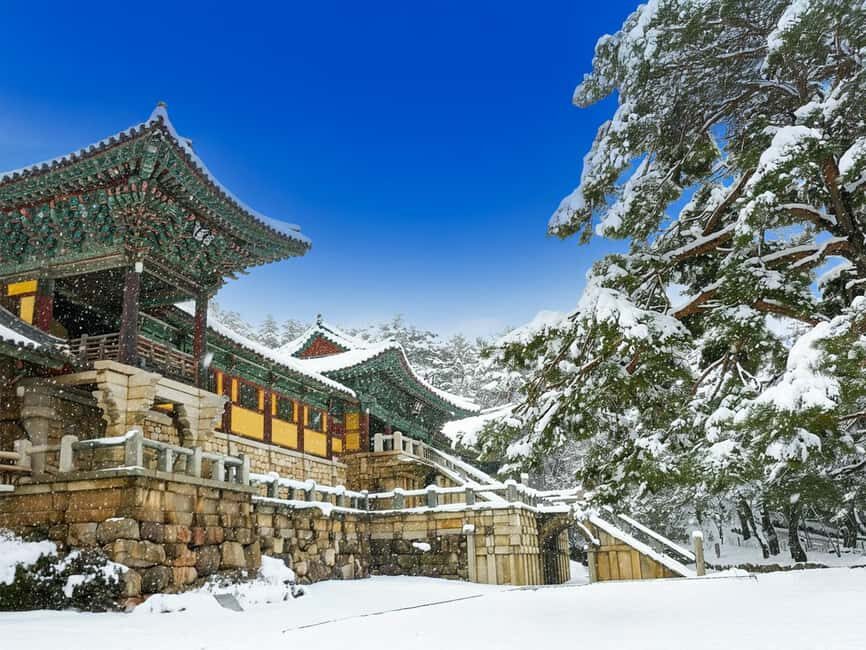
- UNESCO Bulguksa Temple, plus a night photo finish with Woljeonggyo Bridge lighting
- Central Busan pickups (Busan Station, Seomyeon, Haeundae) make this day trip painless
- Ahopsan Bamboo Forest is 400 years old, and you can swap it for a nearby café if you prefer
- Gyeongju National Museum (or Donggung Palace & Wolji) gives you a choice depending on your interests
- Guides are flexible and even handle rainy moments with practical help
Why this Busan-to-Gyeongju day trip feels different
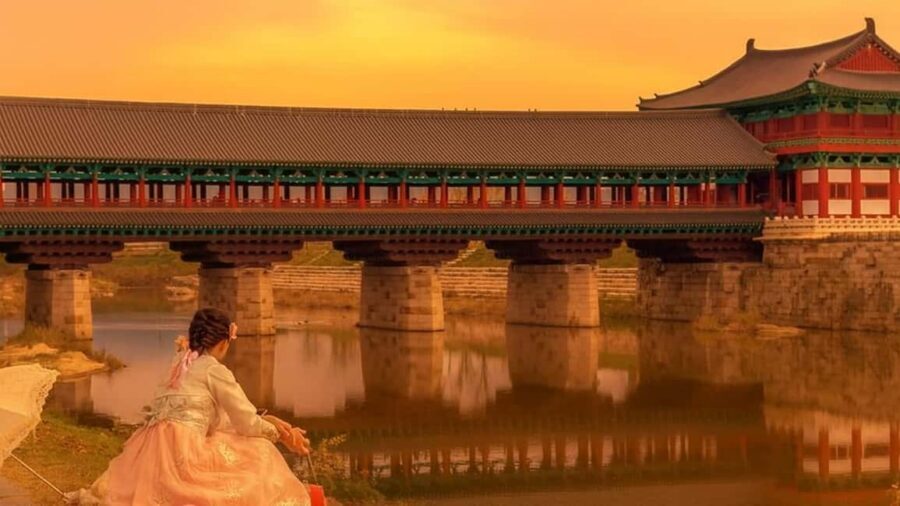
Gyeongju doesn’t feel like a suburb of Busan. It feels like stepping into older Korea, in a tight, well-timed loop.
This tour works because it hits the big emotional beats in one day: a UNESCO temple morning, traditional village walking, museum-level artifacts, and then that famous night atmosphere at Woljeonggyo Bridge. You get the calm, the culture, and the photography without needing to coordinate buses or trains.
And it’s not just “see things.” The guide explanations help you connect each stop to what you’re looking at—especially at Bulguksa.
You can also read our reviews of more tours and experiences in Gyeongju.
Pickup logistics: how the day stays low-stress
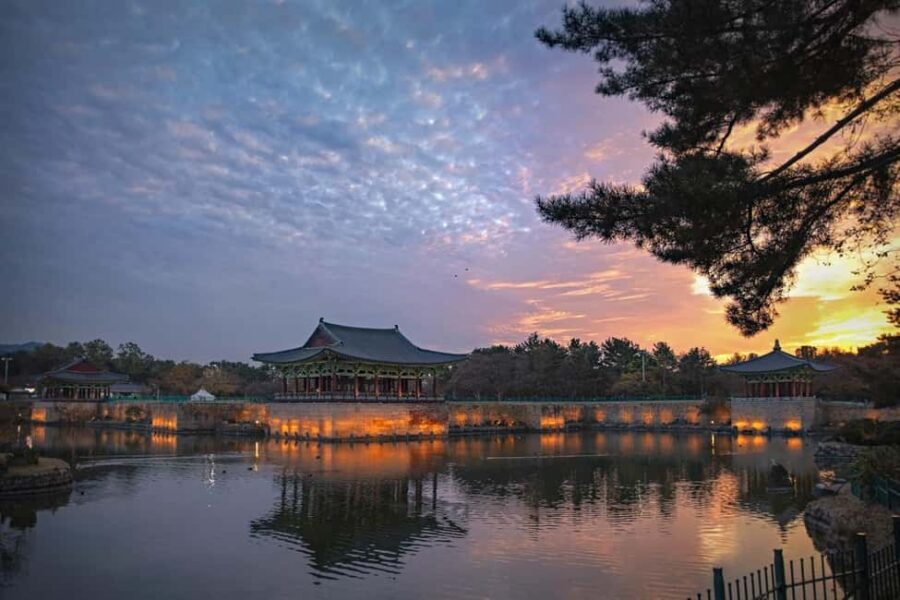
The tour starts with pickup at three convenient Busan subway access points. You’ll meet at Busan Subway Station Exit 4 (8:10), Seomyeon Subway Station Exit 4 (8:30), or Haeundae Subway Station Exit 5 (9:10).
That matters more than people think. If you’re staying anywhere central, these pick-up spots help you avoid wasting your morning on transfers or timing problems.
You also get round-trip transfers, plus toll, parking, and fuel covered. Translation: you’re paying for a functioning day-trip system, not just a guide with a meeting point.
Morning calm at Ahopsan Bamboo Forest (and your skip option)
Ahopsan Bamboo Forest is the first stop, and it’s not a “quick photo only” kind of place. It’s described as a 400-year-old bamboo grove, and the whole point is serenity.
Here’s the practical part: the entrance fee for Ahopsan Forest is not included. The good news is you’re not locked into it. The tour says you can start your day at a nearby café if you’d rather not visit the forest, or choose a forest walk instead of the café.
So you can match the day to your energy level:
- If you want a quiet start: do the bamboo walk.
- If you want coffee and flexibility: skip the forest, and begin with a calmer nearby stop.
Either way, this start helps the day avoid that “rush-rush” feeling you get on some group tours.
Bulguksa Temple: UNESCO time with real meaning
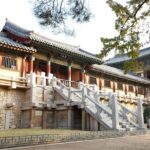
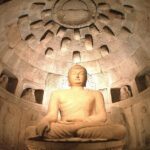
Bulguksa Temple is the headliner for a reason. It’s a UNESCO treasure from the Silla Dynasty, and the tour builds the day around walking through it calmly.
I like how this stop is treated as more than a stamp-collection checkpoint. The guide’s explanations help you notice what you’re seeing, and you’re given enough time to actually experience the place instead of racing through.
One of the most valuable parts of Bulguksa on this itinerary is the pacing. Because the day begins with the bamboo forest, Bulguksa doesn’t feel like an immediate shock. It feels like the next step in the same theme: old Korea, quiet atmosphere, careful craftsmanship.
Gyochon Hanok Village: traditional homes and stories you can picture
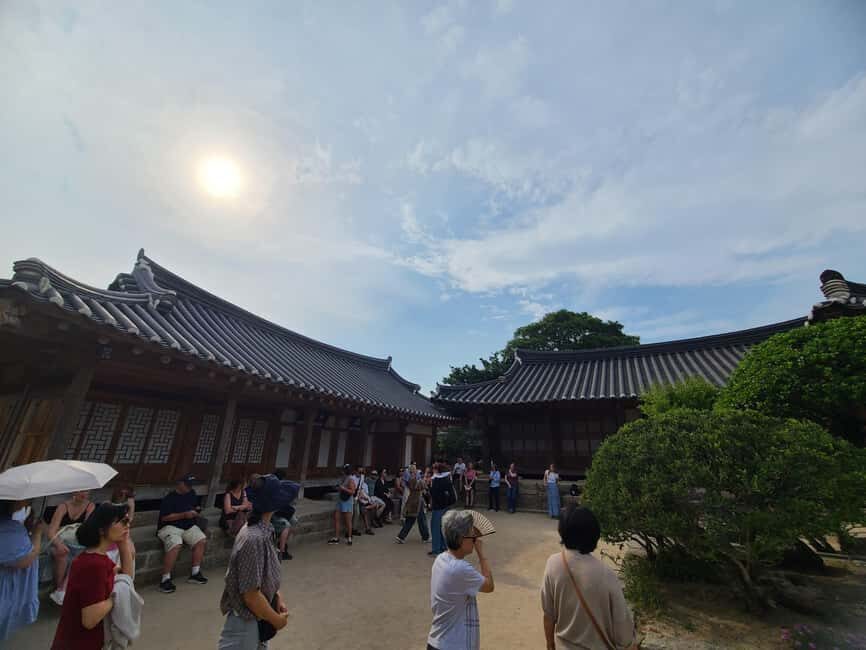
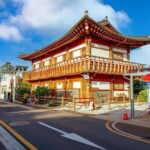
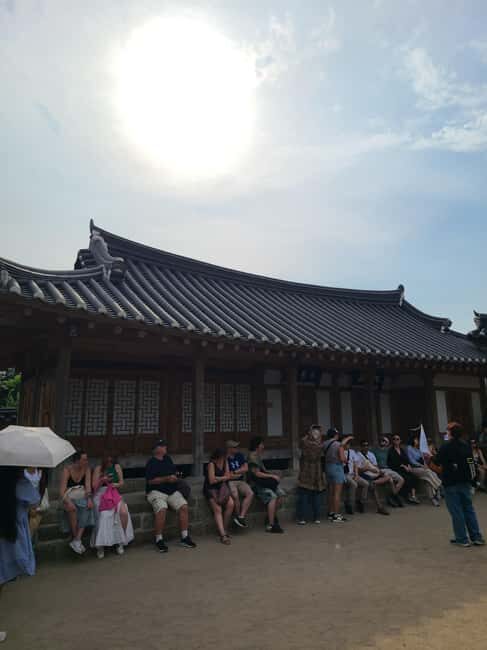
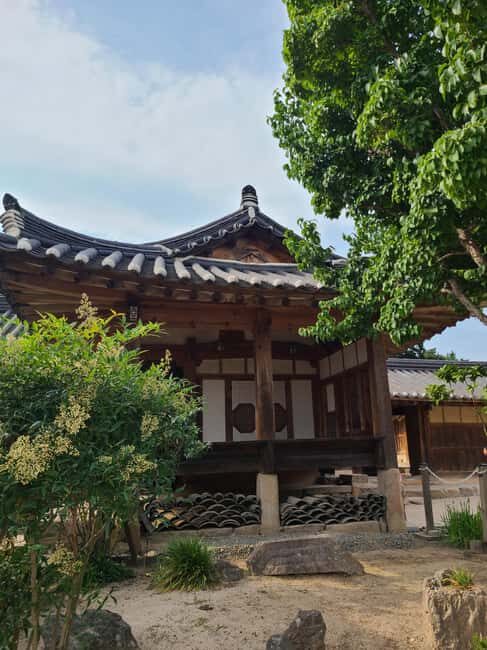
After Bulguksa, you head into Gyochon Hanok Village. This is where the tour slows down into human-scale culture.
You’ll get to stroll through traditional Korean homes and key named spots like the Choi Family House. You also visit Sungmundae Hill, which adds a scenic, story-rich angle to the day.
This stop is a good contrast to the museum. Temples and relics are about what survived. Hanok streets are about how people lived—and how that lifestyle gets remembered.
If you care about details, this is where you’ll feel the difference between “I saw a building” and “I understand what the building meant.” The guide background helps, but you still get time to look around on your own.

Museum time: what you get at Gyeongju National Museum
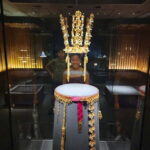
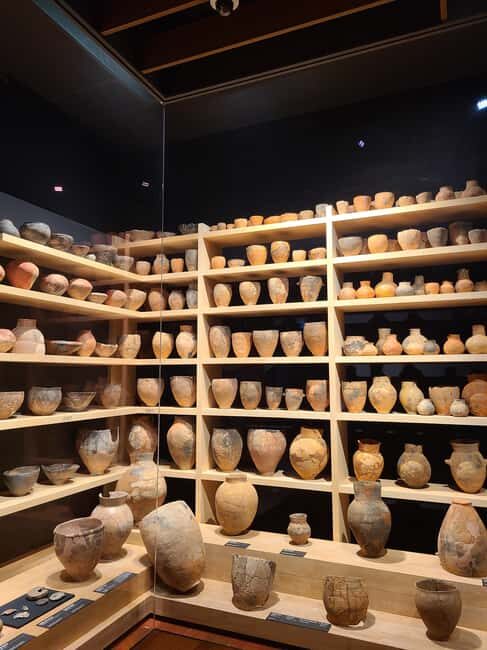
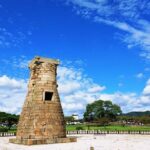
History lovers will likely love the Gyeongju National Museum, because it’s where you see priceless relics described as national treasures.
The museum stop is also a smart move in a one-day itinerary. Outdoor stops are weather-dependent, but museums give you a steadier experience. If it’s raining, museums tend to keep your day from falling apart.
And the best part is the guide framing. Several people found the museum surprisingly enjoyable, especially when the explanation helped them understand why the artifacts matter. Even if you’re not a hard-core museum person, a well-run guide can turn “look at objects” into “see a timeline.”
Swap option: Donggung Palace & Wolji vs the museum
This tour gives you a choice, which I really appreciate for value and personal preference.
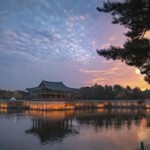
You can choose Donggung Palace & Wolji instead of the museum. And the tour also describes Ahopsan Forest as an optional spot, with alternatives like a café start or a walk option.
That choice is useful because not everyone wants the same kind of learning in the same order:
- Prefer artifacts and explanations? Go with the Gyeongju National Museum.
- Prefer a palace-and-pond feel for a lighter sightseeing style? Pick Donggung Palace & Wolji.
If you’re the kind of traveler who hates feeling forced into one “correct” plan, this option makes the tour more flexible without changing the overall structure of the day.
Woljeonggyo Bridge at night: where photos actually match the atmosphere
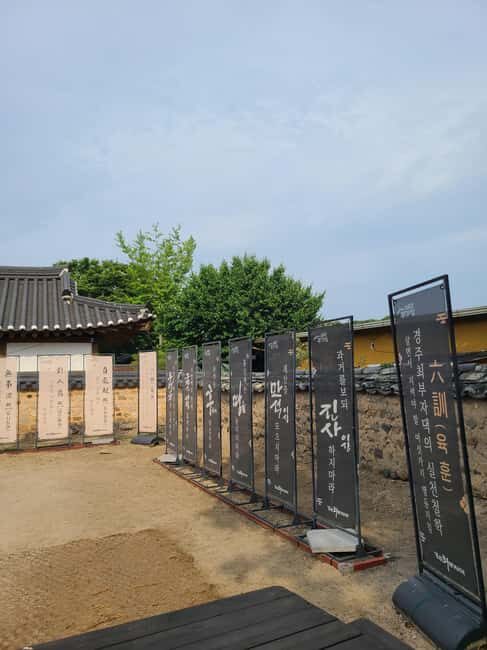
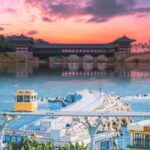
When the day shifts toward evening, you get the tour’s biggest night payoff: Woljeonggyo Bridge.
The bridge is known here for a stunning night view with evening illumination. This is the stop that people mention as a standout finale—because it doesn’t feel like a rushed roadside photo moment. You get time to look, and you can take pictures that match what you’re feeling.
This is also where the tour’s pacing shows. After temple, village, and museum, you need something that feels different. Night lights do that job perfectly.
And even if you’re not the biggest photographer, it’s still a great “wrap up” moment. It’s calm, atmospheric, and a fitting contrast to the daytime walking.
Price and value: is $41 per person worth it?
At about $41 per person, you’re paying for a lot of friction removal.
You get:
- An English/Chinese-speaking guide
- Professional guidance
- Round-trip transfers from central Busan meet-up points
- Toll, parking, and fuel fees covered
Admission fees and meals aren’t included. That’s the main cost reality check. Since lunch fees and optional entrances are extra (including Ahopsan Forest and possibly Donggung Palace & Wolji), your total day cost depends on what you choose to enter and where you eat.
But for the structure—especially a full loop through UNESCO temple territory plus museum content plus a night view—this price tends to work well if you don’t want the headache of planning transportation yourself.
If you’re traveling solo or as a small group, the cost can feel even more fair because you’re essentially buying time, organization, and a guide who keeps the day moving.
What the guide does well (and why you should care)
A strong tour day isn’t only about sites. It’s about how the day is managed between sites.
This tour’s guide support shows up in three practical ways:
- Clear explanations at each location, so you’re not wandering with a vague feeling of what you’re looking at.
- Time management that keeps you from feeling rushed, while still fitting multiple stops.
- Flexibility when conditions change, including traffic delays and rainy moments.
People specifically note guides like Michelle Hong and Andrew for being informative and adaptable. One detail I like: when rain hit a bit, the guide helped out with personal umbrellas. That’s exactly the kind of small, practical help that turns an okay day into a smooth one.
Who this Gyeongju tour is best for
This tour fits best if you want:
- A first-time Gyeongju overview without transport headaches
- A day that mixes UNESCO temple + traditional village + museum (or palace/pond) + night view
- A guide-led experience where you can ask questions and understand what you’re seeing
It’s also a good match for visitors who like a balanced day—some guided history, plus enough free time to enjoy the places rather than just listen and move on.
If you’re the kind of traveler who wants totally free roaming with no schedule at all, you might find a structured day limiting. But for most people doing Busan as a base, this is a smart use of one day.
Should you book it? My quick take
If you’re short on time in Busan and want to add genuine historical Korea to your trip, this is an easy yes.
Book it if:
- You want a single-day Gyeongju hit list that includes Bulguksa and Woljeonggyo Bridge
- You like the idea of an English/Chinese guide
- You’re okay budgeting for lunch and optional entrances
Skip it if:
- You hate tours with any timing changes and prefer to wander completely solo
- You don’t want to spend extra on museum/temple-area admissions and meals during the day
FAQ
FAQ
How much does the Busan: Gyeongju UNESCO Legacy Tour cost?
The price is $41 per person.
Where do pickups happen in Busan, and what time should I plan for?
Pickup is at Busan Subway Station Exit 4 (8:10), Seomyeon Subway Station Exit 4 (8:30), and Haeundae Subway Station Exit 5 (9:10).
What’s included in the tour price?
It includes an English/Chinese-speaking guide, professional guiding, round-trip transfers from the meet-up location, and toll, parking, and fuel fees.
Are meals included?
No. Meals (lunch fees) are not included.
Do I have to pay for Ahopsan Forest and Donggung Palace & Wolji?
Entrance to Ahopsan Forest is not included. Admission to Donggung Palace & Wolji is also not included, since these are optional spots.
Can I choose between the Gyeongju National Museum and Donggung Palace & Wolji?
Yes. You can choose Donggung Palace & Wolji instead of the museum.
Can I skip Ahopsan Forest?
Yes. If you prefer not to visit the forest, you can start your day at a nearby café. You can also choose a forest walk option instead.
What language does the guide speak?
The guide is English/Chinese-speaking.
Do I need to provide a WhatsApp contact?
Yes. You’re asked to leave accurate contact information (WhatsApp) so the team can reach you via WhatsApp for a smooth tour.
What is the cancellation policy?
You can cancel up to 24 hours in advance for a full refund.