REVIEW · SEOUL
2-Hour Private K Cooking Class
Book on Viator →Operated by K.dreams.Seoul · Bookable on Viator
A great Korean cooking class isn’t just recipes. It also teaches how to buy food, read the room, and cook what you actually crave. This private class from K.dreams.Seoul pairs a traditional market shopping stop with a culture-focused food session, led by a host like Jay who is easy to talk to and ready to answer questions.
I especially like how the market portion helps you make real decisions: what to choose, what to look for, and how staples work in everyday Korean stores. I also like that the class doesn’t end when you’re full. You leave with step-by-step recipes (illustrated in at least one review) so you can recreate Korean favorites at home in a way that fits a normal kitchen. One consideration: the afternoon option includes alcohol culture and drinking games, so if you want a strictly low-alcohol or non-drinking experience, check in before booking.
In This Review
- Why This Private Class Feels More Useful Than a Typical Cooking Session
- Key Highlights I’d Put at the Top of Your List
- The Morning Option: Traditional Market Tour for Real Ingredient Skills
- What to watch for during the market part
- The Afternoon Option: Alcohol Culture and Drinking Games (Social Seoul Edition)
- Who this afternoon option fits best
- What You’ll Cook and Why It Matters for Your Home Kitchen
- The real value: easy home versions
- Dining Etiquette and Basic Korean: The “Use It the Same Night” Skills
- Practical Logistics: Mangwon Station Start and the 2.5-Hour Timing
- What’s included vs not included (so there are no surprises)
- Value for $80: When You Pay for More Than Cooking
- The Provider and the Host Dynamic: Expect Questions to Matter
- Who Should Book This Class (and Who Might Skip It)
- Should You Book the 2-Hour Private K Cooking Class?
- FAQ
- Where does the class start and end?
- How long is the experience?
- Is this a private tour?
- What is included in the class?
- What is not included?
- Will I receive recipes to take home?
- Is it held in the morning, afternoon, or both?
- What’s the cancellation policy?
Why This Private Class Feels More Useful Than a Typical Cooking Session
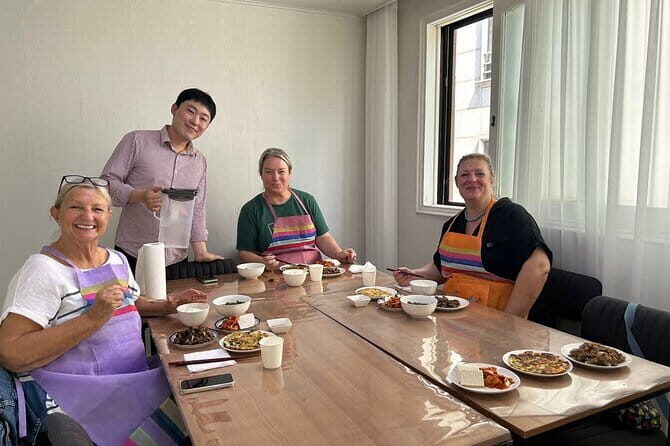
This experience aims to solve two problems most cooking classes ignore. First, it shows you how ingredients are selected and purchased in Korea, not just how to cook with them. Second, it teaches the small communication and table basics that make eating Korean food with Koreans feel natural instead of awkward.
And because it’s private, it’s less performative. You can ask practical questions like what substitute actually works at home, or how you should shop for the same staple you saw during the market stop. In at least one review, the host Jay also shared context about the history of Korean food, which helps the ingredients make sense instead of feeling random.
Key Highlights I’d Put at the Top of Your List
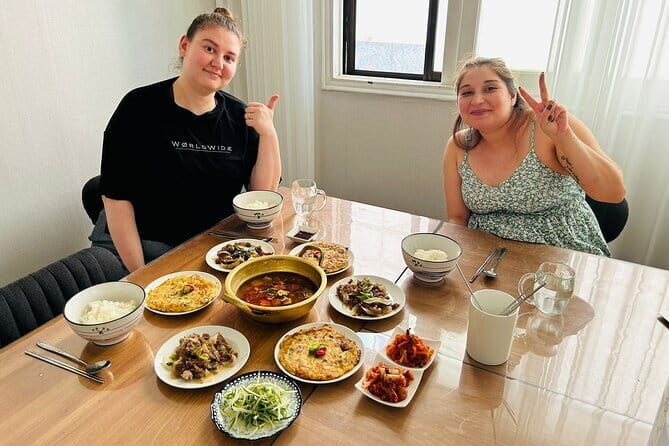
- Traditional market shopping so you learn how to choose fresh ingredients, not just buy whatever looks good
- Take-home recipes with clear steps, including illustrated recipe pages in reviews
- Dining etiquette + basic Korean so you can interact at the table with more confidence
- Alcohol culture and drinking games for a social, Korean-friends vibe (if you’re in the mood)
- Private group format for questions, pacing, and real attention from your host
You can also read our reviews of more private tours in Seoul

The Morning Option: Traditional Market Tour for Real Ingredient Skills
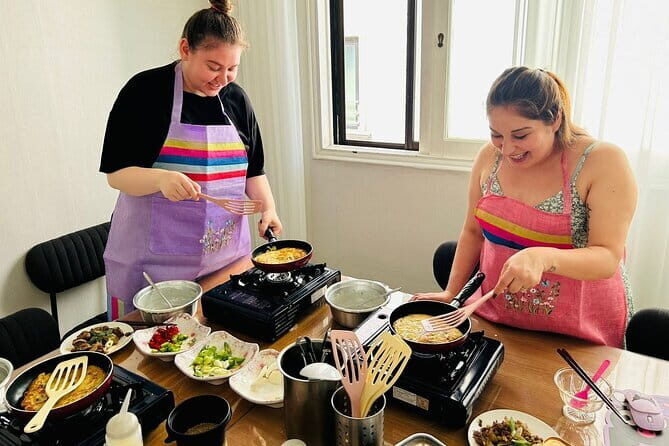
If you book the morning class, the heart of the experience is a traditional Korean market tour guided by your host. The goal is simple: you practice selecting and purchasing fresh ingredients while learning why those ingredients matter in Korean cuisine and local culture.
Here’s why this works so well. When you cook Korean food at home, your biggest failure point usually isn’t technique. It’s ingredients. Even when you can follow a recipe, you may not know which version to buy, how to spot quality, or what “this staple” really refers to in Korean stores. A market tour fixes that by showing you what to look for in context.
You’ll also get guided insight on key ingredients and their significance. That matters because Korean flavors often depend on balance: the way sauces and seasonings work together, how fermented flavors show up, and why certain staples are treated as everyday building blocks rather than special treats.
What to watch for during the market part
Markets reward curiosity. Ask questions as you go, especially about:
- how Koreans typically buy or use the ingredient you’re seeing
- what you can and can’t easily substitute back home
- which items are considered everyday staples versus occasional purchases
You’ll get more value if you’re actively comparing what you see with what you’ve cooked before. Even if you don’t know Korean, the class includes basic Korean language and aims to help you communicate smoothly while you shop.
The Afternoon Option: Alcohol Culture and Drinking Games (Social Seoul Edition)
The afternoon class shifts from shopping to the social side of Korean dining: alcohol culture and drinking games. This isn’t framed as a wild party thing. The emphasis is on understanding drinking culture and using drinking games as a way to connect and have fun with new people.
Korean drinking culture has its own rules and rhythms, and the class is designed to help you participate without feeling lost. That includes dining etiquette, how to interact at the table, and basic Korean language so you can at least follow along and respond politely.
And yes, you’ll do drinking games. The point is to turn what can feel like an intimidating cultural moment into something you can actually participate in with confidence. The experience is built for social learning: you try, you learn, you adjust.
Who this afternoon option fits best
This works best if you’re open to light cultural participation and don’t mind the afternoon focusing on alcohol. If you’re someone who prefers your experiences fully non-alcohol, you should treat this as a potential mismatch unless the class can accommodate you in a way that still meets the goals of etiquette and communication.
You can also read our reviews of more cooking classes in Seoul

What You’ll Cook and Why It Matters for Your Home Kitchen
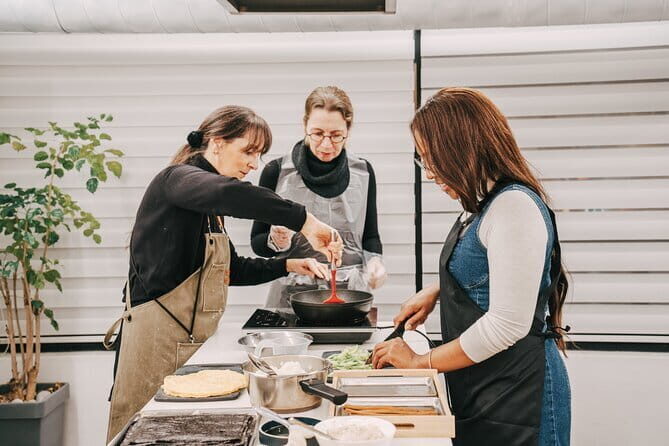
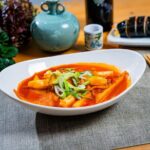
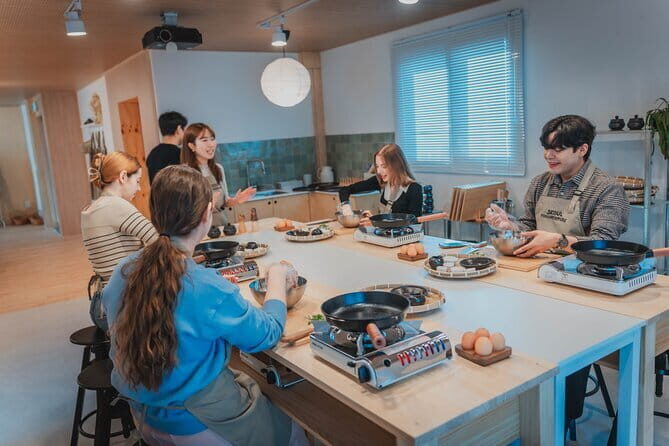
This experience isn’t just about tasting. It’s about cooking dishes you can reproduce. The program includes guide-to-simple recipes that can be followed not only during class but also after you return home.
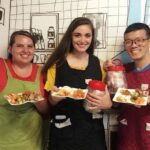
In a review, the class involved cooking four dishes together, and the participant specifically called out that the dishes were delicious and that they received recipes at the end. That matches the wider promise: you’ll get enough structure to cook the Korean food again without needing a full Korean grocery trip and a Korean grandma in the kitchen.
The real value: easy home versions
I like that the approach is practical. Instead of trying to recreate restaurant complexity, you learn simpler versions you can realistically make. For many people (especially expats or anyone who’s started learning Korean cooking), the difference between liking Korean food and successfully cooking it is whether the recipes fit home life.
The class also includes ingredients, a beverage, and cooking utensils, so you’re not stuck translating ingredients into a list and guessing which tool you need. That’s part of the value: the hard part is handled by the program, and you leave with a method.
Dining Etiquette and Basic Korean: The “Use It the Same Night” Skills
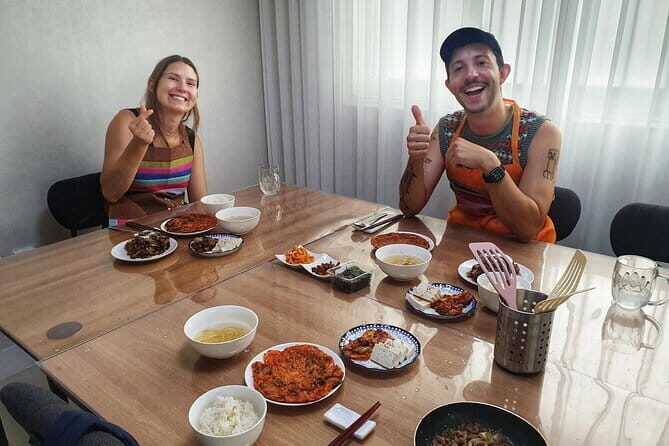
One standout promise is that you’ll learn basic Korean language and dining etiquette. This isn’t fluff. It changes your whole experience of food in Seoul because you stop feeling like a silent outsider.
In practice, these lessons help you:
- communicate smoothly enough to enjoy the table conversation
- understand how dining etiquette affects pacing and shared meals
- feel more confident when dealing with Korean-style social interaction
A review also praised how the host Jay helped develop understanding and was open to questions. That matters because language isn’t only vocabulary. It’s knowing how to react, how to ask, and what tone works in a real setting.
Even if your Korean is basic, you’ll get more out of Korean restaurants and market visits after this. You’ll recognize patterns faster, and you’ll spend less mental energy trying to guess what people expect from you.
Practical Logistics: Mangwon Station Start and the 2.5-Hour Timing
The class starts at Mangwon Station in Seoul and ends back at the meeting point. That’s helpful because you don’t lose time figuring out a complicated end location or backtracking through crowded areas late in the day.
The timing is listed as about 2 hours 30 minutes. For a Seoul itinerary, that’s a sweet spot. It’s long enough to include market learning and cooking, plus a culture segment if you’re in the afternoon slot. It’s also short enough that you can still eat dinner afterward without feeling like the day got swallowed.
It’s also near public transportation, so you’re not forced into taxis just to make it work. And because you’re booking a private experience, only your group participates. That typically means better pacing and more room to ask questions without everyone waiting on you.
What’s included vs not included (so there are no surprises)
Included:
- ingredients
- a beverage
- cooking utensil and related items
Not included:
- coffee and/or tea
- additional beverages
If you’re someone who loves tea or coffee breaks, plan for that. The class will cover the food and at least one beverage, but it won’t automatically handle extra drinks beyond what’s included.
Value for $80: When You Pay for More Than Cooking
At the listed price of $80, you’re not just paying for a kitchen lesson. You’re paying for guided ingredient shopping, recipe instruction, cultural context, and the supplies that let you cook without prep stress.
Here’s how I think about the value:
- Ingredients and utensils are included, which reduces the hidden costs of a “cook at home later” plan.
- You get cultural training (etiquette and basic Korean) that often costs extra in other types of tours.
- The class is private, which is worth real money when you want questions answered and pacing adjusted for your comfort level.
If you’ve ever tried Korean cooking after a trip and realized you had the recipe but not the right ingredient-shopping skills, this format solves that gap. And at least one review mentioned that expats appreciated learning easy home versions of favorites and how to navigate local Korean stores. That’s the practical payoff you’re paying for.
The Provider and the Host Dynamic: Expect Questions to Matter
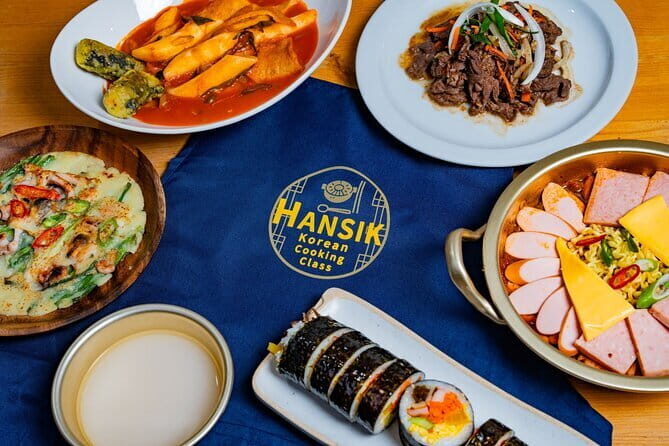
This experience is run by K.dreams.Seoul. The tone from reviews is consistent: the host is friendly and makes it easy to feel comfortable quickly.
The name Jay shows up in feedback as a guide who creates an informative and fun experience, shares food history, and stays open to questions. If you’re the type who likes to understand the why behind flavors and techniques, that’s a good fit.
If you prefer a very hands-off experience, you can still learn step-by-step recipes. But the class is clearly designed for interaction, including questions during cooking and guidance during the market portion.
Who Should Book This Class (and Who Might Skip It)
This class is a strong match if you want:
- real-life ingredient shopping practice in a traditional Korean market
- recipes you can actually cook later
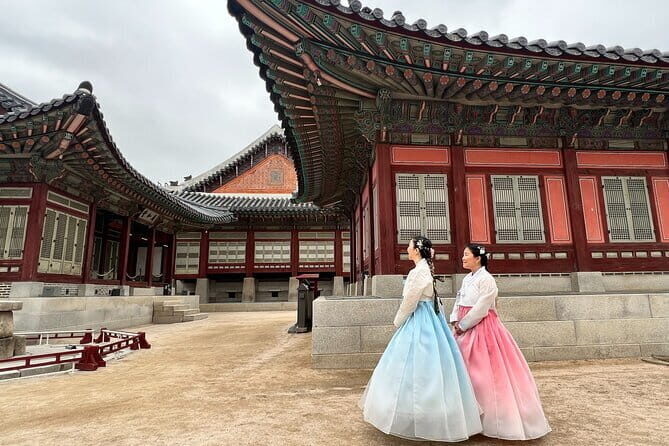
- cultural learning that goes beyond food tasting
- a private format so your questions get answered
It’s also a good fit if you’re staying in Seoul long enough to use the recipes and return to Korean stores afterward.
You might consider another option if:
- alcohol culture and drinking games are a hard no for you
- you only want cooking instruction and nothing about market shopping or table etiquette
Should You Book the 2-Hour Private K Cooking Class?
If you want Korean food knowledge that follows you home, I’d book it. The recipe focus plus the market learning is the winning combo. You’re getting more than a meal: you’re learning how to choose ingredients, how to understand table behavior, and how to cook simpler Korean favorites without guesswork.
Book it with confidence if you’re comfortable with the cultural side of dining, including the possibility of alcohol games in the afternoon slot. If alcohol isn’t your thing, treat the afternoon format as a question to ask before you confirm, because the experience is clearly built around that element.
FAQ
Where does the class start and end?
The class starts at Mangwon Station in Seoul, South Korea, and it ends back at the meeting point.
How long is the experience?
The duration is approximately 2 hours 30 minutes.
Is this a private tour?
Yes. It is a private tour/activity, and only your group participates.
What is included in the class?
The class includes ingredients, a beverage, cooking utensils, and related items.
What is not included?
Coffee and/or tea are not included, and additional beverages are also not included.
Will I receive recipes to take home?
Yes. The program includes guide-to-simple recipes so you can recreate the dishes at home, and reviews mention getting recipes at the end of class.
Is it held in the morning, afternoon, or both?
The program is offered as morning and afternoon classes: the morning focuses on a traditional market tour, and the afternoon focuses on alcohol culture and drinking games.
What’s the cancellation policy?
Free cancellation is available up to 24 hours in advance for a full refund. If you cancel less than 24 hours before the start time, the amount paid is not refunded.