REVIEW · SEOUL
Korean Cooking Class with Grocery Shopping at Seoul Local Market
Book on Viator →Operated by Seoul Foodventure · Bookable on Viator
Shopping like a local beats hunt-for-ramen days. I love how this class starts at Mangwon Market and turns groceries into real Korean daily life, not a checklist. You’ll pick ingredients with a Gen Z Korean homemaker and then cook three iconic dishes together in a small group.
I also love the hands-on coaching led by Sunghyun, who goes by Phoebe, so you get more than recipes. One thing to plan around: if you’re more than 10 minutes late, you might miss the market tour part of the day.
In This Review
- Key highlights at a glance
- Mangwon Market at 10:30: groceries, not tourist snacks
- The three dishes you’ll learn (and why they work at home)
- Bulgogi: flavor building, not just marinating
- Gyeran-jjim: silky egg and quick confidence
- Kimbap: assembling like a Korean home cook
- Phoebe’s studio cooking time: cozy, close, and actually doable
- Itinerary walkthrough: what each part gives you
- Stop 1: Mangwon Market
- Studio prep and cooking session
- Price and value: $91.91 for a real food day, not a souvenir
- Timing, transit, and who this tour suits best
- Small notes that make your experience smoother
- After the class: make kimbap part of your Seoul day
- Should you book this Mangwon Market cooking class?
Key highlights at a glance
- Mangwon Market, the local way: shop the stalls where regular Seoul shoppers go
- Three practical dishes: bulgogi, gyeran-jjim, and kimbap you can repeat at home
- Small group limit (up to 8): more attention, less waiting around
- Phoebe’s teaching style: clear steps, patient help, and lots of food chat
- Cozy studio setup near Mangwon Station: convenient and calm after the market
- Han River picnic idea: take leftover kimbap and make it feel like a Seoul day
Mangwon Market at 10:30: groceries, not tourist snacks
This tour is built around one simple idea: if you want Korean food to make sense, start where people actually shop. You meet at Seoul Foodventure in Mapo-gu, Mangwon-dong (Mangwon Station area), and the day kicks off at 10:30am, when the market is active and you can still think clearly while you browse.
Mangwon Market has been around for decades, and you feel that everyday rhythm in the way stalls are arranged and how shoppers move. It’s not staged for photos. It’s where you’ll notice different vendors, different brands, and the logic of what locals buy together. That matters because cooking isn’t just about following steps. It’s about ingredients that match Korean tastes: sweetness in marinades, the right texture for egg, and the way seaweed and rice work as a package.
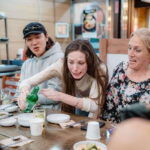
You’ll shop with Phoebe, and the vibe is intentionally less tour-bus and more local routine. People in the group tend to talk, ask questions, and compare what they see. Since the tour caps at 8 travelers, you’re not fighting for attention while everyone rushes to the same stall.
Practical tip: wear shoes you can walk in for a short but lively market segment. You don’t need hiking gear, but Mangwon Market is active enough that comfort beats style.
You can also read our reviews of more shopping tours in Seoul
The three dishes you’ll learn (and why they work at home)
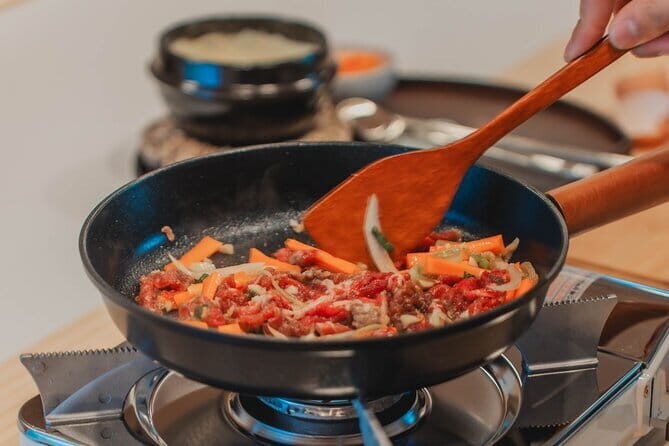
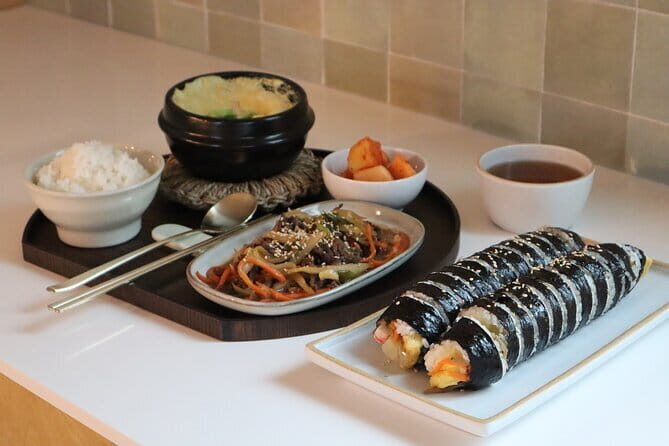
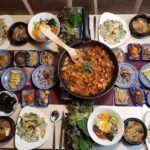
The class focuses on three Korean staples: Bulgogi, Gyeran-jjim, and Kimbap. This combination is smart because each dish teaches a different skill, not just a single recipe.
Bulgogi: flavor building, not just marinating
Bulgogi is where many people get their first real taste of Korean home-style flavoring—soy-based depth, sweetness, and savory notes that cling to meat. In a class like this, you’re not just tasting. You’ll prep as part of the group process, which helps you understand what changes the outcome: how the marinade coats, how long flavors develop, and what to watch for when cooking.
At home, this is also a forgiving win. Even if you don’t have every Korean product, you’ll still understand the logic behind the marinade profile. That’s what you want from a short class—transferable method.
Gyeran-jjim: silky egg and quick confidence
Gyeran-jjim (steamed egg) is one of those Korean dishes that sounds simple, but the technique is what makes it work. The goal is a smooth, gentle texture and a seasoning balance that feels right for a side dish or light meal.
This is one reason I like teaching like this: once you learn the approach to egg (not just a list of ingredients), you can repeat it for breakfast, a snack, or a small dinner. It’s also a dish that teaches you patience. You’re not trying to force flavor with heat. You’re aiming for the right finish.
Kimbap: assembling like a Korean home cook
Kimbap is the hands-on payoff. It’s part cooking, part assembly, and it’s the dish where you’ll likely feel the most immediate satisfaction. The class includes making it in the studio after the market shopping.
If you’ve ever bought kimbap and wondered why it tastes different from what you can reproduce, this is the moment. The workflow teaches you how the components fit together: rice handling, filling balance, and how the roll should come out. Even if your first one looks slightly imperfect, you’ll understand how to improve.
Bonus idea from the experience: when you finish, take leftover kimbap to the nearby Han River area, spread out a mat, and make it a sunny picnic. That turns the lesson into a complete Seoul memory, not just a meal you eat in a classroom.
A few more Seoul tours and experiences worth a look
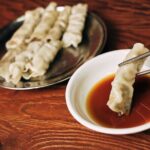

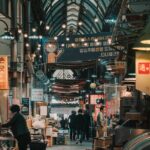
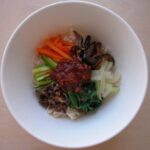

Phoebe’s studio cooking time: cozy, close, and actually doable
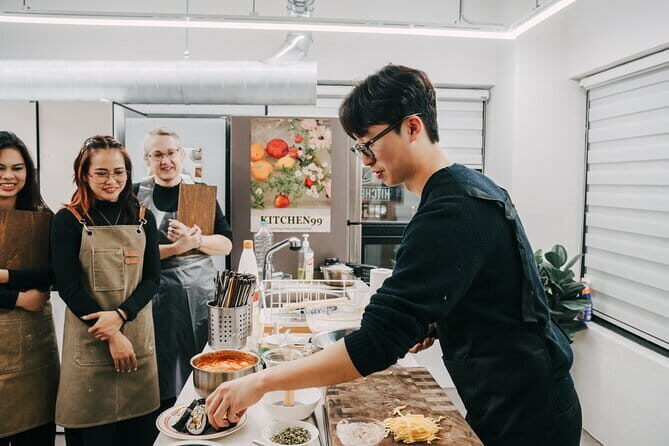
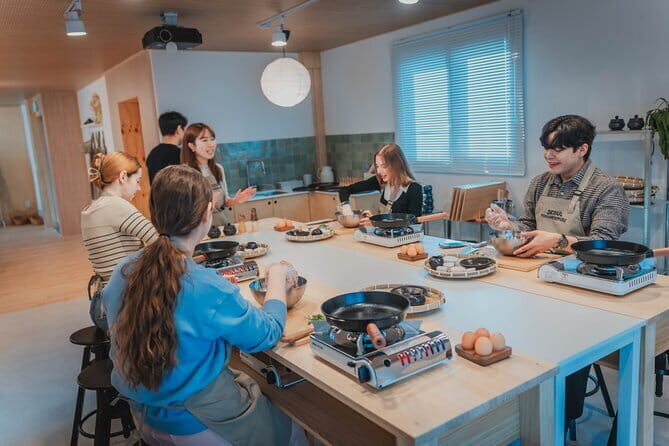
After the market, you head to a studio space near Mangwon Station. It’s close enough that the switch from market energy to calm cooking feels natural. The room itself is described as cozy, and that matters because cooking classes can be chaotic when space is tight. Here, the layout supports real instruction and watching what your host does before you try it.
Phoebe is the host and teacher (Sunghyun). In the experience, she’s known for being patient and explaining details step by step, down to what you should pay attention to while cooking. In plain terms: you’re less likely to feel lost, and more likely to understand why something works.
The small group format helps a lot. With a maximum of 8 travelers, you’re not stuck waiting for someone else to finish. You can ask questions while the process is fresh. This kind of pacing is especially valuable if you’re a complete beginner, because you get time to learn without pressure.
Also, the studio setup is convenient. You’ll start and finish back at the meeting point, which means you don’t need to plan extra transit like you might for some cooking lessons that scatter across town.
Itinerary walkthrough: what each part gives you
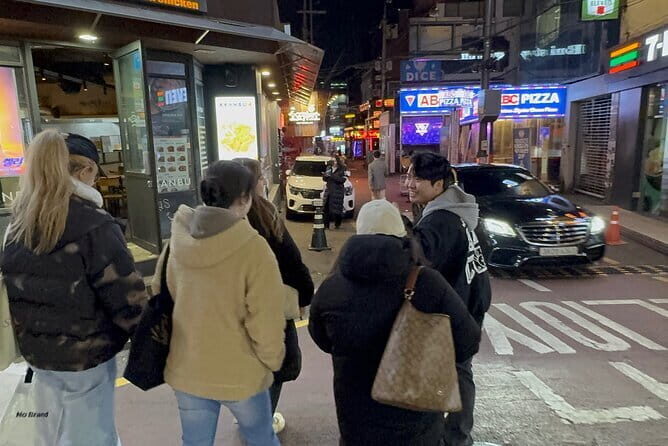
Stop 1: Mangwon Market
This is the heart of the experience. You arrive hungry with an idea of what you want to eat, then you build a shopping plan by walking the market and choosing ingredients.
What makes this stop worth your money is that it changes how you shop later. You learn what Korean cooks look for at the market: quality, freshness, and how ingredients pair. You also get to watch a real local approach—where you buy, what you ignore, and how fast you can make decisions when you know the basics.
The one thing to remember: this is a timed tour. You’re advised to arrive on time because if you show up more than 10 minutes late, you might miss the market tour. That’s not being picky. It’s how they keep the class flowing for everyone.
Studio prep and cooking session
Once you’re in the studio, the market shopping becomes your ingredient base. The class then shifts into active cooking where you create a Korean-style home meal.
You’ll cook the three dishes together, which also means you’ll learn how the flavors of different dishes balance on one table. That’s a key lesson. Korean meals usually aren’t a single dish situation. It’s mix-and-match eating, and kimbap plus egg plus bulgogi makes a practical, repeatable combo.
Price and value: $91.91 for a real food day, not a souvenir
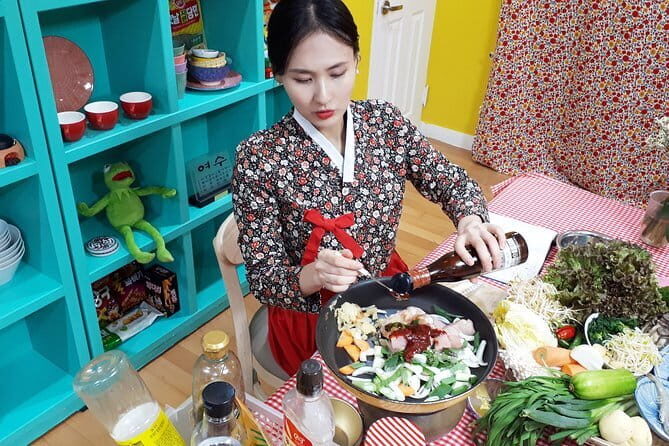
At $91.91 per person, this isn’t the cheapest food activity in Seoul. But it also isn’t trying to be. You’re paying for three things that cost time and labor:
- A guided market segment where locals actually shop
- Structured coaching for three dishes (including hands-on assembly)
- A studio space and the class experience, capped at 8 people for better attention
Another value point: this is booked about 21 days in advance on average, which hints at demand. That’s usually a sign the format works and sells out when people want something different from standard sightseeing.
If your goal is to leave Seoul with skills you can use, this class is a good match. If your only goal is to eat one meal without learning anything, you might feel the price more than you’d like. But if you want to understand Korean cooking logic—how ingredients turn into flavor—this is the type of experience that justifies itself the moment you cook again at home.
Timing, transit, and who this tour suits best
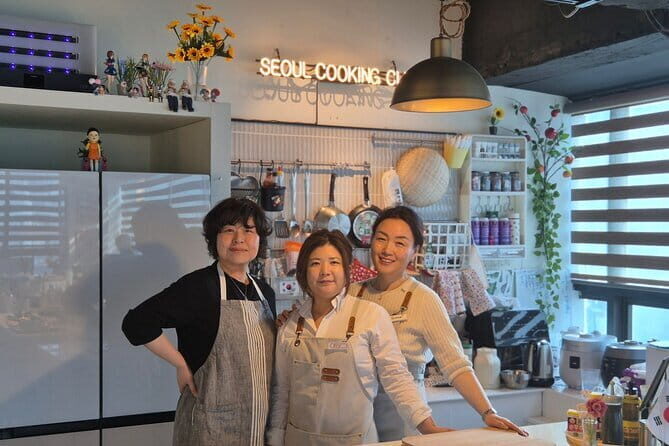
This experience runs about 3 hours total, starting at 10:30am. That makes it a smart half-day option. You’ll still have time after for other Seoul plans, and you won’t be stuck in the full-day tour loop.
It’s also near public transportation and uses a mobile ticket, which keeps it simple on the day. The group size cap matters if you like asking questions and watching what’s happening close up.
Best fit:
- You’re a foodie who wants more than taste; you want technique.
- You’re traveling with someone and you’d both like to cook together rather than just eat.
- You’re a beginner who prefers clear steps and a supportive pace.
It may not be ideal if:
- You hate timed activities or you’re usually late to things.
- You want a purely traditional cooking style lesson without the market shopping component.
Small notes that make your experience smoother
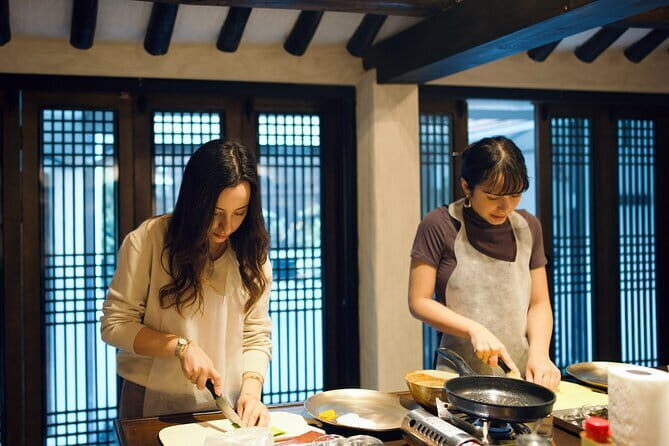
A few practical details can help you get more out of the day:
- If you have dietary restrictions, tell the provider in advance. The class explicitly asks for that.
- Keep your schedule buffer for the market segment, since missing it can change the flow.
- Service animals are allowed, so if that applies to you, you should feel comfortable attending.
- The class ends back at the meeting point, so your day stays tidy.
The market-to-studio format is a good balance: you get the real ingredient world in the morning and the calmer cooking instruction right after.
After the class: make kimbap part of your Seoul day
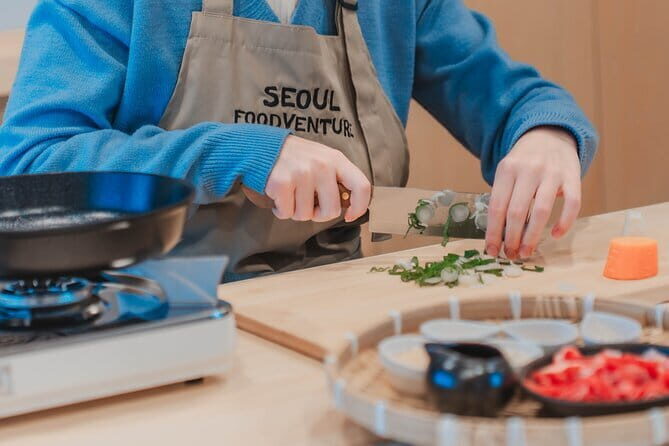
I like the suggested Han River idea because it turns the lesson into a lived-in moment. Korean food doesn’t belong only on a plate. It belongs in the daily routine—park time, river views, and casual sharing.
If you have leftover kimbap, grab a mat (or bring something that works as one) and head to the Han River area nearby. It’s a relaxed way to absorb what you learned, and it also gives you a reason to take your time instead of rushing off to the next stop.
Should you book this Mangwon Market cooking class?
Book it if you want a local-market start and a class that teaches you how to make Korean comfort food you’ll actually cook again. The small group size, Phoebe’s patient teaching, and the focus on bulgogi, gyeran-jjim, and kimbap make it a strong choice for both beginners and people who cook already.
Skip or think twice if your plans are tight and you’re likely to run late, because the market tour is time-sensitive. Also, if you’re only chasing a quick meal and zero learning, you might find better value elsewhere.
If you want a Seoul day that feels like Korean life—shopping, chopping, steaming egg, and rolling kimbap—this one has the ingredients for a good memory.