REVIEW · SEOUL
Korea Cooking Class with 3 stars Michelin Chef & Content creators
Book on Viator →Operated by Nerdso · Bookable on Viator
Michelin-level cooking starts with a market walk. In Seoul, this small-group class pairs a 3-star Michelin chef with content creator Koreanbong for hands-on Korean food and culture. You’ll learn three typical dishes, then sit down for dinner and extra games that teach everyday Korean vibes.
I especially love the maximum 16-person group size. It makes it realistic to get help while you’re at the sinks, not just watching from afar. I also like the safety net: there are recipe papers for each team, so you can keep cooking even if your steps get fuzzy.
The main drawback is simple: 2 hours goes fast. If you want a long, slow cooking session, this may feel a bit tight, and you’ll also need to plan your own way to the meeting point at 175 Ogeum-ro (private transport isn’t included).
In This Review
- Key things I’d circle before you book
- Why This Seoul Cooking Class Feels Like Real Team Cooking
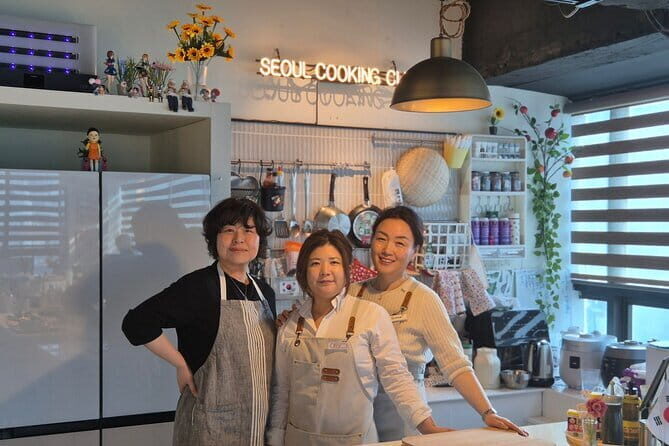
- Meet Koreanbong and the Michelin Chef: A Two-Host Setup That Actually Helps
- Before You Cook: Shopping for Ingredients the Korean Way
- The Four Sessions: Intro, Demo, Group Cooking, and Dining Games
- Session 1: Introduction plus Korean cuisine history
- Session 2: Chef demo with clear next steps
- Session 3: Start cooking at four sink stations
- Session 4: Dining time, coffee/tea, and bonus culture games
- Lotte World Tower & Mall and Lotte World: Why These Stops Matter
- What’s Included: Dinner, Drinks, and the Helpful Stuff You Don’t Want to Miss
- Price and Value: Is $70.44 Reasonable for a Michelin Chef Class?
- Who This Cooking Class Is Best For
- Practical Tips Before You Go (So You Enjoy the Whole Night)
- FAQ
- FAQ
- What city is this cooking class in?
- How much does the tour cost?
- How long is the experience?
- What time does it start?
- Where do I meet for the class?
- How many people can join the class?
- Is transportation included?
- What food and drinks are included?
- What’s included in the cooking instruction?
- Can I get a refund if I cancel?
- Should You Book This Seoul Korea Cooking Class?
Key things I’d circle before you book
- A Michelin chef does a 30-minute demo so you see the right technique before you cook.
- Koreanbong hosts the experience with content-creator energy and family-friendly communication.
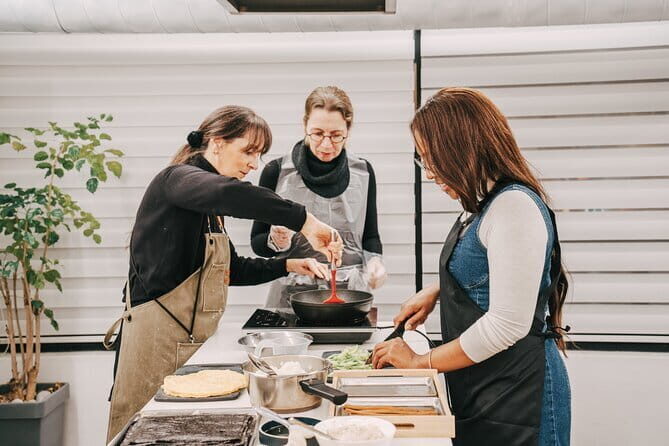
- Four groups cook at once using four large sinks, typically with 2–4 people per group.
- You cook three typical Korean dishes and get printed recipe papers per team.
- Dinner plus drinks are included, including coffee/tea and alcoholic beverages.
- The evening includes Lotte World Tower & Lotte World stops, then you end back at the meeting point.
Why This Seoul Cooking Class Feels Like Real Team Cooking
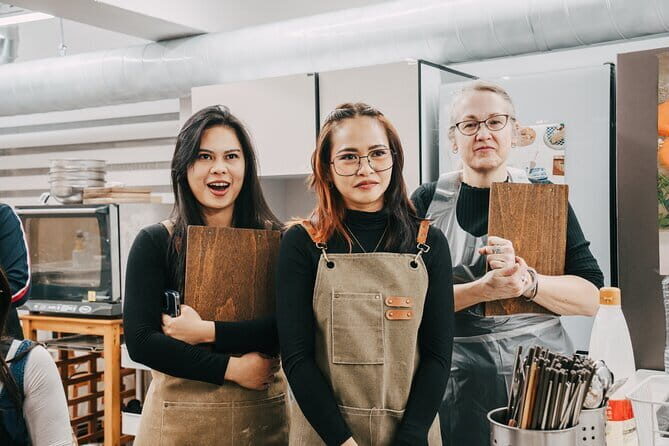
This isn’t a “watch and clap” kind of class. The format is built for doing, with you actively cooking at the sinks in groups, not just taking notes. With only up to 16 people, the room doesn’t feel crowded, and you’re less likely to get lost in the background.
I also like that the vibe is guided by two strengths: cooking authority from the Michelin chef, plus people skills from Koreanbong. That matters because Korean home cooking can be technique-heavy, and beginners need a host who can translate what’s happening without making it feel intimidating.
One smart detail: the class is split into intro, demo, cooking, and dining/game time. You’re not thrown straight into chaos. You get a plan, then you execute it.
You can also read our reviews of more cooking classes in Seoul

Meet Koreanbong and the Michelin Chef: A Two-Host Setup That Actually Helps
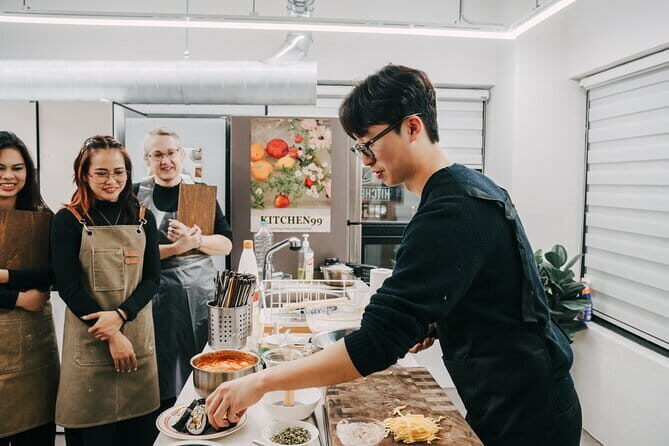
You’re not just learning recipes; you’re learning how to learn. In the intro phase, you start with personal introductions, then there’s a 15-minute presentation on Korean cuisine history. It gives you context for what you’re making, so it feels connected to real daily life instead of random dishes on a plate.
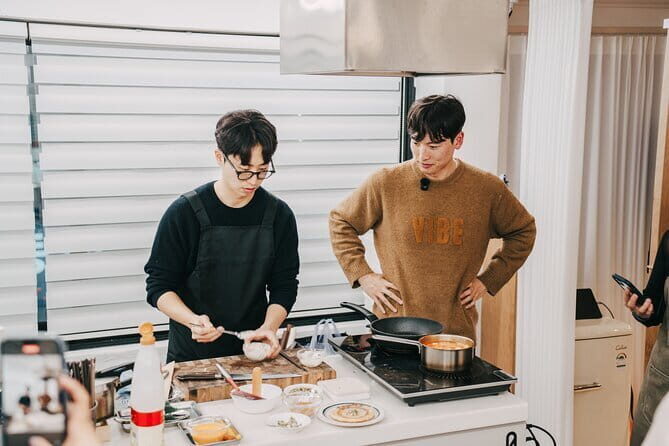
Then comes the chef demo. The 3-star Michelin chef gives a 30-minute cooking demonstration designed to teach the process for the dishes on the menu. And if you miss a step in the moment, you’re covered: the class provides recipe papers per team.
Koreanbong is the social glue. Since he’s a content creator, he tends to know how to keep conversation moving and get people comfortable. The result is that family-friendly energy people often want from a cooking class: you can laugh, ask questions, and still focus on the food.
Before You Cook: Shopping for Ingredients the Korean Way
Before the hands-on part starts, you visit a local market to pick ingredients. That’s one of my favorite parts of Korean food experiences because it connects flavors to choices you can actually see and smell. You’ll select the “exotic ingredients” the class is using, which helps you understand why certain dishes taste the way they do.
This also changes how you cook. When you’ve chosen the ingredients yourself, you’re paying closer attention to texture, freshness, and how things smell once they hit the pan or bowl. It turns the class into a practical mini-course, not just a meal.
If you’re the type who enjoys learning through food shopping, this market stop is a big part of the value. It gives you a story to take home, and it makes the cooking feel intentional.
The Four Sessions: Intro, Demo, Group Cooking, and Dining Games
The class runs in four sessions, which is a good structure for both first-timers and experienced cooks. It helps you pace yourself in a short time window, and it keeps the group from turning into a waiting line.
Session 1: Introduction plus Korean cuisine history
You begin with introductions so everyone gets on the same page quickly. Then you get a 15-minute presentation on Korean cuisine history. It’s brief, but the point is to give you context, not to overwhelm you with a lecture.
A few more Seoul tours and experiences worth a look


Session 2: Chef demo with clear next steps
Next is the food demo, where the Michelin chef spends about 30 minutes showing how to cook today’s menu. This is where you learn technique and order of operations, like what to prep first and when to add what.
And yes, you’re not stuck taking mental notes. Each team receives recipe papers, which makes it easier to follow along during actual cooking.
Session 3: Start cooking at four sink stations
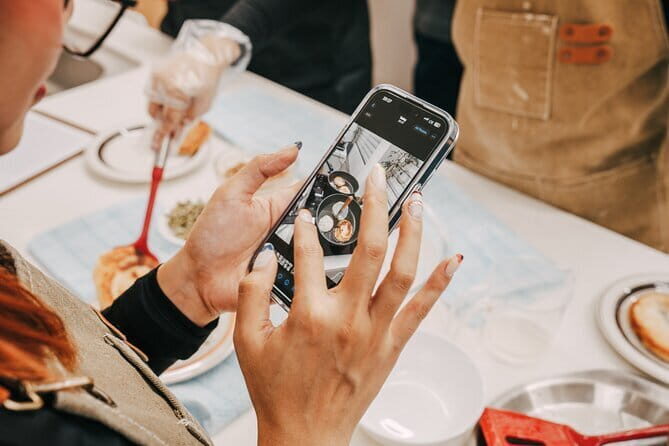
This is the active part. You have four large sinks, available for groups, with 2–4 people per group. Each group cooks different items from the menu, so your dinner table becomes a mix of what you made together.
This group setup is practical for a small-group class like this. You get enough space to work, but you’re still sharing the kitchen energy with other cooks. It also means you’re less dependent on watching someone else finish.
Session 4: Dining time, coffee/tea, and bonus culture games
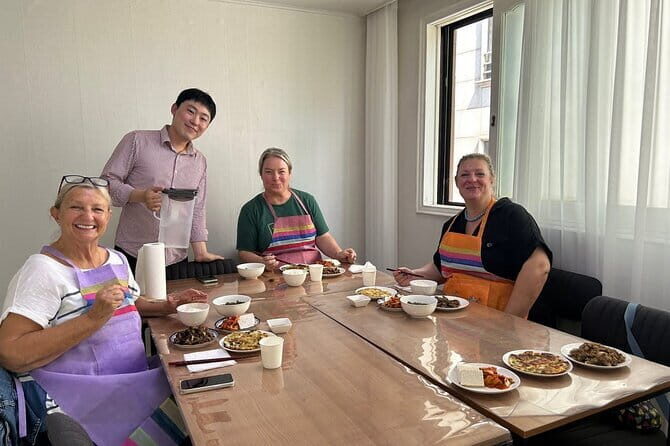
Once cooking finishes, you move into dining time right away. Dinner is included, and you also get coffee and/or tea plus alcoholic beverages and bottled water.
This is also when the class adds culture beyond the food: they plan special games or events so you learn Korean cultural things as a bonus. Even if you’re not the competitive type, it’s a low-pressure way to connect the evening to something real.
Lotte World Tower & Mall and Lotte World: Why These Stops Matter
The evening isn’t just kitchen-only. You also visit Lotte World Tower & Mall first, then Lotte World. Those stops matter because they place you in a Seoul setting that many visitors experience, but the experience here is about moving through the area as part of your night out.
Even without going deep into landmarks, these stops can help you connect the class to where you are. You’re not trapped inside a studio all night, and that makes it feel less like a one-off ticket and more like a Seoul evening you can remember.
Also, since the experience starts at 7:00 pm and ends back at the meeting point, you’ll like this format if you want a night plan that doesn’t require juggling too many separate bookings.
What’s Included: Dinner, Drinks, and the Helpful Stuff You Don’t Want to Miss
Included items are straightforward and generous for a cooking class at this price point. You get dinner, coffee and/or tea, alcoholic beverages, and bottled water. That’s a real factor in value, because meals and drinks often add up fast in Seoul.
You should also know what you’re not getting: private transportation isn’t included. If you’re coming from outside the immediate area, plan your route using public transit or rideshare. The good news is it’s near public transportation, so you’re not stuck hunting for a taxi at night.
One more practical detail: you receive a mobile ticket. That’s convenient if you’re traveling with your phone and want to keep things simple.
Price and Value: Is $70.44 Reasonable for a Michelin Chef Class?
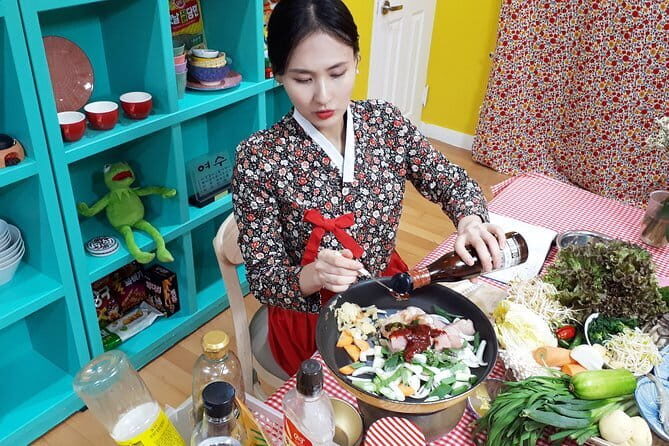
At $70.44 per person for about two hours, this sits in the “quality experience” zone rather than the “cheap and cheerful” zone. The key question is what you get for the money.
Here’s what makes it feel like value:
- You’re getting a 3-star Michelin chef demo, not just a local cook doing a show-and-tell.
- You cook in groups at sinks with recipe papers, which lowers the frustration factor for beginners.
- Dinner and drinks are included, including coffee/tea and alcoholic beverages.
The group size is also important. With a maximum of 16 travelers, the experience has room to feel personal. Big classes can get chaotic fast. Small classes let the chef and hosts keep things moving and keep you working.
There’s one scheduling note to consider: it’s typically booked about 24 days in advance on average, which often means popular slots fill up. If you’re traveling during a busy season, booking early is a safe move.
Who This Cooking Class Is Best For
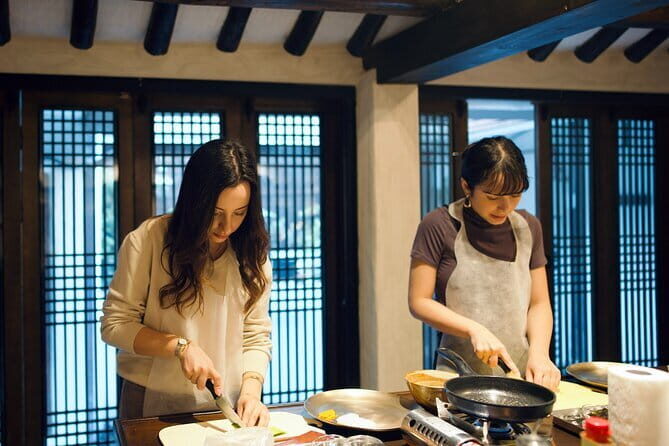
This class is a great match if you want an evening activity that blends food and people, not just food. If you like learning by doing, you’ll appreciate the intro → demo → hands-on cooking structure.
It’s also a good fit for:
- Food-focused travelers who want context and technique, not only a finished meal
- Beginner cooks who benefit from recipe papers and group help
- Social travelers who enjoy a host-led, family-friendly vibe
If you’re the kind of cook who wants a long session where you can linger, adjust, and redo steps, the 2-hour length may feel short. But if you want a structured, guided, actually-actionable experience, you’ll likely feel satisfied.
Practical Tips Before You Go (So You Enjoy the Whole Night)
A few simple moves can make the class smoother:
- Wear comfortable clothes you don’t mind getting a little kitchen-used.
- If you’re sensitive to strong smells, remember you’ll be cooking with typical Korean ingredients and spices.
- Come hungry. You’re going to cook, then eat dinner with drinks included.
- Plan your route to 175 Ogeum-ro since private transport isn’t included, even though it’s near public transit.
Also, be ready for the evening to move in sections. You’ll switch from intro to demo to cooking to dining, and keeping a calm pace helps you enjoy each part.
FAQ
FAQ
What city is this cooking class in?
It’s in Seoul, South Korea.
How much does the tour cost?
The price is $70.44 per person.
How long is the experience?
It lasts about 2 hours.
What time does it start?
The start time is 7:00 pm.
Where do I meet for the class?
You start at 175 Ogeum-ro, Songpa District, Seoul, South Korea.
How many people can join the class?
The class has a maximum of 16 travelers.
Is transportation included?
No. Private transportation is not included.
What food and drinks are included?
You’ll get dinner, coffee and/or tea, alcoholic beverages, and bottled water.
What’s included in the cooking instruction?
You’ll have a 15-minute introduction, a 30-minute cooking demo, then group cooking of three typical dishes with recipe papers provided per team.
Can I get a refund if I cancel?
This experience is non-refundable and cannot be changed for any reason. If it’s canceled because a minimum number of travelers isn’t met, you’ll be offered a different date or a full refund.
Should You Book This Seoul Korea Cooking Class?
If you want an evening that feels guided but still hands-on, I’d book it. The mix of a 3-star Michelin chef, the communication style of Koreanbong, and a tight structure with demo + recipe papers makes this a smart pick for both beginners and food lovers.
I’d pass only if you need long pacing or you’re not able to handle a 2-hour schedule. Otherwise, for the money, the included dinner/drinks and the small group setup make it a solid value for a fun Seoul night that goes beyond just eating.