REVIEW · SEOUL
9-Days Tasty Journey Around South Korea Tour
Book on Viator →Operated by Tagytravelkorea · Bookable on Viator
South Korea tastes better when the route is planned. This private 9-day tour mixes Korean food education with history, coastal towns, and national parks, so you spend less time figuring out logistics and more time eating and looking. I like that the day-by-day pace is built around included meals and pre-arranged stops, not just a long checklist of sights.
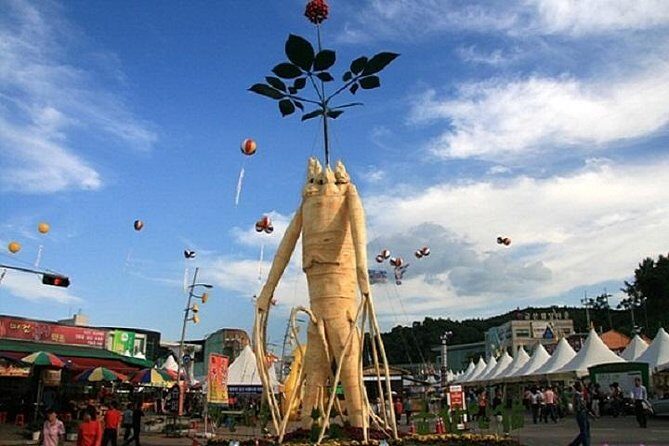
What I particularly like is the focus on food moments that make the culture click. You start with Geumsan ginseng market snacks, you hit a shabu-shabu lunch, and you also visit places like the oldest bakery in Korea, Iseongdang, plus a real hanji workshop in Jeonju.
One thing to consider: dinners are not included, so you’ll need to budget evenings on top of the tour price. Also, with private transportation and lots of stops, expect a day that’s active even when the walking looks short on paper.
In This Review
- Key Points You’ll Appreciate
- Price and What You’re Really Paying For
- Day 1: Geumsan Ginseng Market and Mt Daedunsan Views
- Day 2: Gunsan History, Maritime Park, Old-School Bakery, and Gogunsan Islands
- Gunsan Modern History Museum
- Jinpo Maritime Theme Park
- Lee Sung Dang Bakery (Oldest Bakery in Korea)
- Shabu-shabu lunch (parboiled, then dipped)
- Seonyudo Beach and Gogunsan islands hiking
- Saemangeum seawall and exhibition hall
- Day 3: Jeondong Catholic Church, Joseon Shrines, Geumsansa Temple, and Jeonju Hanji Workshop
- Jeondong Catholic Church
- Gyeonggijeon Shrine and Jeonju’s Joseon-era markers
- Hyanggyo-gil (Confucian school area)
- Geumsansa Temple and Maitreya Hall
- Jeonju Hanok Village + Jeontong Hanjiwon
- Day 4: Tongyeong Jungang Market, Cable Car to Mt Mireuksan, and Busan Night Views
- Tongyeong Jungang Market food-and-fish sensory stop
- Tongyeong Cable Car
- Hwangnyeongsan Mountain in Busan
- Day 5: Haeundae Beach, Haedong Yonggungsa, UN Memorial, and Gamcheon + 49 Tombstones
- Haeundae Beach and Dongbaekseom
- Haedong Yonggungsa Temple on the shore
- UN Memorial Cemetery
- Gamcheon Culture Village and the 49 Tombstones
- Day 6: Bulguksa and Seokguram for Silla-era masterpieces, plus Gyeongju Museums and Wolji Pond
- Bulguksa Temple
- Seokguram Grotto
- Gyeongju National Museum
- Tumuli Park
- Donggung Palace and Wolji Pond (Anapji)
- Day 7: UNESCO Andong Hahoe Folk Village, Dosan Seowon, and Andong Jjim-dak
- Andong Hahoe Folk Village (UNESCO)
- Dosan Seowon (UNESCO)
- Andong Old Market and the food alley
- Day 8: V-Train Through the Valleys to Taebaek, Then Gyeongpo Lake and Beach
- Day 9: Seoraksan National Park Jujeongol Valley, Sinheungsa, and the Seoraksan Cable Car
- Jujeongol Valley trek + cable car peak
- Sinheungsa Temple
- Seoraksan Cable Car to Gweongumsung peak
- Is This the Right Tour for You?
- FAQ
- How long is the 9-Days Tasty Journey Around South Korea tour?
- Where do we meet the guide at the start of the tour?
- What meals are included?
- Is this tour private?
- Is hotel included, and how many nights?
- Does the tour include tickets for attractions?
- What time does the tour start?
- Should I book in advance to get transportation and lodging?
Key Points You’ll Appreciate
- Private-by-default routing: only your group goes, with private transportation and set hotel nights
- 17 included meals: 8 breakfasts + 9 lunches, designed to keep you fueled through travel days
- Off-the-usual-path stops: island beaches around Seonyudo and Gogunsan, plus Saemangeum’s seawall setting
- Korean food lessons with context: shabu-shabu sauces, market tasting, hanji making in Jeonju
- Nature that still fits a tour schedule: cable cars and easy-leaning hikes like Seoraksan’s Jujeongol valley
- Guide support: the tour company’s guide Jay is repeatedly praised for clear English communication and helpful, dependable handling
Price and What You’re Really Paying For
At $4,530 per person for about 9 days, this is not a budget “train and go” style trip. You’re paying for three big things: private transportation, 8 nights in 3- or 4-star hotels, and 17 included meals (8 breakfasts + 9 lunches). On top of that, many stops have admissions included or are free, which matters because South Korea adds up quickly once you start paying entry fees and rides nonstop.
If you compare it to doing this route on your own, the value usually comes down to time and stress. You’re not just “seeing places.” You’re also getting help with timing, transfers, and the kind of food stops that take trial-and-error to find without local guidance.
That said, don’t ignore the reality that dinners aren’t included. If you love trying restaurants every night, you’ll probably enjoy that flexibility. If you prefer predictable costs, plan your evening budget in advance.
You can also read our reviews of more tours and experiences in Seoul.
Day 1: Geumsan Ginseng Market and Mt Daedunsan Views
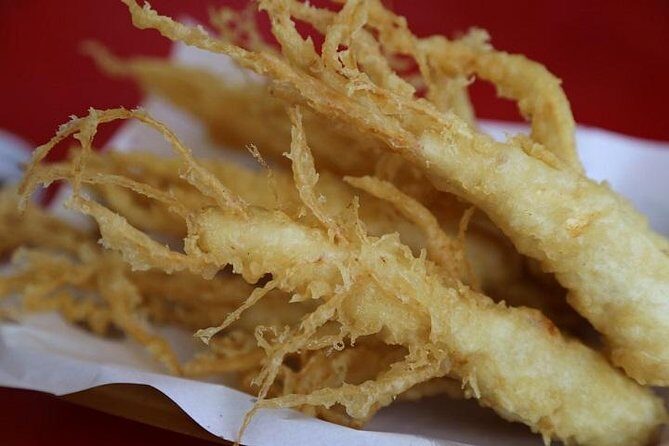
Your day starts with a pickup from your place in Seoul or from Incheon International Airport. Then you head toward Geumsan, a region known for Korea’s big ginseng trade. The market stop is more than a photo op. You’ll get a chance to taste fried ginseng from a ginseng and herbal medicine market, which is a very Korean first taste—strong, practical, and tied to how locals think about ingredients and tradition.
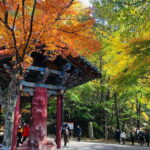
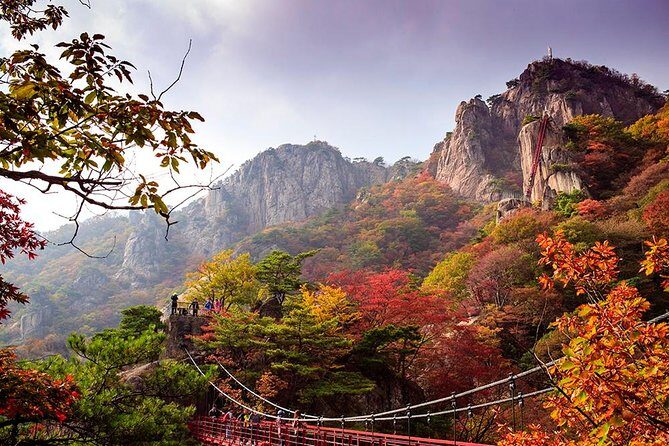
After that, you move to Mt Daedunsan Natural Recreation Forest. Fall is called out as especially beautiful, and the way the stop is designed supports that: you take a cable car up, then you walk around and cross a suspension bridge. Even if your hiking legs aren’t in “serious trek” mode, this kind of route gives you the payoff of mountain views without demanding a full day of steep climbing.
Watch-outs for Day 1: you’re starting with travel and then switching to outdoors. Bring layers you can adjust. Mountain weather can change faster than your hotel room thermostat.
Day 2: Gunsan History, Maritime Park, Old-School Bakery, and Gogunsan Islands
Day 2 is where the tour really shows its character: history, war artifacts, food basics, then beaches and hiking.
Gunsan Modern History Museum
You start in Gunsan Modern History Museum, a place focused on what happened after the port opened in 1899 and how the city’s prosperity was interrupted after liberation in 1945. The stop connects the city’s modern heritage to the Japanese colonial era (1910–1945) and the painful economic ripple effects after the port’s transactions were cut off. It’s heavy material, but it gives context for why regions like this developed the way they did—and why some places still hold memory.
Jinpo Maritime Theme Park
Next is Jinpo Maritime Theme Park, with vintage tanks, historical artillery, combat planes, and warships, including the Wibongham Ship used during the Vietnam War. This is one of those stops that feels like a timeline made physical. If you like history that you can look at close up, it’s a strong addition to a food-focused tour.
Lee Sung Dang Bakery (Oldest Bakery in Korea)
Then you hit Lee Sung Dang, described as the oldest bakery in Korea. It’s a quick stop compared to the museum, but it matters because food history is still food culture. You’re not only eating Korean dishes—you’re learning how long-standing food businesses fit into the broader story.
Shabu-shabu lunch (parboiled, then dipped)
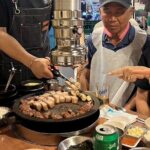
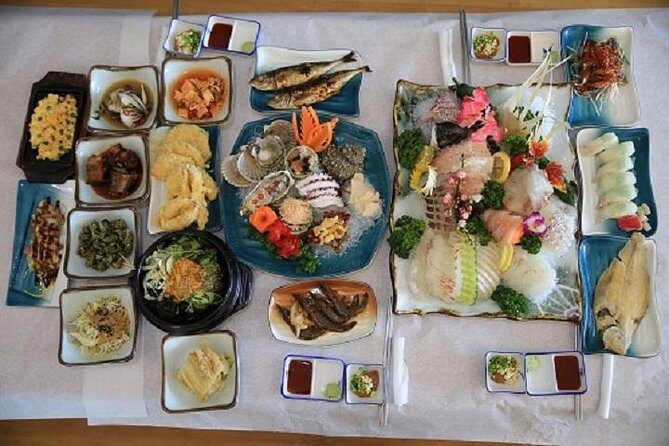
For lunch, you’ll enjoy Korean-style shabu-shabu, where vegetables, meat, and seafood are parboiled and eaten with chili, soy, or lemon sauce. What I like here is the structure: you taste the same core concept across different sauces, and it helps you understand why Korean meals often feel layered rather than one-note.
Seonyudo Beach and Gogunsan islands hiking
After lunch, you go to Seonyudo Beach on the Gogunsan islands. The islands are described as a mix of bridged big islands and many smaller ones, with Sunyudo having two distinct beach types:
- Okdol beach, a secluded pebble shoreline with wave sound that’s said to be relaxing
- Main sandy beach, where you can swim, catch shellfish, or do a zipline activity
Admission is listed as not included for this stop, so treat any optional add-ons (like zipline) as extra.
Then you continue to Jangjido island for hiking. The summit is about a 20-minute hike and provides a wide vantage point over the islands on the western coast.
Saemangeum seawall and exhibition hall
To close the day, you visit Gunsan Saemangeum Convention Center, including the Saemangeum sea wall and its exhibition hall. The seawall connects Gunsan to the Gogunsan islands and Buan, and it’s described as the longest seawall in the world. You also get a ride included in the flow, helping you get the scale without needing to do it yourself.
Best way to handle Day 2: treat it like a “sampling day” for your brain. Museum, food, island nature—your senses get a full workout.
Day 3: Jeondong Catholic Church, Joseon Shrines, Geumsansa Temple, and Jeonju Hanji Workshop
Day 3 lands in Jeollanam-area cultural stops, then ends in Jeonju’s crafts and atmosphere.
Jeondong Catholic Church
You visit Jeondong Catholic Church, completed in 1914, described as the largest and oldest western-style structure in Jeollanam province and considered one of the most beautiful buildings in Korea. This stop is short, but it broadens the idea of what Korean history looks like beyond palaces and temples.
Gyeonggijeon Shrine and Jeonju’s Joseon-era markers
Next is Gyeonggijeon Shrine, the hall where the portrait of Lee Seonggae (founder of Joseon dynasty) is enshrined. It’s built in 1410, and the portrait itself is noted as National Treasure #317. The stop also touches Pungnam Gate, Jeonju’s south gate during the Joseon Dynasty, with the note that it’s the only remaining gate after the wall’s destruction.
Hyanggyo-gil (Confucian school area)
Then you walk Hyanggyo-gil, tied to the Jeonju Hyanggyo Confucian school. It’s described as a public educational institution from the Goryeo and Joseon eras, likened to today’s provincial universities.
If you’ve ever wondered how Confucian education shaped everyday Korea, this is the kind of stop that makes that idea concrete.
Geumsansa Temple and Maitreya Hall
You move to Geumsansa Temple, built during the Baekjae reign and later expanded as the head temple for worship of Maitreya (the future Buddha). The standout is the three-story Mireukjeon (Maitreya Hall), which looks like a stacked structure outside but opens up inside to a high ceiling.
Jeonju Hanok Village + Jeontong Hanjiwon
Finally: Jeonju Hanok Village and Jeontong Hanjiwon, a hanji (traditional Korean paper) workshop. You can buy hanji for calligraphy and oriental painting, and you can experience how to make hanji. This is where the tour shifts from “see” to “do,” and it’s an especially satisfying way to take culture home.
Tip for Day 3: slow down inside the hanji workshop. The best part is when you’re focused on hands-on details, not just looking.
Day 4: Tongyeong Jungang Market, Cable Car to Mt Mireuksan, and Busan Night Views
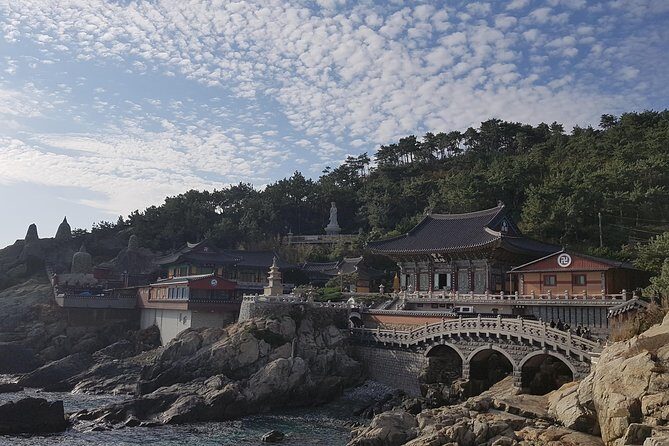
Day 4 starts with a working port vibe and ends with a city-night perspective.
Tongyeong Jungang Market food-and-fish sensory stop
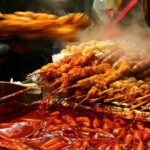
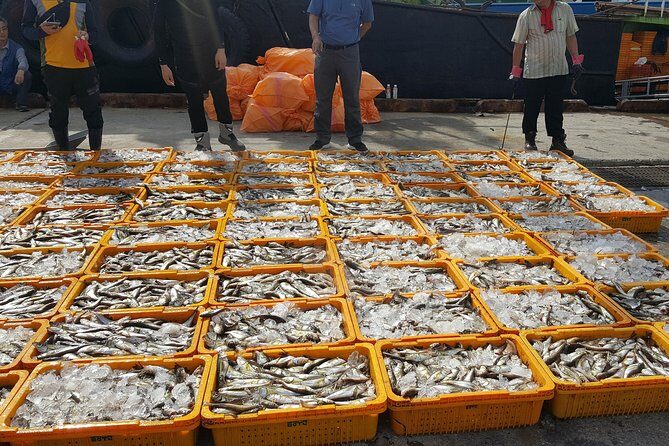
The Tongyeong Jungang Market is set along a long stretch of quay-side kiosks. Expect noise and movement—merchants, visitors, and live fish in tanks. It’s a great place for short tastings: fresh raw fish slices, spicy fish soup, fish cake, and traditional honey bread are called out. You can also see the ingredients that matter in Korean cuisine right next to where they’re sold.
If you want food without over-ordering, this is the kind of place where tasting several small items works well.
Tongyeong Cable Car
Then you ride the Tongyeong Cable Car, described as the longest in Korea. It takes you to the top of Mt Mireuksan (461m above sea level) by gondola and sets you up with views of the Hallyeo Waterway and Tongyeong Harbor.
Hwangnyeongsan Mountain in Busan
You wrap with Hwangnyeongsan Mountain. The stop is timed to be good for Busan’s night view, described as easy to catch thanks to the mountain’s position within the Geumnyeon Mountain Range.
What to bring: a jacket or layer for evening. Even without freezing temperatures, mountains and night winds can feel sharper.
Day 5: Haeundae Beach, Haedong Yonggungsa, UN Memorial, and Gamcheon + 49 Tombstones
Busan is a full day of coastline plus history plus refugee memory.
Haeundae Beach and Dongbaekseom
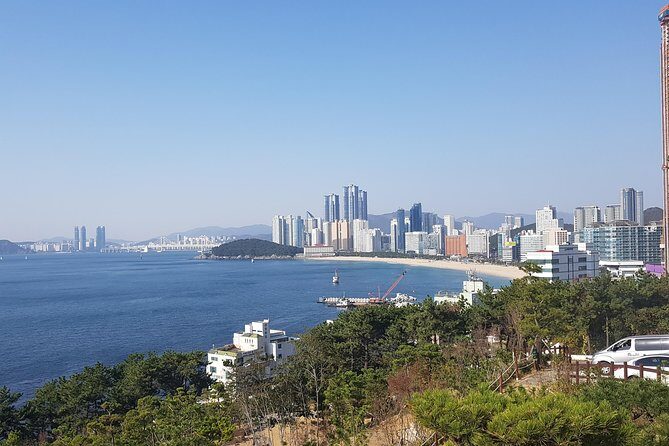
First stop: Haeundae Beach, described as the most popular beach in South Korea, with up to a million visitors a day during summer season. At the western end is Dongbaekseom (Dongbaek Island), associated with camellia blooms and the Nurimaru APEC House, an exclusive building tied to the Asia-Pacific Economic Cooperation conference.
Haedong Yonggungsa Temple on the shore
Then Haedong Yonggungsa, a rare coastal temple location in Korea. Most temples sit in mountains, so this one feels different in both setting and photos.
UN Memorial Cemetery
You visit the UN Memorial Cemetery, a memorial park honoring UN Forces who fought in the Korean War. It’s short, but it adds weight to your understanding of modern Korean history, not just older dynasties.
Gamcheon Culture Village and the 49 Tombstones
Next is Busan Gamcheon Culture Village, a former home area for refugees during the Korean War in the 1950s.
Finally comes 49 Tombstones Village, where the walls and stairs are made of tombstones. The story included in the tour notes that people began living in tents since 1951, then built on top of Japanese graves as the tents became too small.
Day 5 takeaway: you’re not just sightseeing Busan’s prettiest angles. You’re also seeing how war and displacement shaped real neighborhoods.
Day 6: Bulguksa and Seokguram for Silla-era masterpieces, plus Gyeongju Museums and Wolji Pond
Today focuses on ancient Korea at its most famous—Bulguksa and Seokguram—then adds museum and palace-pond time.
Bulguksa Temple
Bulguksa Temple is described as the most famous Buddhist temple in Korea and a home for Silla-period relics, especially the stone pagodas Dabotap and Soekgatap. The core is from the 8th century but has been rebuilt multiple times.
Seokguram Grotto
Next is Seokguram, an hermitage part of the Bulguksa complex, overlooking the East Sea from about 750 meters above sea level. The tour describes some of the best Buddhist sculptures in the world and highlights the main Buddha plus the Bonjon statue wearing a generous smile. Construction is listed from 742 to 774, which helps you understand it’s not a modern reproduction—it’s rooted in that era.
Gyeongju National Museum
Then you visit Gyeongju National Museum, where you can appreciate the city’s importance in one stop. The main archaeological hall is described with jewelry, weapons, and ceremonial items from the Shilla dynasty, including a 5th-century gold crown.
Tumuli Park
You also go to Gyeongju National Park with Tumuli Park, described as having more than 20 large and small tombs from the Shilla period. The tour notes that excavations turned up stone-piled wood-lined chambers and many artifacts.
Donggung Palace and Wolji Pond (Anapji)
Finally, you visit Donggung Palace and Wolji Pond, which the notes also connect to Anapji Pond. It’s said to have been built in 674 after unification, with pavilions around it used for state festivals and banquets.
If you love “how it all fits together”: this is the day where temple art, royal tombs, and palace design all sit in the same mental folder.
Day 7: UNESCO Andong Hahoe Folk Village, Dosan Seowon, and Andong Jjim-dak
Day 7 is about learning the cultural system behind Korean traditions, not only the surface look.
Andong Hahoe Folk Village (UNESCO)
You visit Andong Hahoe Folk Village, a UNESCO World Heritage site described as a village about 500 years old, preserving tile and thatched-roof houses tied to the Ryu family history. The stop includes mention of a Hahoe mask show, which makes this one of the most entertainment-friendly cultural stops on the route.
Dosan Seowon (UNESCO)
Then comes Dosan Seowon Confucian Academy, also UNESCO. The tour explains that Seowon sites served education and commemoration. The educational function is said to have long ceased, but ceremonies still happen twice a year. The notes connect it to the Toegye School of Thought for over 400 years.
Andong Old Market and the food alley
You also visit Andong Traditional Market, focusing on Jjim-dak Golmok, the food alley known for jjim-dak. The tour description is very practical: it’s packed with jjim-dak specialty places, and you’ll find hearty meals at a similar price range.
This is a great “eat like a local” day because the food alley concept keeps decisions simple.
Day 8: V-Train Through the Valleys to Taebaek, Then Gyeongpo Lake and Beach
Day 8 adds a travel-style reset: train time.
You leave Andong to Buncheon-Yeog in the morning to take the V-Train. The V stands for valley, and the ride is described as going through the Cheoram valley in Gangwon-do and Buncheon in Gyeongsangbuk-do. Windows can be opened for breeze, and the train runs slower than regular trains, so the views of mountain and valley can unfold without feeling rushed.
After about an hour, you move to Taebaek, a city associated with coal industry in the past.
Then you switch to Gangneung for Gyeongpo Lake and Beach—a sandbank between the lake and the ocean, covered with fine sand and described as extending about 6 km. This is a “nature + setting” stop, and it’s listed as free for admission.
Who this suits: people who like a slower travel rhythm and want scenery without adding another long car ride.
Day 9: Seoraksan National Park Jujeongol Valley, Sinheungsa, and the Seoraksan Cable Car
Your final day is a classic Korea ending: mountain air and Buddhist architecture.
Jujeongol Valley trek + cable car peak
At Seoraksan National Park, you visit Jujeongol Valley, and you go up one peak using a cable car. The notes explain the name Jujeongol ties back to bandits who made counterfeit coins in the valley. The hike is described as easy, even for children and seniors, and the seasonal storytelling is built in:
- wildflowers in spring
- cold valley water cooling the heat in summer
- autumn leaf color in fall
You also stop at Yongso waterfall, described as short and wide, surrounded by greenery.
Sinheungsa Temple
Next is Sinheungsa Temple, only a 10-minute walk from the entrance to Sogongwon, with a landmark described as a 33-foot-high bronze Buddha statue.
Seoraksan Cable Car to Gweongumsung peak
Finally, you ride the Seoraksan cable car to Gweongumsung peak (670m above sea level). The ride is described as about 10 minutes, and the views include Mt Seorak, Ulsnbawi rock, and the East Sea, with temples visible on the mountain.
Practical final thought: even if the walking is called easy, wear grippy shoes. You’ll be on paths near rock and roots.
Is This the Right Tour for You?
I’d say this tour is a strong match if you want Korean culture explained through food and real sites, not just restaurant hopping. The structure of 17 included meals plus pre-arranged hotels and private transport helps you stay on schedule without turning your trip into spreadsheet work.
It may not be the best fit if you:
- hate having a packed day (this route is full)
- want dinners included or prefer total control of where you eat at night
- plan to do lots of extra paid activities beyond what’s included (some stops list admissions as not included)
FAQ
How long is the 9-Days Tasty Journey Around South Korea tour?
It runs for 9 days (approx.).
Where do we meet the guide at the start of the tour?
You meet your guide at your place in Seoul or at Incheon International Airport.
What meals are included?
Breakfast is included 8 times, and lunch is included 9 times. Dinner is not included.
Is this tour private?
Yes. It’s a private tour/activity, and only your group participates.
Is hotel included, and how many nights?
Yes. Accommodation is included for 8 nights in 3- or 4-star hotels, with rooms based on double, twin, or triple sharing.
Does the tour include tickets for attractions?
It varies by stop. Some admissions are included, some stops are free, and at least one listed stop (Seonyudo Beach) is not included.
What time does the tour start?
The start time is 9:00 am.
Should I book in advance to get transportation and lodging?
Yes. You should book at least one or two weeks before your tour date to secure hotel rooms or train seats.
If you want, tell me your travel month and group size, and I’ll suggest how to pace your days around the included meals and which stops are most worth prioritizing for your interests.
![[DMZ Adventure] DMZ and optional Boat Voyage in River - Imjingak Resort: the emotional kickoff before the gates](https://8.koreaadventures.com/wp-content/uploads/dmz-adventure-dmz-and-optional-boat-voyage-in-river.jpg)