REVIEW · SEOUL
Rice Wine Tasting with Sommelier – Finest Makgeolli (& Soju)
Book on Viator →Operated by Sam LEE · Bookable on Viator
Rice wine can taste totally different. This tasting focuses on makgeolli—unfiltered, hazy, and often misunderstood—paired with soju comparisons, led by Jay (a Korean liquor sommelier) and Sam (a certified Korean alcohol brewer). You’ll sample “finest” picks plus bottles that are hard to find outside Korea’s smaller towns.
What I like most is the way they teach as you sip. I love that Jay and Sam both bring real craft experience, not just trivia, and you get the why behind the hazy look and the flavor changes. I also like the small setting: it happens in a hidden backroom of a specialty rice wine shop, so the vibe feels focused rather than rushed.
One consideration: it’s adult-only (born in 2005 or before, per the 2024 rule), and it’s scheduled at 5:00 pm, so it can be tight if you’re chasing an earlier dinner plan.
In This Review
- Key Points to Know Before You Go
- Getting to Sool Society in Hapjeong’s Mespana Polis Basement
- Meet Jay the Sommelier and Sam the Certified Brewer
- Makgeolli Basics: Unfiltered, Hazy, and Surprisingly Complex
- Finest and Rare Bottles: How You Taste by Category
- Soju in the Mix: Comparing Korea’s Familiar Spirit
- What You’ll Leave With: Bottles and Take-Home Lessons
- Price and Value for a 1h 20m Small-Group Session
- Who This Tasting Fits Best (and Who Should Skip It)
- Quick Practical Tips So You Get More From the Glass
- Should You Book This Makgeolli and Soju Tasting?
- FAQ
- FAQ
- How long is the rice wine tasting?
- Where does the tasting start and end?
- What time does it start?
- Is it near public transportation?
- How large is the group?
- What’s included in the tasting?
- Can adults only attend?
- Can you buy bottles to take home?
- What’s the ticket format?
- What happens if the experience is canceled due to weather?
Key Points to Know Before You Go
- Jay + Sam are the brains behind your pours, with a sommelier and a certified brewer guiding the session
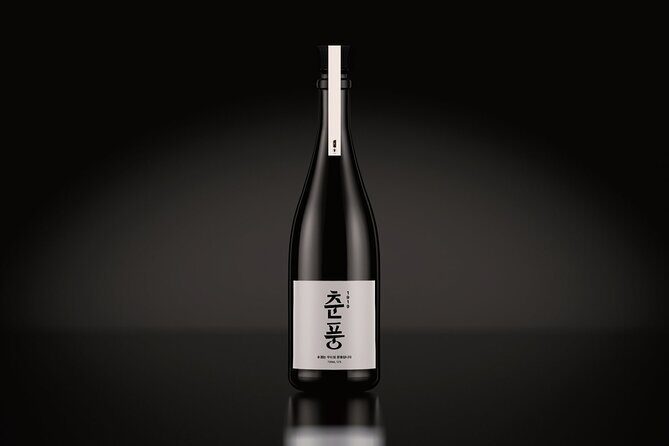
- You’ll taste both common and hard-to-find makgeolli categories, including bottles from smaller local producers
- Makgeolli’s unfiltered process is part of the story, so you’ll understand the haze and flavor shift
- Soju shows up in the comparison, helping you place rice wine on the same flavor map
- Shopping time is built in, so you can take bottles back to your room
Getting to Sool Society in Hapjeong’s Mespana Polis Basement
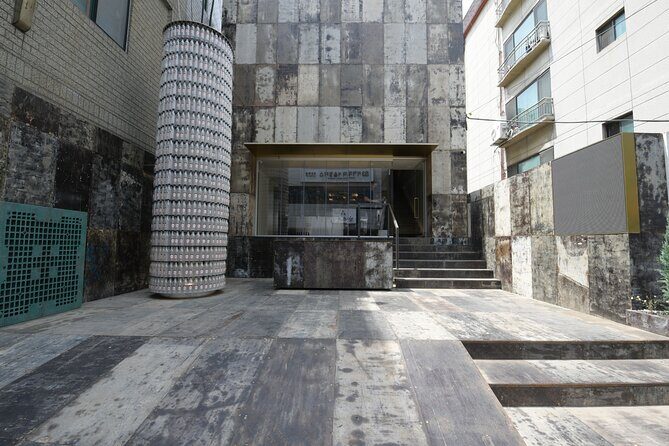
This starts in a very practical location: Sool Society, inside the Mespana Polis complex (Yanghwa-ro, Mapo-gu), in the basement level B139. The big win here is that it’s connected to Hapjeong station, which matters in Seoul when you’re balancing transit, weather, and hunger.
The session runs about 1 hour 20 minutes, with a start time of 5:00 pm, and it ends back where you meet. That loop is helpful. You don’t need to plan a second stop or reroute after the tasting—just finish, grab a bottle if you want one, and head to your next plan.
Because it’s a small group experience (maximum 10 travelers), the place stays manageable. You’re not shouting over a crowd, and your questions have a decent chance of getting answered in plain language.
You can also read our reviews of more food & drink experiences in Seoul
Meet Jay the Sommelier and Sam the Certified Brewer
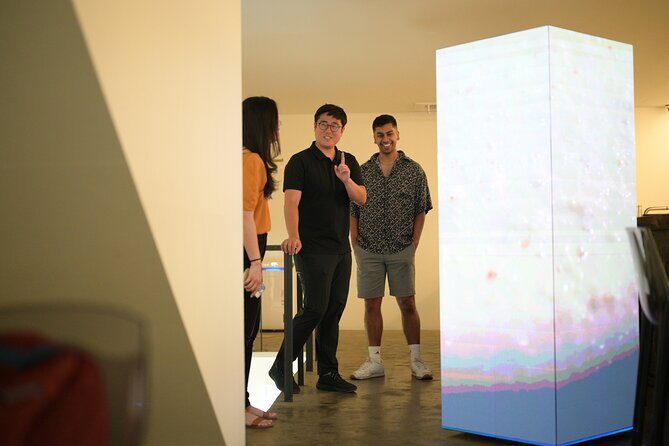
You’re not just drinking. You’re listening to two people who actually work the craft.
Jay is a Korean liquor sommelier. That tends to translate into structure: how to smell first, what to notice in the palate, and what makes one bottle feel “cleaner,” “rounder,” or more assertive than another. Sam is a certified Korean alcohol brewer, so he can connect flavor to process.
That combination is a big value point for you if you’ve had makgeolli before but never really understood what you were tasting. One of the best bits of feedback centers on learning how makgeolli is made and how it fits into Korean drinking culture—not as a distant lecture, but as something you can taste in real time.
Also, language isn’t a worry here. Sam guides in English clearly, including perfect English as noted in feedback. If you’ve ever been stuck in a tasting where half the room nods politely, you’ll appreciate this more than you think.
Makgeolli Basics: Unfiltered, Hazy, and Surprisingly Complex
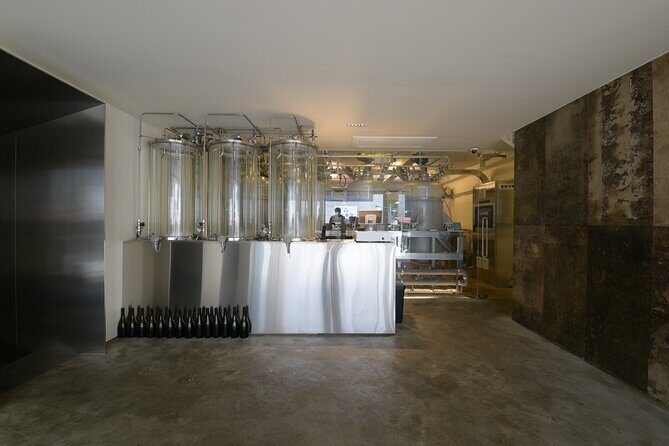
Let’s talk about the thing that makes makgeolli look the way it does. Makgeolli is fermented and unfiltered, which is why it’s often hazy instead of crystal clear.
That haze isn’t just appearance. It usually hints at more texture—slightly fuller body, more grain character, and a mouthfeel that can feel soft or even creamy depending on the bottle. The unfiltered process also means differences between producers can be easier to detect. You’re not just comparing labels; you’re comparing fermentation choices and how the brewer balances sweetness, acidity, and grain notes.
If you’ve only tried makgeolli casually, you might have thought it all tastes similar. The tastings here aim to correct that. The goal is to show you that makgeolli can be clean and bright, or tangier and more assertive, and you can learn to spot why.
And because Jay and Sam explain alongside the sips, you’ll leave with practical “what to check next time” instincts. That’s the real souvenir—knowing what you’re tasting and how to pick bottles yourself.
Finest and Rare Bottles: How You Taste by Category
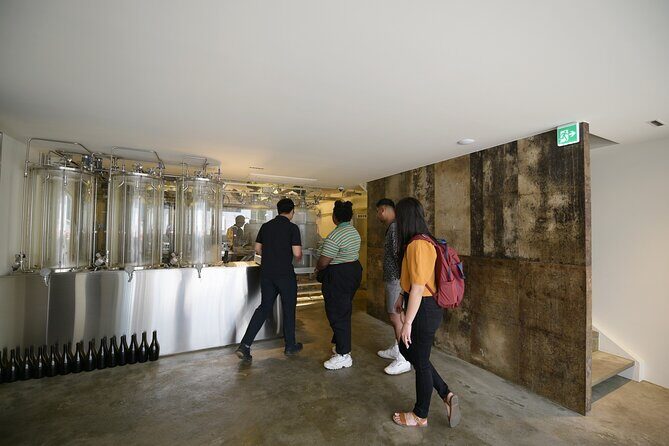
A lot of tastings give you a random assortment. This one is built around finding the finest and the rarest makgeollis across Korea, organized so you can learn the range rather than just collecting a few sips.
They’ve explored hundreds of makgeollis across Korea and aim to introduce the best in each category. The “rare” part matters because many small producers can’t easily reach wider audiences. In practice, that means you get access to bottles that are harder to find outside Seoul or the producers’ local regions.
From a value perspective, this is where your $40.85 starts to make sense. You’re paying for access and context: someone helps you choose bottles you probably wouldn’t find on your own, then explains how to taste them in a meaningful way.
There’s also a subtle but important point: the shop setting is a backroom of a specialty rice wine store. That tends to focus the experience on quality rather than volume. You’ll likely feel like you’re in a quiet corner of Korea’s drinking world, not in a tourist station.
Soju in the Mix: Comparing Korea’s Familiar Spirit
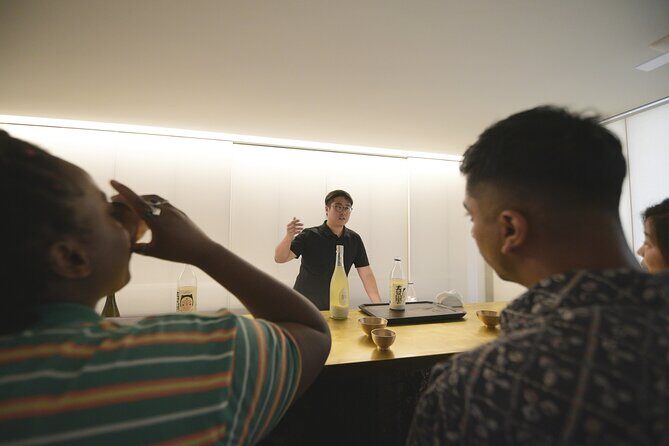
Soju is the Korean spirit most people already recognize. It’s common, easy to order, and often treated like a “default” choice.
But the tasting includes makgeolli plus soju, so you can compare what rice-based fermentation and distillation choices do to flavor. Even if soju is more straightforward in texture, seeing it next to makgeolli helps you understand why rice wine feels different: unfiltered fermentation versus what distillation creates.
This comparison is useful for you if you’re building a Korean drink menu in your head. After this, you’ll have a clearer sense of when you want the softer, grainy, hazy character of makgeolli—and when you want the cleaner, punchier profile people associate with soju.
And if you’re worried that a tasting will be too “academic,” the hosts’ approach seems to stay human and story-driven, with Sam’s brewer perspective showing up as both process talk and cultural context.
You can also read our reviews of more wine tours in Seoul


What You’ll Leave With: Bottles and Take-Home Lessons
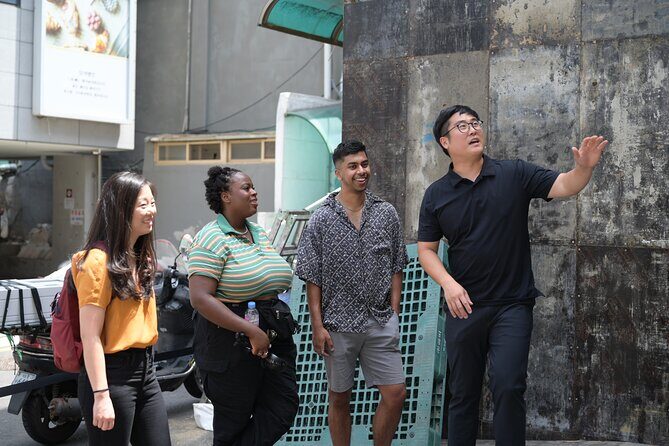
This is one of the tastings where you can actually turn the education into action.
You’ll have the option to purchase goods to take home from Seoul. That’s a practical bonus because many tastings end with a polite goodbye and an empty tote bag.
If you’re the type who likes to replicate a great food or drink experience later, this helps. You can buy bottles based on what you learned, not just what caught your eye.
The other take-home part is how to think about makgeolli when you see it on a menu. Learning the cultural roots and significance is part of why people find the session special. But the most useful outcome is simpler: you’ll know what to look for in quality and how unfiltered fermentation affects what you feel in your glass.
If you’re planning to explore Korean bars later, this gives you a better chance of ordering something you’ll actually enjoy instead of taking a blind guess.
Price and Value for a 1h 20m Small-Group Session
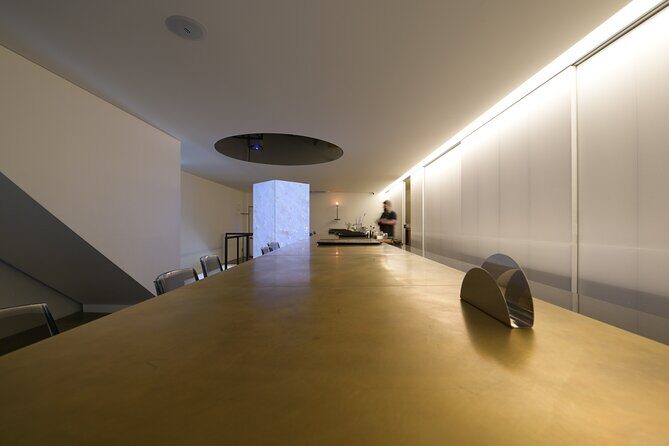
At $40.85 per person for about 1 hour 20 minutes, this sits in a midrange price slot for Seoul drink experiences. The math only works if you get more than basic sipping—and you do.
Here’s why I think the value is solid:
- You’re paying for guided tasting from two trained hosts: Jay (sommelier) and Sam (certified brewer)
- The selection includes rare bottles sourced from small local producers, which is hard to recreate on your own
- The setting is intentionally small (up to 10), so time actually goes toward explanation, not crowd management
Also, the timing helps. A 5:00 pm start can fit neatly between afternoon sightseeing and evening plans. If you’re out later hunting food, you’ll probably be in a good mood for learning, and you won’t end up too late.
The main cost consideration is that it’s non-refundable and cannot be changed for any reason. So if your schedule is very shaky, you’ll want to book only when you’re confident you can show up.
Who This Tasting Fits Best (and Who Should Skip It)
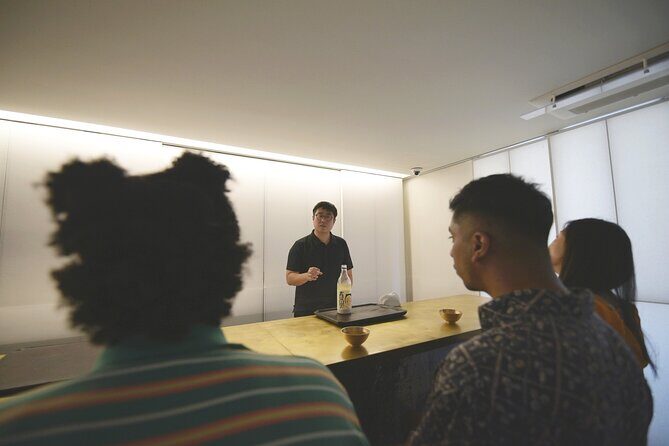
This is a great fit if you want a guided way into Korean fermented drinks. It’s also a good choice if you’ve already tried makgeolli once and still feel like you don’t get it.
You’ll likely enjoy it more if you like:
- food-and-drink learning that stays practical
- small-group conversations
- comparing familiar drinks (soju) against something more nuanced (makgeolli)
It’s not a fit if you’re under the venue’s adult-only rule. Entry is limited to adults born in 2005 or before (based on the 2024 cutoff). If you’re traveling with mixed ages, you’ll need to plan around that.
Also, this is not a long night out. It’s 1 hour 20 minutes. If you want a full evening program with a lot of stops, you may find it short—on the other hand, that short length is a plus if you just want a smart, efficient experience.
Quick Practical Tips So You Get More From the Glass
A few small things can improve your tasting experience:
- Go a little hungry. Rice wine pairs well with casual Korean flavors, and if you’ve eaten a big heavy meal, the subtle differences can get harder to catch.
- Ask how to taste. You’ll learn more if you ask what the hosts want you to notice—aroma first, then palate texture, then finish.
- Plan to buy one bottle if you love something. The session is designed for take-home purchase, so decide ahead of time whether you want a souvenir drink.
And remember: because makgeolli is unfiltered, it can taste more textured and complex than clear spirits. You’re not imagining it—your senses are picking up real differences.
Should You Book This Makgeolli and Soju Tasting?
Yes, I’d book it if your goal is to understand Korean rice wine in a way you can use afterward. The pairing of Jay and Sam, plus the focus on finest and rare makgeolli categories, makes it more than a generic tasting.
I’d skip it only if your schedule is too uncertain (non-refundable, no changes) or if you want a long multi-stop tour. For a focused, small-group learning session near Hapjeong Station, this is an efficient and genuinely fun way to level up your Korean drink choices.
FAQ
FAQ
How long is the rice wine tasting?
It runs for about 1 hour 20 minutes.
Where does the tasting start and end?
It starts at Sool Society in Seoul (Mapo-gu, Yanghwa-ro 45, Mespana Polis basement B139) and ends back at the same meeting point.
What time does it start?
The start time is 5:00 pm.
Is it near public transportation?
Yes. It’s located in a mall connected to Hapjeong station.
How large is the group?
This experience has a maximum of 10 travelers.
What’s included in the tasting?
You’ll taste makgeolli, including the finest and rare options, and soju is part of the experience. It’s led by a sommelier and a certified brewer.
Can adults only attend?
Yes. Only adults are allowed, using the rule that attendees are born in 2005 or before (in 2024).
Can you buy bottles to take home?
Yes. You can purchase goods to take home from the Seoul shop.
What’s the ticket format?
You’ll receive a mobile ticket.
What happens if the experience is canceled due to weather?
If it’s canceled due to poor weather, you’ll be offered a different date or a full refund.