REVIEW · BUSAN
Old Korea Thousand History Tour of Gyeongju from Busan
Book on Viator →Operated by Lecirt · Bookable on Viator
A thousand years in one day sounds wild. This full-day Gyeongju tour from Busan strings together major UNESCO stops with live commentary and included admission, so you can see more without doing logistics.
I especially like the pace of the day: you get round-trip transportation, a professional guide, and short, focused time at each site. It’s also nice that guides are often praised for keeping the group on track while still making the stories fun, with examples like Bada, Erica, Kayla, and Hyony.
One thing to think about: it’s a long outing (often running late into the evening) and you’ll be walking—so bring water and plan for heat, especially if you’re going in warmer months.
In This Review
- Key highlights to know before you go
- Gyeongju in One Long Day: What 12 Hours Feels Like
- Price and Value: Why This $64 Trip Can Work
- Getting to the Start: Busan Pickup Times and Smooth Joining
- Bulguksa Temple: The UNESCO Stop You’ll Be Happy You Didn’t Rush
- Gyeongju Gyochon Traditional Village: Hanok Atmosphere and Local Texture
- Daereungwon Tomb Complex: Royal Scale, But Set Your Expectations
- Hwangridan-gil: Old Buildings, Street Mood, and a Breather
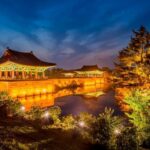
- Donggung Palace and Wolji Pond (Anapji): Palace Views and Evening Reflections
- Woljeonggyo Bridge at Night: The Best Photo Reward for Your Feet
- The Guide Factor: When Storytelling Makes a Packed Day Work
- Comfort, Walking, and Heat: Don’t Underestimate the Physical Side
- Meals and Where to Eat: Plan Around What’s Not Included
- Timing Reality Check: Starting at 10 and Sometimes Running Later
- Who This Tour Is Best For (And Who Might Prefer Something Else)
- Final Call: Should You Book Old Korea Thousand History Tour of Gyeongju?
- FAQ
- How long is the tour?
- What is the price per person?
- What’s included in the tour price?
- What isn’t included?
- What are some of the main stops on the itinerary?
- Is admission included for the attractions?
- Where do pickups happen in Busan?
- What is the cancellation policy?
Key highlights to know before you go
- Round-trip transfers from multiple Busan areas, so you can join without a long commute
- Live guided narration all day, with guides named in feedback like Bada, Erica, Kayla, Hyony, and Eva
- Admission to every paid attraction is included, which helps the value feel “simple”
- UNESCO sites in Gyeongju—Bulguksa Temple plus major Silla-era heritage stops
- Night-friendly timing at the Donggung/Wolji area and the Woljeonggyo Bridge lighting
Gyeongju in One Long Day: What 12 Hours Feels Like
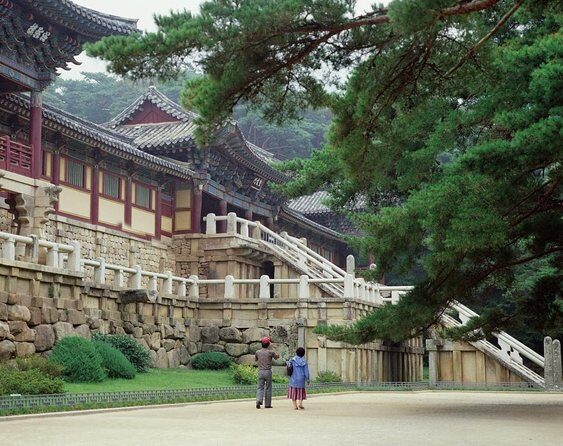
This tour is built for people who want Gyeongju’s highlights fast. You’re not spending a full week slowly wandering museums and tomb paths. Instead, you’re doing a “greatest hits” day, and it works because the guide connects what you’re seeing to the Silla era story—temples, royal tombs, palace sites, and old-town atmosphere.
The best way to think of it is as a moving timeline. You start with Bulguksa Temple, then move into daily-life-era texture with a traditional village, then hit royal-era spaces like Daereungwon and palace/water scenery at Donggung Palace and Wolji (Anapji) Pond. The day ends with evening views at Woljeonggyo Bridge, where the lights reflect on the water.
The tradeoff is attention. With only about an hour (sometimes less) per major stop, you’ll want to decide ahead of time what to photograph and what to just watch. If you tend to linger, you might feel the schedule tighten near the middle.
You can also read our reviews of more historical tours in Busan

Price and Value: Why This $64 Trip Can Work
At $64 per person for a full day, the value comes from what’s bundled. You’re paying for round-trip transportation, a professional guide, and admission tickets for all paid attractions. Meals aren’t included, but that’s common for day tours and you can usually grab food at flexible places during free-street time.
Why it adds up: many Gyeongju must-sees include entrance fees, and this itinerary includes them rather than asking you to buy a bunch of separate tickets. So you’re not constantly reaching for your wallet or missing out because you weren’t sure what required admission.
Also, the tour’s structure matters. The guide keeps you moving between stops, and live commentary turns “I saw a temple” into “I know what that temple represents.” In feedback, guides like Erica and Kayla are repeatedly praised for pairing history with humor and energy, plus helping with photos for solo travelers.
Getting to the Start: Busan Pickup Times and Smooth Joining
This is where day trips either feel easy or annoying, and this one is set up to reduce friction. You start at Busan Station pickup, and the tour completes pickup at Seomyeon Station and Haeundae Station. During the summer period (APR–SEP), Busan Station pickup is listed at 10:00 and Seomyeon Station at 10:20, with Haeundae later depending on the schedule.
Practical tip: arrive at least 10–15 minutes early. Even if the schedule is clear, buses still need time for people to find the right entrance, security checks, or quick bathroom breaks. If you’re staying near Haeundae, it can be tempting to stroll over at the last minute. Don’t—this tour is built on moving windows.
You also get a mobile ticket, which is handy for quick check-in. Keep your phone charged, and take a screenshot in case signal is spotty.
Bulguksa Temple: The UNESCO Stop You’ll Be Happy You Didn’t Rush
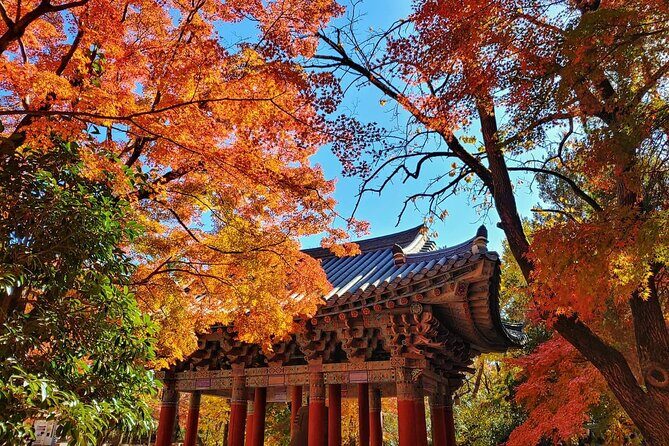
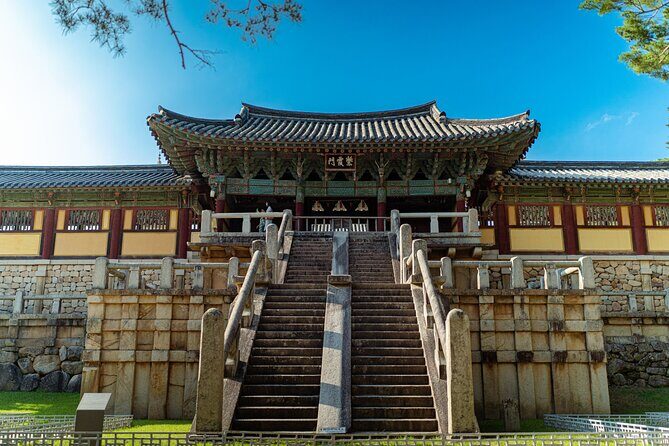
Bulguksa Temple is the kind of place that makes your brain slow down. It’s a UNESCO World Heritage Site tied to the Silla period, and it sits in harmony with the natural scenery around it. The tour gives you about 1 hour, with admission included.
What makes Bulguksa worth that hour: the overall experience is layered. Even without reading every sign, you can see how the design reflects a specific era’s ideas about worship, craftsmanship, and landscape. If you’re the type who takes photos first and reads second, you’ll still get the payoff because the temple layout gives you multiple angles.
How to enjoy it best:
- Wear shoes that grip. The ground can be uneven around historic temple complexes.
- Take 10 minutes before you start filming to let the space settle in. You’ll get better photos and a calmer head.
Possible drawback: one hour can feel short if you love architecture details. But since the rest of the day is packed, this timing is likely the best compromise for most visitors.
Gyeongju Gyochon Traditional Village: Hanok Atmosphere and Local Texture
Next is the Gyeongju Gyochon Traditional Village, designed around hanok houses. The tour also mentions Woljeonggyo (a bridge associated with the area), plus traditional streets and spots where you can find Korean food.
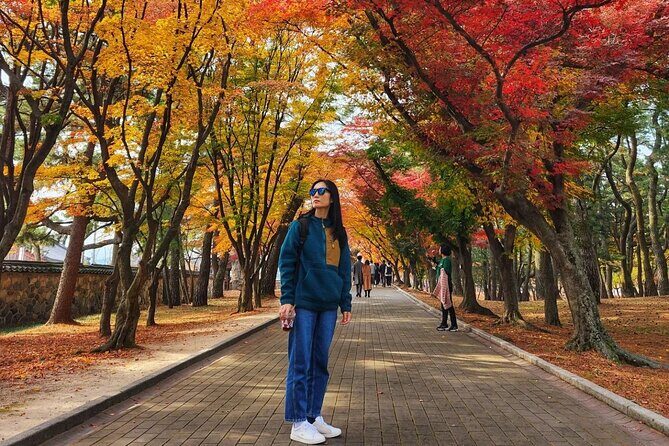
You get about 1 hour and admission is included. This stop is less about a single “wow monument” and more about atmosphere: stone-wall paths, traditional-style buildings, and an easy place to understand how people lived and shaped neighborhoods in older Gyeongju.
What I like about this stop for real travelers: it breaks the day up. After Bulguksa’s grandeur and scale, Gyochon is more human-sized and gives you a chance to reset your legs and your attention.
A fair consideration: some visitors felt the village experience could feel lighter on exploration time, depending on what parts of the village you’re directed toward. If your priority is deep wandering here, keep your expectations realistic and use the time for walking, photos, and one small snack if you want.


Daereungwon Tomb Complex: Royal Scale, But Set Your Expectations
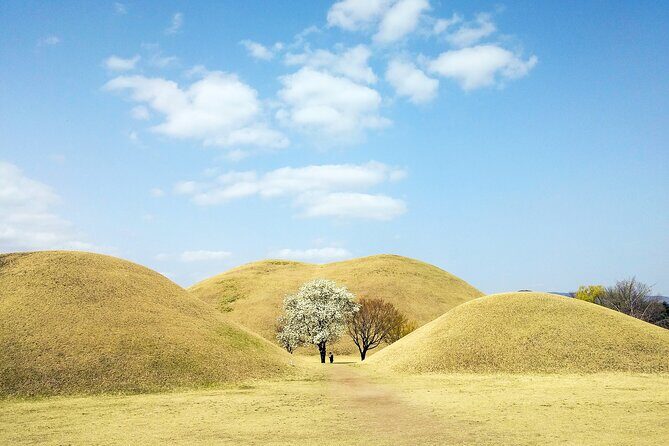
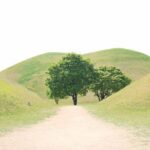
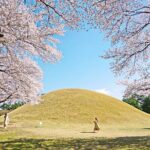
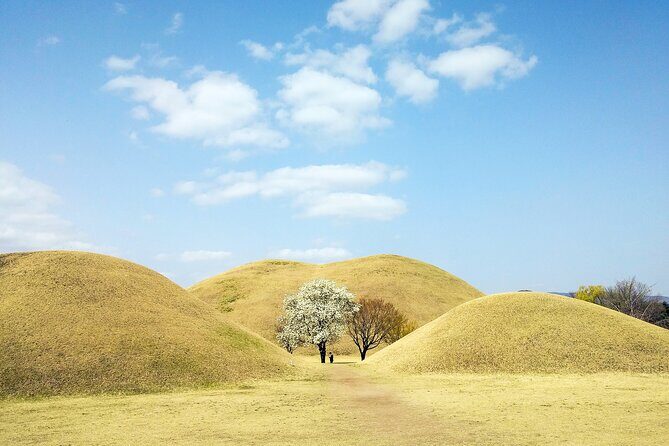
Daereungwon Tomb Complex is the kind of site that sounds dramatic—and it is tied to important figures from the old Silla era. The tour frames it as densely packed large tombs of kings, queens, and aristocrats, and you’re given about 1 hour with admission included.
Here’s the honest part: tomb complexes aren’t always visually “filled” with structures the way palaces or temples are. This can mean you’ll spend some time appreciating scale, layout, and historical meaning rather than staring at intricate remains.
Based on feedback I can’t ignore, some people found it less satisfying because the tombs can feel like mounds/small hills with limited visible detail. That doesn’t mean the site isn’t important—it means your enjoyment depends on your interests. If you like cultural history, symbolism, and the idea of royal burial landscapes, it will make sense. If you want lots of objects to photograph at close range, you might wish you had more time elsewhere.
My tip: bring curiosity, not just camera energy. Look for viewpoints and how the landscape is organized rather than expecting a “room-like” monument.
Hwangridan-gil: Old Buildings, Street Mood, and a Breather
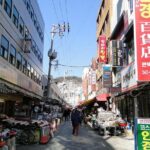
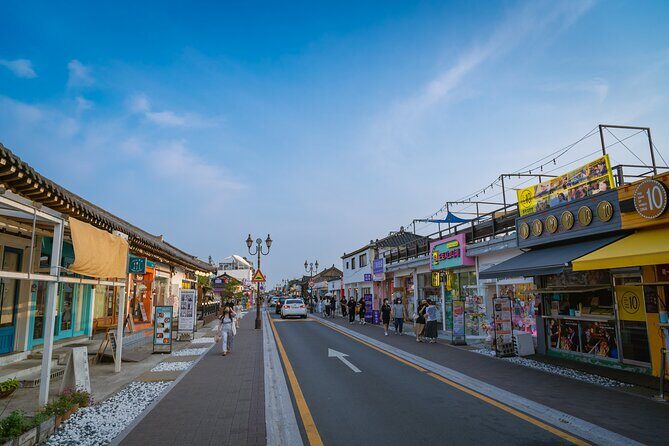
Hwangridan-gil (listed as Hwanglidangil in the tour notes) is where the day gets more casual. You’re allocated about 2 hours, and admission is free.
This is a street that preserves an older vibe: the tour description highlights that buildings from the 1960s have been preserved, so you can feel a more lived-in, older neighborhood atmosphere. It also functions like a street with shops and small-scale activity—good for browsing, snacks, and letting your feet recover.
Why this stop is valuable: after three more structured heritage stops (temple, village, tombs), you get breathing room. You can walk at your own speed here, and the guide can still give context if you’re interested, but you aren’t forced into a rigid viewing flow.
Drawback to consider: since it’s a street, the “best” parts can vary by the time of day and any holiday happenings. Keep your expectations flexible. If you’re hoping for a single architectural masterpiece, this isn’t that. If you want a stroll with old-town flavor, it hits the spot.
Donggung Palace and Wolji Pond (Anapji): Palace Views and Evening Reflections
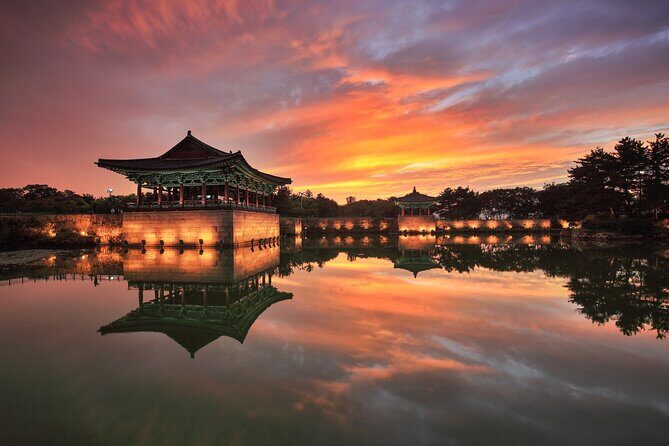
Now you’re heading to one of the most photogenic parts of the itinerary: Donggung Palace and Wolji Pond (Anapji Pond). You get about 1 hour, and admission is included.
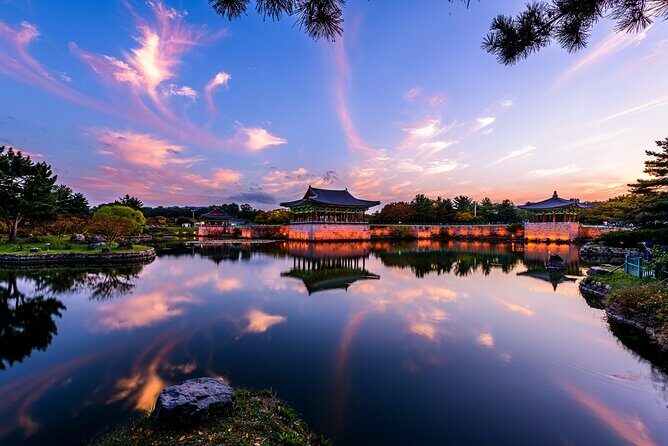
The site is described as a palace location from the Unified Silla period, and the signature feature is the scene with the palace reflected in the lake. This is the kind of location where timing matters—water reflections look best when light is softer, and the tour’s later schedule helps.
One detail to know: some feedback notes that the original palace structures aren’t fully intact today, and you may see reconstructed or smaller structures in their place. That can still be beautiful, but it helps to go in expecting a “historical site interpretation,” not a perfectly preserved palace building.
How to make the most of it:
- Spend your first minutes picking your best angle around the pond before you start photographing everything.
- If you’re tired, this is a great stop to sit for a bit and just watch the water and lights.
Woljeonggyo Bridge at Night: The Best Photo Reward for Your Feet
The final major visual payoff is Woljeonggyo Bridge, with about 30 minutes and admission-free time. The tour specifically calls out the night view: old-style beauty with lights reflecting on the water.
This is a short stop by design. It’s long enough to get your photos and feel the atmosphere, but not long enough to derail the schedule. If you’re the type who wants a long lingering sunset-to-night progression, you might wish it ran longer—but the timing works well for a full-day itinerary.
My advice: charge your phone and bring a small jacket or breathable layer. Even in warm seasons, evenings near water can feel cooler than expected. And if you care about photos, use those 30 minutes efficiently: set up first, then shoot.
The Guide Factor: When Storytelling Makes a Packed Day Work
A day like this lives or dies on guidance. And the pattern in the feedback is pretty clear: named guides like Bada, Erica, Kayla, Hyony, Katrina, Eva, and others are described as personable, funny, and helpful with keeping time and answering questions.
Look for what that implies for your experience:
- You’ll get live context, not just “here’s a building.”
- You may get extra help with photos, which matters a lot if you’re traveling solo.
- You’ll get reminders that reduce friction—like heat awareness and hydration.
Even the more critical feedback is still about pacing and time allocation, not about whether the sites matter. That’s a good sign. It suggests the itinerary is the main variable, and the guides are usually doing their best to keep it enjoyable.
Comfort, Walking, and Heat: Don’t Underestimate the Physical Side
Even with bus transfers and structured time, this is still an all-day schedule. The notes also say you should have moderate physical fitness, which lines up with what you should expect: walking between spots, climbing around temple grounds, and being out in the open.
Here’s what I’d do to keep the day feeling fun, not miserable:
- Wear good walking shoes (non-negotiable).
- Bring a parasol or umbrella and plenty of water. Multiple feedback mentions heat and humidity as formidable, especially for outdoor stretches.
- Use sunscreen and consider a hat. It’s the difference between enjoying photos and constantly wiping sweat off your lens.
Also, consider that Gyeongju can feel warmer than Busan since it’s inland. If you’re coming from the coast, plan for that “oh wow” temperature shift.
Meals and Where to Eat: Plan Around What’s Not Included
Meals aren’t included. That’s normal for many tours, but you still need a plan.
Since there’s a street-time stop and some free areas during the day, you’ll likely be able to buy something as you go. The key is not waiting until you’re suddenly starving. With a tight schedule, it’s easy to lose time hunting for food.
My practical recommendation:
- Eat a solid breakfast before you start.
- Use street time for a snack or light lunch.
- Bring a small backup snack (like a granola bar) if you don’t want a long wait.
If you prefer sit-down meals, you’ll probably need to pay extra and adapt to the tour’s timing.
Timing Reality Check: Starting at 10 and Sometimes Running Later
Your start is set for the morning pickup window (10:00 at Busan Station and 10:20 at Seomyeon during APR–SEP). But the day can run long. Feedback includes a finish around 10 pm for one group, so don’t treat this as a “9-to-5.”
If you have dinner reservations later that night, you’ll likely want to cancel them or push them earlier elsewhere. If you’re traveling with kids, also plan for late fatigue—this is not a short sampler tour.
Who This Tour Is Best For (And Who Might Prefer Something Else)
This tour is a great fit if you:
- Want major Gyeongju sites in one day from Busan
- Prefer guided storytelling with live commentary
- Care about UNESCO highlights but don’t want to map everything yourself
- Are okay with a “see it, understand it, move on” pace
You might consider something else if you:
- Want lots of time to wander and go slow at every stop
- Get frustrated by uneven “detail depth” between site types (temples vs. tomb landscapes vs. streets)
- Are very sensitive to heat and long days and don’t want to manage hydration
Final Call: Should You Book Old Korea Thousand History Tour of Gyeongju?
I’d book this if your goal is simple: maximize Gyeongju’s biggest highlights with included admission, smooth round-trip transport, and a guide who turns the day into a story. It’s also a strong pick for first-timers to Gyeongju because you hit Bulguksa, Silla-era sites, and the evening bridge lighting in one sweep.
Skip it—or at least adjust expectations—if you need deep, unhurried time at each stop. Daereungwon and the traditional village can feel more interpretive than hands-on, and the whole day is long enough that comfort planning matters.
If you’re ready for a full day outside, bring hydration and good shoes, and you’ll likely leave with a much clearer picture of Korea’s ancient capital than if you tried to DIY it in the same timeframe.
FAQ
How long is the tour?
It runs for about 12 hours.
What is the price per person?
The price is $64.00 per person.
What’s included in the tour price?
You get round-trip transfers, admission to the attractions, and a professional tour guide.
What isn’t included?
Meals are not included, and other personal expenses are not included.
What are some of the main stops on the itinerary?
Key stops include Bulguksa Temple, Gyeongju Gyochon Traditional Village, Daereungwon Tomb Complex, Hwangridan-gil, Donggung Palace and Wolji Pond (Anapji), and Woljeonggyo Bridge.
Is admission included for the attractions?
Admission is included for the stops marked as included in the itinerary, while the street and bridge stops listed as free do not require admission.
Where do pickups happen in Busan?
Pickup starts at Busan Station and completes at Seomyeon Station and Haeundae Station.
What is the cancellation policy?
You can cancel for a full refund up to 24 hours in advance. If the experience is canceled due to poor weather, you’ll be offered a different date or a full refund.
![[Perfect Private Tour] Nami island, Petite France and Organic Strawberry Farm - Price and value: what you’re paying for at $198 per person](https://8.koreaadventures.com/wp-content/uploads/perfect-private-tour-nami-island-petite-france-and-organic-strawberry-farm.jpg)