REVIEW · SEOUL
7 days Flexible Tour for Major Cities(Seoul,Busan,Gyeongju etc)
Book on Viator →Operated by Awesome Tour · Bookable on Viator
A South Korea week without the usual stress. This private, flexible package strings together major city highlights and a serious DMZ day, with a mini van, airport pickup, and tickets handled for you.
I especially like the no-stress logistics: airport transport, fuel/parking, bottled water, and entrance tickets taken care of. I also like the small-team feel, with English driving guides Hun and Sean (often 1–2 guides) who keep things friendly and adaptable.
One consideration: meals aren’t included, so you’ll want to plan on budgeting for lunch and dinner each day, especially on longer travel days.
In This Review
- Key takeaways before you book
- How flexible really works in this private Korea plan
- What $2,000 covers (and why it can be good value)
- Seoul: Gyeongbokgung, Bukchon, Insadong, and the War Memorial
- Seoul at night: N Seoul Tower, Bongeunsa, and the Han River cruise
- DMZ day: Imjingak, Dora Observatory, and the Third Tunnel
- Fortress walk in Gyeongju: gates, pavilions, and a chance to try archery
- The Gyeongju transition that keeps the week from feeling like a marathon
- Gyeongju by night and morning: tombs, coin bread, Wolji Pond, and stars
- Busan’s best mix: markets, ocean temples, refugee history, and bamboo calm
- Practical tips so the week stays fun (not tiring)
- Should you book this private Korea week?
Key takeaways before you book
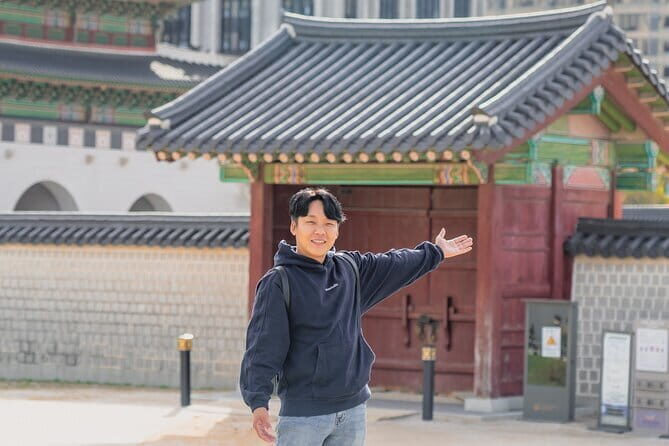
- Hun and Sean guide with a personal, flexible style, including tailored itinerary help after you book
- Entrance tickets and airport transport are included, so you spend less time figuring out logistics
- DMZ access is a highlight, using transfers that fit the rules and still keep the group private
- Seoul mixes palaces, temples, photos, and markets, not just one type of sightseeing
- Gyeongju and Busan balance history and sea views, with night stops planned for atmosphere
How flexible really works in this private Korea plan
This is a private experience, meaning it’s just your group with an English driving tour guide and a fancy mini van. The start time is 10:00 am, so you’re not waiting around at dawn.
The flexibility part is the real selling point. The days don’t have to be lined up in order, and you can take a day off if you’re tired from jet lag or simply want a slower morning. You can also add extra tours, and you can either return to Seoul with the group or leave from Busan, depending on what fits your flights.
I’d take the “flexible schedule” seriously, because it’s the difference between a rigid checklist and a trip that feels like it was built around you. If you’re traveling with kids, celebrating a birthday, or just don’t want to rush every hour, this kind of structure tends to make a big difference.
One more timing note: the tour is typically booked about 195 days in advance on average. If you’re aiming for a popular season or a specific start day, earlier is smarter.
A few more Seoul tours and experiences worth a look
What $2,000 covers (and why it can be good value)
At $2,000 per person for about 7 days, the sticker shock is real. But the value comes from what’s included, and what that saves you.
Included:
- English driving tour guide (usually 1–2 guides for the whole tour)
- Fancy mini van and the fuel/parking/tolls that come with it
- All entrance tickets listed on your stops
- Airport transport (either ending in Seoul or leaving from Busan)
- Bottled water
- Mobile ticket support
Not included:
- Hotel
- Meals
For a week that includes palace entrances, temples, museum admissions, and a DMZ day with multiple stops, entrance fees add up fast if you do it solo. This package also removes the “Where’s the ticket? Which bus? Which line?” problem. You still choose what to eat, but you don’t have to spend the day solving transit.
You should also know one small catch: one specific ticket is not included—the cable car ticket for N Seoul Tower. Everything else on the itinerary is listed as included, plus some items are free (like the Gangnam Style statue stop and the Songdo cable car).
Seoul: Gyeongbokgung, Bukchon, Insadong, and the War Memorial
Seoul hits you with contrast: royal grandeur, old neighborhoods, and modern reminders—all in one guided flow.
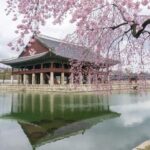
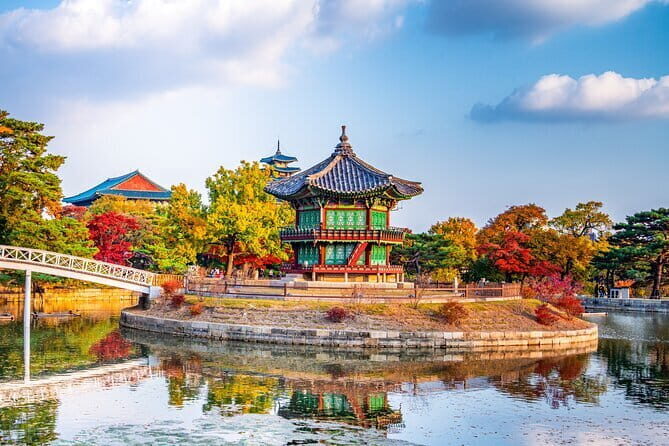
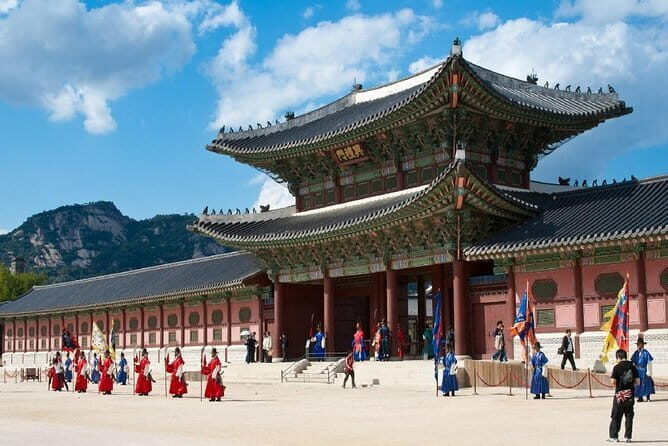
Gyeongbokgung Palace is the big start. It’s the main royal palace of the Joseon Dynasty, and you’ll get a full guided walk rather than a quick photo sprint. Because the palace is large, this is one of those stops where a guide helps you see the best viewpoints and understand what you’re looking at without getting lost.
Next comes Bukchon Hanok Village, where the focus is less on big monuments and more on traditional noble-class homes. If you want to understand Korean life beyond palace walls, this is the right angle. The guide also helps you explore inside and around the houses, which is where the experience becomes more real than postcard shopping.
Then you slide into Insadong, known for traditional crafts, pottery, antiques, and cozy tea spots. This is a great “wander with purpose” stop. It’s also a nice moment to slow down after more structured sightseeing.
If your trip includes a serious history stop, the War Memorial of Korea is one. It gives you context for how the Korean War began and unfolded, with displays ranging from weapons and tanks to memorials. Expect this to feel heavier than the palace stops, so keep your energy for it.
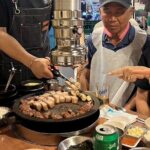
Finally, you wrap the day at Gwangjang Market. This is where Seoul turns into food and street-level culture. You’ll get introduced to local specialties and the market’s history, then try snacks with your guide. It’s also a practical win: markets are an easy way to eat without hunting around.
Seoul at night: N Seoul Tower, Bongeunsa, and the Han River cruise
Seoul evenings are built for photos, and this plan uses that idea smartly.
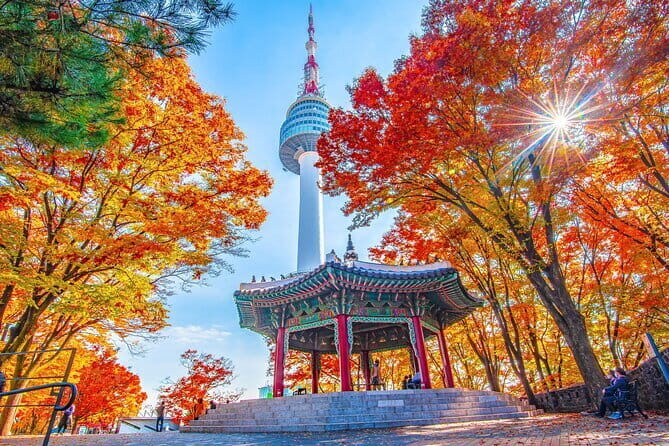
You begin with N Seoul Tower. The guide will take you up and help with picture spots. Just plan for the cable car ticket not being included, so have a little extra cash ready (or payment methods that work for that ticket) if you need it.
Next is Bongeunsa Temple, right in the city. This is a palate cleanser after tower views—calm, ritual space, and colorful lanterns and lotus decorations. It’s one of those “step away from the noise” stops that makes the day feel complete.
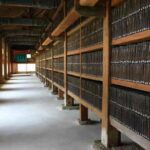
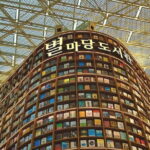
You also get a social-media-famous photo break at Starfield Library, with over 50,000 books. If you don’t want this stop, it can be swapped with a visit to a traditional Korean village instead, which shows this tour is designed to adapt to your preferences rather than forcing one script.
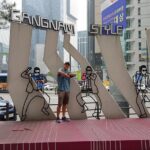
A quick, fun stop follows at the Gangnam Style statue, tied to the globally known song. It’s short, free, and light—use it to stretch your legs and keep the momentum.
Then comes the Han River evening cruise with E-Land. Before boarding, you’ll have chicken or noodles together, then enjoy the river at night. If you’re a K-drama fan, this is the kind of setting that feels familiar, but even if you aren’t, it’s still a classic Seoul experience. The best part is that it finishes the day without turning it into another museum.
DMZ day: Imjingak, Dora Observatory, and the Third Tunnel
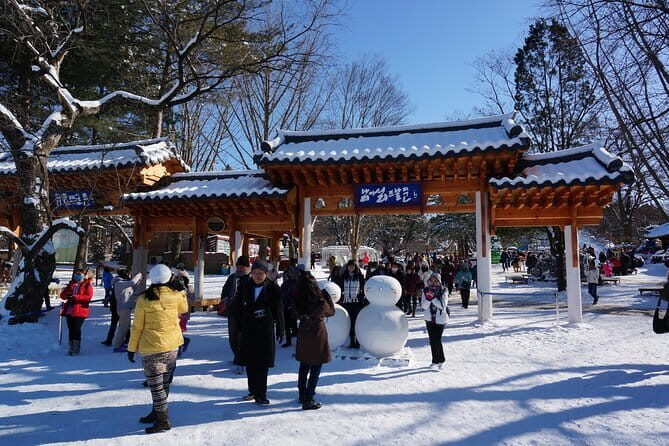
The DMZ is the emotional centerpiece here. It’s also logistically specific, which is exactly where a guided private plan helps.
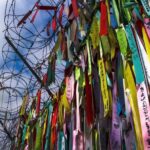
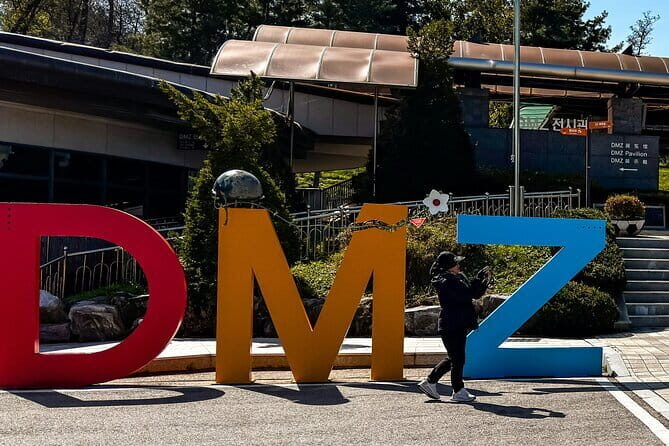
You start at Imjingak Pyeonghoa-Nuri Park, a reflection area before you head into the DMZ region. You’ll see sites like the Bridge of Freedom and an abandoned steam train, plus other historical remnants. This setup matters because it frames what you’ll experience later.
Inside the DMZ, the tour uses public bus transfers because private cars aren’t allowed. The overall tour stays private, but the bus piece is part of how the system works. Your guide will explain what you’re seeing and why it matters, which is crucial in a place where the atmosphere can be intense.
Next is the Third Tunnel, where you enter one tunnel that’s about 73 meters deep, with a round trip of roughly 20 minutes. It’s not a short stroll, so wear comfortable shoes and expect it to feel more enclosed than the outdoor stops.
Then you reach the Dora Observatory, giving you a view of North Korea and an explanation of life there—without freedom, struggling economy, and harsh conditions. This part can hit hard. If you want a mental heads-up, it’s wise to treat this day like a serious day, not a casual sightseeing day.
After that, you end with the Museum of Modern History of Korea, described as one of the best modern history museums in the country. It recreates everyday life from the 1950s onward, so it’s not only military-focused. You’ll leave with a clearer sense of how modern Korea was shaped and lived.

Fortress walk in Gyeongju: gates, pavilions, and a chance to try archery
Gyeongju is where the trip shifts from big-city energy to ancient structures and landscape-shaped history. The fortress-themed stops on the way are a major reason this works as more than a “drive-by.”
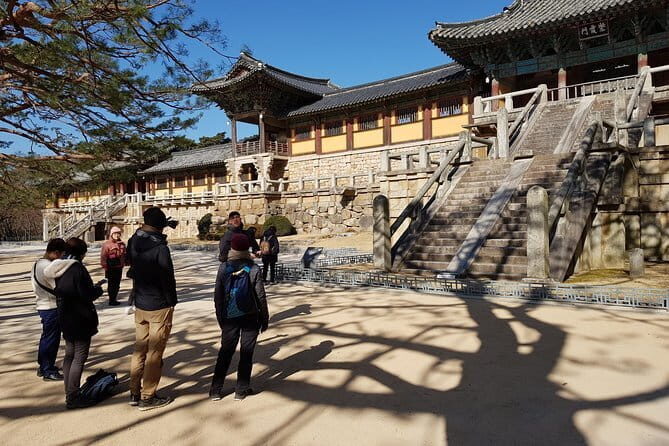
You start with Banghwasuryujeong Pavilion (Dongbukgakru). It’s not just a pretty viewpoint—there’s also a story tied to the 22nd king of the Joseon Dynasty and why the pavilion was built there. Your guide’s narration turns it from scenery into something you can actually picture.
Then comes Janganmun Gate, linked to the tragic story of that same 22nd king. You can also see bullet holes from the Korean War. This is one of the stops where the place feels like it carries history on its skin.
At Yeonmudae (Dongjangdae), the experience includes a training-ground vibe, with the chance to try archery. Even if you’ve never touched a bow before, it’s the kind of activity that helps you connect with how people lived and trained in the past.
Next is Changryongmun Gate, noted for its unusual design. The guide helps you understand why the builder chose that shape, which matters because some of these fortress elements look odd until you know what the design is doing.
Then you move into the Korean Folk Village, which is big and also a popular filming location for historical dramas. The walking is managed with your guide, who shows traditional agriculture, houses, and performances. The practical win here is time and context: you don’t just look at props, you get guided meaning.
The Gyeongju transition that keeps the week from feeling like a marathon
There’s a long drive segment as you head toward Gyeongju, and this tour tries to keep it from feeling like dead time.
On the way, you’ll visit 1–2 attractions and enjoy lunch in Pohang. This lunch stop is listed as free, which is a nice way to offset the fact that meals are otherwise not included.
Later, you stop for Space Walk, described as safe and fun, with stunning views. The point here isn’t only the attraction. It’s also a reset—stretch, rest, and take a breath before continuing the day.
That rhythm matters on a 7-day tour: when you keep momentum too tight, you end up tired, not delighted. This plan gives you a few breaks that feel intentional rather than accidental.
Gyeongju by night and morning: tombs, coin bread, Wolji Pond, and stars
Once you’re fully in Gyeongju, you get a smart mix: tombs in the morning, food streets in the middle, and some of the most atmospheric sights at night.
You start at Daereungwon Tomb Complex, mostly dating from the 4th to 6th centuries. Because these tombs have remained intact thanks to special construction methods, it’s the kind of site where you can feel the craftsmanship in a physical way rather than just reading about it.
Then you stroll Hwanglidangil, a local street where you’ll try famous “coin bread.” It’s listed as included and works as a practical break between bigger historical stops. Think of it as the tour’s “fuel and laughter” segment.
The night views begin at Woljeonggyo Bridge, originally built in 760 and rebuilt after destruction over time. You’ll visit at night, when the lighting and reflections turn the walk into something more cinematic.
Next is Donggung Palace and Wolji Pond, reconstructed based on historical records and visited at night for a magical view. This is one of the stops where timing really matters. Night makes it feel more like a living scene than a daytime monument.
You then end with Cheomseongdae Observatory, built in 633. Constellations mattered a lot to ancient agricultural life, so the stop connects astronomy to everyday needs. It’s short, but it adds a different kind of perspective.
Finally, the Gyeongju National Museum brings it all together with original treasures like crowns and other artifacts. If you want proof that this isn’t only scenery, this museum is where you see objects that survived the centuries.
Busan’s best mix: markets, ocean temples, refugee history, and bamboo calm
Busan comes in with food energy and ocean views, and the stops cover several sides of the city.
You begin at Gukje Market, described as having developed early commercial power because Busan was never occupied by North Korea. Today it’s still lively, and prices can be affordable. For first-timers, it’s a quick way to understand what people actually buy and eat.
Then you ride the Songdo Cable Car over the ocean. It’s listed as free, and if you’re afraid of heights you can switch to the Sky Capsule. There’s also a fun touch: you can connect your phones to the cable car’s speaker system for shared audio.
Next is Haedong Yonggungsa, often called the most beautiful temple in South Korea. It’s relatively new, but the ocean views from the temple grounds are the big reason people come. Even if you don’t usually care about temples, the setting tends to change your mind.
After that, you visit Busan Gamcheon Culture Village, a colorful place with a sad history. Your guide explains why refugees came there, how they built their homes, and how they live today. It’s not just a photo village; it’s a place with real human stories.
Finally, you end with Ahopsan Forest, a bamboo forest for a quieter walk in the middle of the city. The guide connects bamboo to historical symbolism—straightness and nobility—while you get a calmer atmosphere to close the trip.
Practical tips so the week stays fun (not tiring)
This tour assumes moderate physical fitness. You don’t need to be an athlete, but you should be ready for walking days, stairs, and some outdoor time.
Wear comfortable shoes for palaces and markets. Sunglasses and sunscreen help too—especially on open areas like bridges and observatories where you’re exposed.
On photo-focused stops like the tower area, libraries, and night bridges, arrive with realistic expectations. You’ll do better if you treat it like a guided photo walk rather than trying to capture everything yourself.
Also, keep a small extra budget for anything that’s not included. The only specific item called out is the N Seoul Tower cable car ticket, and the rest of your extras mostly come down to meals and personal spending.
If you’re traveling with kids or celebrating a birthday, this kind of guide-style matters. Hun and Sean are described as warm and friendly, and even kids calling them uncle is a sign they know how to keep the mood good while staying on schedule.
Should you book this private Korea week?
Book it if you want a guided, private tour that covers Seoul, Gyeongju, and Busan without you managing tickets, transfers, and daily planning. It’s a strong choice for first-time Korea visits, families who need a smoother experience, and people who want the DMZ plus the classics like palaces, temples, and markets in one trip.
Consider it carefully if you dislike paying a premium for convenience, because meals and hotel are on you. Also, if you hate walking or you’re easily overwhelmed by heavy history, the DMZ day will feel intense, even with an excellent guide.
If you match the vibe—organized but flexible, history plus food plus photos—this is the kind of week that can make you feel like you understand the country faster than solo planning ever will.