REVIEW · SEOUL
Discover Round Korea in 7days: All-Inclusive Experience
Book on Viator →Operated by Hanatour ITC (하나투어 아이티씨) · Bookable on Viator
Seven days, zero planning stress. This fixed-route tour strings together UNESCO stops, hands-on Korean culture, and big nature scenery, with practical details handled for you like admission fees and a daily plan. I like that it’s designed around relaxing travel rather than shopping detours, and it still makes room for traditional food moments along the way.
I also loved the small-group feel (up to 35 travelers) and the fact that the guide can steer the trip smoothly. One review stood out to me for guide Jay being friendly, fun, and careful with everyone from start to finish. The only real drawback: it’s a set schedule with early starts, so you won’t have much wiggle room to freelance on your own, and you’ll do some walking on temple and fortress terrain.
In This Review
- Key highlights you’ll notice fast
- Why this 7-day Round Korea route feels easy
- Price and what’s actually included in the value
- Logistics from Amid Hotel Seoul: the rhythm of the mornings
- Day 1 in Gongju: fortress walls, royal tomb craft, and a museum finale
- Day 2 Jeonju Hanok Village: hanbok time and a temple tea moment
- Day 3 Boseong tea terraces and Suncheon Bay wetlands
- Day 4 Busan contrast day: UN remembrance, Jagalchi food energy, cable car views
- Day 5 Gyeongju UNESCO hits: APEC history, Bulguksa, tomb grandeur, and star-gazing
- Day 6 Andong Hahoe Folk Village and making Korean traditional dessert
- Day 7 Seoraksan National Park: Jujeongol Valley and closing with nature
- Should you book Discover Round Korea in 7 Days?
- FAQ
- Is there any shopping on this tour
- What’s included in the tour price
- Which meals are included
- How many people are in the group, and where do we meet
- What’s not included
- Do I need a certain fitness level
- What’s the cancellation timeline for a full refund
Key highlights you’ll notice fast
- All-in style with no shopping stops, so your time stays focused on sites and culture
- UNESCO-heavy route, from Gongju and Jeonju to Gyeongju and Andong
- Korean culture activities, like hanbok time and a traditional dessert-making class
- Real Korean food stops, including tea conversation and a full-on Jagalchi Market visit
- Nature variety, from Boseong tea fields and Suncheon Bay wetlands to Seoraksan National Park
Why this 7-day Round Korea route feels easy
This tour works if you want Korea to feel simple on the logistics side: you meet, you go, you return. You’re not hunting for tickets, translation apps, or how to connect trains between distant cities. Instead, the pacing is built around a chain of stops that make sense geographically—Seoul base first, then south and east into historic cores and nature areas, and back to your starting point.
You’ll also get a strong mix of types of travel, which is hard to pull off solo without lots of research. One day might be UNESCO tombs and museums. Another day is markets and coastal views. Then you hit tea terraces, wetlands, and a national park that’s more about walking paths and dramatic rock formations than museum time.
And because this is a “no shopping, no options” program, you’re less likely to waste hours waiting around for optional add-ons. It’s basically a structured itinerary with enough cultural variety that the days don’t feel repetitive.
A few more Seoul tours and experiences worth a look
Price and what’s actually included in the value
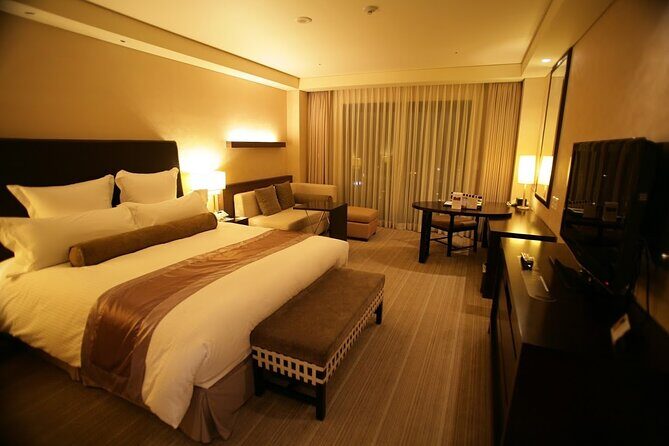
At $1,970 per person for about 7 days, the price isn’t cheap. But you’re paying for fewer moving parts: six nights of accommodation, an English-speaking guide (or driver-guide), air-conditioned vehicle transport, and entrance fees for the included sites.
Meals are also a big part of the value. You get 6 breakfasts, 7 lunches, and 6 dinners—so you’re not budgeting for every meal in unfamiliar places. There’s also a welcome kit, plus mobile ticket support (handy when you’re juggling a busy schedule).
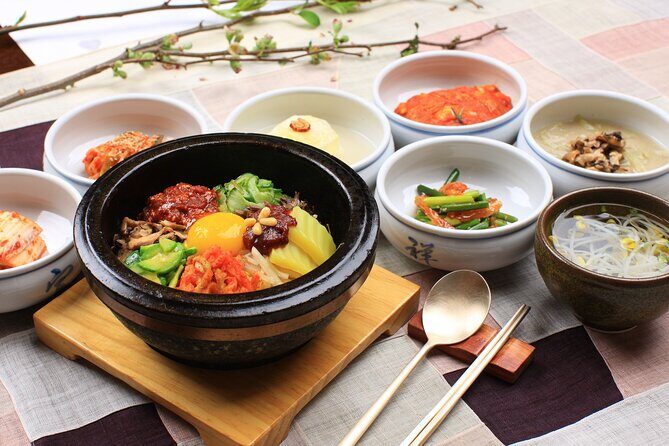
One detail I appreciate: the tour specifically aims to include traditional food experiences and not just sightseeing. And there’s a scheduled stop at a wellness facility designated by the Korea Tourism Organization, which can be a nice reset if the sightseeing pace feels intense.
Two practical notes for your money sense:
- Since hotels and admissions are included, your day-to-day spending is mostly personal expenses and drinks.
- You’re paying for convenience more than choice. If you love planning and building your own itinerary, this fixed route may feel restrictive.
Logistics from Amid Hotel Seoul: the rhythm of the mornings
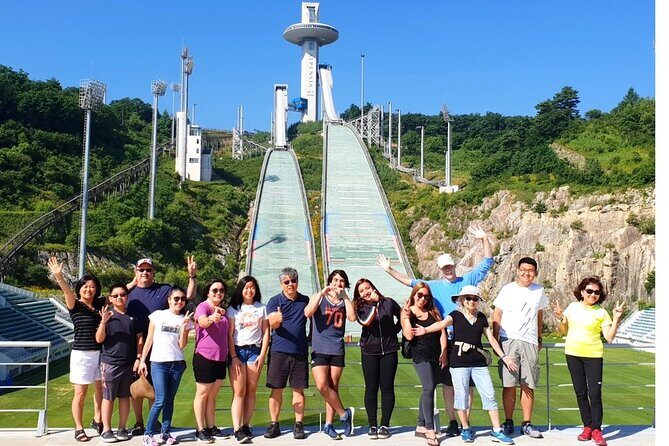
Your meeting point is AMID Hotel Seoul, at 38 Insadong 5-gil, Jongno District, and the start time is 8:00 am. The tour ends back at the same meeting point, so you’re not dealing with a different drop-off city or complicated onward travel coordination.
Because there’s no hotel pickup on the first day and no drop-off on the last day, the tour recommends staying at or near Amid Hotel. That’s smart. It removes a common stress: catching the meeting on time when Seoul morning traffic and transit can mess with your schedule.
The group size cap is 35, which usually means you get the benefits of group travel without feeling like you’re trapped in a giant crowd. Still, the pace is packed, so you should plan your clothing and shoes for walking. Moderate physical fitness is recommended—think temple steps, uneven ground, and some longer transfers between regions.
Day 1 in Gongju: fortress walls, royal tomb craft, and a museum finale
Day 1 starts with Gongju Gongsanseong Fortress, a UNESCO World Heritage Site. Fortress sites in Korea can feel like a moving lesson: you’re walking where defenses once mattered, and the hillside views often help you understand why the builders chose that spot. You’ll also get a full “history layer cake” effect on this day, because the next stops keep pulling you deeper into Gongju’s past.
Next is the Songsan-ri Tombs and the Royal Tomb of King Muryeong. The standout here is the brick-built burial style and the craftsmanship behind the burial practices. If you like archaeology that tells a story, this is the kind of site that makes ancient Korea feel tangible instead of abstract.
You finish at the Gongju National Museum, which holds around 10,000 cultural artifacts. Museums are where you can slow down and connect the dots you saw outside—especially when you’re looking at relics tied to royal tomb discoveries.
Practical consideration: fortress and tomb areas usually involve steps and uneven paths, so wear shoes with grip and be ready for some uphill segments.
Day 2 Jeonju Hanok Village: hanbok time and a temple tea moment
Jeonju is famous for its hanok village atmosphere, and this day is built around that. You start with time in Jeonju Hanok Village, exploring areas anchored by Gyeonggijeon Shrine. The shrine matters historically because it was erected in 1410 and it houses a portrait of King Tae-jo, founder of the Joseon Dynasty. That’s a lot of meaning packed into a relatively calm setting.
Then there’s the hanbok experience at Hanoknam Jeonju Hanok Village. This is one of those activities that can be genuinely fun if you treat it like a photo day plus a learning day. Even if you don’t care about photos, wearing a hanbok can change how you move through the space—less rushing, more noticing details.
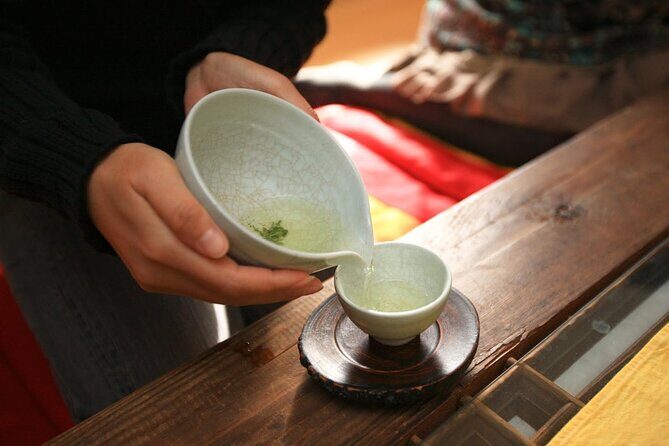
Next comes Baekyangsa Temple and a tea conversation with a Buddhist monk. This is the kind of cultural pause that breaks up the sightseeing grind. It’s not about checking boxes; it’s about slowing your brain down and hearing a different rhythm of Korea.
Trade-off: tea conversations and temple visits can be quiet and structured. If you’re expecting lots of free time to wander solo, you may want to ask your guide how much flexibility you’ll have day-by-day.
Day 3 Boseong tea terraces and Suncheon Bay wetlands
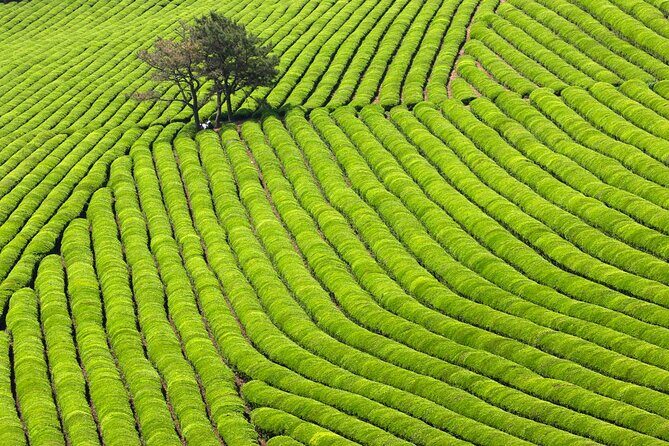
This day is for scenery lovers who also enjoy nature that isn’t just one dramatic overlook. First up is Boseong Green Tea Field (Daehan Dawon), described as the largest green tea field in Korea. You’ll walk between terraced rows, and the views shift as you move—an easy place to understand why tea is woven into Korean agriculture and daily life.
After lunch, you head to Suncheon Bay Wetland Reserve, a coastal marshland recognized among the world’s top wetlands and a sanctuary for more than 250 species. Wetlands are often overlooked because they don’t look like mountains or oceans at first glance. But once you’re there, it’s all about the ecosystem: water channels, birds, and the sense that this is a living space rather than a scenic backdrop.
Practical tip: nature reserves often mean paths that are comfortable but still outdoors for stretches. Bring a light layer and stay hydrated, especially if the weather is warm.
Day 4 Busan contrast day: UN remembrance, Jagalchi food energy, cable car views
Busan gives you a strong contrast day—reflection, food culture, and coastal viewpoints. You begin with the UN Memorial Cemetery in Busan, a solemn site dedicated to UN soldiers who lost their lives during the Korean War. Around 2,300 graves are arranged by nation. It’s one of those stops that changes your mood, so give it your full attention rather than treating it like a quick photo stop.
Then it’s a sharp gear shift to Jagalchi Market, Busan’s iconic fish market. This is where Korea feels loud in the best way: seafood displays, snack energy, and the daily rhythm of people buying and selling. Even if you don’t eat much, watching how the market works teaches you more than a brochure ever will.
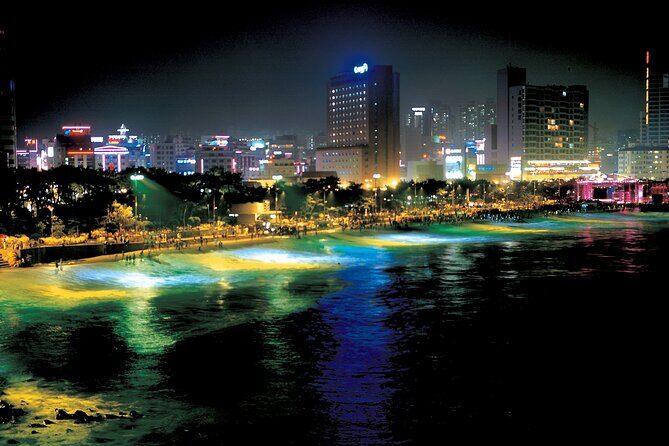
You end with the Songdo Cable Car, about 1.6 km, from Songdo Beach Station to Songdo Sky Park. The cable car adds a skyline-and-water perspective that you simply can’t get from street level. It’s a good finish because it’s scenic without being physically demanding.
Consideration: markets and memorial sites can feel emotionally different. I suggest you plan your mental switching—don’t stack them if you’re in a rush. Let the day breathe.
Day 5 Gyeongju UNESCO hits: APEC history, Bulguksa, tomb grandeur, and star-gazing
Gyeongju is where this tour starts stacking UNESCO-level moments. You first visit Nurimaru APAC House on Dongbaekseom Island. It was the venue of the 2005 APEC Summit, and the modern glass-walled conference hall is a different vibe than the ancient sites you’ll see next. It’s a useful reminder that Korea’s history isn’t only “old”; it also includes modern global moments.
Next is Bulguksa Temple, a UNESCO World Heritage Site. If you’re used to temples as quiet places to look at from the outside, this is a day where the structures and setting make more sense as part of an intentional design—winding paths, major halls, and a sense of craftsmanship.
Then you visit Daereungwon Tomb Complex, with large royal burial mounds and relics, including elaborate gold crowns. The scale can feel surprising, especially after the more intimate temple environments.
You finish the day at the Gyeongju National Museum, featuring iconic artifacts like golden crowns and masterpieces from a millennium ago, and then a quick stop at Cheomseongdae Observatory, a symbol of Silla’s astronomy.
Practical note: this is a long “move through different kinds of heritage” day. Build in patience. You’ll be walking between sites, and the best way to enjoy it is to keep your pace calm.
Day 6 Andong Hahoe Folk Village and making Korean traditional dessert
Day 6 brings you back toward living culture. First, you do Momyeongjae, an immersive Korean traditional dessert-making experience at a Korean Traditional Culture Center. This kind of activity is great because it’s not only watching—it’s hands-on. Even if your dessert doesn’t look perfect, you’ll leave with a memory that’s yours.
After that, you head to Andong Hahoe Folk Village, a UNESCO World Heritage Site with more than 600 years of history. It’s described as one of the best-preserved traditional villages and a living cultural landscape. What makes this stop valuable is the time you get in the village setting: it’s not just monuments behind ropes—it’s an environment that feels like people have used it for centuries.
Consideration: if you’re the type who hates group schedules, you may wish you had more free time here. The good news is that village travel rewards slower wandering, so ask your guide where you can spend extra minutes.
Day 7 Seoraksan National Park: Jujeongol Valley and closing with nature
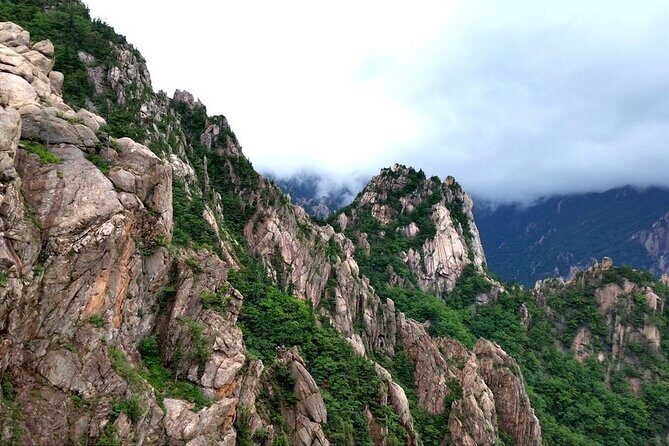
Your final day is the nature capstone: Seoraksan National Park and Jujeongol Valley near Pyeongchang. The park is known for dramatic rock formations, soaring peaks, and clear streams. This is a different kind of “heritage” than temples and tombs. You’re seeing how Korea’s geography shapes life and culture—built around the way people move through valleys, not just what they build in cities.
The stop is listed as free admission, but don’t let that fool you into thinking it’s a casual add-on. National parks ask more from your legs than city streets. Plan for walking and uneven ground, and keep your pace comfortable.
If weather is bad, the tour may adjust since good conditions are required for the experience. This is one reason you should pack for variable conditions: layers beat one heavy jacket.
Should you book Discover Round Korea in 7 Days?
Book it if you want a well-structured Korea trip with entrance fees, meals, and hotels handled, plus a guide who can keep the route moving. It’s especially good for first-timers who don’t want to spend days researching transit between cities. The small-group cap of 35 also helps you feel supported without feeling swallowed by the tour bus crowd.
Don’t book it if you need total freedom. This is a fixed schedule and it includes a planned wellness-facility stop, plus multiple heritage sites where you’ll be doing walking and steady time on your feet. If you’re the kind of traveler who hates early mornings and wants to pick your own neighborhoods each day, you might find this feels too “planned.”
FAQ
Is there any shopping on this tour
No. The program is described as having no shopping and no options, so the time is kept for sites and included experiences.
What’s included in the tour price
Entrance fees during the tour, air-conditioned vehicle transport, 6 nights of accommodation in twin or double rooms, an English-speaking guide (or driver-guide), a welcome kit, and included site entry fees.
Which meals are included
The tour includes breakfast on 6 days, lunch on 7 days, and dinner on 6 days.
How many people are in the group, and where do we meet
The tour has a maximum of 35 travelers. You meet at AMID Hotel Seoul (38 Insadong 5-gil, Jongno District) with a start time of 8:00 am.
What’s not included
Traveller’s insurance, personal expenses like laundry or drinks, tips, and other additional expenses are not included.
Do I need a certain fitness level
Yes. The tour notes that travelers should have a moderate physical fitness level.
What’s the cancellation timeline for a full refund
You can cancel up to 6 days in advance for a full refund, and for a full refund you must cancel at least 6 full days before the experience’s start time.