REVIEW · BUSAN
Busan: Food Market Tour. Smash Seafoods and Street foods
Book on GetYourGuide →Operated by Korean Hug You · Bookable on GetYourGuide
Seafood meets street food in Busan at night. This 3-hour small-group tour starts at Jagalchi Station and pairs a seafood smash at Busan’s best-known seafood market with a walk through another big food market for street snacks and drinks. You also get a guide to explain what you’re eating and how the market scene works.
I like the seafood smash angle because it pushes you past plain tasting and into the local “how it’s meant to be eaten” rhythm. I also like that you’re not stuck with only one type of food; you’ll mix market seafood with classic street finds like chicken gangjeong and gimbap, plus soju/beer/makkeoli options. One possible drawback: you should be ready for very fresh seafood, and the drinking culture may feel alcohol-forward unless you steer things toward non-alcoholic drinks.
In This Review
- Key things I’d circle on your plan
- Where Jagalchi Station Exit 10 sets you up fast
- Seafood smash at Busan’s biggest seafood market
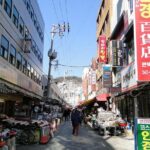
- Street food at Busan’s largest food market: more than snacks
- Drinking culture in practice: soju, beer, makgeolli, and pairing
- What you’ll likely eat: the “full dinner” feel
- Market insights you can use again next trip
- Who this Busan food tour fits best
- Price and value: is $50 per person worth it?
- Practical logistics that affect your night
- Should you book the Busan Food Market Tour with Seafood Smash?
- FAQ
- How long is the Busan food market tour?
- Where do we meet the guide?
- What food and drinks are included?
- Are non-alcoholic options available?
- What is the group size?
- What languages does the guide speak?
- What’s the cancellation and payment policy?
Key things I’d circle on your plan
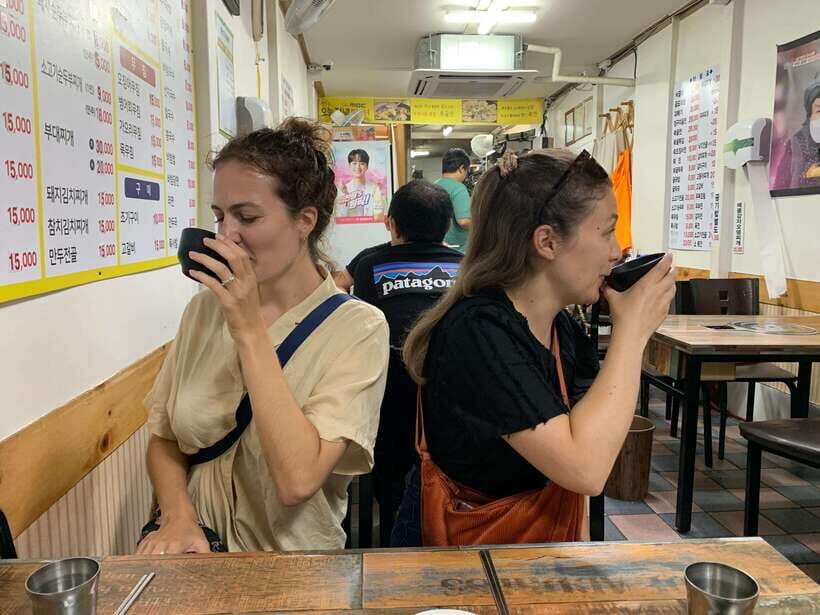
- Start at Jagalchi Station Exit 10 so you avoid the first-night “where do we meet” stress
- Seafood smash at Busan’s biggest seafood market with hands-on, market-style ordering
- Street food at Busan’s largest food market for variety in a tight 3-hour window
- Soju/beer/makkeoli included, with non-alcoholic options mentioned by guests
- Small group (up to 10) for easier conversation and quicker vendor questions
- English and Korean guides, and you might get guidance from names like HugYou, HoGyu, DuYeol, or Doyours
Where Jagalchi Station Exit 10 sets you up fast
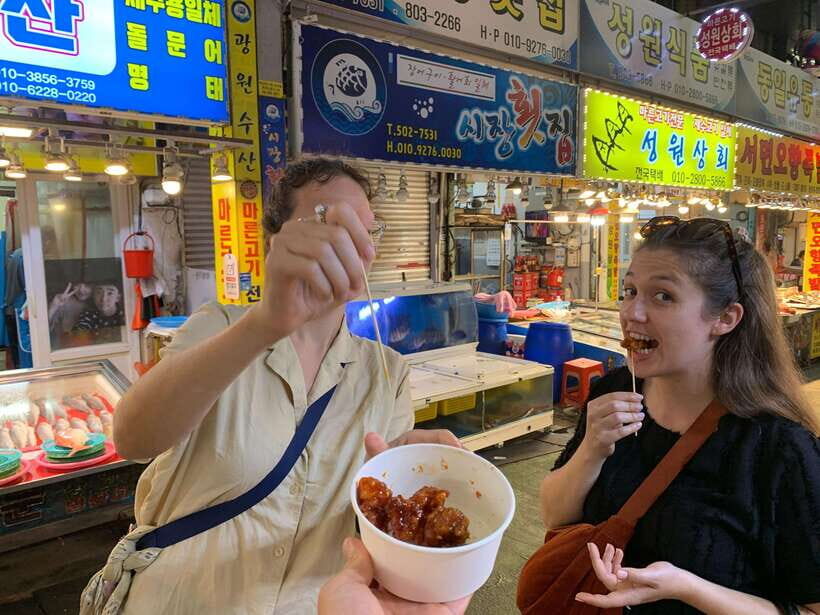
Jagalchi is the place to go when you want Busan’s seafood world right away. Meeting at Jagalchi Station Exit 10 (outside) is practical: it puts you near the market action without forcing you to wander first. If you’ve never used Korean transit signage before, having an exact exit helps a lot.
This tour is built around walking, so you’ll want comfy shoes and a light layer for evening air. You’ll also benefit from the small-group setup. With a group capped around 10 people, you’re less likely to get stuck waiting while everyone catches up, and it’s easier for the guide to translate what you see in the stall space.
You can also read our reviews of more food & drink experiences in Busan
Seafood smash at Busan’s biggest seafood market
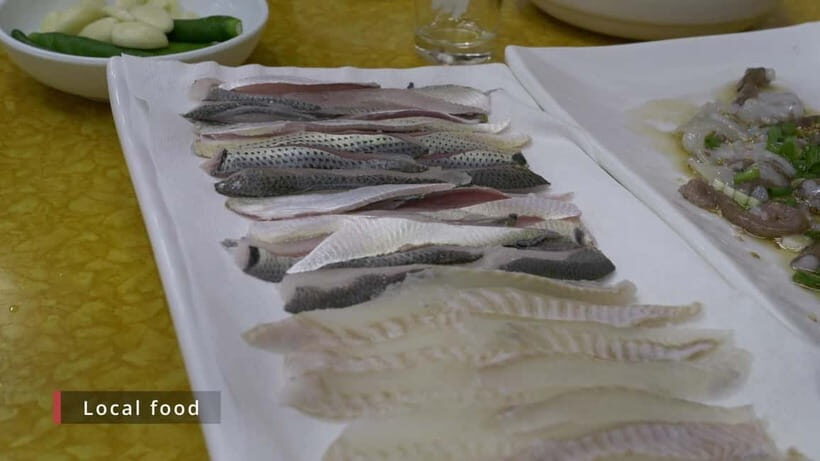
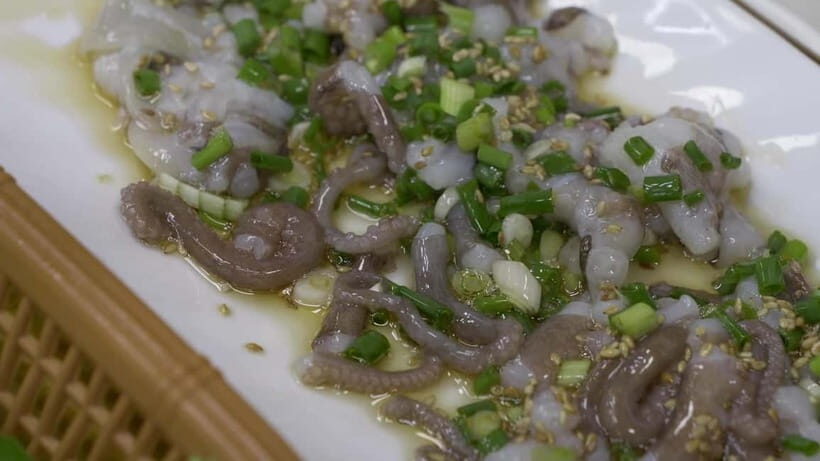
The headliner is the seafood smash at Busan’s major seafood market. The idea is simple: you get a seafood-focused experience that feels like what’s happening in the market itself, not a staged “museum” meal. It’s not just about eating seafood—it’s about understanding why the market version tastes different. Freshness, temperature, and how sauces and sides are matched all matter here.
Expect the guide to help you navigate what’s offered and how to order. This is one of the smartest parts of the tour for first-timers, because markets can be overwhelming when you don’t know what to ask for. You’ll also get market context: how traditional markets fit into daily life, why certain seafood and ingredients matter, and what people pair together when they’re out eating with friends.
A practical note: at least one guest flagged being prepared for raw fish. So if you’re cautious with texture or you hate raw seafood, this is where you should pause and decide. On the flip side, if you enjoy trying new things, a guided smash format is a fun way to sample without turning the night into a chaotic search for the “right” stall.
Street food at Busan’s largest food market: more than snacks
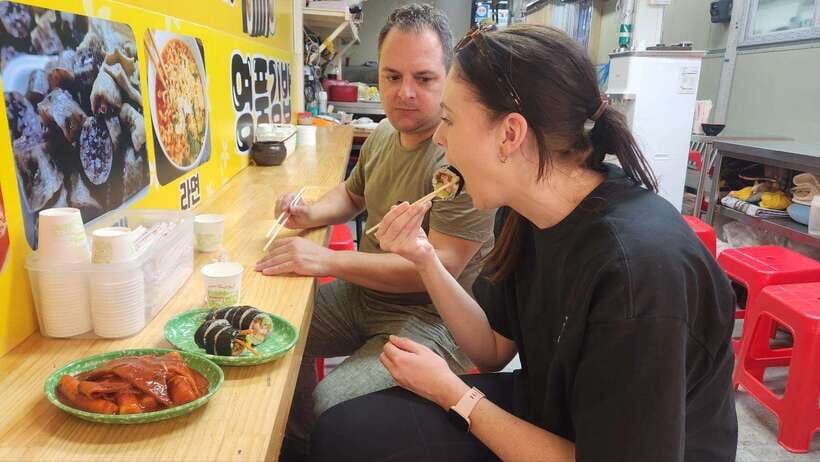
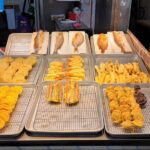
After the seafood segment, you shift from seafood-heavy stalls into street-food territory. This is where the tour earns its “food” part of the name. Street cuisine in Korea isn’t one dish—it’s a set of patterns: hot and cold together, savory bites followed by something chewy, sweet stops to reset your palate.
You’ll likely see a mix of familiar Korean staples and market-specific choices, and the best part is that you don’t have to guess what’s worth the money. The guide helps you pick, explains what you’re eating, and you get to try multiple items instead of spending the night on one “big” meal.
This market-to-street shift also makes the whole experience feel balanced. The seafood smash can be intense—especially if you’re trying items you’d normally avoid. The street-food phase gives you contrast, so the meal doesn’t become one long experiment with no relief.
Drinking culture in practice: soju, beer, makgeolli, and pairing
This tour includes alcohol options such as soju/beer/makkeoli. That inclusion matters because drinking is often part of how Koreans socialize around food, especially in market settings. It’s not just “for fun”; it changes the pacing of the meal. You’ll typically taste, pause, and then move to the next bite, with drinks acting like a reset between flavors.
If alcohol isn’t your thing, you’re not automatically stuck. One guest specifically mentioned non-alcoholic options were available, and that’s a huge help. You can still enjoy the cultural side—how people order together, why certain sides show up, and how the meal rhythm works—without feeling pressured to drink.
Either way, go in with an open mind. Korea’s market drinking culture is usually relaxed in a group setting, but it is still a culture. If you plan to drink, pace yourself and drink water between tastings.
What you’ll likely eat: the “full dinner” feel
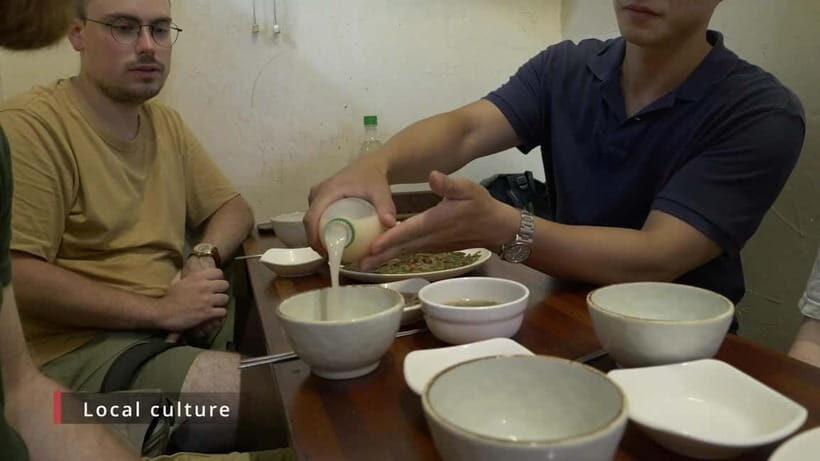
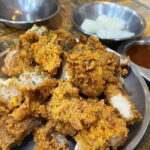
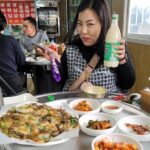
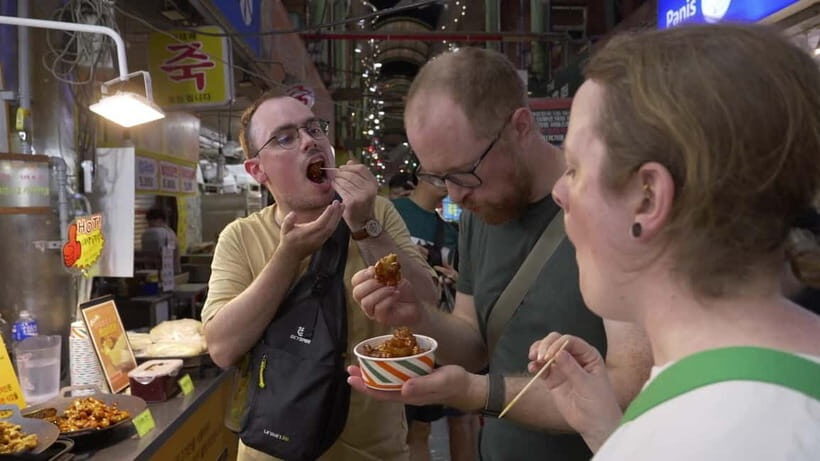
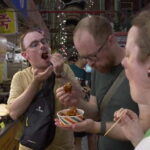
The tour is designed to leave you satisfied, not just “snacked.” Included are three or more types of food, including a seafood combo, chicken gangjeong, and gimbap. You can also expect other local snacks as you move between the seafood market and the larger food market.
From a value standpoint, this matters. Many food tours price themselves like a tasting event, then hand you only a couple of samples. Here, the structure supports a full dinner cadence: multiple bites, a drink component, and enough variety that you’ll cover several flavor categories in one sitting.
Also, don’t underestimate the pairing guidance. Korean food often relies on combinations—one item works better with a particular sauce or side. The guide helps you put those pieces together, so you don’t just eat more; you understand why it works.
A few more Busan tours and experiences worth a look

Market insights you can use again next trip
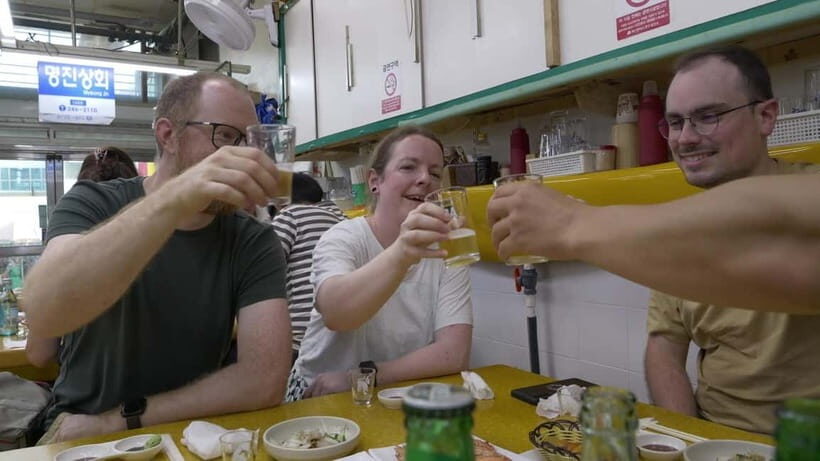
Beyond the food, this tour gives you practical market “language.” You’ll learn about how traditional markets are tied to local community life and why certain market behaviors make sense. That’s not just trivia. It changes how you shop and eat afterward.
Two specific skills stand out from what the tour describes:
- Ingredient exploration: you get up close to different Korean culinary ingredients and see what’s available where.
- Interactive shopping and simple Korean phrases: you might practice quick Korean lines with vendors and learn how small haggling or questions work in a market context.
If you plan to explore more Korean markets on your own, these are the kinds of moments that make the whole trip feel less like following a script and more like you can actually participate.
Who this Busan food tour fits best
I’d steer you toward this tour if you want:
- a first-night introduction to Busan food markets
- a mix of seafood and street food in a guided setting
- a small group experience where you can ask questions and adjust to your tastes
It’s especially good if you’re the type who gets excited by watching how food is sold and prepared. Markets aren’t just places to eat—they’re places to understand the city’s food logic.
I’d be more cautious if:
- you strongly dislike raw fish or you’re extremely sensitive to seafood textures
- you don’t want alcohol anywhere near your meal. You can likely choose non-alcoholic drinks, but the tour does include alcohol options, and the drinking culture is part of the story
Price and value: is $50 per person worth it?
At about $50 per person for roughly 3 hours, this tour looks like it’s priced for the “two-market, guided dinner” slot. The value comes from three things working together: multiple included food types, drink options, and the guide time that helps you avoid wasted orders in stalls you wouldn’t know how to navigate.
You’re also paying for speed and translation. In a major market like Jagalchi, time matters. If you tried to recreate this on your own, you’d spend extra energy figuring out where to go, what to trust, and how to order efficiently. A guide compresses that learning curve into a short walk-and-taste evening.
So yes, it’s not a cheap snack tour. But it reads like a solid dinner-style experience rather than a few bites and a photo stop.
Practical logistics that affect your night
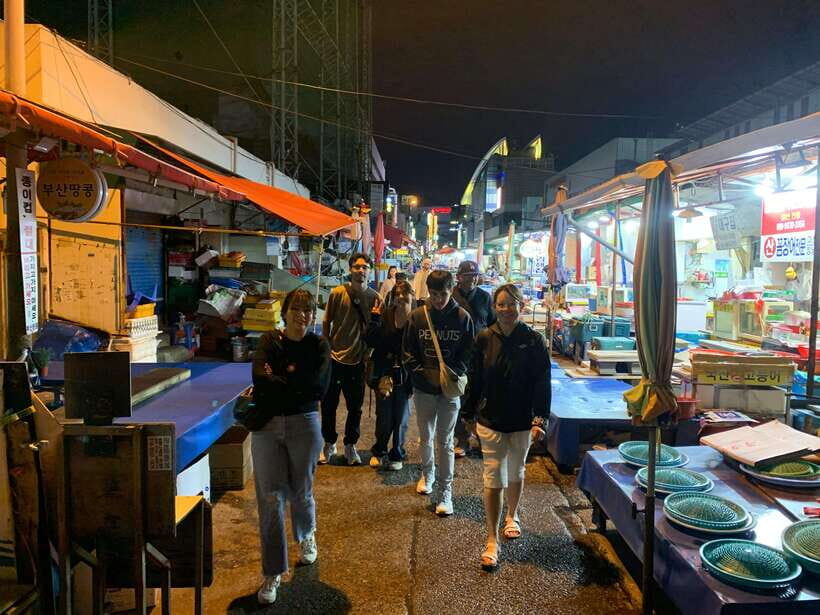
Because it’s only about 3 hours, you’ll want to eat lightly earlier or plan this as your main dinner. Bring cash only if your comfort level requires it, but expect that the guide will handle ordering and coordination as you move.
The tour ends back at the meeting point—Jagalchi Station—which is convenient. You won’t be left trying to guess your way home after a full meal.
A final practical plus: the tour is wheelchair accessible, and it runs with a live guide in English and Korean. That combination matters if you want a smoother experience and less language friction.
Should you book the Busan Food Market Tour with Seafood Smash?
If you want an easy, guided way to eat like a local in Busan’s market world, I think this is a strong pick. It mixes two market zones—seafood first, street foods second—so you get variety without planning anything. The small group size also makes it feel more personal than a big bus tour.
Book it if you’re curious about Korean market culture, open to trying seafood (including very fresh items), and want a fun night with a guide who can translate what’s in front of you. Skip or reconsider if raw seafood textures are a hard no for you.
If you do book, go hungry, wear shoes you can walk in, and don’t be shy about asking for non-alcoholic options if you want to keep the meal centered on food. That single decision can make the whole night feel exactly right for your style.
FAQ
How long is the Busan food market tour?
The tour runs for about 3 hours. Starting times vary, so you’ll need to check availability for the specific day you want.
Where do we meet the guide?
You meet at Jagalchi Station, Exit 10 (outside). The team says they will find you there.
What food and drinks are included?
The tour includes three or more types of food, such as a seafood combo, chicken gangjeong, and gimbap, plus soju/beer/makkeoli.
Are non-alcoholic options available?
Non-alcoholic options were mentioned as available by guests, so you can ask for that preference during the tour.
What is the group size?
This is a small group limited to 10 participants.
What languages does the guide speak?
The live guide speaks English and Korean.
What’s the cancellation and payment policy?
You can cancel up to 24 hours in advance for a full refund. You can also reserve now and pay later to keep plans flexible.