REVIEW · BUSAN
Busan: Small-Group Traditional Korean Food Cooking Class
Book on GetYourGuide →Operated by Korean Cooking Class BAPSANG in Busan · Bookable on GetYourGuide
Busan’s Haeundae area is a good place to learn Korean cooking. This small-group class puts you right in a home-style kitchen routine: taste sauces, cook your own food, then sit down at a Bapsang (a personal dining table) to eat what you made. Expect hands-on instruction in English and Korean, plus tea and dessert at the end.
Two things I really like: you cook a core Korean dish—bibimbap—with guidance that keeps the steps manageable in a 3-hour window. And the meal setup matters; eating at Bapsang is a very Korean way to slow down and actually enjoy the food you just prepared.
One thing to consider: you’re not getting hotel pickup, so you’ll need to arrive on your own at the Hoabin Busan Haeundae apartment address. If you’re short on time or don’t like navigating public transit, plan ahead for the walk from Dongbaek Station.
In This Review
- Key things you’ll notice in this Busan class
- Why This Bibimbap Class Feels Local (Not Performative)
- Price and Value: Is $98 Fair for 3 Hours?
- Finding Hoabin Busan Haeundae: Address and Simple Transit
- The Real Flow of the Class: Drink, Sauce, Cook, Eat
- Cooking at Bapsang: Why the Table Setup Changes Everything
- What You’ll Make: Bibimbap (and Possible Extras)
- The Sauce Tasting Moment You’ll Actually Remember
- Tea and Dessert: A Soft Landing After the Cooking
- Instructor Style: Clear Steps, Helpful Explanations
- Vegan-Friendly? Plan It Early
- Who Should Book This Class (and Who Might Skip It)
- Should You Book Korean Cooking Class BAPSANG in Busan?
- FAQ
- How long is the cooking class?
- How many people are in the group?
- What language is the instruction in?
- Do I get pickup or drop-off?
- What food do I cook and eat?
- Is the class vegan-friendly?
- What is included in the price?
Key things you’ll notice in this Busan class
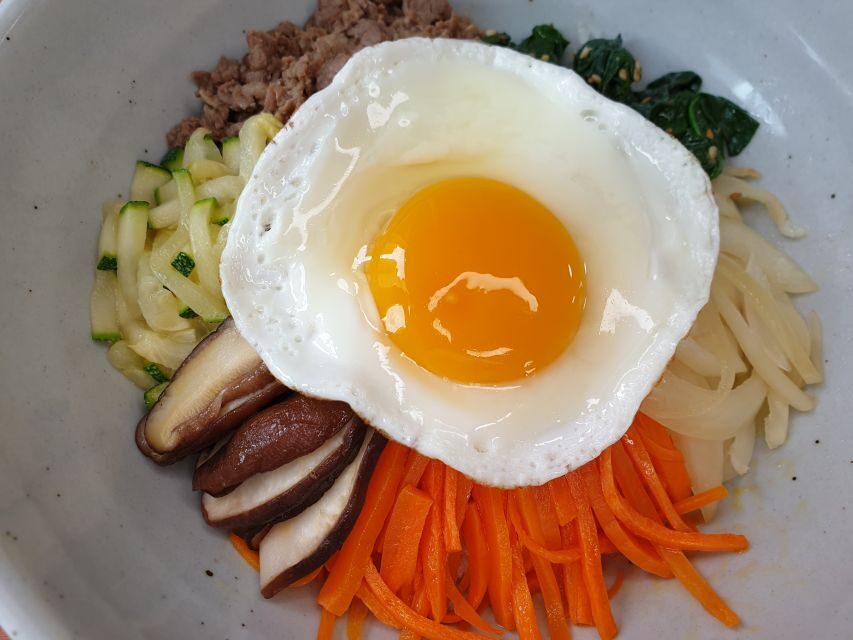
- Bibimbap focus with practical instruction so you can assemble it confidently
- Sauce tasting first, so you understand flavor before you start cooking
- Bapsang dining turns the meal into a hands-on, sit-down experience
- Tea and Korean dessert included with your cooked meal
- Small group size (up to 9–10) for better attention during prep
Why This Bibimbap Class Feels Local (Not Performative)
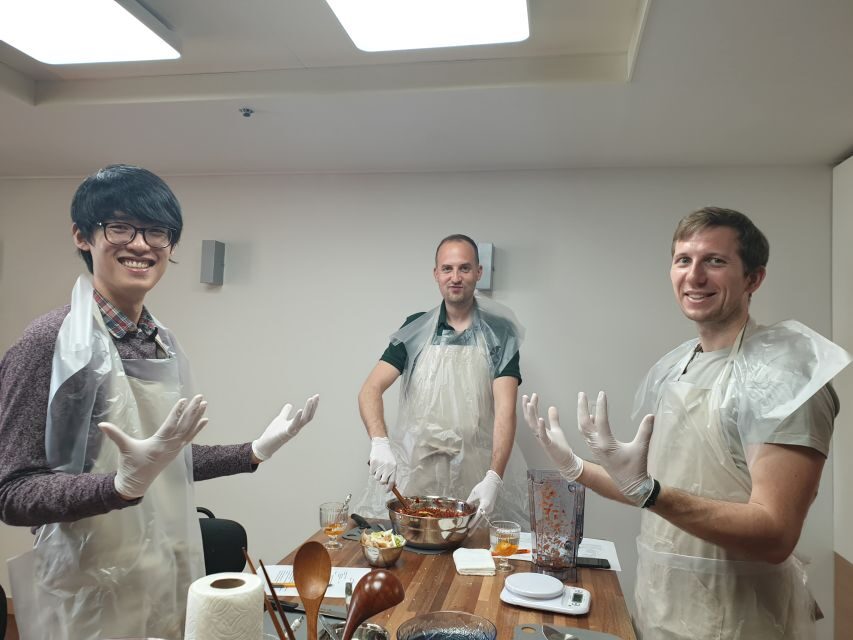
This class is built around real Korean home-meal rhythm, not a demo followed by waiting. You’ll start with a welcome drink and flavor education before you touch food, which helps the cooking make sense instead of feeling random.
The small-group setup is a big part of the “local” feel. With only about 9–10 participants, you’re more likely to get personal guidance when chopping, mixing, or assembling your bowl. That also makes it easier to ask questions in English or Korean without the teacher racing around.
Finally, the venue choice near Haeundae Beach gives you an easy win: you can pair this with a morning or afternoon by the sea. Cooking is one thing; being able to tack on a real Busan walk afterward is a bonus that keeps the trip from feeling like one isolated activity.
You can also read our reviews of more food & drink experiences in Busan
Price and Value: Is $98 Fair for 3 Hours?
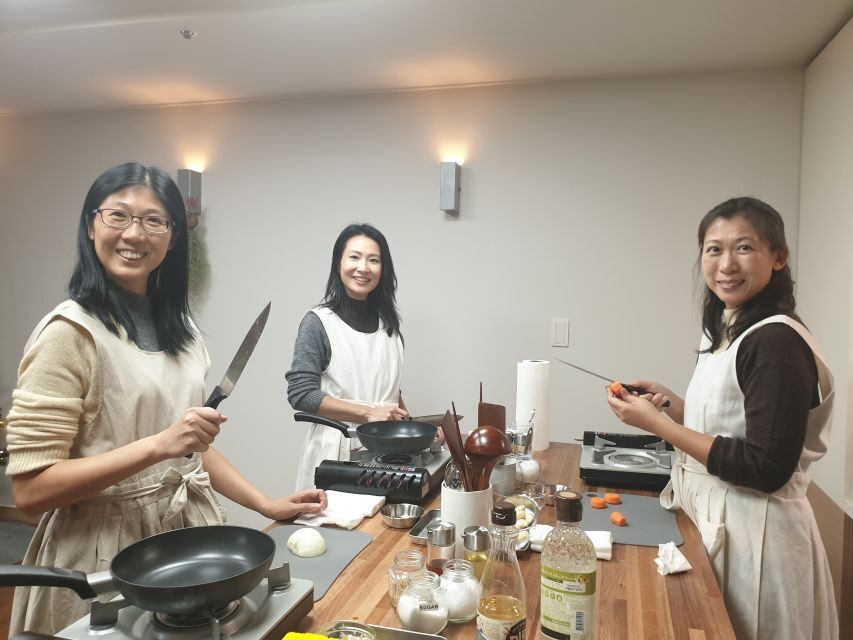
At $98 per person for about 3 hours, the value comes from what’s included versus what’s not. You get ingredients, utensils, an apron for class, and you eat the meal you cook. You also get water and recipes to take home—plus a certificate and a surprise gift.
What you don’t get is pickup and drop-off. That omission isn’t unusual for this type of experience, but it does mean your actual cost should include your own transit time and local transportation. If you’re staying far from Haeundae, factor in a taxi or subway ride so the class doesn’t turn into a logistics headache.
When I judge value, I care about whether you leave able to repeat the meal. With recipe materials and hands-on assembly at Bapsang, this class has a good chance of paying off after you’re back home—especially because bibimbap is all about balance: rice, toppings, texture, and sauce.
Finding Hoabin Busan Haeundae: Address and Simple Transit
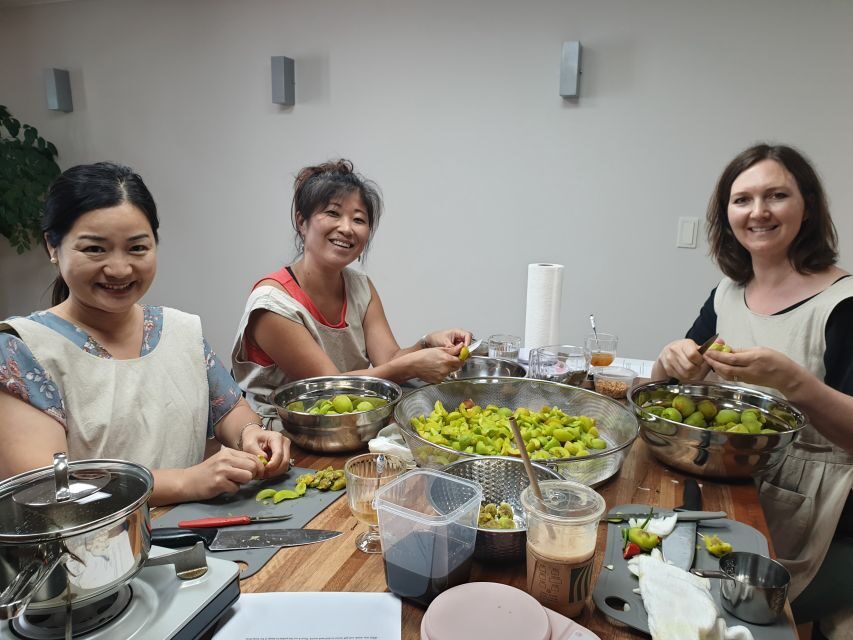
The meeting point is in an apartment building: Flat #2406, Hoabin Busan Haeundae, 37 Marine city 3-ro, U 1(il)-dong, Haeundae, Busan, South Korea.
Here are the two easiest ways to reach it based on the provided directions:
- By subway: Dongbaek Station (Line 2, Green), Exit No1, about a 10-minute walk.
- By bus: Daewoo Marina APT Stop (about 7 minutes walk) or Dongbaek Stop (about 15 minutes walk, depending on which route you take).
This is the kind of place where arriving 10–15 minutes early helps. Apartment addresses can be quick to find once you know where to enter, and you don’t want to rush while everyone else is already settling in.
The Real Flow of the Class: Drink, Sauce, Cook, Eat
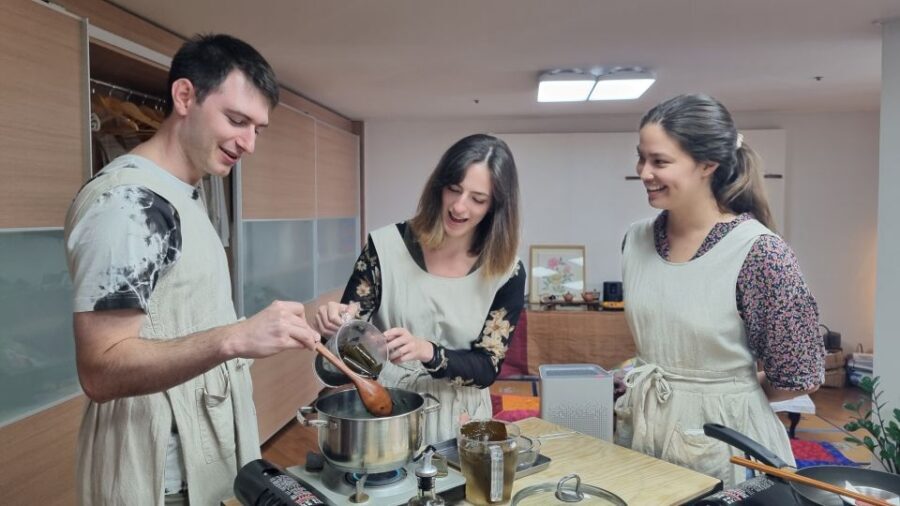
The structure is straightforward, and that’s what makes it work in a 3-hour format.
First, you arrive for a welcome drink. Then the chef goes over ingredients and you’ll do a tasting of Korean sauces. That matters more than it sounds. If you taste first, you learn what you’re building toward when you cook.
After that comes the hands-on phase. You’ll follow easy instructions while you prepare your dishes, using the provided utensils and apron. The end of cooking doesn’t mean you’re finished; instead, you move into the meal portion—putting your food on Bapsang and eating what you made.
Finally, you’ll enjoy tea and Korean dessert. It’s a clean, satisfying finish that turns the class into an actual meal experience, not just a cooking lesson.
Cooking at Bapsang: Why the Table Setup Changes Everything
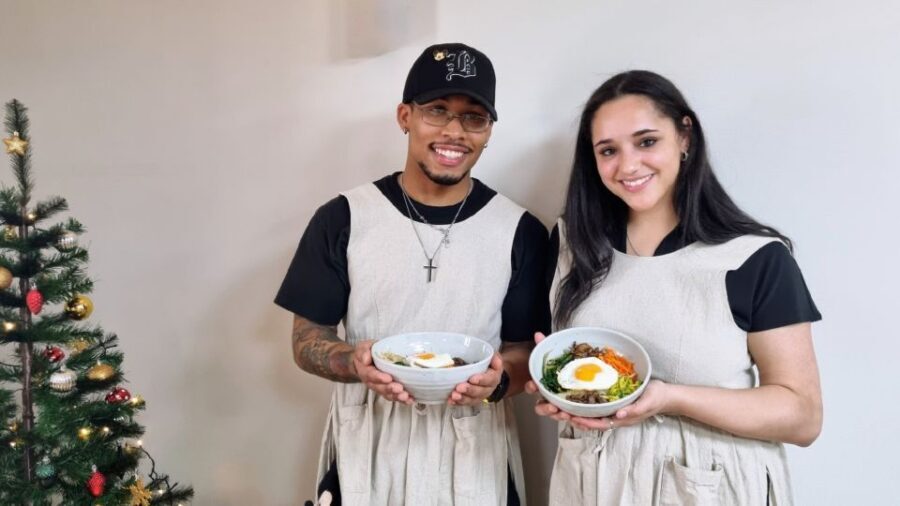
Bapsang is a traditional personal dining table, and this class leans into the idea that you eat Korean food the Korean way. Instead of a casual “group table,” you’ll place your meal on your own Bapsang setup and take time with it.
For you, that means two practical things:
- You taste what you built, while the food is still warm and your choices still feel clear.
- You get a more realistic sense of portioning and plating, because you’re responsible for the assembly.
It also makes the class feel less like a workshop and more like a meal at home. That can be a relief if you’re traveling solo or if you just want an activity that ends with something you can actually enjoy, right there.
A few more Busan tours and experiences worth a look


What You’ll Make: Bibimbap (and Possible Extras)
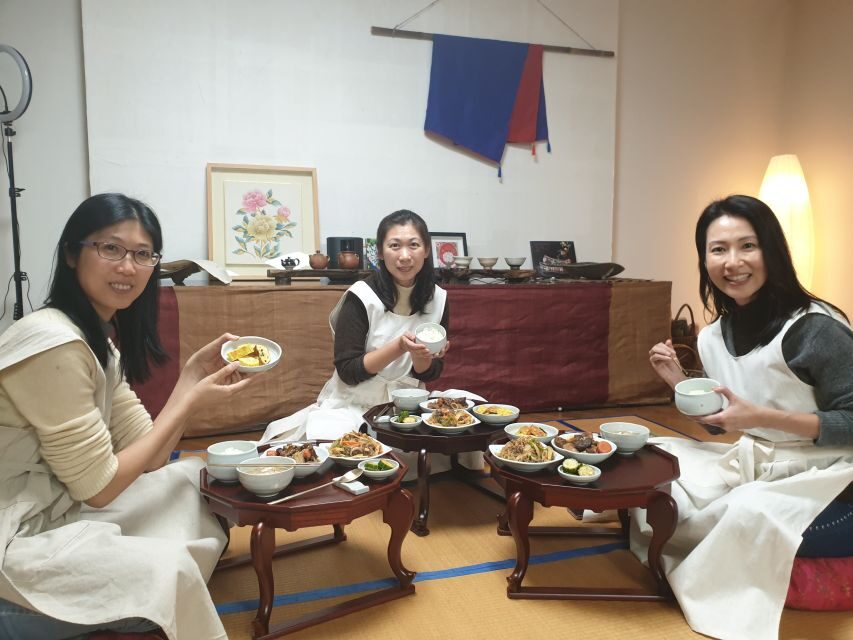
The headline dish is bibimbap, a rice bowl topped with vegetables and often meat, mixed with sauce. Expect to work through the core components: cooking and assembling the rice base, preparing toppings, and combining flavors at the right moment.
Based on the kinds of dishes described in past sessions, you may also get step-by-step instruction for additional Korean home foods such as:
- Miyeok Guk (seaweed and beef soup)
- Buchu Jeon (a vegetable fritter)
You should think of bibimbap as the anchor. Any additional dish content is likely to vary by session timing and what the class is teaching that day.
The Sauce Tasting Moment You’ll Actually Remember
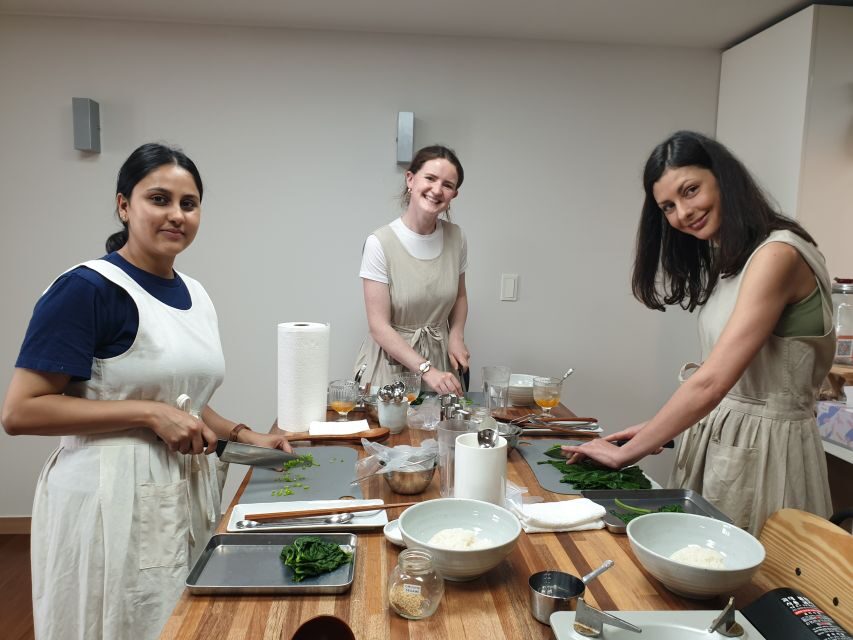
Korean cooking is heavy on balance—sweet, salty, sour, and heat—so the sauce tasting early in the class is a smart teaching move. When you taste sauces before you cook, you can connect what you smell and taste to what you later assemble into your bowl.
This is also where your “future cooking” skills start. Bibimbap isn’t just a recipe; it’s a method. Once you learn how the sauces behave and how they pair with vegetables and rice, you can adjust at home without guessing.
If you’re the type who likes to understand the why, this class style fits you well. It isn’t just chop and follow. It’s taste, learn, then cook.
Tea and Dessert: A Soft Landing After the Cooking
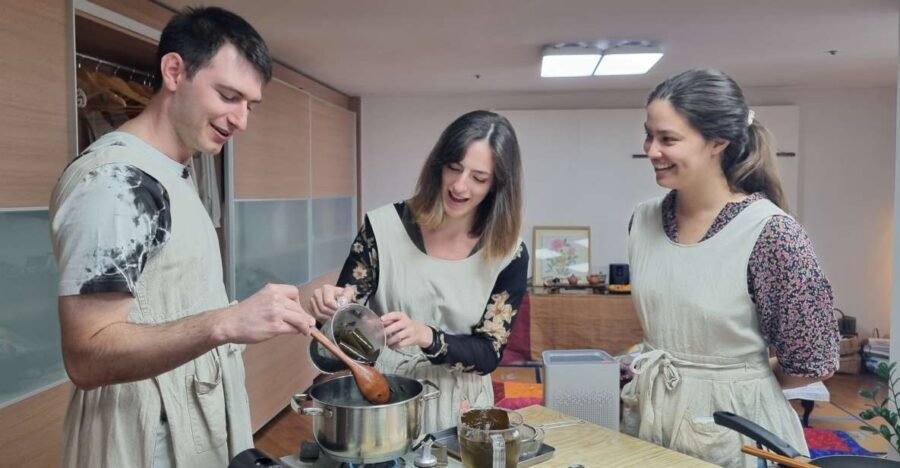
After you’ve eaten your own meal at Bapsang, you’ll finish with Korean tea and dessert. Even if you’re not a big dessert person, the tea part is useful: it helps reset your palate after spicy or savory flavors.
This is also a nice cultural touch. Korean meals often end with a warm drink or a sweet bite, and you get that rhythm in the same experience, instead of having to find it later.
And yes, it’s included. That keeps the final cost from creeping up after the class ends.
Instructor Style: Clear Steps, Helpful Explanations
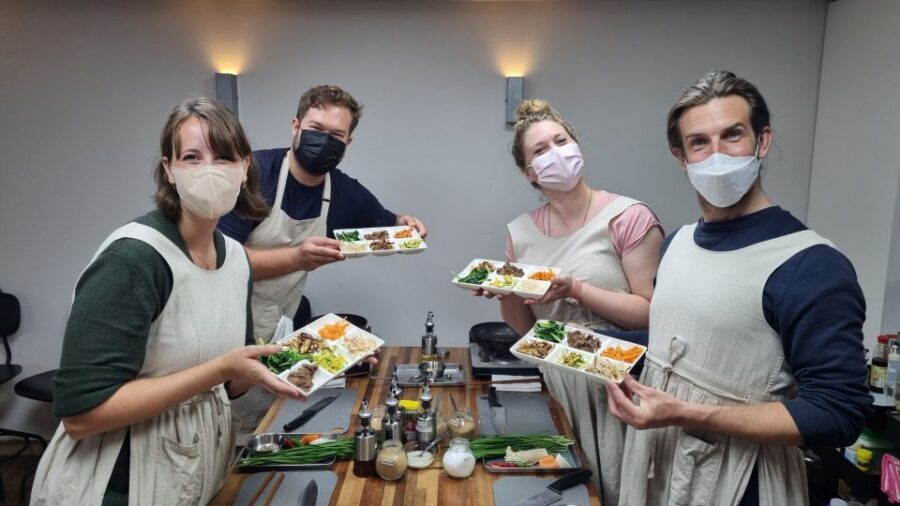
The instruction is offered in English and Korean, which is a big win in Korea if you don’t read Korean cooking terms. Many sessions are led by a local instructor described as either Min or Kim, and the consistent theme in how classes are taught is clear, step-by-step guidance.
The practical payoff for you:
- You’ll know what each ingredient is doing.
- You’ll get guidance during assembly, when mistakes are easiest to fix.
- You’ll leave with recipes to repeat the process later.
If you’re coming with a friend, the small group also makes the experience feel social without turning into a chaotic group class.
Vegan-Friendly? Plan It Early
If you need a vegan meal, you have to notify the organizer at the time of booking or at least 24 hours in advance. That’s important because the class is about using fresh ingredients, and substitutions need time to prep correctly.
If you don’t give advance notice, you might still participate, but you shouldn’t expect guaranteed vegan swaps on short notice. For peace of mind, message early and clearly explain your dietary needs.
Who Should Book This Class (and Who Might Skip It)
This cooking class is a great fit if you want:
- A hands-on food experience in Busan without hunting for ingredients afterward
- A dish you can repeat at home, starting with bibimbap
- A smaller, calmer group setting near Haeundae Beach
- An activity that ends with a real meal, plus tea and dessert
You might consider skipping if:
- You strongly prefer a food tour format where someone else does all the cooking
- You hate arriving at apartment addresses without pickup
- You’re looking for a super long deep learning session (this is 3 hours, not all day)
Should You Book Korean Cooking Class BAPSANG in Busan?
If your goal is to understand Korean flavors through actual cooking, I’d book it. The price makes sense because the class includes ingredients, utensils, a full meal, tea, dessert, recipes, and a souvenir like a certificate and surprise gift. You’re paying for a complete cycle: learn → cook → eat → take notes home.
The biggest reason to say yes is the combo of bibimbap assembly plus Bapsang dining. It turns a recipe into a lived experience. And if you’re in Haeundae anyway, it’s an easy match to your broader Busan plans.
My only “don’t do it last-minute” warning: plan your arrival, and if you need vegan options, contact them at least 24 hours in advance.
FAQ
How long is the cooking class?
The class lasts 3 hours.
How many people are in the group?
It’s a small group with a maximum of 10 participants (limited to 9 participants is also stated), so you’ll have more attention than a big cooking workshop.
What language is the instruction in?
The instructor teaches in English and Korean.
Do I get pickup or drop-off?
No. Pickup and drop-off are not included, so you’ll need to get to the meeting point on your own.
What food do I cook and eat?
You’ll cook bibimbap and eat your self-prepared meal. The experience also includes tea and Korean dessert.
Is the class vegan-friendly?
If you want a vegan meal, you need to request it at booking or contact them at least 24 hours in advance.
What is included in the price?
Included: ingredients, utensils and an apron, the meal (including dessert), water, recipes to take home, plus a certificate and a surprise gift.