REVIEW · SEOUL
Korean Folk Village and Suwon Hwaseong Fortress Day Tour(EG Tour)
Book on Viator →Operated by TOURSTORY · Bookable on Viator
A day-trip mix of old-school Korea and fortress drama. This tour pairs Korean Folk Village culture shows with Suwon Hwaseong Fortress UNESCO wall-walking, plus a traditional market stop. It also runs with round-trip pickup from Seoul, so your job is mostly to show up, wear comfy shoes, and follow the plan.
What I like most is the variety packed into a long day: live performances at the village, then a real sense of scale on the fortress walls. I also love that English & Chinese-speaking staff are built in, and the guide approach can make the big story of Joseon-era Korea click fast.
One thing to think about: the schedule is a full 10 to 11 hours, so if you want lots of slow wandering at each place, you may feel a bit rushed—especially at the fortress.
In This Review
- Key things worth knowing before you go
- Korean Folk Village: More than houses, with performances that keep it moving
- The fortress that makes Suwon feel real: Walking Hwaseong’s walls
- Suwon Nammun Market: One hour to eat like you live here
- Guides and group size: Why the right host changes the whole day
- Price and what you’re actually paying for ($69.52)
- Who this tour fits best (and who should reconsider)
- If you book: how to make the day feel smooth
- Should you book Korean Folk Village and Suwon Hwaseong Fortress?
- FAQ
- How long is the Korean Folk Village and Suwon Hwaseong Fortress day tour?
- What’s included in the price?
- Are meals included?
- What stops are included on the itinerary?
- Is the tour ticket mobile?
- How big is the group?
- What happens if weather or traffic affects the plan?
Key things worth knowing before you go
- Live cultural performances at Korean Folk Village, including traditional music-style shows and cultural demos like hanbok dress-up that can be a highlight.
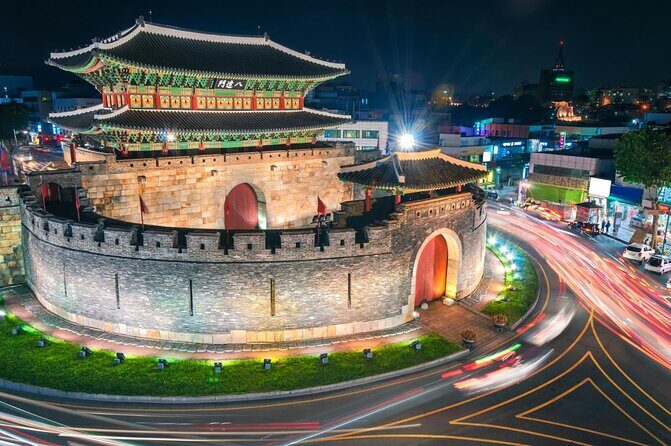
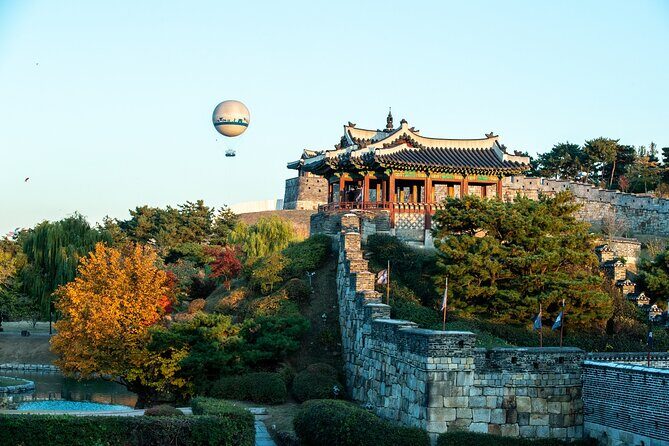
- Suwon Hwaseong Fortress is UNESCO and you’ll actually walk along the walls, gates, and watchtowers rather than just look from a distance.
- Time-boxed free exploration (including market time), so you get some independence without losing the group.
- Small-ish group size (up to 43) helps the day stay organized on busy routes.
- Weather can change the vibe: the tour notes itinerary can be affected by weather, and rain has reportedly shifted what happens around shows.
Korean Folk Village: More than houses, with performances that keep it moving
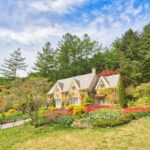
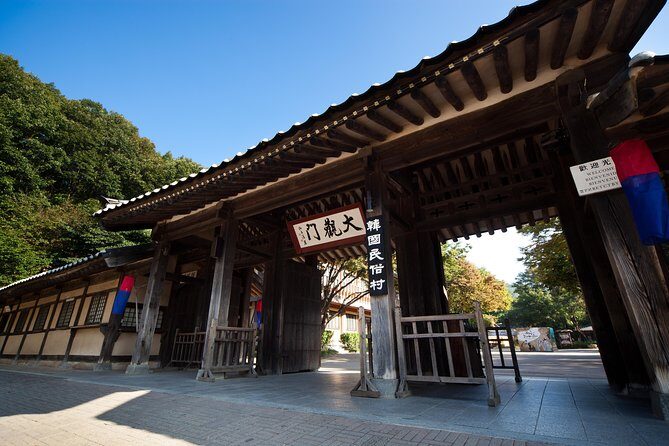
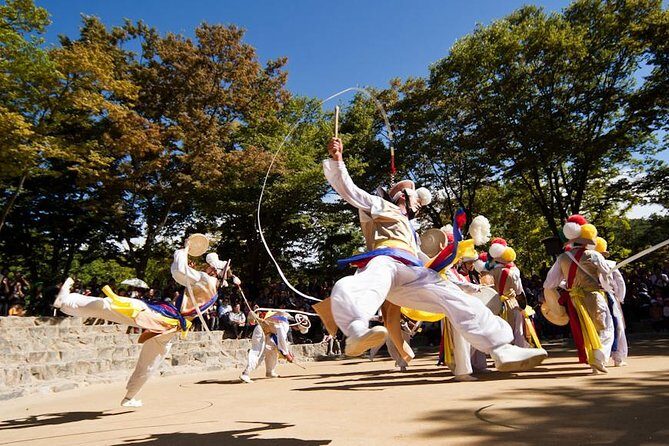
Korean Folk Village is built around how people lived and celebrated across the late Joseon period. You can expect more than just photo spots. The park-style layout gives you cultural classes and demonstrations, including topics tied to shaman faith and seasonal customs. In other words, it’s about everyday life and traditions, not only pretty architecture.
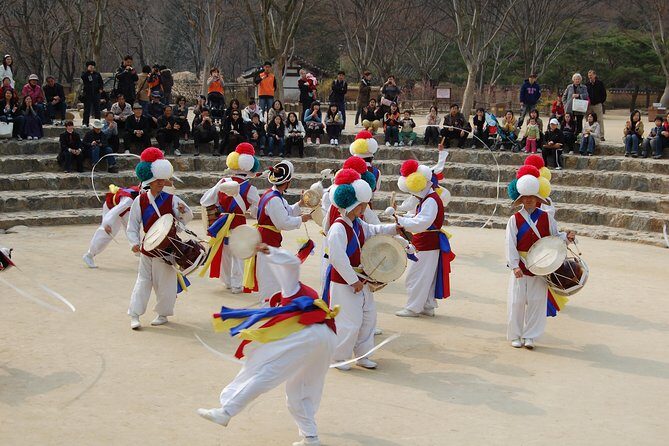
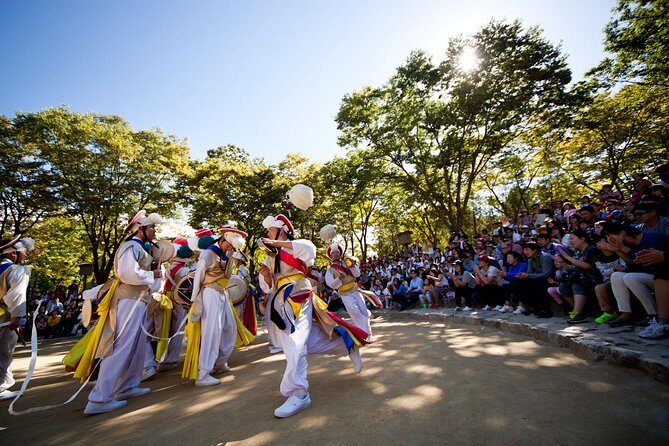
What makes this stop work well for a mixed group is the show rhythm. Live performances happen on-site, so you’re not stuck in one long museum-style room. Based on guide stories you’ll likely hear on the day, you may see elements like horseback martial arts-style performances and traditional wedding ceremony moments. One of the most-liked extras is the chance to dress in hanbok at a cultural center, paired with traditional music-style programming. Even if you skip the dress-up, it adds energy and a visual anchor for what you’re learning.
Now, a practical note: the folk village is not the same thing as a village where people still live their daily lives. Some visitors treat it like a themed experience, with shops and restaurants inside the grounds. If you’re hoping to find quiet authenticity only, you might feel the edges. But if you want a guided day that makes traditional Korea understandable—without needing extra planning—that trade-off can be worth it.
How much time you’ll actually feel there: the stop is about 3 hours with admission included. That’s long enough to watch shows and still walk around, but it won’t feel like you can master every corner. If you’re traveling with kids (or adults who get impatient in crowds), the performance beats are a big plus.
My tip: If you’re in a group with different energy levels, use the performance schedule to pull everyone in. It’s easier than trying to negotiate everyone’s pace in a large complex.
You can also read our reviews of more tours and experiences in Seoul.
The fortress that makes Suwon feel real: Walking Hwaseong’s walls
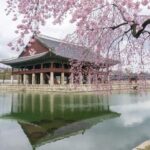
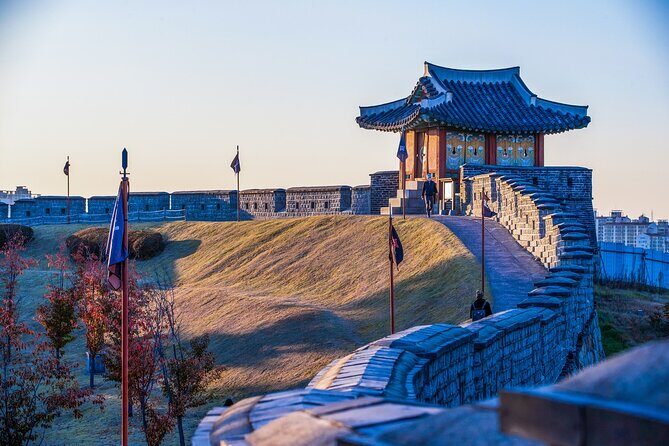
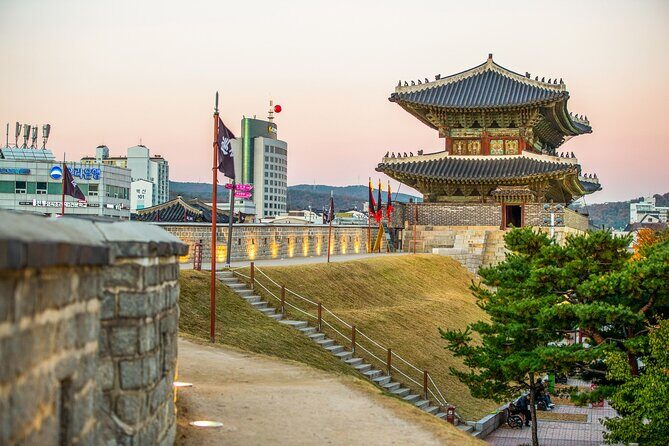
After the village, the day pivots to Suwon Hwaseong Fortress, a UNESCO World Heritage site built in the late 18th century under King Jeongjo. You’re not just looking at a landmark—you’re walking it. The fortress walls stretch to almost 6 kilometers, and the tour plan focuses on the parts tourists remember: gates, watchtowers, and stretches of wall you can experience step-by-step.
This is the stop where the guide really matters. When the stories click, the fortress becomes more than stones and stairs. Guides often connect the fortress layout to the political and defensive thinking of the time, and they’ll point out details you might miss on your own. You’ll hear different styles of guiding depending on who you get, and some guides like Joon Chang, Cecilia, Jonathan, and Stella are repeatedly praised for storytelling and clarity.
What’s great about this stop
- Scale you can feel: walking the wall segments makes the place sink in.
- Varied viewing points: gates and watchtowers give you natural breaks for photos and short rest moments.
- UNESCO context: the site’s status matters here, because it explains why this isn’t just a “nice wall” stop.
What to watch for
Some people felt the fortress time felt rushed, like they only touched a small portion of the area. That’s partly why the tour format matters: you’re moving efficiently between key sections. If you’re a “stand and linger” person, you’ll want to plan for quicker stops or be ready to return later for a longer independent walk.
Also, expect conditions to matter. Rain has reportedly caused changes to fortress-related elements on some days, and heat is a real factor too. One of the best practical comments from past days was the strategy of taking refuge in buildings along the stream area when temperatures spike.
My tips for comfort
- Wear shoes you can walk in for an hour-ish wall time without thinking about it.
- Bring water and something for sun or rain. Even if you pack light, plan for Korean weather swings.
- If it’s hot, pace yourself. Don’t race the group on the wall—save your legs for the next gate section.
Suwon Nammun Market: One hour to eat like you live here
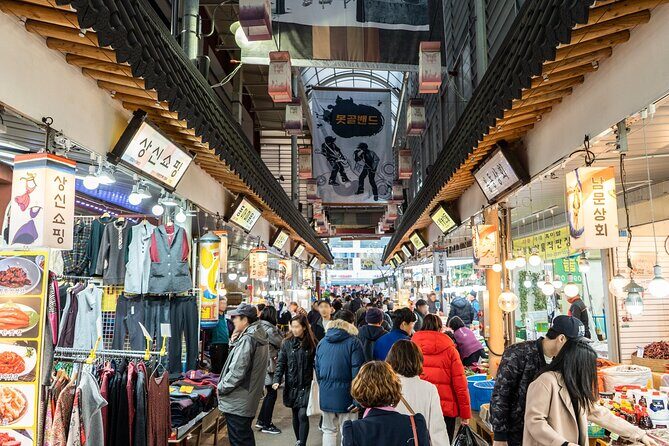
The last stop is Suwon Nammun Market, with free time and no admission charge. It has a Joseon Dynasty history and is described as one of the largest and oldest markets in Korea. For many people, this is where the day turns practical and tasty: you go from “learn and look” to “snack and wander.”
With only about 1 hour here, you won’t cover the entire market in depth, but you’ll get the best pattern: grab a few iconic bites, check out stall life, and return to the group calmly. One of the most helpful on-the-ground insights from past participants is that the market is a reliable place to try classics like hotteok and spicy fishcake, plus local street snacks like sausage and sweet rice drinks.
Why this stop is valuable
Markets are where you see how daily life continues around major landmarks. It also gives you a pressure-free break from history mode. Even if you’re not a big shopper, the food part is easy. If you do like souvenirs, you can also pick up small items without spending a lot of time hunting.
A small caution: because the day already runs long, market time can feel “tight” if you want to sit down and eat slowly. If you want a longer meal, treat this hour as tastings, then plan a real dinner back in Seoul.
Guides and group size: Why the right host changes the whole day
This tour caps at 43 travelers, which is big enough to run smoothly but small enough that the day usually feels structured rather than chaotic. The bigger difference, though, is the guide. The tour includes English & Chinese-speaking staff, and guide quality shows up in the reviews through real names: Joon Chang, Cecilia, Gina, Julie, Jonathan, Laura, and Stella (and others). The common thread is that strong guides use stories to connect the places so you don’t end the day with separate memories that don’t connect.
If you get a guide like Joon Chang or Cecilia, you may hear Joseon-era explanations tied to popular Korean drama storylines—helpful if you recognize names and eras but want the real timeline. If your guide is more hands-on with pacing and group management, you’ll likely find the day runs with fewer stresses, even when weather isn’t perfect.
My advice on getting the best value from the day
- Ask a question at the start of each stop. Even one question can make the rest of the visit click.
- Take notes on the fortress or Joseon details you hear, because the walk can blur details if you don’t anchor them.
- Use your free market hour on what you’re most excited to eat, not on what looks fastest.
Price and what you’re actually paying for ($69.52)
At $69.52 per person, this isn’t a “cheap” add-on, but it’s also not an all-day luxury package. The value comes from three practical inclusions: round-trip transportation, entrance fees, and bilingual staff.
Let’s translate that into real decision math for you:
- If you had to arrange your own transport plus entry tickets to both major sites, you’d likely spend time and money before you even start sightseeing.
- The bilingual guide component is especially helpful because both Korean Folk Village and the fortress have enough context to make your visit much more meaningful.
- The itinerary is long (10 to 11 hours), so you’re paying for someone else to handle scheduling and the movement between Seoul and Suwon.
What’s not included is also important: meals aren’t included, so plan for snacks and at least one meal stop on your own. And like most day trips, personal expenses will add up if you shop heavily at the folk village theme-style areas or choose extra food in the market.
Who should seriously consider this price
- Families or friend groups who want one plan that works for different interests.
- First-time visitors who don’t want the hassle of building a Suwon day from scratch.
- People who enjoy live cultural shows and guided storytelling more than solo wandering.



Who this tour fits best (and who should reconsider)
This is a good fit if you want a structured cultural day with clear anchors: folk traditions, then fortress walls, then a market. Reviews also suggest it works well across age ranges, but there’s one key caution: younger kids may find a longer guided day hard, especially if they struggle with staying seated for audio or listening parts of the tour.
I’d particularly recommend it for:
- Families with older kids who can handle a long day and walking
- Groups of friends who can’t pick between history and food
- Anyone who wants a “big picture” day in Suwon without planning every detail
You might reconsider if:
- You prefer slow, independent travel and dislike tight timing
- You’re very picky about authenticity and want living villages rather than reconstructed park experiences
- You hate long bus rides with limited flexibility (this is a 10 to 11 hour commitment)
If you book: how to make the day feel smooth
Here’s how to make this kind of day tour feel easier from the start.
- Dress for walking and weather. Fortress segments mean stairs and uneven steps, and rain can change show schedules.
- Plan your snack strategy. Meals aren’t included, so keep energy up before each stop. The market can cover you for light eating.
- Use guide moments. When a guide points out details on walls, gates, and watchtowers, it’s the stuff you’ll miss if you just take photos.
- Be early at the pickup points. A common practical issue on long tours is waiting for late arrivals, which can affect the first show timing.
If you do these things, the schedule stops feeling like pressure and starts feeling like momentum.
Should you book Korean Folk Village and Suwon Hwaseong Fortress?
Yes, I’d book it if you want a one-day Suwon cultural highlight that combines live performances, UNESCO fortress wall walking, and a real market finish without needing to plan transport. The strongest reason to go is the way the day is structured: each stop has its own “hook,” so the time doesn’t drag.
The best way to decide is to match your expectations:
- If you like guided context and you’re okay with a planned route, this is a strong value at $69.52.
- If you want maximum independence and lots of unscheduled wandering, you may feel the timing is tight, especially around the fortress.
Bottom line: for most first-timers, this is an efficient, high-reward day trip that makes Suwon feel more than just a dot on the map.
FAQ
How long is the Korean Folk Village and Suwon Hwaseong Fortress day tour?
The tour runs about 10 to 11 hours.
What’s included in the price?
Transportation, an English & Chinese-speaking staff member, and entrance fees are included.
Are meals included?
No, meals aren’t included. You’ll need to budget for food on your own during the day.
What stops are included on the itinerary?
You’ll visit Korean Folk Village, then Suwon Hwaseong Fortress, and finish with Suwon Nammun Market.
Is the tour ticket mobile?
Yes, the tour features a mobile ticket.
How big is the group?
The tour has a maximum of 43 travelers.
What happens if weather or traffic affects the plan?
The itinerary can be subject to traffic & weather conditions, so timing and how the day flows may change.