REVIEW · SEOUL
Into DMZ: 2nd Tunnel, Hantangang & Scenic Wonders Tour from Seoul
Book on Viator →Operated by TOURSTORY · Bookable on Viator
Two layers of South Korea in one day. This Cheorwon DMZ tour turns the politics and military history of the peninsula into real places you can stand on, with scenic breaks along the way. I especially like the guided context that helps each stop make sense fast.
I also like the rhythm of scenery, then security sights, especially the 2nd Tunnel portion. Round-trip transport means you are not figuring out transit between locations around Cheorwon. One caution: the first information area can feel light on English help, so plan to rely on your guide when signage is limited.
In This Review
- Key Points You’ll Care About
- A Long Day Trip From Seoul: What the Timing Feels Like
- Getting Into the DMZ Area: Passport Checks and Rules That Matter
- Stop 1 at Goseokjeong Pavilion: Cheorwon’s Scenic Launch Point
- Stop 2 at Hantangang Jusangjeolli-gil: UNESCO River Views and the Milky Way Bridge
- Stop 3 Inside the 2nd Tunnel: Granite, Depth, and a Discovery Story
- Cheorwon Peace Observatory: Panoramic DMZ Views You Can Actually See
- Woljeongri Station (Iron Triangle Battlefield): The Partition Line Moment
- Korean Workers’ Party Headquarters: What a 1946 Building Represents
- Cheorwon History and Culture Park: War Relics and How the Past Stays Visible
- Price and Value: What $72.38 Really Buys You
- Who Should Book This Cheorwon DMZ Tour (and Who Might Not)
- Should You Book Into DMZ: 2nd Tunnel, Hantangang & Scenic Wonders Tour?
- FAQ
- How long is the Into DMZ: 2nd Tunnel, Hantangang & Scenic Wonders Tour?
- What’s the price per person?
- Is a passport required for this tour?
- What’s included in the tour cost?
- Are meals included?
- How many people are in a group at most?
Key Points You’ll Care About
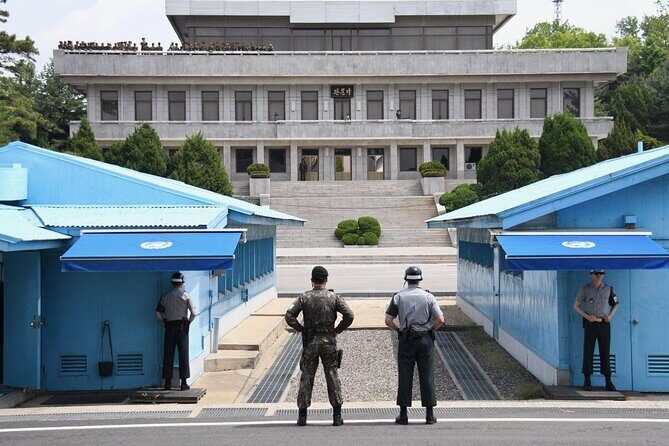
- Cheorwon-focused DMZ route: 2nd Tunnel, Peace Observatory, and Woljeong-ri Station are built into one long day
- Passport accuracy is non-negotiable: DMZ entry requires correct details matching your passport
- Scenery before security: Goseokjeong Pavilion and the UNESCO Hantangang River stop give you a breather
- The tunnel is real engineering: granite geology, 3.5 km length, and 50–160 m underground, now a security tourism site
- Guides can make or break it: English/Chinese guiding is central, and names like Cecelia and Jonathan have been praised for sensitive, detailed explanations
A Long Day Trip From Seoul: What the Timing Feels Like
This is a 13 to 14 hour outing, so treat it like a real commitment, not a quick excursion. You’ll start with a scenic Cheorwon viewpoint, then move into DMZ-area sites that require the right paperwork and patience. The payoff is that you see multiple angles of the peninsula’s division, not just one photo stop.
The tour is also built for people who do not want to navigate. You get round-trip transportation, and the day flows from place to place with a guide running the commentary. With a maximum group size of 43, it is not a tiny private tour, but it is still small enough that your guide can keep control and answer questions.
Because meals are not included, I suggest planning snacks or shopping time based on what your exact pickup and route timing ends up being. Expect long stretches where you will want water and something simple to munch.
You can also read our reviews of more tours and experiences in Seoul.
Getting Into the DMZ Area: Passport Checks and Rules That Matter
You do need a passport for entry to the DMZ area. More importantly, the information you provide must match your passport exactly. If your passport name, passport number, and date of birth do not line up with what the tour collects in advance, you could be denied entry to the DMZ area.
The tour also asks for specific data per person when you apply: nationality, passport name, passport number (with gender listed in brackets), and date of birth. That is not busywork. It is the key step that lets the group pass security smoothly.
One more reality check: the tour can be canceled due to security reasons. That is rare, but it is part of how DMZ access works. If your schedule is tight, keep a bit of buffer time around your tour day.
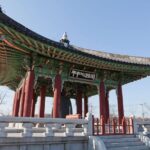
Stop 1 at Goseokjeong Pavilion: Cheorwon’s Scenic Launch Point
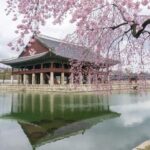
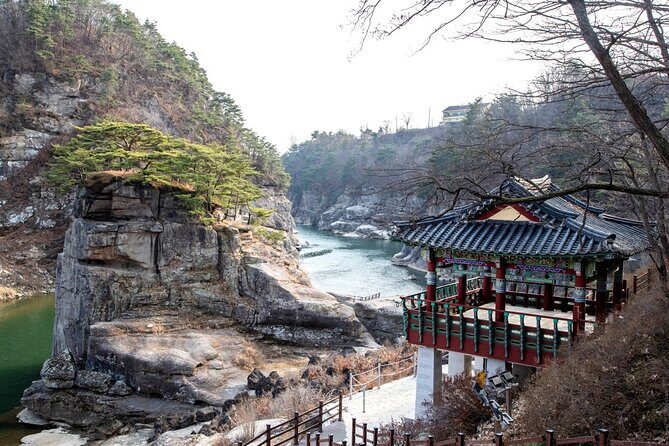
Goseokjeong Pavilion is one of the most scenic spots among Cheorwon’s eight scenic views, and it also kicks off the tour route. If you like an easy start, this is where you get it: you begin with a view-focused stop before the day shifts into military geography.
This location is also tied to the Iron Triangle Battlefield Conservation Office, which is why it functions as a practical starting point for DMZ tours. You’ll have about 2 hours 20 minutes here, so it is not a quick roadside glance.
Possible drawback: one of the early stops can disappoint if you’re expecting strong English translation at an information center. When the display language is limited, the guide’s narration becomes even more valuable. If you care about context, this is the moment to listen closely and ask questions while you still have time.
Stop 2 at Hantangang Jusangjeolli-gil: UNESCO River Views and the Milky Way Bridge
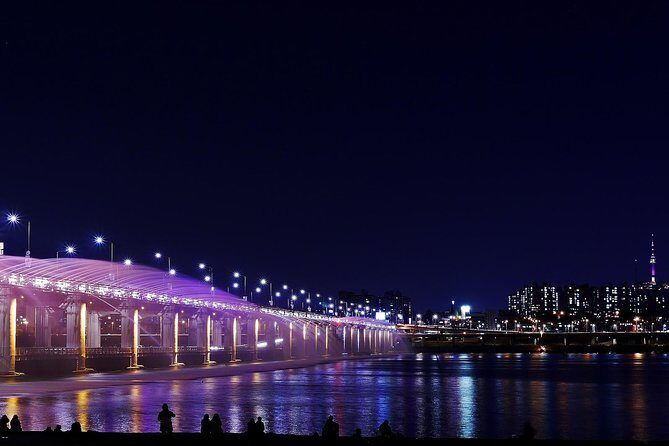
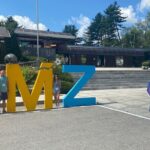
Before you head back into “hard history” mode, you’ll get a UNESCO Global Geopark experience along the Hantangang River. The stop at Hantangang Jusangjeolli-gil includes a visit to the Milky Way Bridge, which is designed to follow the natural path of the area.
The name is tied to the region and the idea of eunhasu, a term connected to the star path the bridge concept evokes. If you want a visual palate cleanser after security talk, this stop does that job well.
Timing is short enough to feel efficient—about 40 minutes—but it is enough time to slow down, look at the river setting, and take photos that are not just fences and concrete.
Free admission here also helps the value side of the equation, because it adds a nature and design moment at no extra cost.
Stop 3 Inside the 2nd Tunnel: Granite, Depth, and a Discovery Story
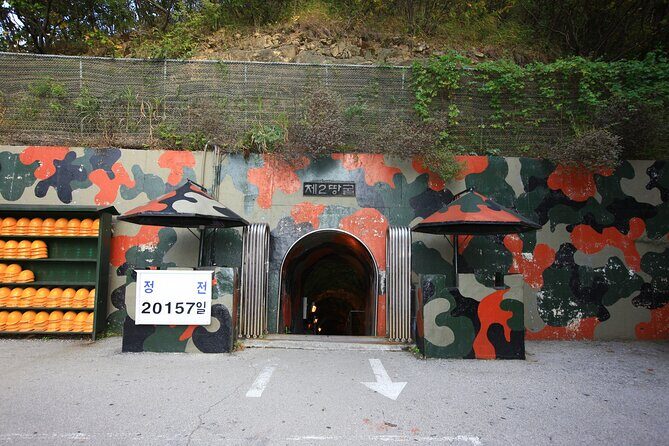
The 2nd Tunnel is the headline for a reason. It sits within the DMZ on the military demarcation line. The story behind it starts with Korean guards who, while on duty, heard explosion sounds underground. That triggered an investigation using advanced drilling equipment, and the tunnel was then discovered.
What I like is that this is not just a “walk through a hole.” The tunnel is carved through a robust granitic layer, it stretches about 3.5 km, and it sits between 50 m and 160 m underground. The physical scale matters because it gives you a real sense of how much engineering went into subterranean movement.
The site is now a security tourism site, so you are viewing it from an organized visitor perspective rather than just seeing an outdoor landmark. The time inside is about 30 minutes, which is long enough to absorb the key details without turning the day into an all-day tunnel crawl.
If you’ve done other DMZ tunnel stops before, this one can feel cooler and more comfortable than you might expect, and the overall route may feel less crowded for photos.


Cheorwon Peace Observatory: Panoramic DMZ Views You Can Actually See
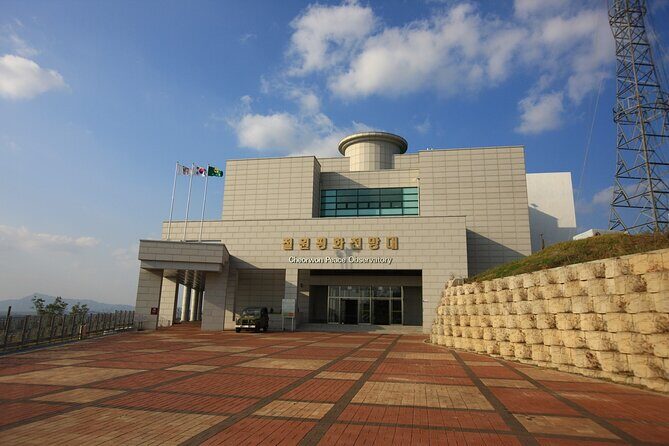
After the tunnel, you move into a classic DMZ viewing setup: the Cheorwon Peace Observatory. It offers a panoramic look at the DMZ from the central forward area of Cheorwon-gun in Gangwon-do.
This is where the day turns visual. If you want to understand the political reality of separation, you need a “from-here” perspective. The observatory gives you that vantage point in a way that road stops and roadside signs cannot.
The time here is about 1 hour. That is enough to take in the view, listen to the guide’s explanation, and then re-check your photos from different angles.
Free admission keeps this stop approachable, and it is a good place to ask your guide what specific features you are looking at, since the DMZ terrain can be hard to interpret on your own.
Woljeongri Station (Iron Triangle Battlefield): The Partition Line Moment
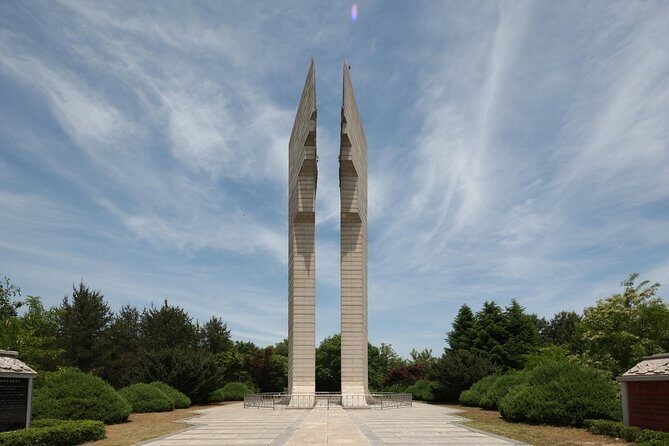
Woljeong-ri Station is the last stop before reaching the DMZ area. It’s located where fierce fighting occurred during the Korean War, which gives the place emotional weight even if you are just passing through on a bus schedule.
The station also has a symbolic function: the train marks the partition line of the Korean peninsula. That phrasing matters because it turns a transit point into a political boundary marker.
You’ll have about 1 hour here, which helps because this is often the moment when photos get more interesting. You also get time for your guide to put the site into a clear story arc, rather than having you move on the minute you arrive.
Free admission again keeps your day full without nickel-and-diming.
Korean Workers’ Party Headquarters: What a 1946 Building Represents
Next comes the Korean Workers’ Party Headquarters. This building is under the control of the Cheorwon-gun Office as part of the Security Tour Course, and it is a strong example of how architecture can carry memory.
The site is a three-story building constructed in 1946. It was used as the headquarters of the Labor Party until the break of the Korean War on June 25.
The time here is about 20 minutes. That can feel short, but for this kind of site, short is often appropriate. The value is in the guide’s framing: what it was used for, when it changed, and why these buildings still matter when you stand in front of them today.
Free admission helps you focus on the meaning rather than the logistics.
Cheorwon History and Culture Park: War Relics and How the Past Stays Visible
The last named stop is Cheorwon History and Culture Park, near the former North Korean administrative zone. This is where the day gets more museum-like and more interpretive.
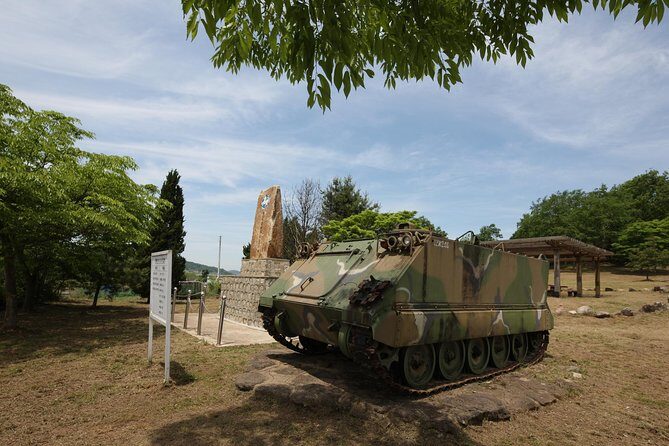
You’ll see exhibits such as war relics, photographs, and historical records. The park also includes restored structures, memorial monuments, and interactive displays designed to help you understand the division of Korea and the lasting impact of conflict on the region.
Timing is about 10 minutes. It is brief, but the exhibits are varied, so if you are photo-heavy, focus on the parts that help you tie the day together: how the war era is presented, and how the division continues to shape local memory.
This final stop is also a good moment to reset mentally. The DMZ is intense. The park lets you process it with context before you head back toward Seoul.
Price and Value: What $72.38 Really Buys You
At $72.38 per person, this tour is priced like a full-day “do the hard logistics for me” option. The big value points are that it includes round-trip transportation, an English/Chinese speaking guide, and admission fees for the sites on the route.
The second tunnel admission is included, which matters because that is usually the most “special access” part of any DMZ day. On top of that, the scenic and observatory stops also list free admission, so you are mostly paying for guide time, transport, and the DMZ access structure rather than stacking ticket costs.
Two things to factor into the value math:
- Meals are not included, so you will want to plan for that extra cost.
- The day is long, so comfy shoes and a realistic energy level matter.
If you want the DMZ experience but do not want to piece together transport, this is the kind of tour that makes sense for your time.
Who Should Book This Cheorwon DMZ Tour (and Who Might Not)
I’d steer you toward this tour if you care about military history and the current political reality of Korea. It is also a strong first-timer option because the route includes multiple kinds of stops: scenic, viewing, underground, transit-symbol, and museum-style interpretation.
It is also a good match if you want a guided narrative rather than a checklist of landmarks. The guide commentary is essential, especially in places where English support at information centers may be limited.
You might consider another option if you hate long days or if you want lots of free time to wander. The structure is fixed: you move between key points with set durations.
Should You Book Into DMZ: 2nd Tunnel, Hantangang & Scenic Wonders Tour?
If you want a complete Cheorwon DMZ day—tunnel plus observatory plus meaningful stops tied to the Korean War—this tour is a solid choice. The combination of history framing and practical transport makes it easier to get what you came for without wasting hours figuring routes.
My only strong caution is the passport rule: double-check that the details you submit match your passport exactly, and plan for a long day that includes DMZ access rules and limited meal support. If you bring patience and listen closely to your guide, you should leave with a clearer sense of how this region’s division shows up in real places, not just in stories.
FAQ
How long is the Into DMZ: 2nd Tunnel, Hantangang & Scenic Wonders Tour?
It runs about 13 to 14 hours.
What’s the price per person?
The price is $72.38 per person.
Is a passport required for this tour?
Yes. A passport is necessary to get into the DMZ area, and the information provided must match your passport details.
What’s included in the tour cost?
Included are round-trip transportation, an English/Chinese speaking guide, and admission fees.
Are meals included?
No meals are included.
How many people are in a group at most?
The tour has a maximum of 43 travelers.
![[Premium Private Tour] Mt Seorak & East Sea or Nami island from Seoul - Seoraksan National Park: Cable Car or a Scenic Valley Walk](https://8.koreaadventures.com/wp-content/uploads/premium-private-tour-mt-seorak-east-sea-or-nami-island-from-seoul.jpg)