REVIEW · SEOUL
Seoul: Deoksugung Palace Night Tour
Book on GetYourGuide →Operated by Korea Guide Tour · Bookable on GetYourGuide
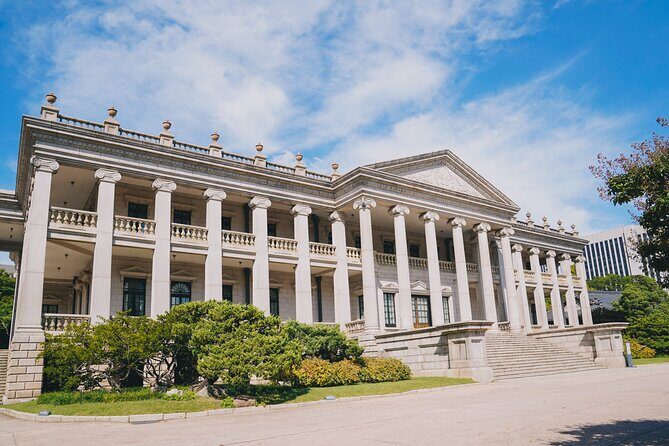
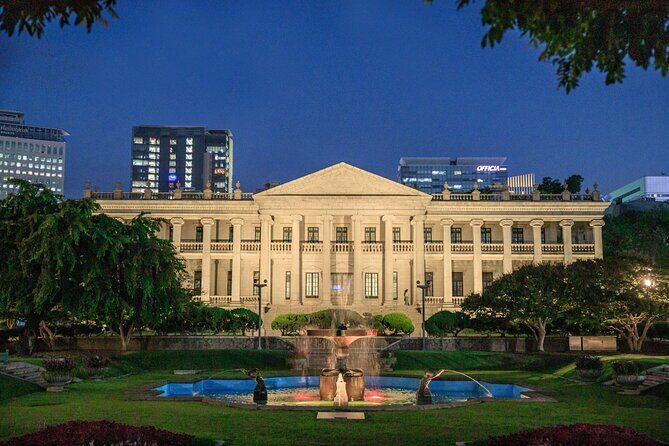
Night makes Deoksugung feel personal. This Deoksugung Palace night tour is interesting because you get a guided walk through royal spaces tied to the Daehan Empire and Emperor Gojong’s fight to regain sovereignty under Japanese Occupation, with stops like Junghwajeon and Seokeodang. I also love how the tour points out the Oriental-and-Western architecture blend as you move gate to hall. One watch-out: on weekends and holidays, reservations may not be confirmed.
You’ll meet your English guide at City Hall Station (Outside Exit 1), then enter through Daehanmun Gate and follow a clear route for about two hours. Even with a compact schedule, the stories connect the buildings to the turning points of modern Korean history, which makes the whole thing feel less like sightseeing and more like understanding.
In This Review
- Key highlights you won’t want to miss
- Why Deoksugung at night changes the whole experience
- Price and value: what $38 buys you
- Meeting point and how to set yourself up for an easy start
- Entering through Daehanmun Gate: the “start of the story”
- Junghwajeon throne hall: where authority becomes visible
- Seokeodang: King Gojong’s beloved building
- Hamnyeongjeon: the king’s bed chamber and the cost of rule
- Jungkwanheon Hall: the cafeteria where the emperor enjoyed coffee
- The Daehan Empire story under Japanese Colonialism: what the stops help you understand
- Free time after the guided part: use it wisely
- Comfort, pace, and who this tour suits best
- Guides and storytelling quality: why the experience feels accurate
- Should you book the Deoksugung Palace night tour?
- FAQ
- How long is the Deoksugung Palace night tour?
- Where do I meet the guide?
- Is the tour guided in English?
- What’s included in the price?
- Is the palace tour wheelchair accessible?
- What should I bring?
- What are the cancellation rules?
Key highlights you won’t want to miss
- Daehanmun Gate entry: start at the main gate before the story gets rolling inside.
- Junghwajeon throne hall focus: see the center of palace power, then get context for why it mattered.
- Seokeodang and Hamnyeongjeon stops: hear what made King Gojong’s favorite spaces feel different from the grand halls.
- Jungkwanheon Hall details: learn about the cafeteria-style hall where the emperor enjoyed coffee.
- City Hall Station meet-up: easy start point for a night plan without a long commute.
Why Deoksugung at night changes the whole experience
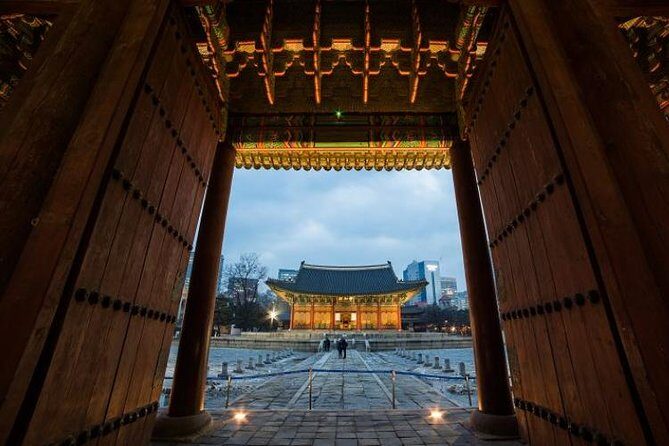
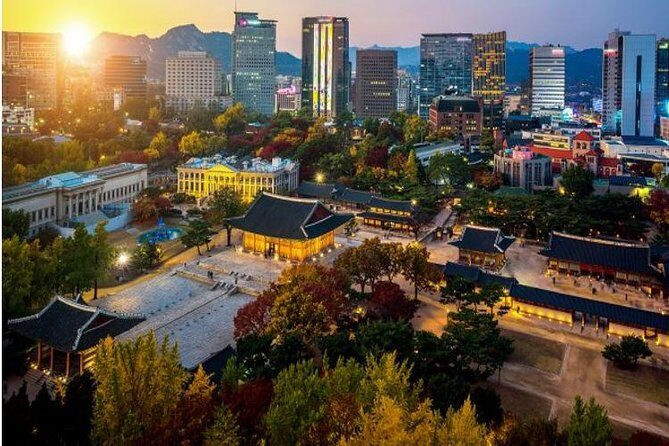
Daytime palace visits can feel like you’re scanning for photo angles and moving to the next spot. Night shifts the mood fast. At Deoksugung, the lighting and quiet pacing make it easier to slow down and actually notice the mix of styles around you—traditional palace forms meeting later Western influences.
I like that the tour is built around that contrast. You’re not just walking around dark courtyards; you’re walking through places that helped shape a tense era. When you learn what Emperor Gojong was trying to protect, the halls feel less decorative and more human. Even if you only have two hours, the night format helps your brain connect architecture to people.
And yes, there’s also a practical upside: it’s often a nicer time to be outside when Seoul is warmer. Bring comfortable shoes and expect some walking on palace grounds.
You can also read our reviews of more evening experiences in Seoul
Price and value: what $38 buys you
At $38 per person for a two-hour guided tour with an entrance fee included, the value is pretty straightforward: you’re paying for explanation, not just access. If you go DIY, you’ll still pay to enter areas of the palace, but you’ll miss the “why” behind the stops—especially the parts tied to the Daehan Empire and the Japanese Colonial period.
This is also the kind of tour where a good guide pays off quickly. The route includes multiple key buildings—Daehanmun Gate, Junghwajeon, Seokeodang, Hamnyeongjeon, and Jungkwanheon Hall—so you get built-in context rather than trying to piece it together from signage.
Two extra details that affect value:
- The tour is offered in English, so you’re not paying for a translator-style experience.
- The pace is designed for a night walk, meaning you can still explore other parts of Seoul after.
Meeting point and how to set yourself up for an easy start
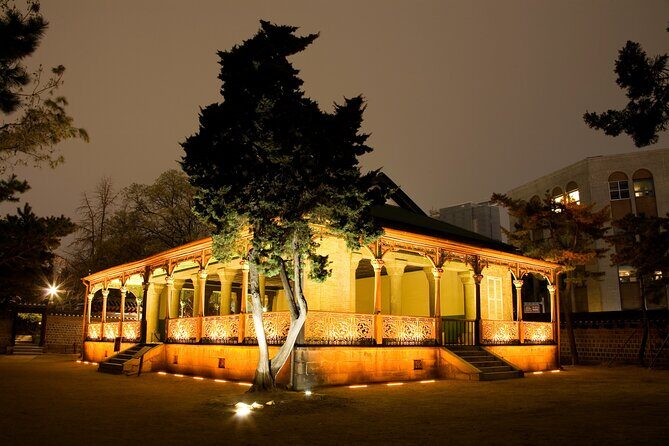
Plan to start at Outside Exit 1 of City Hall Station. From there, your guide takes you through the main gate: Daehanmun Gate. I’d recommend arriving a little early, not because it’s complicated, but because night timing can be unforgiving and you’ll want to get your bearings fast.
The tour lasts about two hours, so it’s not the right choice if you want long free time from the start. It is perfect if you want a focused guided walk now and optional roaming later.
What to bring is simple: comfortable shoes. Palace evenings can mean uneven stone, steps, and a bit of uneven footing around historic structures. Bring anything you need for night photos, like a charged phone/camera, but keep expectations realistic—lighting and angles can be different at night than during the day.
Entering through Daehanmun Gate: the “start of the story”
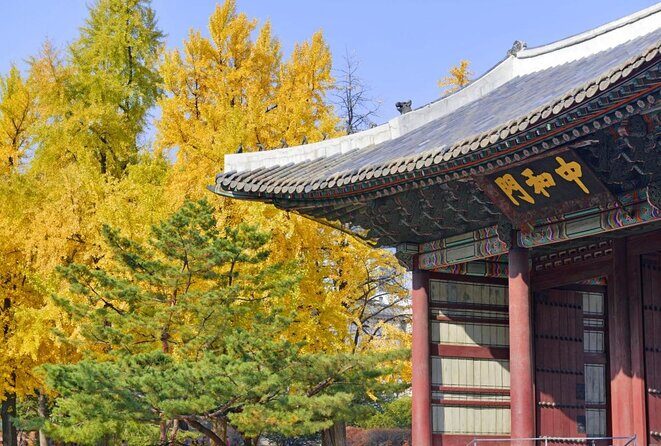
The tour begins at Daehanmun Gate, and that matters more than it sounds. Gates in Korean palaces aren’t random entrances. They frame movement from everyday space into royal space, and they help you understand hierarchy—who belonged where and why.
Once you cross that threshold, your guide moves you through the palace spaces that symbolize political power during a complicated era. The story thread here is the Daehan (Korean) Empire period and what happened when Emperor Gojong struggled to regain sovereignty over palace grounds under Japanese Occupation.
This is one of those tours where the guide’s wording changes what you see. You’ll stop at buildings and have history tied directly to them, so you’re not just reading facts—you’re building a map in your head.
Junghwajeon throne hall: where authority becomes visible
Next up is Junghwajeon, described as the main throne hall. This is the kind of place that makes you understand why palaces were built to impress. Even if you’ve seen palace halls elsewhere, the scale and layout help you picture ceremony and governance, not just architecture.
What I like is that the tour doesn’t treat Junghwajeon as a generic “big hall.” The guide connects it to the larger storyline of Emperor Gojong and the final and first imperial period of his reign. That context makes the hall feel like a “center of decisions,” not just a backdrop for pictures.
Practical tip for this stop: look up and around. The details at the edges and the way people typically stand in palace spaces can help you understand how ceremony worked. Your guide can point out what to watch for while you’re there, so you don’t need to guess.

Seokeodang: King Gojong’s beloved building
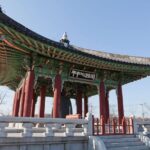
The route then includes Seokeodang, noted as the most beloved building of King Gojong. That phrase is a clue: this stop is likely to feel less about pageantry and more about personality and daily life inside royal settings.
When you hear that it was beloved, you start paying attention to tone. Even in historic palace spaces, not every hall is meant to feel equally imposing. Seokeodang is a reminder that power lives alongside preference—people used these places for more than public ritual.
If you care about how leaders actually lived, this is the stop that often clicks. It gives you a human scale to balance the grand halls like Junghwajeon.
Hamnyeongjeon: the king’s bed chamber and the cost of rule
After the throne hall and beloved building, you’ll visit Hamnyeongjeon, described as the king’s bed chamber. This part of the tour shifts the atmosphere again. A bed chamber isn’t where history usually looks cinematic. But it is where daily stakes feel close.
Why it’s powerful: when you pair this room with the story of Emperor Gojong under pressure, it changes your perspective. You’re no longer only thinking about political movements; you’re thinking about what it meant to sleep with uncertainty hovering over sovereignty.
This stop is also useful if you enjoy contrast in tours: the “big statements” of governance, then the quieter spaces where the body rests. That balance makes the night walk feel complete.
Jungkwanheon Hall: the cafeteria where the emperor enjoyed coffee
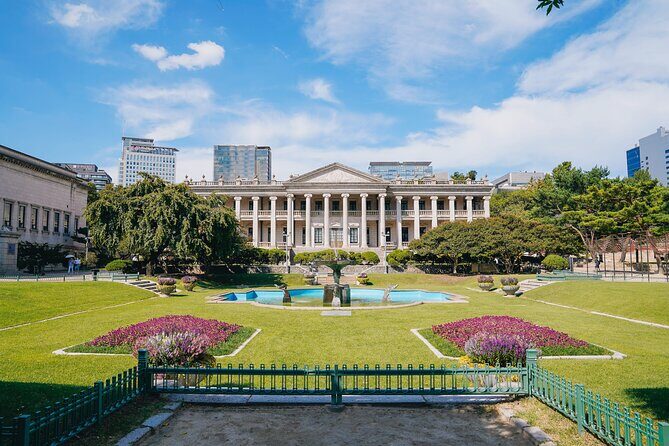
Then comes Jungkwanheon Hall, described as the cafeteria where the emperor enjoyed coffees. Yes, coffee. That single detail is a great example of how Deoksugung becomes more than a museum set.
This stop connects to the tour’s broader theme: the meeting point of Korean-style architecture and Western influence. You may see hints of that blend in design language and the idea of new comforts entering royal life.
I like that the guide includes this kind of specific detail. It’s harder to forget a hall when it’s tied to an everyday-like activity. Even though you’re in a palace built for ceremony, this is where history feels close to normal human routines.
The Daehan Empire story under Japanese Colonialism: what the stops help you understand
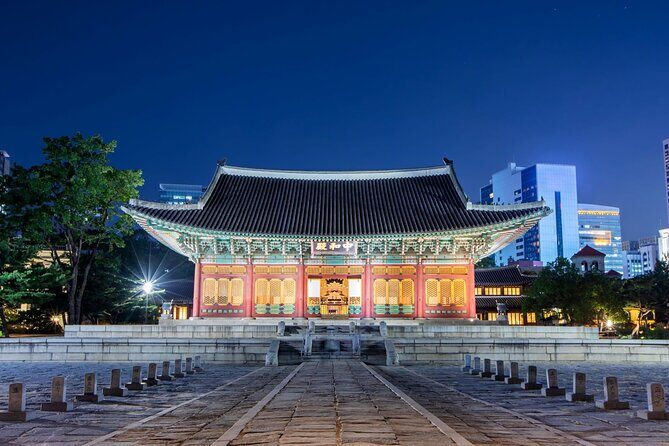
One of the most praised aspects of this tour is how clearly the story is told from stop to stop. The route is designed so you walk through the spaces that symbolize the sad but impactful narrative of the Daehan Empire under Japanese Colonialism, and the struggle for sovereignty around Emperor Gojong.
If you’re new to this era, don’t worry: the tour is structured around key palace locations, so your understanding grows step by step. You start at the main gate, move through power spaces, and then end up in rooms and halls that reveal personal life, daily comfort, and political pressure at the same time.
If you already know some Korean Empire history, you’ll still benefit. The palace grounds give you a physical anchor. Instead of reading chapter headings in a book, you connect names, reign phases, and political conflict to specific places.
Free time after the guided part: use it wisely
After the tour ends, you can stay behind and explore at your own pace. This is where you should do two things:
- Revisit the places you liked most during the walk and take photos without rushing.
- Walk slowly and look for the architectural mix your guide pointed out.
A two-hour guided experience is enough to get oriented. It’s not meant to replace your own “wandering time.” Use that extra freedom to confirm what you felt during the tour.
Comfort, pace, and who this tour suits best
This is a solid fit for:
- History-minded travelers who like context, not just landmarks.
- People who want a guided “orientation” to modern Korean history connected to palace spaces.
- Visitors who prefer a manageable night activity that doesn’t swallow their whole evening.
It may not be the best fit if:
- You want long, unhurried wandering from the start.
- You dislike tours that move through multiple buildings in a short window.
On group size, here’s a practical note: if the number of participants is under four, the tour will be canceled and you’ll get a notice via WhatsApp. That’s rare enough to plan with confidence, but it’s worth keeping in mind if you’re traveling around major holidays.
Guides and storytelling quality: why the experience feels accurate
The tour’s strongest pull is the live guide. English interpretation is provided, and the storytelling tends to be careful and patient. Names that have come up with high marks include Joy and Alan—both associated with clear, accurate explanations and a calm teaching style.
What that means for you: you’ll spend less time guessing, and more time understanding how each building connects to the broader Daehan Empire narrative. A tour like this lives or dies by explanation, and this one gets the big part right.
Should you book the Deoksugung Palace night tour?
If you want a night activity in Seoul that blends architecture, a focused palace route, and clear historical context tied to Emperor Gojong and the Daehan Empire under Japanese Occupation, this is a great pick. The $38 price feels fair because you’re paying for an English guide plus entrance, and the two-hour format gives you real momentum without exhausting your evening.
Book it if you:
- Like guided history with specific palace stops.
- Want to see Deoksugung differently than a daytime stroll.
- Appreciate detail, like what life inside the palace looked like and how Korean and Western influences overlapped.
Skip it if your schedule demands very flexible pacing or you’re only interested in outdoor views with minimal explanation. In that case, you might prefer a self-guided palace wander.
FAQ
How long is the Deoksugung Palace night tour?
The duration is about 2 hours.
Where do I meet the guide?
You meet outside Exit 1 of City Hall Station. The tour ends back at the same meeting point.
Is the tour guided in English?
Yes. It includes a live English-speaking guide.
What’s included in the price?
The price includes a local tour guide and an entrance fee.
Is the palace tour wheelchair accessible?
Yes, the activity is listed as wheelchair accessible.
What should I bring?
Wear comfortable shoes, since you’ll be walking during the visit.
What are the cancellation rules?
You can cancel up to 24 hours in advance for a full refund. If you no-show on the day of the tour, no refund is issued. Also note that reservations cannot be confirmed on weekends and holidays, and if fewer than 4 participants sign up, the tour will be canceled with notice sent via WhatsApp.