REVIEW · SEOGWIPO SI
Jeju Highlights Day Trip (East Course)
Book on GetYourGuide →Operated by Jeju rainbow Tour · Bookable on GetYourGuide
One morning, five iconic Jeju stops. I really like the hotel lobby pickup and drop-off, plus the professional guide who keeps the day moving with clear commentary. The one thing to plan around is that lunch and drinks aren’t included, so you’ll want to budget time and money for meals of your choice.
This is a private group tour up to 9 people, and it’s designed for people who want the big East Jeju hits without the hassle of driving or stitching together tickets. English and Chinese support are available, and the stops are packed but thoughtfully spaced so you’re not just rushing between photos.
In This Review
- Key things to know before you go
- Why this East Jeju route works so well in one day
- Hotel pickup and a private group pace (the real convenience factor)
- Saryeoni Forest Trail: cedar shade and UNESCO-level ecology
- Seongeup Folk Village: how Jeju life was built
- Seongsan Ilchulbong (Sunrise Peak): volcanic meaning behind the views
- Sunrise Land: seasonal flowers, lava caves, and pond scenery
- Haenyeo Museum: the culture behind the divers
- Price and value: what you’re really paying for at $360 per group
- What’s included (and what you should budget for)
- Guide quality: why Mr Kim and Jinhee keep showing up
- Who should book this East Jeju Day Trip
- Should you book this East Course tour?
- FAQ
- What’s the duration of the Jeju Highlights Day Trip (East Course)?
- How much does the tour cost?
- Is hotel pickup and drop-off included?
- Which attractions are included in the East course?
- Are entrance fees included?
- Are lunch and drinks included?
- What languages are available for the guide?
- What should I bring for the day?
- Is this tour wheelchair accessible?
- When is the pickup time?
- Is free cancellation available?
Key things to know before you go
- Hotel lobby pickup (around 8:00 AM) makes the day simple even if you don’t rent a car
- Entrance fees are included, so you can focus on the sights instead of ticket math
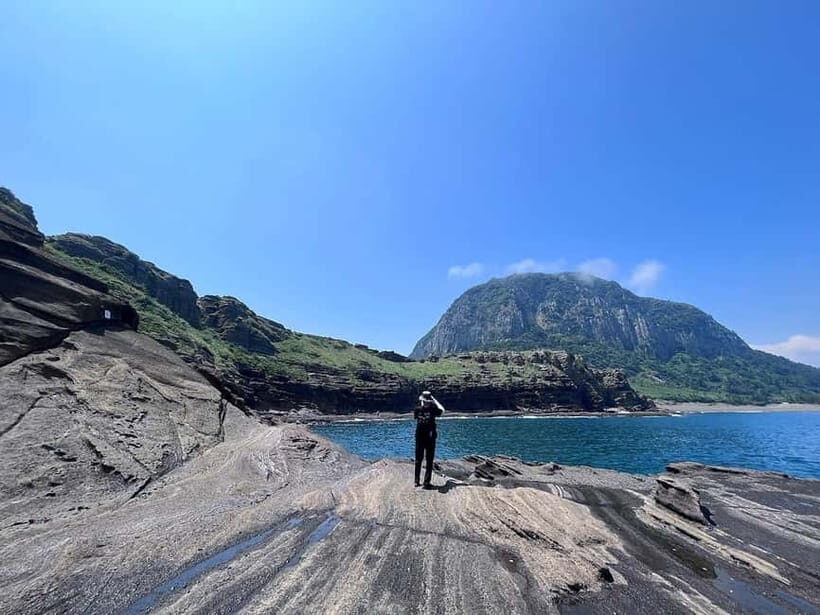
- UNESCO-grade variety in one route: forest ecology, folk culture, volcanic geology, botanical gardens, and haenyeo heritage
- Private group up to 9 means the guide can manage pace better than on big buses
- Comfortable shoes matter for forest trails and walking-heavy stops
- Lunch isn’t included, and your timing can affect how long you get at each place
Why this East Jeju route works so well in one day
East Jeju is one of those regions where the highlights are spread out enough that a DIY day can turn into a lot of driving and planning. This tour fixes that by bundling round-trip transportation and a set route that hits the island’s most recognizable East sights. You’re not just collecting landmarks; you’re seeing a sequence of Jeju themes: nature, village life, volcano history, and the culture of the haenyeo.
For $360 per group (up to 9), the value depends on your group size. If you’re traveling with family or a small group and you fill the spots, it can be a smart way to reduce per-person cost compared to private transport plus separate tickets. If it’s just you or two people, it’s still workable, just pricier per person—at that point, you’re mainly paying for convenience, guidance, and a pre-built plan.
A few more Seogwipo Si tours and experiences worth a look
Hotel pickup and a private group pace (the real convenience factor)
The day starts right at your hotel lobby, and the return drop-off ends the same way. There’s something relaxing about that: you don’t have to coordinate meet-up points, navigate unfamiliar roads, or wonder if you’re heading to the right entrance.
Pickup is tentatively set for 8:00 AM, so set a realistic expectation that you’ll be up and moving early. If you’re coming from a cruise port or you only have a short time window, this kind of timed structure can actually help you get your bearings fast and see more than you would on your own.
Because it’s a private group, you’re not stuck with the limitations of a massive group schedule. Even with a full route, the guide can manage small hiccups and questions. And since languages English and Chinese are available, you’ll get the kind of explanation that turns “I saw it” into “I understood what I was looking at.”
Saryeoni Forest Trail: cedar shade and UNESCO-level ecology
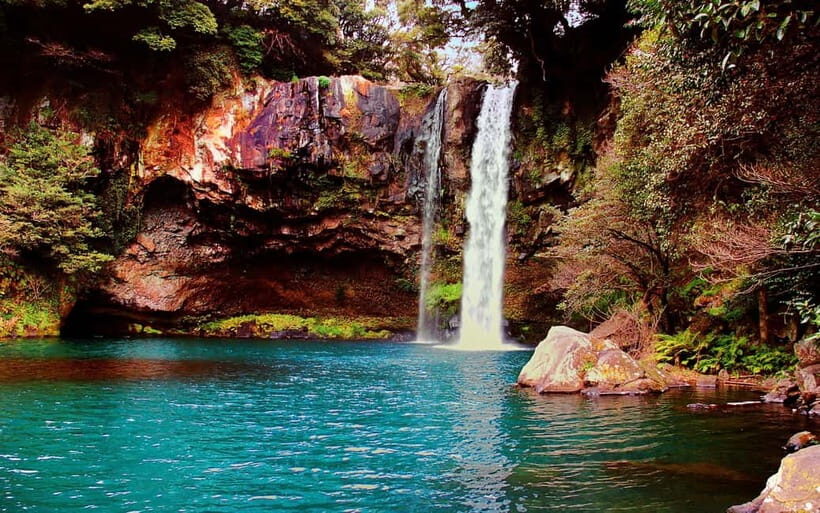
Your first nature stop, Saryeoni Forest Trail, is about a slow walk through a cedar forest known for its phytoncides. That word is basically a way of saying the forest gives off natural compounds you’d associate with a refreshing, outdoorsy feeling. In plain terms: it’s a break from roads and crowds, and it’s a chance to experience Jeju’s ecology as a living system, not just scenery.
This trail is part of Jeju’s UNESCO-designated ecological reserve, which matters because it changes how you think about the walk. You’re not just strolling for views; you’re moving through a protected environment with a specific purpose: keeping the ecosystem intact.
Practical tip: wear comfortable shoes you can trust on uneven paths. This isn’t an extreme hike, but it is still a trail, and your feet will be happier if you’re not in rigid or slippery footwear.
Seongeup Folk Village: how Jeju life was built
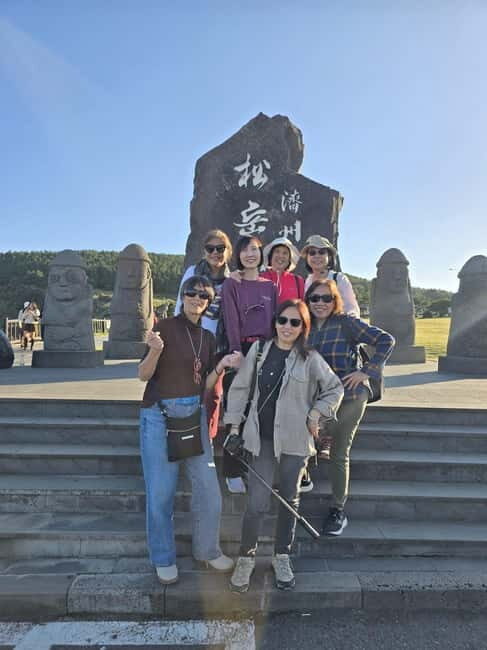
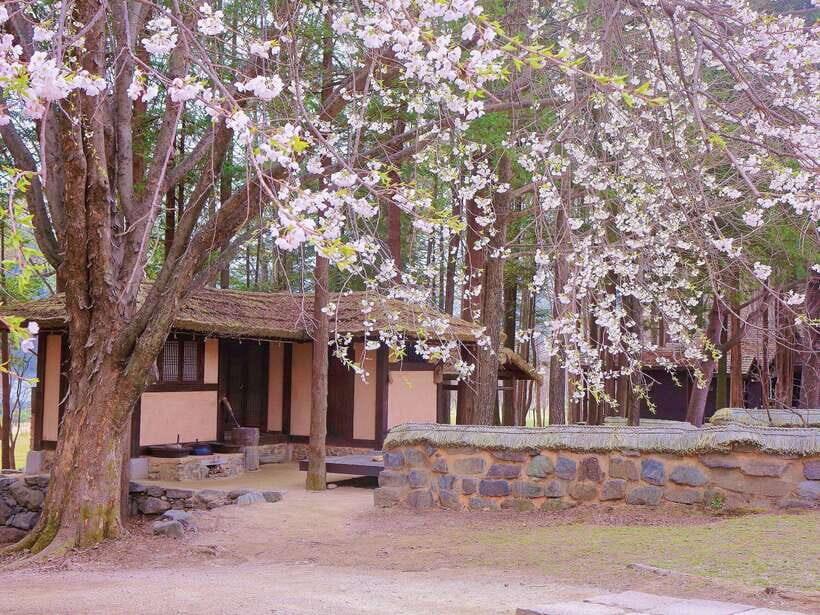
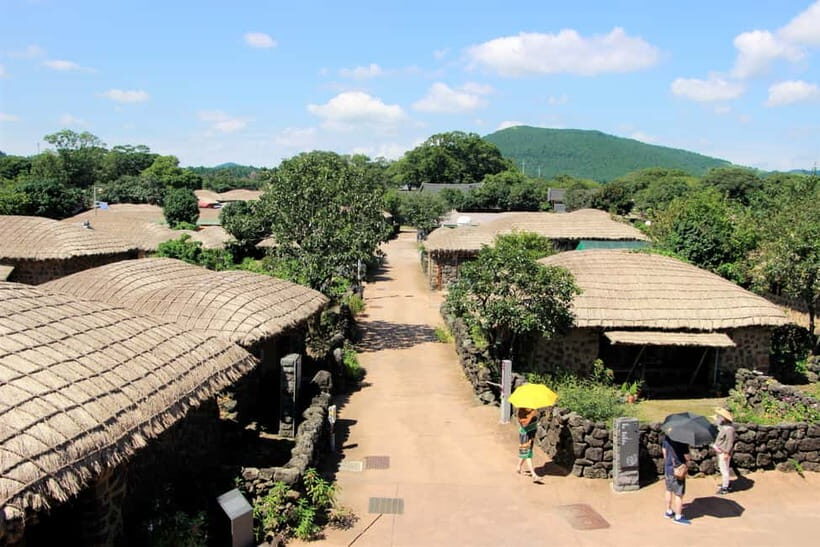
Next comes Seongeup Folk Village, where the focus shifts from forest ecology to human history. Here you’ll explore preserved old structures and heritage spaces, including old houses, government offices, and Confucian schools. That mix is why this stop feels more than “a few old buildings.” It’s a snapshot of how Jeju communities organized daily life—where education happened, how governance was carried out, and what homes looked like before modern development took over.
What I like about Seongeup is that it gives you a sense of Jeju as its own culture, not just a Korean island with a few scenic stops. Even if you can’t read everything on signage, the structure and layout help you understand the way the village functioned.
Potential drawback: folk villages can be charming but also a bit time-consuming if you like to linger and read every detail. With a one-day schedule, you might need to choose between deeper exploration at one zone versus quick looks across multiple buildings. If you’re the type who wants to slow down with photos and text, you’ll probably still enjoy it—but keep your expectations aligned with a guided day.
Seongsan Ilchulbong (Sunrise Peak): volcanic meaning behind the views

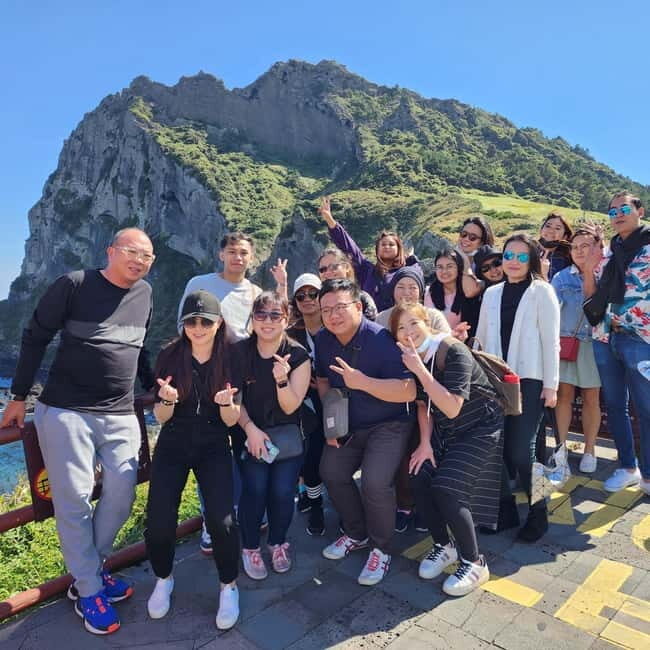
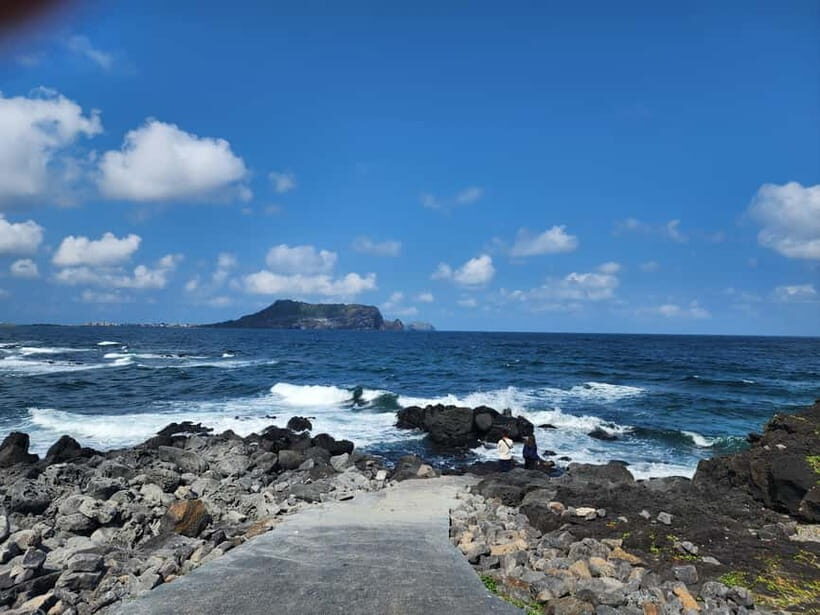
Seongsan Ilchulbong (Sunrise Peak) is the kind of stop that looks famous even if you’ve never been here in person. It was formed by a volcanic eruption under the sea, and it’s a UNESCO World Natural Heritage site. That volcanic origin is more than trivia—it affects the shape of the crater and the way you understand what you’re seeing from the viewpoint.
In practice, this is where the tour’s “big moment” energy shows up. You get geological significance and wide views, and your guide’s commentary helps tie the scenery back to the island’s formation. If you’ve ever wondered why Jeju looks the way it does—this stop gives you a clear answer in physical form.
Sidenote: because pickup starts around 8:00 AM, you’re usually positioned to see the peak earlier in the day, which can help you beat the heaviest rush. It’s not guaranteed, but the timing structure gives you a better shot at comfortable viewing.
Sunrise Land: seasonal flowers, lava caves, and pond scenery
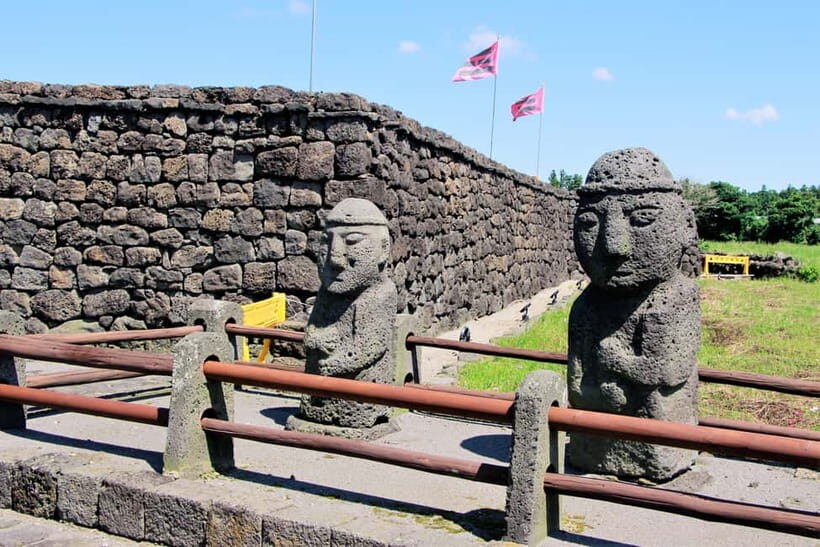
From volcano to garden, you’ll head to Sunrise Land, a seasonal botanical garden with flower festivals that run throughout the year. Even when the calendar isn’t in peak bloom, the setting still works because you’re visiting a place designed for walking and discovery.
This is also where the route adds variety. Along with botanical displays, you can find natural lava caves, scenic ponds, and cultural experiences. For me, that mix is a smart use of limited time. It helps break up the more “structured” history stops, and it adds a texture of exploration—small discoveries rather than one single viewpoint.
One consideration: caves can mean uneven ground and cooler air. If you don’t bring layers, you might feel it. You don’t need to dress for winter, but a light outer layer can make the experience more comfortable if you run warm outside and cooler inside.
Haenyeo Museum: the culture behind the divers
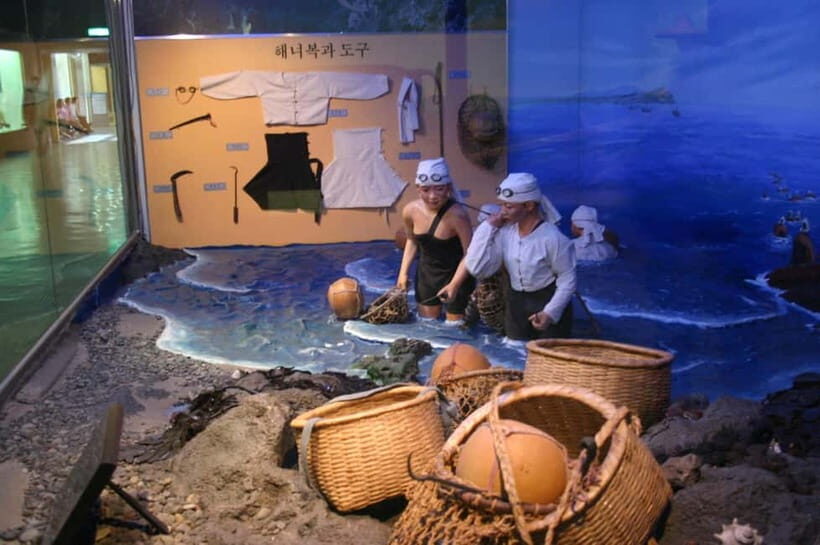
The tour ends with Haenyeo Museum, centered on Jeju’s female divers, known as haenyeo. This isn’t just an exhibit about a job. It covers lifestyle and includes traditions and beliefs, including shamanic elements, along with the haenyeo’s role in Jeju’s historical story.
What I like here is how the museum connects a specific occupation to a wider cultural identity. The haenyeo are often treated like a famous Jeju symbol, but the museum format helps you understand them as community members with practices, skills, and traditions that shaped life on the island.
If you’re curious about how culture survives modernization, this is one of the most meaningful stops on the route. It gives context for why certain Jeju traditions are still respected and remembered.
Price and value: what you’re really paying for at $360 per group
Let’s talk value without pretending it’s cheap for everyone. The tour is $360 per group up to 9, and it includes a guide, entrance fees, and round-trip transportation. Lunch and drinks aren’t included, and personal expenses are on you.
Here’s why that price can make sense:
- You’re paying for a guided route that reduces decision fatigue and avoids wasted time
- You’re paying for transportation plus entrance fees, which add up fast if you price each item separately
- You’re getting access to multiple major attractions that would be harder to coordinate without a car
When it might not be the best fit:
- If your group is small and you’re paying most of the cost, you could potentially do some sights on your own.
- If you want a very relaxed pace with long meals and extra stops, the day may feel structured (because it is structured).
A good way to judge: think about how much you value “someone else handles the plan.” If that’s worth something to you, this tour is likely a win.
What’s included (and what you should budget for)
You’ll get:
- Hotel lobby pickup and drop-off
- Professional guide
- Entrance to the tourist attractions
- Round-trip transportation (including the transfer part of the day)
- English and Chinese support
- A private group setup
- Wheelchair accessible service (as stated for the activity)
You’ll need to plan for:
- Lunch and drinks
- Personal expenses
My practical advice: don’t treat lunch as an afterthought. The route includes five major stops, and that means your meal slot (wherever it falls in the day) might be shorter than you’d like. If you have dietary needs, make sure you know what you’ll do for lunch ahead of time so the day stays smooth.
Guide quality: why Mr Kim and Jinhee keep showing up
One of the biggest reasons people rate this type of tour so highly is the guide. Not just facts, but how the guide handles the day—timing, explanations, and flexibility.
In the experiences linked to this tour, guides like Mr Kim and Jinhee have been praised for being kind, prepared, and easy to talk with. Mr Kim, for example, was described as patient with communication and helpful even when pick-up coordination could have been tricky. Jinhee was highlighted for going above the usual guide role, with a prepared, playful approach and excellent conversation.
Also, in at least one case, Mr Kim even offered small Jeju touches like mandarins. That’s not something you should expect on every tour day, but it does point to a style: guides who want you to feel cared for, not just checked off.
Who should book this East Jeju Day Trip
This tour is a strong fit if:
- You have one day and want the island’s East highlights packed into a workable plan
- You don’t want to rent a car and handle driving between stops
- You want a guide to connect the dots between nature, culture, and geology
- You’re traveling with a small private group and want convenience without a huge bus vibe
It may be less ideal if:
- You’re the type who wants to spend a long, unhurried day at one place and then wander
- You hate early mornings and prefer late start days
- You’re very sensitive to time pressure around meals
Should you book this East Course tour?
If your goal is to see the major East Jeju attractions in a single day without logistics stress, I think this is a book-worthy plan. The combination of hotel pickup, entrance fees included, and a professional guide is exactly what turns a “we’ll try to fit it in” day into a confident itinerary.
Book it if you like your travel days organized and meaningful: forest walk, village culture, volcanic viewpoint, botanical and lava cave variety, then haenyeo heritage. Just go in knowing lunch isn’t included and the schedule is designed to cover a lot—so come with comfortable shoes, a realistic appetite for a packed day, and you’ll get a lot out of it.
FAQ
What’s the duration of the Jeju Highlights Day Trip (East Course)?
The tour lasts 1 day.
How much does the tour cost?
It’s $360 per group, up to 9 people.
Is hotel pickup and drop-off included?
Yes. You’re picked up from your hotel lobby and returned there at the end of the tour.
Which attractions are included in the East course?
The tour includes Saryeoni Forest Trail, Seongeup Folk Village, Seongsan Ilchulbong (Sunrise Peak), Sunrise Land, and the Haenyeo Museum.
Are entrance fees included?
Yes. Tourist attraction entrance fees are included.
Are lunch and drinks included?
No. Lunch and drinks are not included.
What languages are available for the guide?
English and Chinese are available.
What should I bring for the day?
Bring comfortable shoes and comfortable clothes.
Is this tour wheelchair accessible?
Yes, the activity is listed as wheelchair accessible.
When is the pickup time?
Pickup is tentatively set at 8:00 AM.
Is free cancellation available?
Yes. You can cancel up to 24 hours in advance for a full refund.