REVIEW · SEOUL
From Seoul: Cheorwon DMZ and 2nd Tunnel Tour with Lunch
Book on GetYourGuide →Operated by TRIPPER · Bookable on GetYourGuide
DMZ trips make you rethink what borders mean. This Cheorwon day tour pairs Korean War facts with a hands-on walk through the Second Infiltration Tunnel, and I love that bibimbap lunch is built in. It’s the kind of structured day where guides such as Sam or Andrew keep the story clear as you move from guard-post tension to tunnel-scale reality.
One thing to plan for: the tunnel route involves steep descents and climbs, and in winter the footing can be slippery. Bring grippy walking shoes, and be ready for a physical day, even though it’s still only 8 hours.
In This Review
- Key things to know before you go
- Seoul to Cheorwon DMZ: how the 8 hours actually feel
- Cheorwon Guard Post area and the Peace Observatory storyline
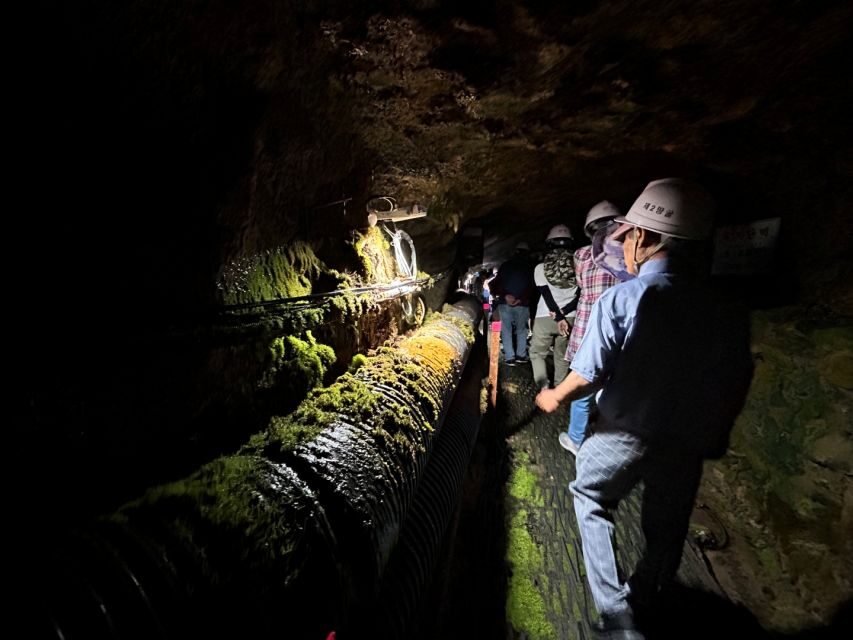
- Walking the 2nd Infiltration Tunnel: scale, cold air, and ducking
- Cheorwon lunch: bibimbap that doesn’t feel like an afterthought
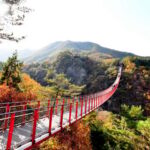
- Hantangang Y-bridge: free deck views and the optional crossing ticket
- Price and logistics: is $95 good value for a DMZ day?
- What happens if politics or weather changes the plan
- Who should book, and who should skip this one
- Should you book the Cheorwon DMZ and 2nd Tunnel tour?
- FAQ
- How long is the Cheorwon DMZ and 2nd Tunnel tour?
- What’s included in the price?
- Is pickup available from my hotel in Seoul?
- Do I need a passport?
- Can I take photos inside the DMZ sites and tunnel?
- Is there a fee to cross the Hantangang Y-bridge?
- What food is provided for lunch?
- Is the tour affected by weather?
- What if the DMZ area is closed on the day?
Key things to know before you go
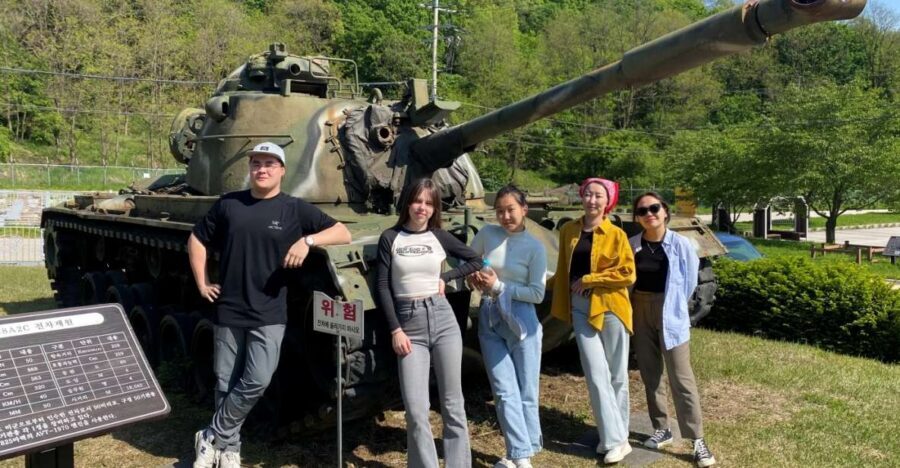
- Cheorwon-focused route: You go to the Cheorwon North Korean Guard Post area and the newer DMZ route instead of only sticking to the most famous DMZ zone.
- Tunnel 2 is a full walk: You’ll cover about 3.5 km in the 2nd tunnel, close to North Korea, and you’ll be reminded you’re in a militarized space.
- No photos inside: You can stop for photos outside, but photography inside isn’t allowed, including in restricted areas.
- Peace Observatory includes a monorail ticket: You don’t just look at exhibits; you get the Peace Observatory monorail experience too.
- Lunch is included and vegetarian-friendly: The included premium bibimbap is served with lots of fresh vegetables and side dishes.
- End with Hantangang Y-bridge views: The free observation deck works great for photos, and you can buy tickets on-site only if you want to cross.
Seoul to Cheorwon DMZ: how the 8 hours actually feel
The timing is long enough that you should treat this as a real day trip, not an easy half-day outing. From Seoul, you ride out for about an hour before a short secret stop break with breakfast and local snacks. It’s a useful buffer because the day gets regulated once you’re in the DMZ zone.
Once you reach Cheorwon, the tone changes fast. You’ll be in a space where the distance to the North is part of the story, not just a map detail. In a good way, the guide frames what you’re seeing as context for today, not only as an old war museum exhibit.
The tour structure also helps you avoid aimless waiting. You get planned sightseeing blocks (about 30 minutes in the DMZ zone, then the tunnel, then observatory time), plus a full meal hour. That pacing matters because DMZ days can feel chaotic if you’re self-navigating.
A few more Seoul tours and experiences worth a look
Cheorwon Guard Post area and the Peace Observatory storyline
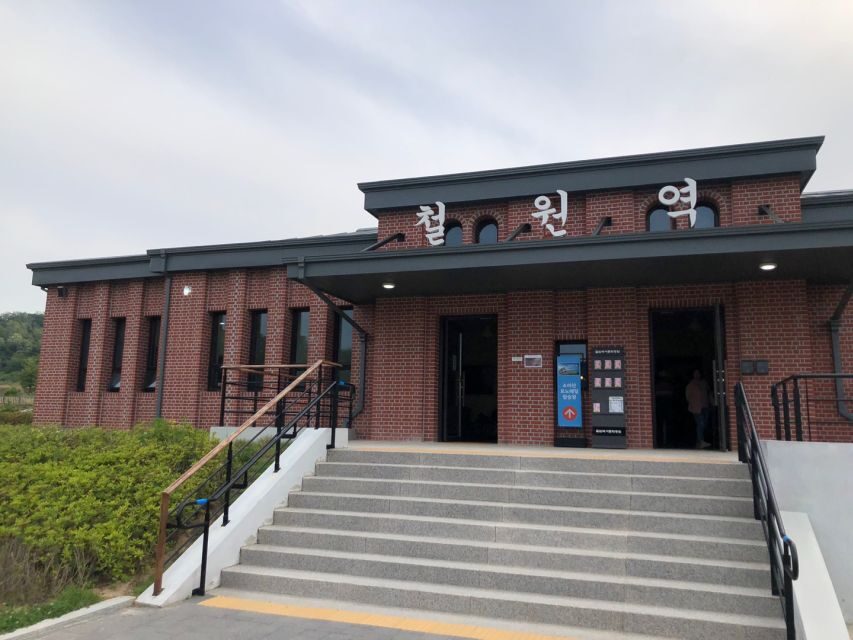
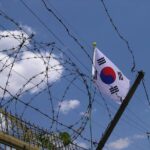
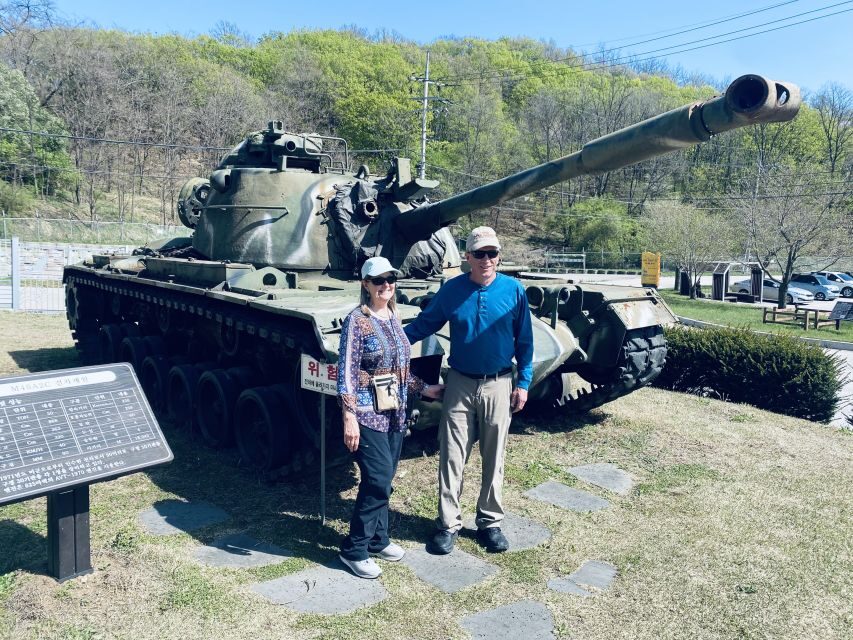
The day’s first DMZ segment is built around the Cheorwon guard post area and the surrounding military-demarcation context. You’ll move through the DMZ zone with guided sightseeing, and the focus stays on the Korean War’s continuing relevance.
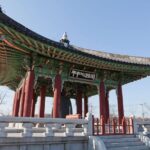
Then you shift into the Peace Observatory area and the DMZ museum portion of the program. You get a monorail ticket included here, which is handy because it helps you move through the observatory experience as intended. After that, you’ll have guided time at the DMZ History Museum, where the Military Demarcation Line becomes a concrete idea instead of an abstract line on paper.
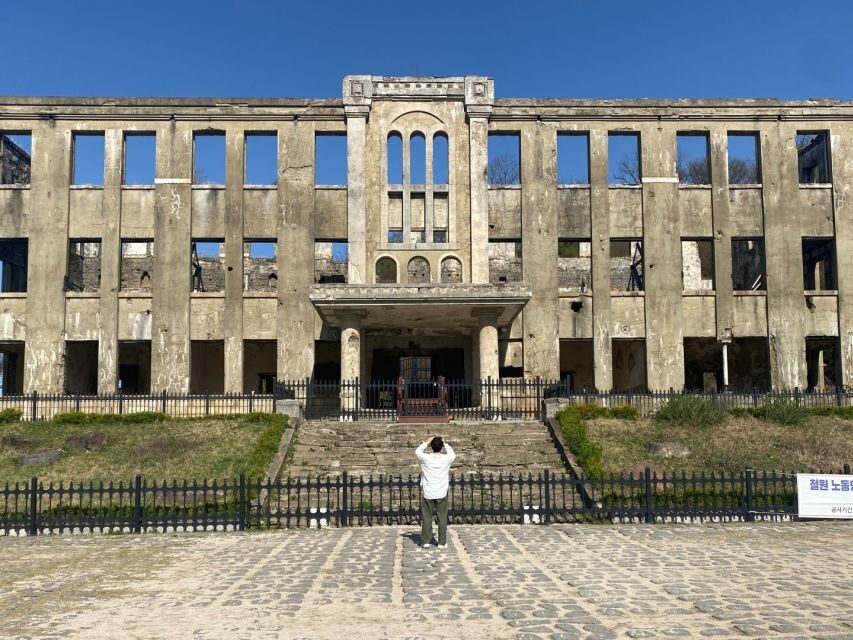
A specific detail I’d pay attention to is the ruined site connected to the Korean Workers’ Party Headquarters. It’s not just “historic rubble.” It’s shown as a reminder that the border isn’t only political. It’s physical, engineered, and kept in place.
You’ll likely hear story-driven explanations from the guide, and many guides use personal narratives alongside the official timeline. That’s where the trip can feel more human, because you’re learning why this divide still shapes daily life.
Practical note: inside restricted spaces, don’t plan to use your camera. Photography inside isn’t allowed, so keep your phone ready for outside viewpoints and your own notes for what you can’t record.
Walking the 2nd Infiltration Tunnel: scale, cold air, and ducking
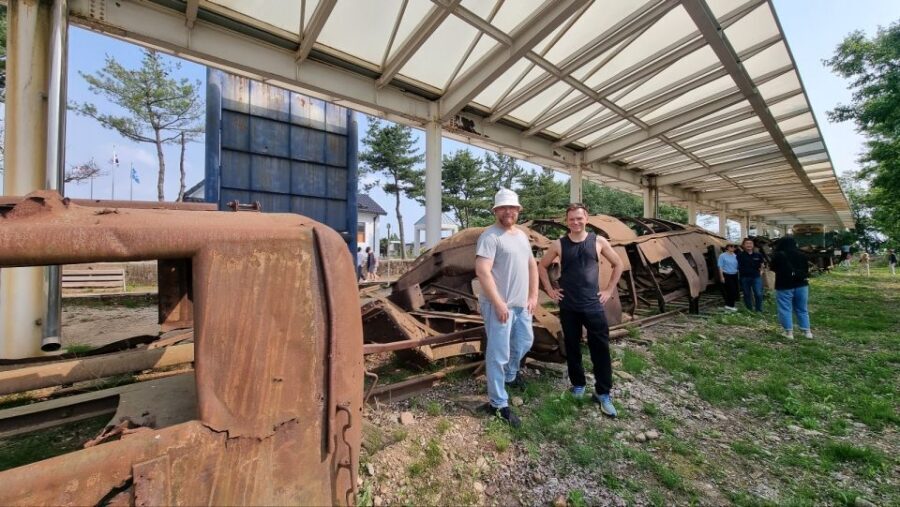
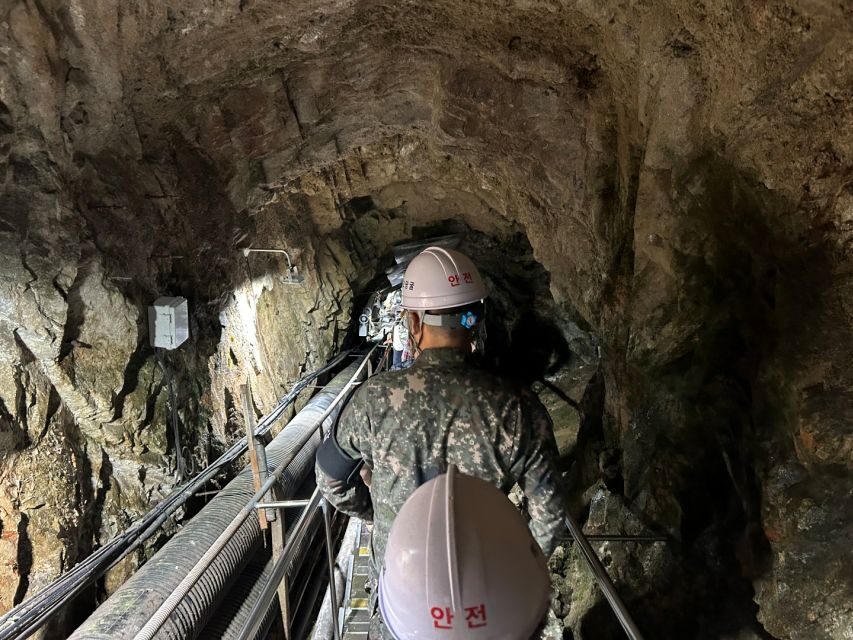
If you want one reason this tour feels different from “pick a DMZ viewing point and leave,” it’s the Second Infiltration Tunnel. This is Korea’s widest and also one of the closest tunnel experiences to North Korea, discovered in 1975. You’ll walk roughly 3.5 km, guided throughout, with time to understand what it meant as an invasion route and how it changed the way both sides prepared.
This tunnel isn’t a gentle stroll. The program includes steep descents and climbs, and in winter those sections can be slippery. That means your shoes matter more than you think, and your pace will matter more than your stamina. I’d go in expecting a workout, not a sightseeing walk.
Also, yes, it can be cool inside. A light layer is a smart call, even if you start the day in warm Seoul weather. And you should be ready to duck in lower sections, because tunnel design is built for stealth, not comfort.
Guides typically explain the tunnel’s significance clearly, and some add emotional detail from stories shared by workers connected to the space. You might also hear specific named anecdotes during the briefing, the kind that turn the tunnel from “a long passage” into “a place where real plans were made.”
One more real-world consideration: the tunnel can close if there are operational reasons such as landmine clearance. When that happens, the guide is still expected to adjust so you don’t waste the day. So keep a flexible mindset: you’re visiting a militarized zone, and conditions can change.
Cheorwon lunch: bibimbap that doesn’t feel like an afterthought
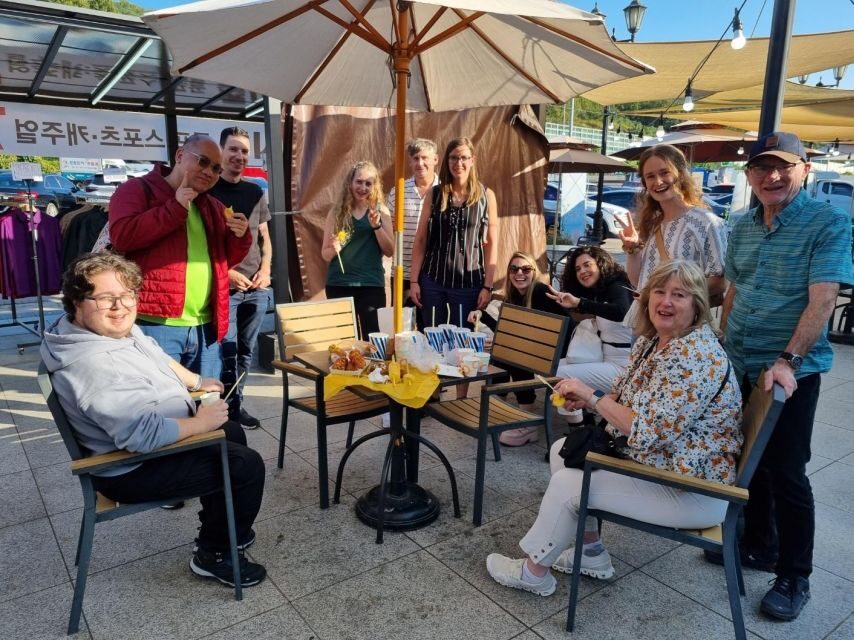
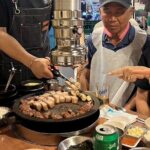
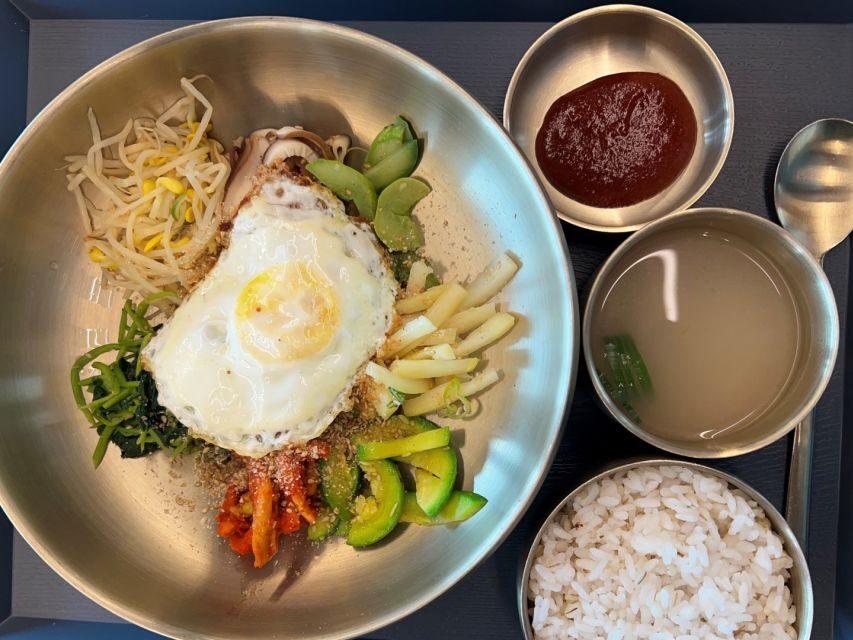
I like that the lunch is not “just something to eat so you can keep moving.” You get a full hour for lunch in Cheorwon, and it’s served as a premium bibimbap set. It’s made with fresh vegetables, plus side dishes, and it’s generally a good fit for vegetarians.
In a day like this, food becomes part of the value equation. You’re spending most of your day in transit and in tightly scheduled sites, so having a planned meal reduces stress. And because the bibimbap is included, you don’t have to hunt for an open restaurant in a place where time can tighten up quickly.
If you’re picky about timing, you’ll appreciate the schedule: you eat after the most physically demanding segment (the tunnel), so you’re not going to lunch exhausted and rushed. That sequencing makes the meal hour feel like a reset rather than a chore.
Hantangang Y-bridge: free deck views and the optional crossing ticket
After the DMZ portion, the tour pivots to nature and views at Hantangang Y-bridge Observatory. You’ll have a photo stop plus free time for about 20 minutes. It’s a nice change of pace: you shift from man-made borders to volcanic rock formations and the dramatic river setting below.
Observation-deck access is free, which is important. If you want to cross the bridge itself, you’ll buy tickets on-site, and there’s an admission fee for that crossing. That gives you choice without forcing everyone into the same physical activity.
Even if you don’t cross, it’s still worth using the time to frame photos and take in how the canyon-like terrain shapes the feel of the region. Just remember it’s only a short stop, so don’t spend the entire 20 minutes checking the ticket booth if you’re not crossing.
Price and logistics: is $95 good value for a DMZ day?
For $95 per person and a full 8-hour day, the value comes from what you do not have to organize. You get a licensed guide, all entry fees, and a Peace Observatory monorail ticket, plus the premium bibimbap lunch and round-trip transfers arranged from Seoul.
That’s the real math: DMZ access is regulated, and planning it solo is rarely simple. You also avoid the common pain point of DMZ tours that turn into a shopping bus ride. This one is built for history and viewing, not “see the sights then buy things.”
The transport quality is another quiet value marker. A strong majority of people rated transport highly, and the general theme is comfortable, well-managed driving for a long day. It matters because you’ll be on the road for a while: about an hour each way is typical here, plus time spent at stops.
Two things to consider when evaluating price:
- The day includes real walking and climbing, especially at the tunnel. You’re paying for access and guidance, not a sit-and-look experience.
- The route changes sometimes if the DMZ site closes. When that happens, the operator should still reroute to alternative destinations, but it does mean the day might not match your dream checklist exactly.
What happens if politics or weather changes the plan
DMZ days can’t be treated like normal sightseeing days. The tour notes that the DMZ zone could be closed due to sudden political events. If that happens, you’ll go to alternative tourist destinations instead, so you’re not just stuck in transit.
Good news on the weather front: the tour operates even in rain or snow. That matters because a DMZ day is already structured; you don’t want your big opportunity canceled because of a light drizzle.
What I’d do as a traveler: pack for mobility. Because the tunnel walk and the overall schedule keep moving, weather-related changes should be treated as a reason to tighten your footwear and plan for cooler temps, not a reason to ignore comfort.
Who should book, and who should skip this one
This is a strong fit if you want the Cheorwon DMZ story with a tunnel component, and you like a guided day that stays focused. The small-group nature reported in the experience is a big plus for getting positioned well at viewpoints and having your questions answered without feeling shoved along.
It’s also a good fit if you care about sustainability and anti-overtourism. The program is designed without shopping stops, which keeps your time attached to the sites you actually came for.
Skip it or double-check if you have mobility limits. The tunnel includes steep descents and climbs, and the tour experience is marked as not suitable for wheelchair users. At the same time, the activity is also listed as wheelchair accessible, which is contradictory. If you use a wheelchair or have limited mobility, contact the operator directly before booking so you get a clear answer.
Also keep expectations realistic:
- Bring your passport.
- Plan for restricted areas where photography inside isn’t allowed.
- Expect a long, regulated day where timings can shift slightly due to traffic.
Should you book the Cheorwon DMZ and 2nd Tunnel tour?
Yes, if you want a DMZ day that feels more like understanding a system than collecting postcards. The Second Infiltration Tunnel walk is the headline, and the included Peace Observatory monorail plus museum time gives you the context to connect the tunnel to the Demarcation Line story.
I’d particularly book it if you value small-group pacing, a guide who explains the “why,” and a meal that’s actually included rather than a late scramble. The Hantangang Y-bridge finale is also a smart add-on: you get a scenic breath after a heavy historical day.
I’d think twice if you’re looking for an easy day with lots of photos, or if you’re worried about slippery footing and climbing. This is a powerful experience, but it asks you to move.
If you go in prepared—passport ready, grippy shoes, flexible mindset about possible site closures—you’ll come away with a much sharper sense of what the DMZ represents, not just where it is.
FAQ
How long is the Cheorwon DMZ and 2nd Tunnel tour?
It runs about 8 hours total.
What’s included in the price?
You get a licensed guide, all entry fees, a Peace Observatory monorail ticket, lunch (premium bibimbap set), and pickup/drop-off for private tours.
Is pickup available from my hotel in Seoul?
Pickup is available from any hotel in Seoul.
Do I need a passport?
Yes. You should bring your passport.
Can I take photos inside the DMZ sites and tunnel?
No. Photography inside is not allowed.
Is there a fee to cross the Hantangang Y-bridge?
Crossing the bridge requires an admission fee. Access to the observation deck is free, and crossing tickets can be purchased on-site.
What food is provided for lunch?
You’ll have a premium bibimbap set with lots of vegetables and side dishes, suitable for vegetarians.
Is the tour affected by weather?
The tour operates as scheduled even in rain or snow.
What if the DMZ area is closed on the day?
If the DMZ is closed due to sudden political events, the tour will go to alternative tourist destinations instead.
![[Private] DMZ & Imjingak Peace Gondola Experience Inter-Korean War - Imjingak Pavilion and the unification zone: bridges and the meaning behind them](https://8.koreaadventures.com/wp-content/uploads/private-dmz-imjingak-peace-gondola-experience-inter-korean-war.jpg)