REVIEW · SEOUL
[Private] DMZ & Imjingak Peace Gondola Experience Inter-Korean War
Book on Viator →Operated by Cosmojin Agency · Bookable on Viator
The DMZ is not a postcard. What I like most is how English tour guides make the experience personal and story-driven, and how the Imjingak Peace Gondola adds a moving, human layer to the day. The main drawback: this is a controlled, long day, so you can lose time to waiting and weather can affect what you actually see.
You start early in Seoul, ride in an air-conditioned bus, and work through strict entry steps like ID checks before you get to the meaningful sites. If you’re up for it physically, the day delivers a strong sequence: tunnels, observatories, bridges, and a gondola ride with exhibits.
Before you go, remember the practical stuff: you’ll need a current passport, good sneakers, and the 3rd infiltration tunnel is steep and asks you to lean forward.
In This Review
- Key highlights you should know before you go
- The DMZ morning: ID checks, tunnel access, and strict timing
- Imjingak Pavilion and the unification zone: bridges and the meaning behind them
- Dora Observatory and Dorasan Station: watching North Korea from the South
- Imjingak Peace Gondola: Camp Greaves, filming culture, and multilingual exhibits
- The in-between stops: lunch, bridges, Bunker Beat 131, and indoor detours
- What the tour is really like: group size, comfort, and the pacing of a controlled border day
- Price and value: is $195 a good deal for this kind of access?
- Should you book the DMZ & Imjingak Peace Gondola day?
- FAQ
- How long is the DMZ & Imjingak Peace Gondola experience?
- What’s included in the $195 price?
- Do I need a passport for this tour?
- What should I wear or bring?
- How big is the group?
- What happens if there’s a military training or official event in the DMZ?
Key highlights you should know before you go
![[Private] DMZ & Imjingak Peace Gondola Experience Inter-Korean War - Key highlights you should know before you go](https://8.koreaadventures.com/wp-content/uploads/private-dmz-imjingak-peace-gondola-experience-inter-korean-war-1.jpg)
DMZ morning structure with real rules. You’ll go through the formal security process, then see the tunnel and the observatory zone in a planned order.
Guides who can turn facts into stories. Reviews praise guides like JJ and Jackie for being engaging and attentive, and at least some departures include direct Q&A with a North Korean defector.
Imjingak Peace Gondola is more than a ride. You can look toward Camp Greaves, tied to Descendants of the Sun, plus exhibits presented in multiple languages (English, Japanese, Chinese, and more).
Dora Observatory and Dorasan Station give you perspective. You get a clear “watch from the South” feeling rather than just reading signs.
Unification stops add meaning between big sights. The Unification Bridge and Dorasan Station are built around the idea of division and hope, not sightseeing.
It’s not always a smooth sightseeing day. Fog, strict timing, and possible day-of replacements can change the exact flow.
The DMZ morning: ID checks, tunnel access, and strict timing
![[Private] DMZ & Imjingak Peace Gondola Experience Inter-Korean War - The DMZ morning: ID checks, tunnel access, and strict timing](https://8.koreaadventures.com/wp-content/uploads/private-dmz-imjingak-peace-gondola-experience-inter-korean-war-2.jpg)
The DMZ day starts with the kind of control that makes the whole experience feel serious. You’ll board an authorized vehicle, then follow the rules on site, including a required passport check. There’s also something you should take seriously: the tour has a time photo regulation, meaning you can’t wander off for endless pictures. You’ll get chances to photograph, but you’ll also get pushed by the schedule.
Once you’re inside the DMZ-area tour route, the core points are designed to answer one big question: what does division look like when it’s made physical? That’s why the day centers on the formal exhibition/theater stop and then moves into the tunnel experience. The 3rd Infiltration Tunnel is steep and physically demanding, and the guidance specifically notes you may need to lean forward while going through. This is where “moderate physical fitness” stops being a casual phrase and becomes real.
Practical tip: wear supportive sneakers even if you hate doing it. You’ll be moving around in a secure-area environment, and you want traction and comfort for ramps, stairs, and the tunnel approach.
If military training or an official event affects access, your day may shift to a replacement plan that can include Tomorrow’s Whistle, Bunker Beat 131, Odusan Unification Tower, and the War Memorial of Korea. That’s not a small detail. It means you should keep expectations flexible: you’re buying access to a route, not a guaranteed collection of photos.
You can also read our reviews of more private tours in Seoul
Imjingak Pavilion and the unification zone: bridges and the meaning behind them
![[Private] DMZ & Imjingak Peace Gondola Experience Inter-Korean War - Imjingak Pavilion and the unification zone: bridges and the meaning behind them](https://8.koreaadventures.com/wp-content/uploads/private-dmz-imjingak-peace-gondola-experience-inter-korean-war.jpg)
After the initial DMZ portion, the tour’s emotional center starts to broaden. Imjingak Resort and the surrounding area are built for reflection—especially around rail and bridge remnants that symbolize a broken connection.
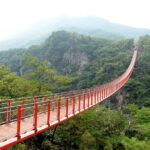
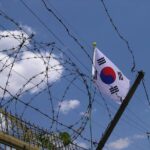
Dokgae Bridge is one of the most striking of these leftovers. It’s the northbound line of the old railroad bridge over the Imjingang River, left broken for nearly 70 years. Seeing it in person does something that museum text can’t: it turns history into a concrete obstacle. You don’t just learn about the division; you stand next to the physical evidence of it.
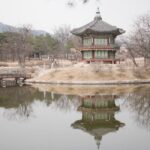
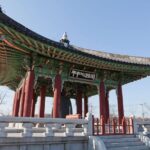
Nearby, you also encounter Imjingak Pavilion, built in 1972, where you can get a panoramic look over the area. Even when your day isn’t perfect weather-wise, the pavilion view gives you a sense of how close the border zone feels from this side. That’s part of the value here. You’re not traveling to a vague “somewhere near.” You’re getting proximity.
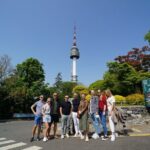
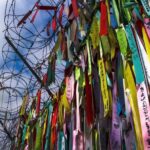
This is also where the tour includes a Unification Bridge moment. That’s not just another photo stop. It’s framed as a wish for unification, and it helps the day connect the heavy DMZ content to a human, future-facing idea.
If you’re the kind of traveler who gets impatient with “meaningful stops,” I’ll be blunt: don’t rush these sections. The bridge and pavilion time are what make the later gondola ride hit harder.
Dora Observatory and Dorasan Station: watching North Korea from the South
![[Private] DMZ & Imjingak Peace Gondola Experience Inter-Korean War - Dora Observatory and Dorasan Station: watching North Korea from the South](https://8.koreaadventures.com/wp-content/uploads/private-dmz-imjingak-peace-gondola-experience-inter-korean-war-4.jpg)
One of the main draws on this tour is the pair of viewpoints tied to Dora Observatory and Dorasan Station. Dora Observatory is where you go to see North Korea, and the whole point is perspective: you’re standing in the South with the North in view, within the boundaries of what’s allowed.
Dorasan Station adds a different emotional tone. It’s presented as a wish for unification. That matters, because Dorasan isn’t just a train station you admire. It’s a symbol of a future link that isn’t working yet, or isn’t working as you would want.
If your goal is to understand how South Korea thinks about the border—not only what happened, but what people hope will happen—this is the part of the day that makes the most sense. You leave with images in your head that explain the rest of what you learned: security posture, distance, and the everyday reality of separation.
Weather can make or break this portion. On clear days you’ll feel the closeness. On foggy days, the view can be limited, and the experience becomes more about being there than what you can actually see. Bring patience either way. This is one of those tours where the schedule is the product, not just the view.
Imjingak Peace Gondola: Camp Greaves, filming culture, and multilingual exhibits
![[Private] DMZ & Imjingak Peace Gondola Experience Inter-Korean War - Imjingak Peace Gondola: Camp Greaves, filming culture, and multilingual exhibits](https://8.koreaadventures.com/wp-content/uploads/private-dmz-imjingak-peace-gondola-experience-inter-korean-war-5.jpg)
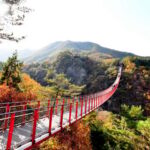
The Imjingak gondola is the tour’s tone shift. After a day heavy with security, tunnels, and border-related exhibits, the gondola ride gives you a gentler pace while still staying in the border-story world.
The most fun part is that you may get sights connected to Camp Greaves, known as a filming location for Descendants of the Sun. You also get a documented connection to the 506th Regiment. The tour description includes a pop-culture angle here, noting links to American productions like Band of Brothers and Saving Private Ryan, centered around station history in Korea. Even if you’re not a film buff, it’s a helpful bridge for understanding how international attention intersects with military history.
Then there’s the exhibit side of the gondola experience. One of the best-reviewed aspects of the gondola area is that you’re not stuck with Korean-only information. Exhibits are presented in multiple languages, including English, Japanese, and Chinese. That makes a real difference. You can actually understand what you’re standing in front of.
One detail that tends to hit people: a letter written to a mother before dying, described as heart breaking. That kind of personal artifact is exactly why this gondola stop isn’t just scenic. It’s emotional. It turns the border from an abstract line into individual lives affected by it.
Practical tip: the gondola timing is set. Don’t treat it like free time. Use the ride window to slow down, read the signs, and notice how the view lines up with the stories you just heard earlier.
The in-between stops: lunch, bridges, Bunker Beat 131, and indoor detours
![[Private] DMZ & Imjingak Peace Gondola Experience Inter-Korean War - The in-between stops: lunch, bridges, Bunker Beat 131, and indoor detours](https://8.koreaadventures.com/wp-content/uploads/private-dmz-imjingak-peace-gondola-experience-inter-korean-war-6.jpg)
The day doesn’t jump from one major border site to the next without breaks. It includes a lunch stop and a handful of additional sites that help connect the theme from different angles.
After you hit Dorasan and the observatory area, you’ll have lunch and then move toward Dokgae Bridge again in the broader park area sequence. The bridge is one of those places where seeing it twice can feel repetitive, but it can also feel grounding. It’s a constant anchor while the rest of the day changes pace.
Bunker Beat 131 shows up as both a planned site and a possible replacement option if the DMZ route is interrupted due to training or official events. Either way, it’s there to keep your day moving with relevant border-era context. If you’re going on a day where the tunnel or some DMZ access changes, this is the kind of stop that can rescue the emotional arc of the itinerary.
You’ll also likely pass through an Amethyst or Ginseng Center stop. This is the part of the day that most often reads like a commercial detour on paper. But it can also be useful if you need to warm up, get snacks, or reset your brain before the final leg of the tour. Just treat it as time-filler, not as the main attraction.

What the tour is really like: group size, comfort, and the pacing of a controlled border day
![[Private] DMZ & Imjingak Peace Gondola Experience Inter-Korean War - What the tour is really like: group size, comfort, and the pacing of a controlled border day](https://8.koreaadventures.com/wp-content/uploads/private-dmz-imjingak-peace-gondola-experience-inter-korean-war-7.jpg)
This tour caps at a maximum of 99 travelers. That number matters because it affects how “private” the experience feels. In practice, you can still have a sense of shared momentum—everyone following the same path, the same rules, the same photo windows.
You’re in an air-conditioned vehicle, which is genuinely helpful because this is an early start and you’ll be spending long hours on the move. The guide is English-speaking, and that’s also part of the value. DMZ information isn’t hard to find online, but it is hard to absorb when you’re standing in a place with strict limits. A good guide helps you make sense of what you’re seeing while you’re still there.
The pacing is built around compliance. That’s why you’ll notice rules like using authorized transport and following the time photo regulation. It’s also why some days can feel less like sightseeing and more like completing a sequence under control. One of the most helpful ways to prepare mentally is to think in chapters, not in attractions. Each stop contributes one piece of the bigger story.
If fog or low visibility hits, it can reduce what you can see from the observatory zones. You’ll still get the structure and the key access points, but your “wow” factor will depend on weather.
Price and value: is $195 a good deal for this kind of access?
![[Private] DMZ & Imjingak Peace Gondola Experience Inter-Korean War - Price and value: is $195 a good deal for this kind of access?](https://8.koreaadventures.com/wp-content/uploads/private-dmz-imjingak-peace-gondola-experience-inter-korean-war-8.jpg)
At $195 per person for an 8 to 10 hour day, you’re paying for several things at once: licensed access to the DMZ route, an English-speaking guide, and admission fees for the DMZ and the gondola. You’re also paying for the logistics of a tightly controlled environment, including transportation and the time coordination that keeps things moving within the rules.
Is it cheap? No. But it doesn’t pretend to be. The value is strongest if you want structure and you don’t want to spend your vacation time trying to navigate border-zone requirements on your own.
Where the price can feel less worth it is when you expect a relaxed, flexible day with lots of wandering. This tour runs on schedule, and you’ll follow set timing and set photo windows.
Where it’s likely worth it: if you care about understanding the border in a way that goes beyond photos—particularly the tunnel experience, the observatory viewpoints, and the emotional shift the gondola brings. The tour’s inclusion of admissions and an English guide also reduces friction. You arrive knowing what’s covered.
Should you book the DMZ & Imjingak Peace Gondola day?
![[Private] DMZ & Imjingak Peace Gondola Experience Inter-Korean War - Should you book the DMZ & Imjingak Peace Gondola day?](https://8.koreaadventures.com/wp-content/uploads/private-dmz-imjingak-peace-gondola-experience-inter-korean-war-9.jpg)
Book it if you want a full, organized day that blends security history with unification symbolism and ends with a gondola experience that includes multilingual exhibits. It’s a strong choice for first-timers to the DMZ who don’t want to piece together access and interpretation.
I would hesitate if you’re prone to disappointment on days when visibility is limited or you want lots of free time for exploring at your own pace. This is a controlled tour: you get access, you follow the path, and you accept the day’s constraints.
If you do book, pack for comfort, bring your passport, and expect that the day may shift due to training or official events. Then you’ll be ready to get the most out of what the tour is best at: turning a border line into something you can feel, not just read.
FAQ
How long is the DMZ & Imjingak Peace Gondola experience?
It runs about 8 to 10 hours, starting at 7:00 am.
What’s included in the $195 price?
You get an air-conditioned vehicle, an English tour guide, and admission fees for the DMZ and the gondola.
Do I need a passport for this tour?
Yes. A current valid passport is required on the day of travel.
What should I wear or bring?
Sneakers are required for your safety, and the 3rd infiltration tunnel is steep, so you should have a moderate physical fitness level. Bring personal expenses money for anything not included.
How big is the group?
The tour has a maximum of 99 travelers.
What happens if there’s a military training or official event in the DMZ?
If access changes due to an unannounced military training or official event, the tour will be replaced with a different route that can include Tomorrow’s Whistle, Bunker Beat 131, Odusan Unification Tower, and the War memorial of Korea.