REVIEW · SEOUL
Seoul: Paju DMZ Private Tour with Former US Military Base
Book on GetYourGuide →Operated by KTOURSTORY · Bookable on GetYourGuide
A single day on the DMZ hits hard. I love how this tour strings together the Third Infiltration Tunnel and Dora Observatory into one focused story of Korea’s division. I also like the practical flow: hotel pickup, guided pacing, and enough time at each stop to actually absorb what you’re seeing.
One consideration: the day is long and the DMZ stops are not stroller or wheelchair accessible, plus the tunnel is tight and dim.
In This Review
- Quick takeaways before you go
- DMZ in one day: why this Paju route makes sense
- Hotel pickup to Imjingak Park: starting with memory and river views
- Camp Greaves: former U.S. military base relics, now peace-culture learning
- Lunch time in Paju-si: where to reset without derailing the day
- Third Infiltration Tunnel: the 1.6 km walk that makes history physical
- Dora Observatory: using telescopes to watch the border line
- Timing, weather, and why your guide’s pacing matters
- Price and value: does $483 buy you the right kind of day?
- Who should book this private DMZ tour (and who should reconsider)
- Should you book the Paju DMZ private tour?
- FAQ
- What’s the total duration of the tour?
- Is hotel pickup and drop-off included?
- Are meals included?
- Do I need to bring a passport?
- Is the Peace Gondola included?
- Is the tour stroller or wheelchair accessible?
Quick takeaways before you go
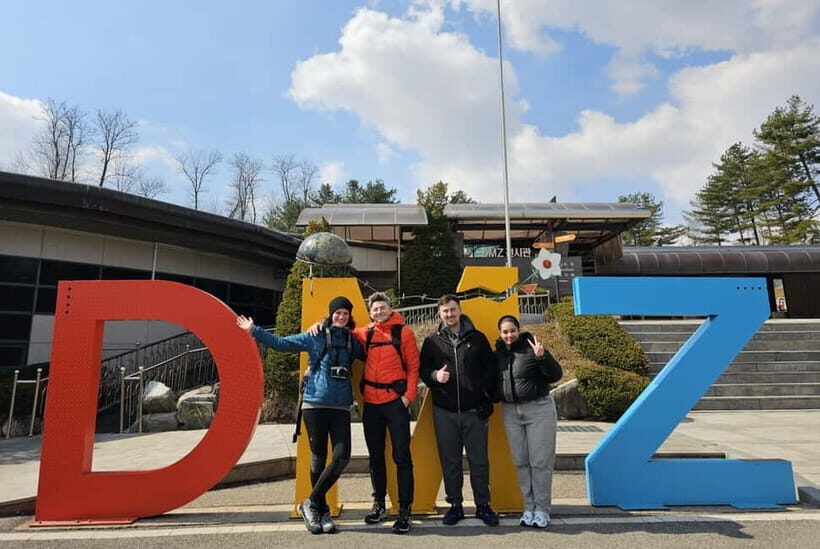
- Camp Greaves former U.S. base relics: old barracks and Cold War–era facilities turned into peace-culture exhibits
- Third Tunnel of Aggression, 1.6 km: helmet on, then a cramped descent that makes the history feel physical
- Dora Observatory telescopes: on clear days you can peer toward North Korea from a rare public spot
- Imjingak Park and the Imjin River views: a memorial space for peace and reunification
- Private-group guiding that answers real questions: guides like John, Jenny, Julie, and Chuck Park are repeatedly praised for their clarity and flexibility
DMZ in one day: why this Paju route makes sense
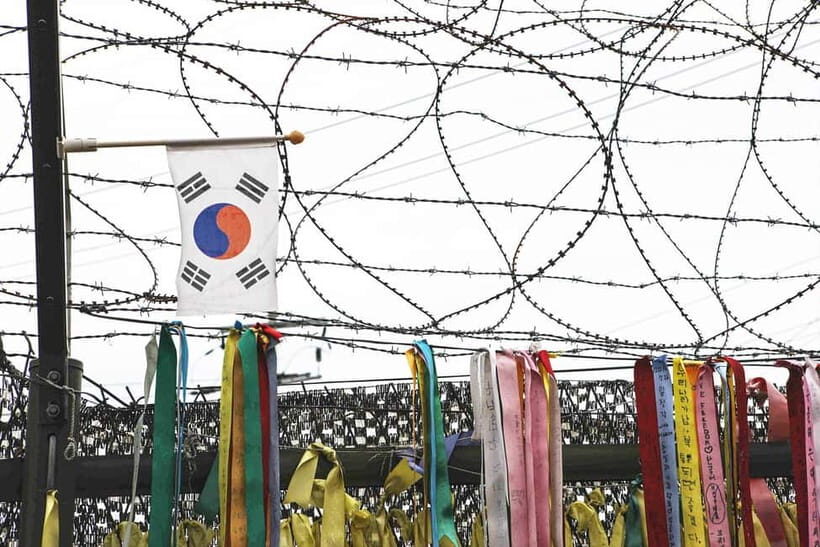
The DMZ is one of those places where “tourist attractions” don’t quite fit. You’re not here for thrills. You’re here for context: what the Korean War left behind, how the border still shapes daily life, and why these specific locations matter.
This Paju-based day tour is built like a guided argument—with a start (Imjingak), a former military footprint (Camp Greaves), a literal underground passage (the Third Tunnel), and then the view line (Dora Observatory). It’s the kind of structure that helps you connect the dots instead of treating each stop like a separate photo op. And because you’re doing it with an English/Chinese guide plus round-trip transport, you avoid the time-wasting scramble that can happen when you try to plan a tight DMZ day on your own.
You can also read our reviews of more private tours in Seoul
Hotel pickup to Imjingak Park: starting with memory and river views
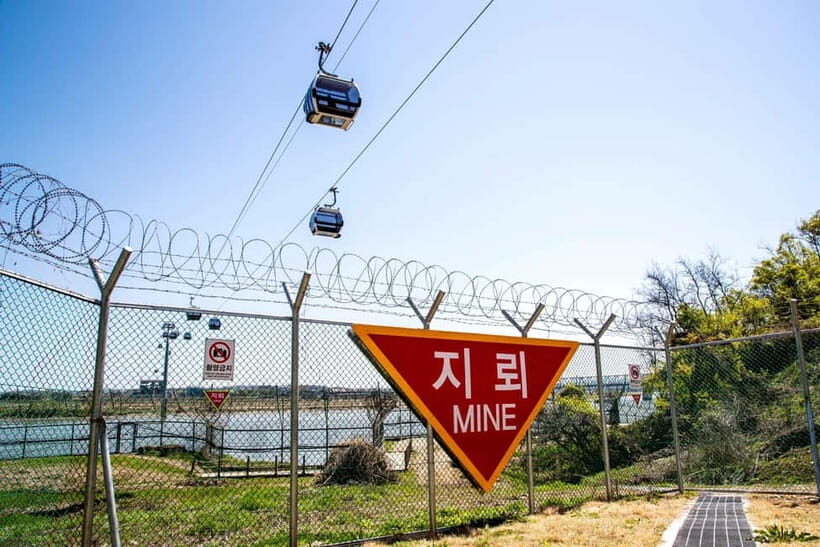
Your day begins with hotel pickup in central Seoul, so you aren’t hunting for meeting points early in the morning. Then it’s a coach ride (about 50 minutes) out to Imjingak in Gyeonggi Province.
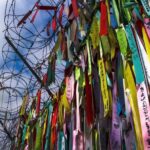
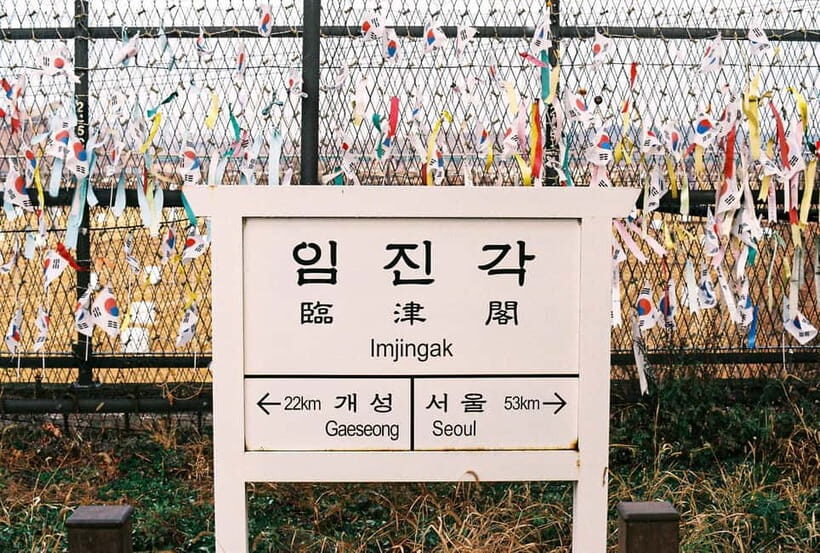
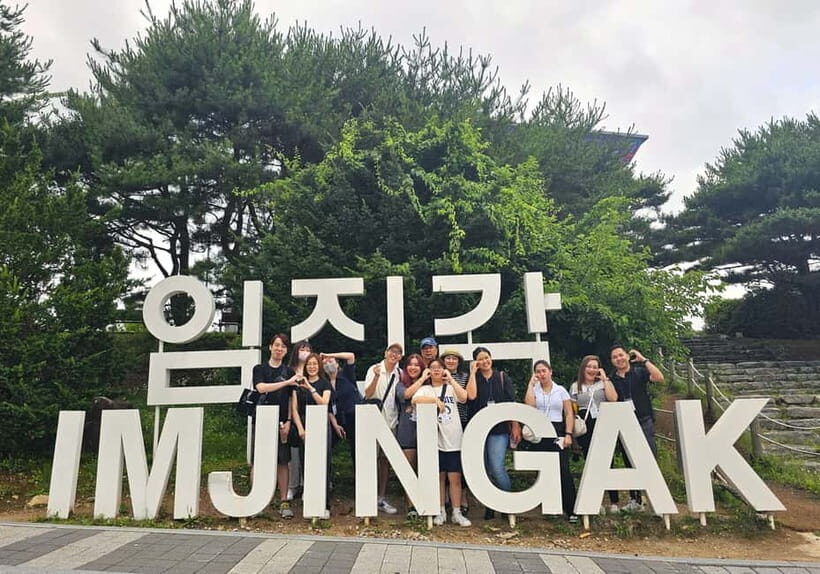
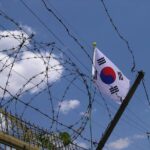
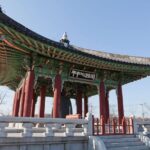
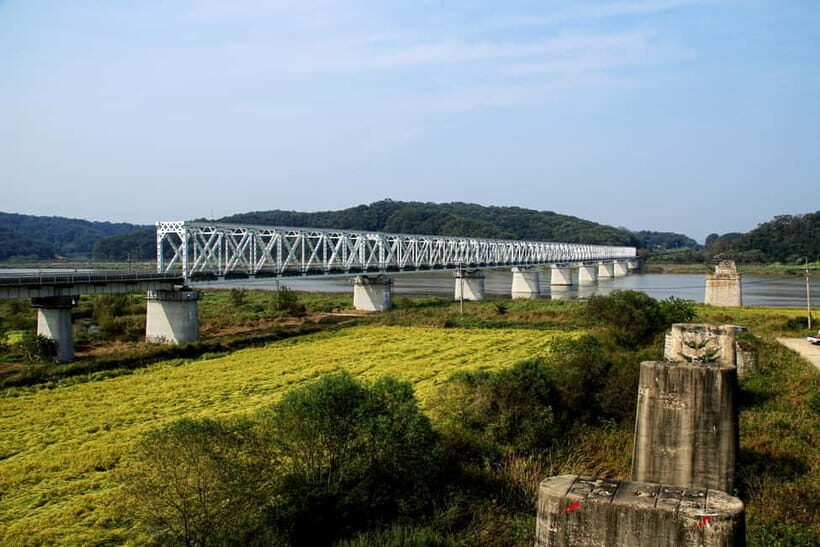
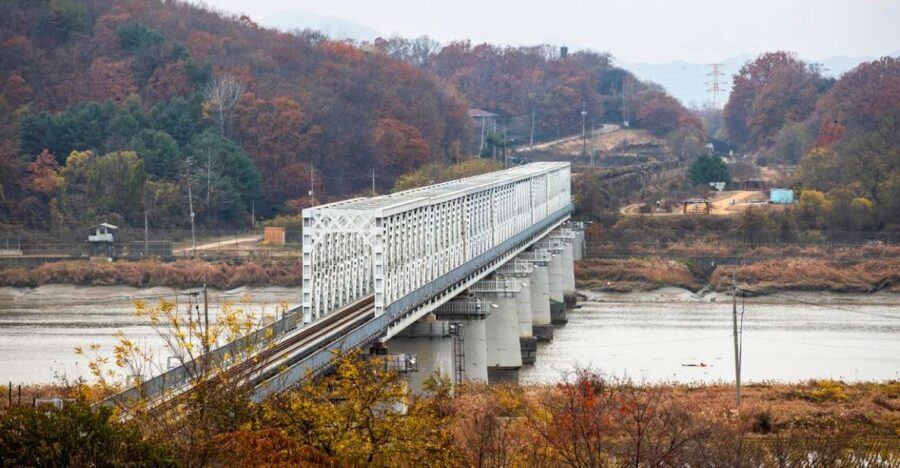
Imjingak Park is your emotional on-ramp. The focus here is the Korean War’s legacy and the hope for reunification. From this area, you also get overlook views of the Imjin River and nearby historical scenery close to the border. Even if you’ve studied the DMZ before, standing here helps you understand why this place is about more than geopolitics—it’s about people and what “cease-fire” means when the war never truly ended.
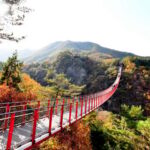
Optional add-on note: you can include the Peace Gondola ride across the Imjin River for an extra fee. If you’re short on energy, you can skip it and keep your time for the main park and reflection zones. If you like viewpoints and calm pacing, it’s an easy add-on that changes the pace without requiring extra walking.
Camp Greaves: former U.S. military base relics, now peace-culture learning
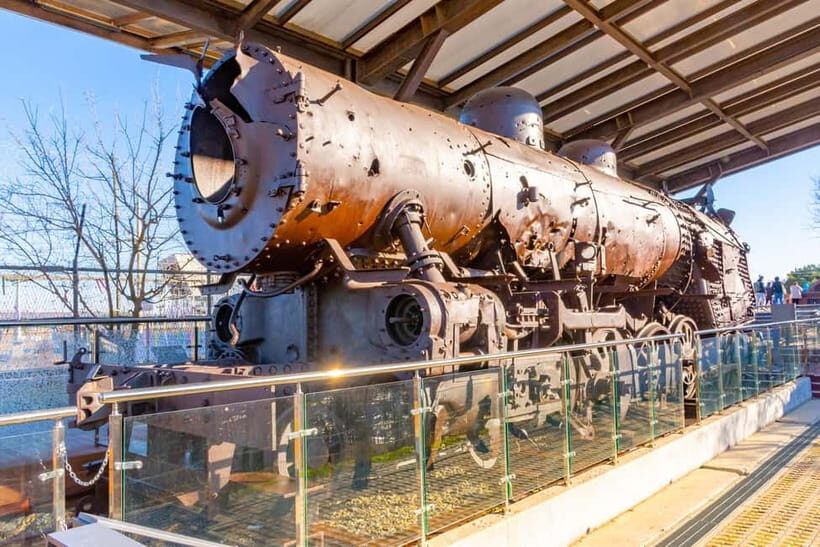
Next you head to Camp Greaves, a former U.S. military base used during the Korean War. This stop is more than a photo stop. The area holds Cold War–era relics—barracks and military facilities among them—kept as evidence of a time when the DMZ was managed like a live frontier.
Today, Camp Greaves is presented as a peace-culture experience site, with exhibits and interactive programs. One of the practical reasons this stop works well on a private tour is that you can slow down where your interest level is highest. If you like military history, you’ll gravitate toward the facilities and structure. If you prefer a human angle, the peace-focused framing will help you interpret the relics without feeling like you’re stuck reading a museum label for hours.
Also worth mentioning: parts of the base have been used as filming locations for popular Korean dramas. If you’ve watched these shows, you might recognize the vibe right away. Either way, it can help the setting feel less abstract—turning a former base into a place you can picture in real time.
Time reality check: the day is tightly packed, so you may not get to see every exhibit at Camp Greaves at the same depth. If that matters to you, tell your guide what you want most—military structures, the explanation panels, or the interactive elements—and they’ll usually find a way to keep your priorities covered.
Lunch time in Paju-si: where to reset without derailing the day
After Camp Greaves, there’s a lunch and free-time window around Paju-si (about 1.5 hours). Meals aren’t included, so you’ll want to plan ahead with a simple goal: eat enough to stay comfortable for the tunnel and Dora Observatory.
This mid-day break matters more than you might think. The Third Tunnel can drain you mentally and physically because it’s cramped and dim. A solid lunch here helps you avoid the common problem of running on nerves and snacks while trying to pay attention to history.
If you’re picky about food or have dietary needs, this is also the moment to handle that. You’re still close enough to the DMZ route to make the schedule, but you’ll have the best chance to choose something that agrees with you.
Third Infiltration Tunnel: the 1.6 km walk that makes history physical
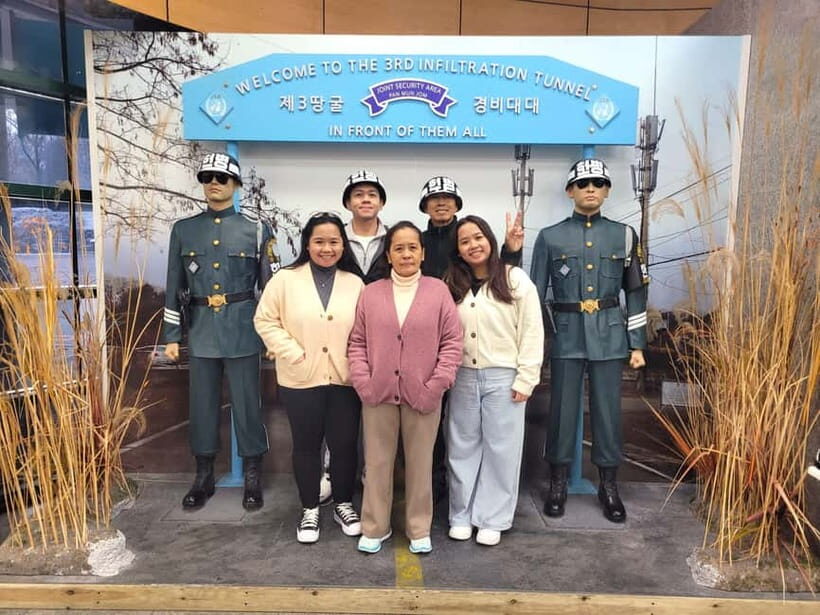
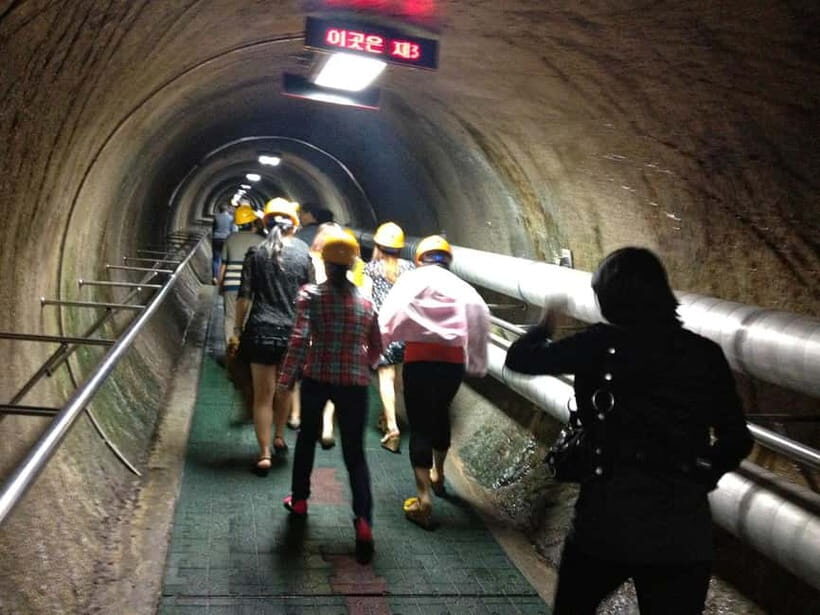
Then comes the headline moment: the Third Infiltration Tunnel, sometimes described as the Third Tunnel of Aggression. It was discovered in the 1970s and dug by North Korea during the Cold War. It’s over 1.6 km long, but you won’t be walking the full length. What you will experience is the key part for visitors: the descent and the feeling of moving through a passage built for concealment and pressure.
You’ll put on a safety helmet and go down into the tunnel—cramped, dimly lit, and not designed for comfort-first sightseeing. This is the stop where good guides make the biggest difference. They don’t just explain facts; they help you read the tunnel’s constraints as part of the story. In other words: the tight space isn’t just discomfort. It’s the point.
Practical mindset: expect that your breathing might feel a little louder than usual, your body will feel more tense, and your camera habits will need adjustment because you’ll likely want both hands and stable footing. If you’re claustrophobic, this is the one part where you should be honest with yourself. Consider whether a tunnel walk fits your comfort level.


Dora Observatory: using telescopes to watch the border line
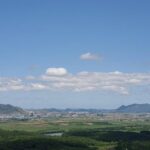
Finally, you head to Dora Observatory. It sits at one of the higher points of the northern line of the DMZ, and it’s known as one of the rare public places where you can peer into North Korea through telescopes.
Here’s the payoff: on clear days, powerful binoculars/telescopes can reveal North Korean border towns and even notable statues and symbols. Names you might hear include Kaesong and the presence of Kim Il-sung statues. If the weather isn’t cooperative, you may get a more limited view—so plan for the day to be weather-dependent.
What I like about Dora as a closing act is that it turns the earlier stops into a visual idea. Imjingak gives the memorial context. Camp Greaves shows the military footprint. The tunnel explains concealment and intent. Then Dora gives you a line of sight—making the DMZ feel like a system of planning, not just a boundary on a map.
There’s about an hour here, with time to look through the telescopes and take in the surroundings.
Timing, weather, and why your guide’s pacing matters
This tour is about 10 hours total. That time includes hotel pickup, multiple coach segments (including roughly 50 minutes to the first major stop and about 1.5 hours for the ride back), and dedicated blocks at each location.
A good guide is how you keep the day from feeling rushed. The names that show up in the praise—John, Jenny, Jonathan, Julie, Chuck Park, Nammin, Stella, Cecilia, and Jae Seo—are repeatedly described as friendly and strong on answering questions. That matters because DMZ history can get confusing fast if you only receive a few bullet facts. With the right pacing, you can ask follow-ups and connect details to what you’re seeing.
Also, the itinerary is subject to traffic and weather conditions. That means your Dora viewing experience could be clearer or more limited, and your schedule can shift slightly. Build your expectations around flexibility, not precision.
Price and value: does $483 buy you the right kind of day?
At $483 per person, this isn’t a cheap tour. But it also isn’t “pay extra for nothing.” You’re paying for the bundle that’s hard to replicate smoothly on your own:
- Hotel pickup and drop-off in central Seoul
- Round-trip transportation by coach across the DMZ route
- English and Chinese speaking guide for historical framing
- DMZ admission fees plus Camp Greaves experiences fee
- The structured sequence that hits major DMZ icons in one day
The only items you usually need to budget separately are meals and the Peace Gondola ticket (if you choose it). For many people, that separation is fine. You can pick lunch that fits your taste and energy level, instead of being locked into one menu.
Value comes from reducing friction. A smooth DMZ day depends on access rules, timing, and guided interpretation. Paying this price makes the experience less stressful—and for many history-minded visitors, that stress reduction is worth a lot.
Who should book this private DMZ tour (and who should reconsider)
This tour fits well if you:
- Want a structured DMZ overview with stops that connect logically from memorial to military relics to tunnel to telescope views
- Like having a guide who can answer questions in real time (some guides are specifically praised for that)
- Prefer a hassle-free day with hotel pickup and guided pacing
It may be less suitable if you:
- Need stroller or wheelchair accessibility (the tour is not accessible for those needs)
- Know you’ll struggle with tight, dim spaces (the tunnel is cramped and helmet-required)
- Want a slower museum-style experience where you can linger for hours at exhibits without schedule pressure
Should you book the Paju DMZ private tour?
If you’re aiming for one high-impact DMZ day from Seoul, I’d lean toward booking. The combination of Imjingak Park, Camp Greaves, the Third Tunnel walk, and Dora Observatory telescopes is the kind of lineup that creates understanding, not just photos. And the repeated praise for guides like John, Jenny, Julie, Chuck Park, and others signals that interpretation and question time are handled well.
Just go in with the right expectations: this is a long, controlled day with weather variables and a physically challenging tunnel section. If that fits your comfort level, you’ll likely come away with a clearer sense of how the Korean War’s cease-fire still shapes what you can see, where you can stand, and what the border feels like.
FAQ
What’s the total duration of the tour?
The tour runs for about 10 hours.
Is hotel pickup and drop-off included?
Yes. Pickup and drop-off are included, with pickup available within central Seoul. Drop-off locations in Seoul include Dongdaemun History & Culture Park Station Exit 10, Hongik Univ. Station Exit 3, and Lotte Department Store Main Store.
Are meals included?
No. Meals aren’t included, though there is free time for lunch around Paju-si and around Imjingak.
Do I need to bring a passport?
Yes. You should bring a valid passport, and you’ll also need a valid ID for all guests on the tour day (including children).
Is the Peace Gondola included?
No. The Peace Gondola ride is an optional add-on with extra fees, and the gondola ticket isn’t included.
Is the tour stroller or wheelchair accessible?
No. The tour is not stroller and wheelchair accessible.