REVIEW · SEOUL
Seoul Cultural Tour – Kimchi Making, Gyeongbok palace with Hanbok
Book on Viator →Operated by VIP TRAVEL Co.Ltd · Bookable on Viator
Wear royalty clothes, then make kimchi. This Seoul tour stacks Hanbok photo time with a palace visit, a tea ceremony, folk games, and a short hands-on kimchi class—so you’re doing more than just watching from the sidelines.
I like the pace and the mix of activities. You get round-trip hotel transport and a small group capped at 10, which makes it easier to keep moving and still get help when you’re in traditional clothing.
One consideration: lunch isn’t included, and the day runs about 6.5 hours. If you’re the type who hates last-minute hunger, plan for a snack or budget time to eat afterward.
In This Review
- Key things you’ll notice right away
- A Seoul Culture Day That Actually Feels Like a Day
- Getting Started With Hotel Pickup and a Small-Group Feel
- Gyeongbokgung Palace in Hanbok: Photos, Manners, and Palace Energy
- Tea Ceremony and Folk Games: The Part That Makes It Stick
- Kimchi-Making Class: 30 Minutes, Real Hands-On Fun
- Insadong Stop: Use It for Photos, Snacks, and Atmosphere
- End Stops: Amethyst Factory or Ginseng Center
- Price and Value: What $99 Buys You in Real Life
- What to Bring (So the Day Feels Easy)
- Who This Tour Fits Best
- Should You Book This Seoul Hanbok and Kimchi Experience?
- FAQ
- What does the tour include?
- How long is the experience?
- Where does the tour go?
- Do I get hotel pickup and drop-off?
- Is lunch included?
- How big is the group?
- What time does the tour start?
- What language will the guide speak?
- Is there free cancellation?
Key things you’ll notice right away
- Small group (up to 10 people), so photos and Q&A don’t feel rushed
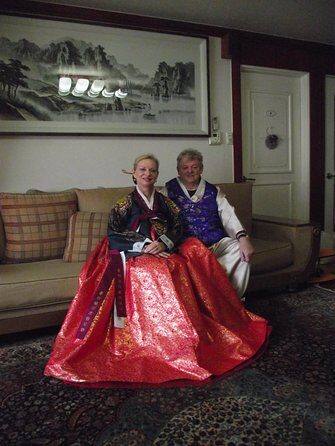
- Hanbok + etiquette focus tied to Gyeongbokgung Palace photo time
- Tea ceremony and folk games that add hands-on culture, not just sightseeing
- Kimchi class is 30 minutes, short on time but designed to get you cooking
- Pickup and drop-off included, which saves you time in Seoul traffic
A Seoul Culture Day That Actually Feels Like a Day
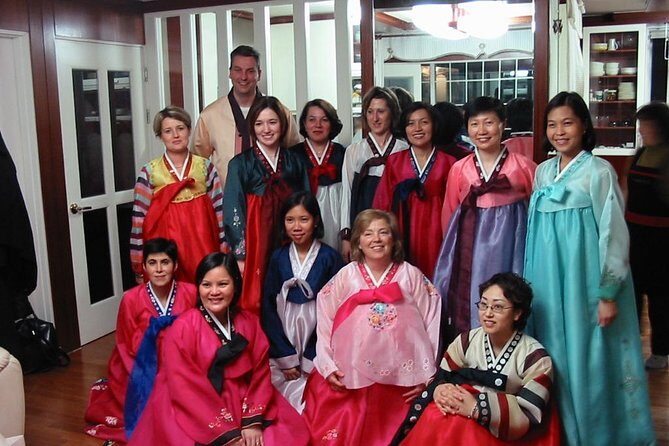
This is the kind of tour that works when you want a lot of culture in one go, without spending half the day figuring out subway exits. You’re in Seoul’s classic core: palace area, Insadong, and a cultural center feel to the experience. The structure matters because it links themes—tradition, food, manners—so it doesn’t feel like random stops.
You also get practical value for the price. At $99 per person, you’re paying for guide time, organized activities (including the kimchi class fee), and the convenience of round-trip hotel transport. That’s usually where DIY plans start to cost you extra in time, taxis, and missed timing.
The tour is built to be interactive. You’ll try on traditional clothing, sit through a tea moment, learn an etiquette angle, and then get your hands into kimchi. If your ideal trip is hands-on rather than just photo-by-photo, this one fits.
You can also read our reviews of more historical tours in Seoul

Getting Started With Hotel Pickup and a Small-Group Feel
The day begins at 9:30 am, and you’ll have hotel pickup in Seoul. That’s a big deal in a city where routes can be easy but time can still vanish. If you’re arriving in Seoul for the first time, or you just don’t want to stress about getting to a meeting point on time, this setup helps you start calm.
The group size is capped at 10. I like tours that keep the group small because it tends to mean you get more attention. It also helps with fitting activities into a 6 hours 30 minutes schedule. When you’re trying on hanbok, moving between stops, and joining group activities, a larger crowd can make it feel like an assembly line.
Expect a professional guide who speaks English or Chinese. Guides in the feedback include Jay, Eva, Alice, Lady K, Lena, Mi So, and Grace—names that show up with praise for friendliness, patience, and good photo help. Even if you’re not assigned a specific person, the style is clearly aimed at keeping things upbeat and understandable.
Gyeongbokgung Palace in Hanbok: Photos, Manners, and Palace Energy
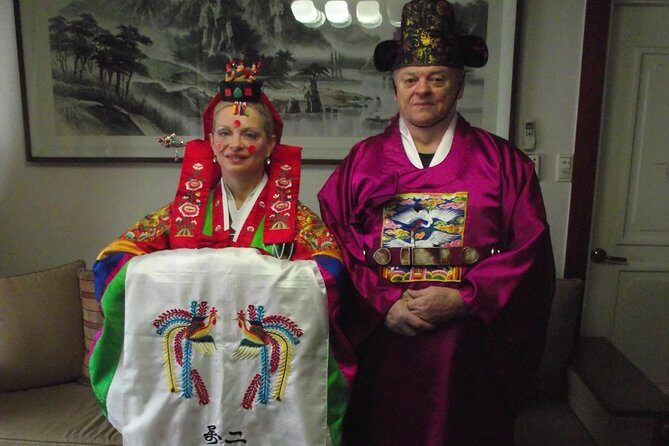
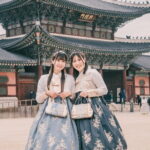
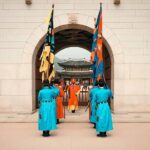
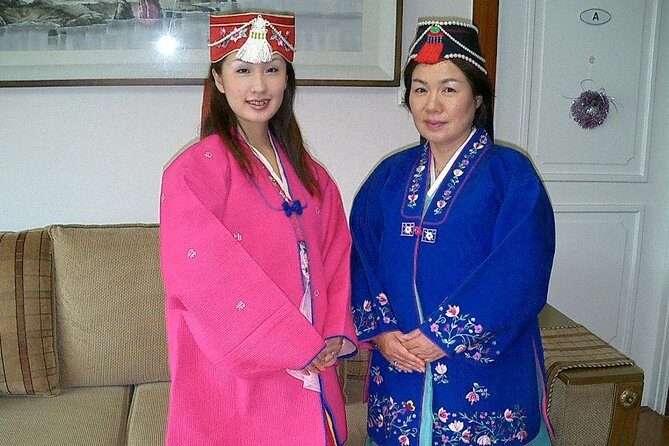
Gyeongbokgung Palace is your first stop. This is Seoul’s “big deal” palace for many visitors, and the timing and clothing choice are the trick: you’re dressing in hanbok for the experience, then using that moment for photos and palace sightseeing.
Why this works: hanbok turns a palace visit from a checklist item into a lived-in scene. You’re not just looking at the past—you’re stepping into the look. And because the tour includes an etiquette component, you’re not standing there randomly in your outfit. The experience leans into how people in the Joseon-era courtly culture conducted themselves, at least in a guided, visitor-friendly way.
Practical note: hanbok fits and feels different than normal clothes. The outfits can be heavier or more layered than you expect, and you’ll likely walk a bit in and around palace grounds. Wear comfortable shoes you can manage even if you’re excited about perfect photos. Think “walk first, pose second.”
Also, don’t plan to treat the palace like a museum you’re conquering in full. This tour prioritizes the classic photo-and-context experience rather than an hours-long solo deep dive of palace architecture. That’s not a flaw—it’s the trade for packing in kimchi and games later.
Tea Ceremony and Folk Games: The Part That Makes It Stick
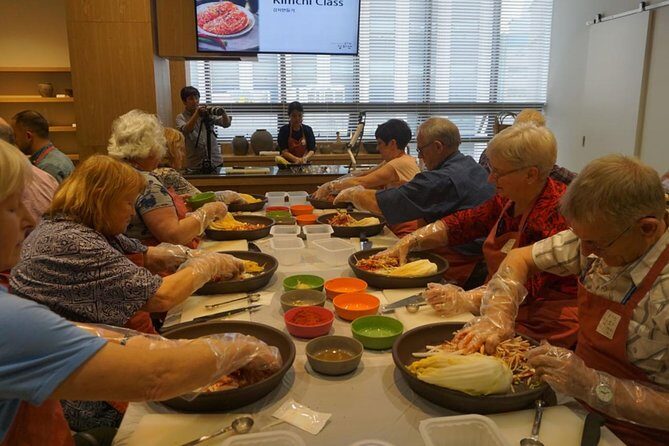
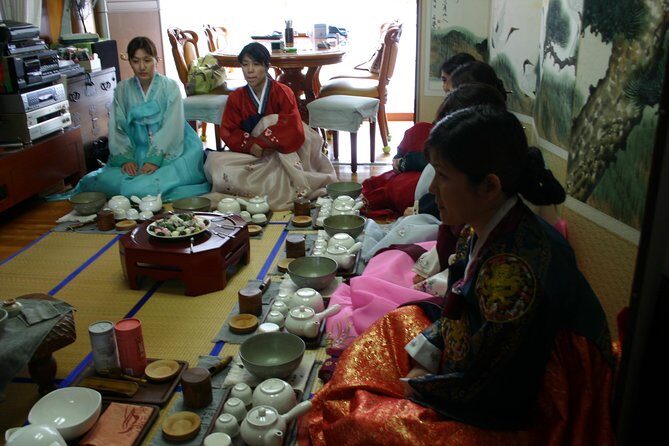
After the palace time, the tour moves into a more cultural center vibe. You’ll enjoy a cup of Korean tea and participate in traditional etiquette learning while you’re dressed in hanbok. This is a smart pairing: tea rituals and manners are tied together, and it’s easier to understand the meaning of etiquette when you’re literally in the mindset of slowing down.
Then comes the folk games. One of the highlights people call out is Yut-Nori, a traditional Korean board game style that’s playful but also very “social” by design. That matters on a short tour. You don’t just sit and listen—you participate, laugh, and pick up a bit of cultural context through play.
What I like here is the pacing. A tea ceremony can become boring if it’s too long or too formal. Here, it’s part of a tight 6.5-hour flow, so it feels like a reset between big visual stops (palace, then kimchi prep). It’s also family-friendly, which you’ll appreciate if you’re traveling with kids or grandparents. The tour’s format doesn’t assume everyone wants the same intensity level.
Kimchi-Making Class: 30 Minutes, Real Hands-On Fun
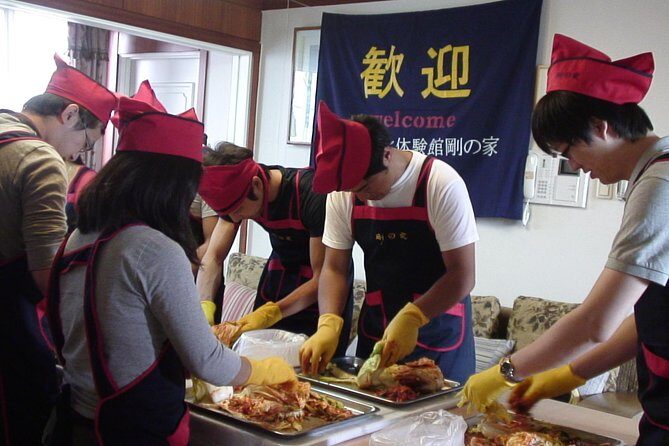
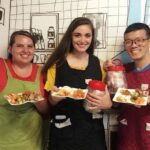
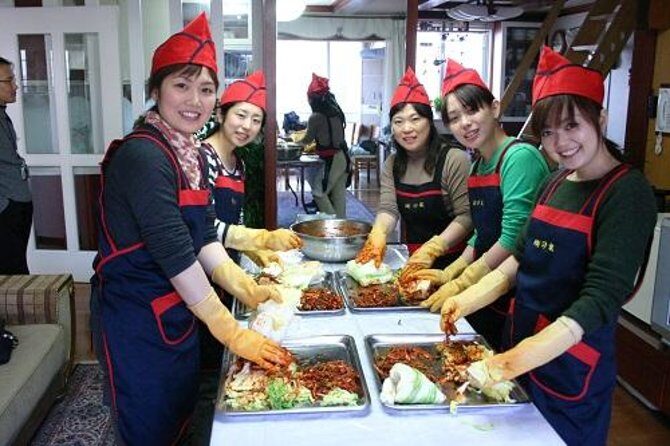
The tour’s heart is the kimchi-making class. You get a kimchi-making lecture fee included, and the class runs about 30 minutes. That’s short, but it’s long enough to learn the basics and actually make something you can talk about later.
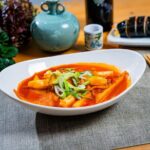
Here’s what you’re getting beyond the recipe. The tour frames kimchi as a key part of Korean diet culture, not just a trendy food item. You’ll learn about its history and tradition, and you’ll also discover how versatile it is. In other words, the goal isn’t only to produce a jar—it’s to understand why kimchi shows up in so many Korean meals.
A practical expectation: 30 minutes means you won’t become a master fermenter on the first day. You’ll learn the steps and the reasoning behind them, and you’ll leave with the confidence to taste, recognize ingredients, and understand how Korean cooks think about flavor balance. If you’re hoping for a full fermentation workshop with days of timing, you may find this is more of an introductory class than a deep training session.
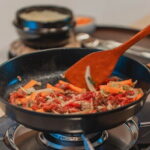
From the feedback, the kimchi part can be messy in the best way. One highlighted moment is being elbow-deep in bright red kimchi while learning what makes it unique. If you love tactile cooking experiences—mixing, seasoning, adjusting—this will likely feel like the most memorable segment.
You can also read our reviews of more cooking classes in Seoul

Insadong Stop: Use It for Photos, Snacks, and Atmosphere
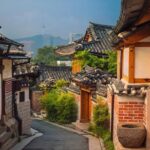
The tour includes a stop in Insadong. Insadong is the area most people aim for when they want traditional Seoul flavor plus shops, tea spots, and street-scene wandering.
On this kind of tour, Insadong usually works best as a “use your eyes” pause. You’ll likely have time to get oriented, grab a few additional photos, and connect the day’s themes to the real neighborhoods around you. It’s also the part where you can quickly decide what you want to explore more later—without turning the day into an endless shopping mission.
Since lunch isn’t included, treat Insadong as your convenient fall-back. If the tour schedule runs tight, Insadong’s dense food options can help you solve the hunger problem without changing your plans. Just know the tour is set up to end with cultural activities, not a sit-down lunch.
End Stops: Amethyst Factory or Ginseng Center
The day wraps up with a return to your hotel via an amethyst factory or a ginseng center. You’re not just going straight back. Instead, you get a final stop with a focus on products tied to Korean wellness and local craft/industry.
What I take from this kind of finale: it’s a “take-home curiosity” moment. If you want to hear how Koreans talk about ginseng in educational terms, the ginseng facility fits that angle. If you’re more into a crystal/craft story, the amethyst factory option can be a fun contrast to kimchi and palace time.
A consideration: factory and center stops can feel more commercial than cultural in tone. If you’re sensitive to that, go in with a mindset of “I’m here for the explanation and photos,” not “I’m here to spend.” You can enjoy the information without feeling pulled into shopping pressure.
Price and Value: What $99 Buys You in Real Life
At $99 per person for a 6 hours 30 minutes experience, the value comes from three bundled items:
1) Guide-led activities: palace time, etiquette focus, tea ceremony, folk game, and the kimchi class
2) Entry/lesson coverage: the kimchi lecture fee is included
3) Round-trip hotel transport: you’re spared the hassle of transit juggling
If you tried to copy this day on your own, the biggest hidden cost is time. Palace + photo coordination in hanbok + a cooking lesson + folk game context is hard to stitch together without paying for separate bookings. Even when DIY looks cheaper on paper, your day can blow up when timing doesn’t match.
Also, note what’s not included: lunch. That doesn’t make it bad value—it just means the $99 is focused on structured culture rather than full meals. Budget for food, and you’ll feel like you got your money’s worth.
What to Bring (So the Day Feels Easy)
This tour includes hanbok, so your personal packing list can stay simple. You’ll still want comfort for walking and photo time.
Bring:
- Comfortable shoes for palace walking and neighborhood walking
- A light layer if the weather shifts during the day
- Any small extras you want for photos (phone is the obvious one)
Wear:
- Clothing that’s easy to manage for transitions. You’re in hanbok during parts of the tour, so your outer layers should be manageable when you’re dressing and undressing.
If you’re thinking about filming or taking lots of photos, keep your phone battery in mind. A day with multiple photo moments (palace, hanbok, folk game) can drain power faster than you expect.
Who This Tour Fits Best
This experience tends to suit:
- First-time visitors who want a classic Seoul day in one package
- Couples who like photos and want a “different from standard sightseeing” story
- Families, including multigenerational groups, since the tone is interactive and games-based
- Food lovers who want kimchi-making as the anchor activity, not just a side tasting
If you’re the type who wants long museum-style time at every site, this might feel packed. But if you like variety—palace, etiquette, tea, games, cooking—then the tour’s design is built for your style.
Should You Book This Seoul Hanbok and Kimchi Experience?
Book it if you want a structured cultural day with real participation: hanbok photos, tea, a folk game like Yut-Nori, and a hands-on kimchi class. The small group size and hotel pickup add practical comfort, especially if you’re tired from travel or you just don’t want to spend your morning navigating Seoul.
Skip it (or choose a more food-focused/longer format) if you’re hungry for a deeper cooking or fermentation course, or if you hate days that pack a lot into a single schedule. Also plan for lunch on your own since it isn’t included.
If you want a memorable Seoul story you can explain clearly—how kimchi connects to diet culture, what palace etiquette feels like in hanbok, and how traditional games break up the day—this one’s a strong pick.
FAQ
What does the tour include?
The tour includes kimchi-making lecture fee, a professional guide (English or Chinese), hotel pickup in Seoul, and all taxes, fees, and handling charges. It also covers round-trip transport and the cultural activities listed in the experience.
How long is the experience?
It runs about 6 hours 30 minutes.
Where does the tour go?
It includes stops at Gyeongbokgung Palace and Insadong, plus additional cultural activities at a cultural center. The return ride may pass by an amethyst factory or a ginseng center.
Do I get hotel pickup and drop-off?
Yes. Round-trip hotel transport is included.
Is lunch included?
No, lunch is not included.
How big is the group?
The maximum group size is 10 travelers.
What time does the tour start?
The start time is 9:30 am.
What language will the guide speak?
The guide is English or Chinese.
Is there free cancellation?
Yes. You can cancel up to 24 hours in advance for a full refund. Cancellation within 24 hours of the start time is not refundable.