REVIEW · SEOUL
Seoul moonlight walking tour with local historian
Book on Viator →Operated by SeoulDude's Walking tours · Bookable on Viator
Moonlight in Seoul has a different pulse. This 2-hour Seoul night walking tour with a local historian-style guide strings together student culture, small live-theater streets, mural alleys, and big city views, so you see more than the usual highlights. I especially like the way the guides keep things fun, with humor from people like Jessica and Ethan, and how the route saves the best viewpoints for later in the walk.
If you want a night in Seoul that feels personal and local, this route also focuses on places foreigners often miss without a local explanation, like Ihwa Mural Village and the Seoul City Wall.
The main thing to plan for is effort: you’re walking and climbing on hills, with stairs at multiple stops. I’d skip this if you have serious mobility limits or knee issues.
In This Review
- Key highlights to look for
- Why a moonlight walking tour works so well in Seoul
- Price and value: what $31.98 really buys you
- Where you start: Hyehwa, the student-and-art zone at night
- Stop 1: Seoul University Hospital Medical Museum and student culture
- Stop 2: Marronnier Park and the live-theater street mood
- Stop 3: Naksan Park and Seoul’s capital story
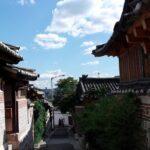
- Stop 4: Ihwa Mural Village and why the hillside matters
- Stop 5: Seoul City Wall for the night-view payoff
- The guide style: stories, humor, and local context
- Group size, pace, and photo breaks that actually help
- Optional dinner: a nice add-on, not a requirement
- Who this Seoul moonlight walk is best for
- Quick tips to make the walk easier (and better photos)
- Should you book this Seoul moonlight walking tour?
- FAQ
- How long is the Seoul moonlight walking tour?
- What is the price per person?
- Where does the tour meet?
- Does the tour include tickets or admission fees?
- Is there a mobile ticket?
- What group size should I expect?
- Is the walk suitable for most people?
- What should I bring for a comfortable experience?
- What happens if the weather is poor?
- Can I cancel for a refund?
Key highlights to look for
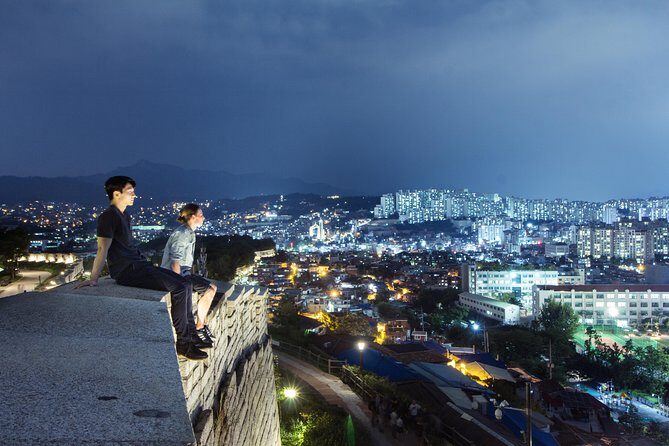
- Night viewpoints timed right: you end with the best Seoul panorama feel along the Seoul City Wall area.
- A guide who tells the why: you’re not just seeing places; you’re hearing stories about education, capital history, and everyday life.
- Stop-by-stop variety in a small loop: university museum, Marronnier Park theater zone, Naksan Park, Ihwa Mural Village, then the city wall.
- Small group size: up to 20 travelers, so questions and photo stops are easier.
- Photo-ready advice: people recommend getting your phone charged and wearing comfy shoes for the uphill sections.
Why a moonlight walking tour works so well in Seoul
Seoul at night can feel like full-volume electricity. What most first-time visitors miss is that the city also changes in layers as you move uphill and back down again. This kind of walk turns that movement into the experience, not a chore.
You’ll get a steady rhythm: short stops, quick context, and then a new pocket of the city with a different mood. The small timing blocks (often around 5–20 minutes each) keep it light enough for a 2-hour evening, while still giving the guide time to explain what you’re seeing and why it matters.
If you like your sightseeing with stories you can’t easily read on a signboard, this is the format that fits. It’s also good if you’re in Seoul for only a few days and want one plan that covers several neighborhoods without long rides.
You can also read our reviews of more walking tours in Seoul
Price and value: what $31.98 really buys you
At $31.98 per person for about 2 hours, the value here comes from two things.
First, you’re paying for human context. The tour is led by local guides under SeoulDude’s Walking tours, and the whole point is a night route with historical and cultural commentary. That’s harder to recreate by yourself in the same time window, especially when you’re moving through hills and mural streets.
Second, your route includes multiple stops where admission is listed as free. The Seoul University Hospital Medical Museum stop is free, and the other listed stops (Marronnier Park, Naksan Park, Ihwa Mural Village, Seoul City Wall) are also marked as free on the provided details. That helps keep your evening predictable.
One extra note: there’s an optional dinner/food session after the tour, but it’s not included. So budget only if you want that add-on.
Where you start: Hyehwa, the student-and-art zone at night
The meeting point is at Hyehwa120 Daehak-ro, Jongno District, and the tour ends back at the same spot. That matters more than it sounds. You don’t have to solve a “how do I get home” puzzle after dark, and you can easily pair this with dinner on your own before or after.
This area connects well to public transportation, so you’re not stuck hunting for taxis. It also sets expectations for the vibe: you’ll start near a student and arts corridor feel (Daehak-ro), then gradually shift into hill neighborhoods and viewpoint territory.
For a first Seoul day, this kind of start is smart. You get a sense of how different parts of the city connect, and then you can build the rest of your trip around that mental map.
Stop 1: Seoul University Hospital Medical Museum and student culture
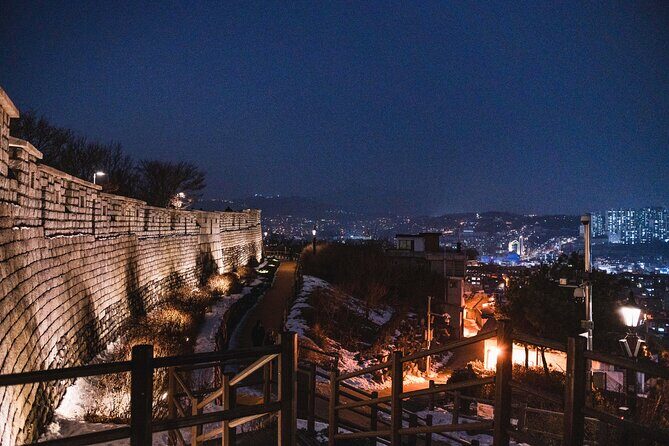
Your first stop is Seoul University Hospital Medical Museum. It’s listed as about 10 minutes, and admission is ticket-free.
The way this stop gets used is clever: it frames Korean university life through a medical setting. The description calls it the highest place that students can go in the country, which gives the walk a “culture lens” early on rather than saving everything for the big views. If you’ve been curious about how education and institutions shape daily life, this is a strong opener.
What to expect here: a short orientation-style segment. You’ll be learning how students’ world and status tie into broader social structures, not just absorbing random facts.
Potential drawback: since this is an early stop, the museum portion is brief. If you want a long museum visit, you’d need extra time beyond the tour.
Stop 2: Marronnier Park and the live-theater street mood
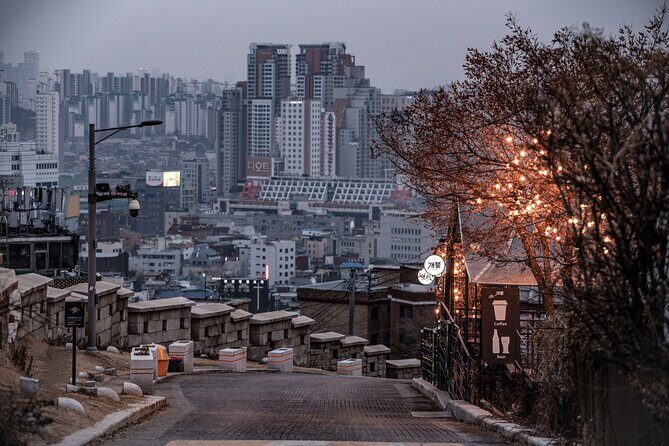
Next up is Marronnier Park, about 5 minutes, also marked as free.
This is the “feel it in your body” stop. Marronnier Park is described as a cultural area known for live theaters and live shows. In practice, that means the area has an arts and performance pulse you can notice right away, especially at night.
I like this kind of stop because it prevents the evening from becoming only monuments and viewpoints. It adds a human-scale Seoul: the city as a place where performance culture lives right in the streets.
Practical tip: this is short. Don’t expect time for big photo sessions here unless your guide gives you a moment. Treat it as a quick flavor shift.




Stop 3: Naksan Park and Seoul’s capital story
Then you head to Naksan Park for about 10 minutes, again with no admission ticket needed on the provided details.
This stop focuses on how Korea’s capital was located in Seoul, plus how it changed over time. It’s not just geography talk. It’s the story of how the city’s role and layout connect to why people built and walked where they did.
If you’re already interested in Seoul’s walls and hill positions, Naksan Park works like a bridge between “why this area matters” and “what you’ll see later.” It also supports the tour’s night-views pacing: you’re building toward the big panorama moments.
Walking note: this is part of the uphill rhythm. Even if it doesn’t feel extreme at first, the tour overall includes hills and stairs, so keep your energy steady.
Stop 4: Ihwa Mural Village and why the hillside matters
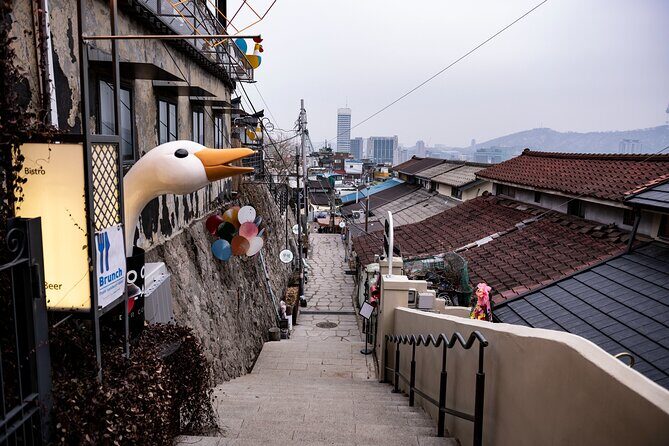
Your longer creative stop is Ihwa Mural Village, about 20 minutes, with admission listed as free.
The description frames it as a mural village of unwealthy people and asks a direct question: why many hillside village spaces were for people with less wealth. Mural neighborhoods can turn into Instagram backdrops fast. Here, the context helps you see the murals as part of a social story, not only street art.
What to expect: more time to wander and absorb the small details. Mural villages are made for slow walking and photo pauses, so this stop benefits from wearing shoes that don’t punish you on stone steps.
A consideration: if you hate crowd density, mural areas can feel busy even at night. The guide’s pacing matters here, so don’t rush it yourself. Let the guide point out what you might otherwise miss.
Stop 5: Seoul City Wall for the night-view payoff
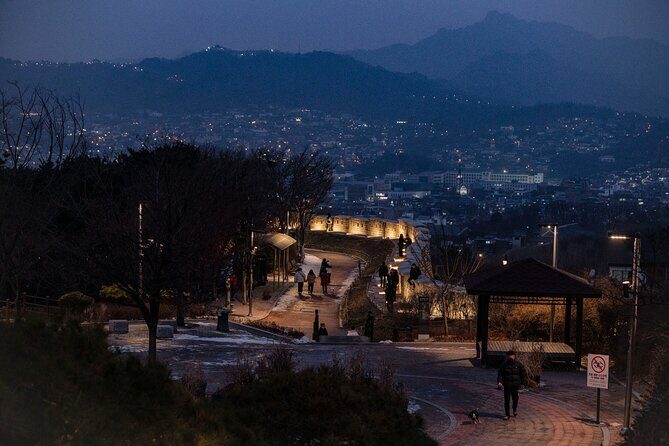
The finale is Seoul City Wall, about 20 minutes, also marked as free. The description calls it a historical monument with romantic atmospheres and awesome night views, and it’s positioned as a place that’s easier to miss without local guidance.
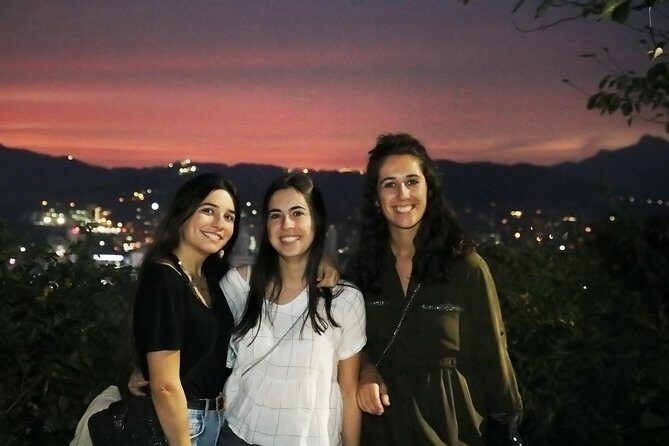
This is where the walk earns its name. As you move higher and farther along the wall area, the city lights become the show. The Seoul City Wall segment is described as hidden but worth seeking out for night viewing, and that’s exactly what a good night walk should do: earn its best view at the end.
What I like about this ending plan: it gives you a sense of arrival. You’ve learned the “why” of the neighborhood placement, and then you get the “wow” from the view. It’s a satisfying arc from culture stories to visual payoff.
One practical caution: plan for stairs and uneven steps. Even people who say the hills did not feel too hard still mention that there are stairs. If you’re sensitive to stairs, go slow and take the photo moments when the group pauses.
The guide style: stories, humor, and local context
A big reason this tour earns near-perfect ratings is the guide energy. Names like Jessica, Ethan, Leah, June, Smin, Sumin, and Shin show up in the guide roles people experienced, and the consistent pattern is a mix of history and fun delivery.
The guide format is practical: you get short chapters of context tied to each place, plus time to ask questions. Several people highlight that the guide explains Korea of today alongside the past, not only old kings and dates. That balance is what helps you connect the city’s physical layout to modern life.
If you want a quiet, reflective walk with minimal talk, this may not be your match. This tour is built for storytelling. But if you like jokes with a purpose—plus an easy pace and patience for questions—it’s a great fit.
Group size, pace, and photo breaks that actually help
This tour caps at 20 travelers, which is a meaningful size limit. It keeps the walk feeling like a group rather than a roaming crowd, and it helps with timing when everyone needs a photo.
The overall walk time is about 2 hours. That’s long enough to feel like you did something real, but short enough that you don’t lose your whole evening to transit and stops.
Expect uphill movement and stairs. The tour is described as having a fair bit of stairs, and that shows up in the practical advice: wear comfy shoes and don’t rely on sandals. People also mention getting your phone charged for the night views, which is exactly the kind of detail that makes or breaks a night photo experience.
Optional dinner: a nice add-on, not a requirement
There’s an optional food session after the tour. It’s described as a food session after the tour that’s not included in the price.
That’s a good structure. You’re not forced to sit through a meal with strangers after walking uphill. If you want local recommendations, you can ask your guide what fits your taste, then decide based on how you feel.
Who this Seoul moonlight walk is best for
This works especially well if you:
- want a Seoul night plan with local storytelling, not only landmarks
- like walking routes that combine culture and city views
- are comfortable with hills and stairs for about 2 hours
- want something that helps you understand neighborhoods quickly, especially around Hyehwa and Naksan
It’s less ideal if you:
- struggle with stairs or uneven steps
- expect a fully flat, casual stroll
- dislike guided talk and prefer self-guided sightseeing only
If you’re traveling solo, a small-group night walk can also be a smart way to meet people while still getting a local historian’s viewpoint.
Quick tips to make the walk easier (and better photos)
Here’s the practical checklist I’d follow for this specific route:
- Wear comfy shoes with good grip. The city wall and mural alleys are not smooth sidewalks.
- Bring insect protection. One clear tip from the provided guidance is to use bug spray.
- Charge your phone. Night views are the main payoff, and you’ll want battery for photos.
- Pack light. You’re moving hills on foot, so keep bags small.
- Go slow on climbs. This is a pacing tour, not a race.
Should you book this Seoul moonlight walking tour?
If you want one efficient evening that connects Seoul’s student-area feel, arts streets, hillside mural life, and the Seoul City Wall night panorama, I think this is a strong booking. The price is fair for a guide-led walk, and the stop admissions listed are free for the key places on the route.
Book it if you’ll enjoy a story-forward guide and you’re fine with stairs. Skip it if stairs are a hard no for you. If you can handle hills, this is exactly the kind of night plan that helps Seoul feel less like a list and more like a place with meaning.
FAQ
How long is the Seoul moonlight walking tour?
It’s about 2 hours.
What is the price per person?
The price is $31.98 per person.
Where does the tour meet?
The meeting point is Hyehwa120 Daehak-ro, Jongno District, Seoul, South Korea.
Does the tour include tickets or admission fees?
Admission tickets are listed as free for the stops included in the tour (including the Seoul University Hospital Medical Museum). A dinner/food session after the tour is optional and not included.
Is there a mobile ticket?
Yes, the tour uses a mobile ticket.
What group size should I expect?
The tour has a maximum of 20 travelers.
Is the walk suitable for most people?
It says most travelers can participate, but it does involve walking up hills and stairs.
What should I bring for a comfortable experience?
You’ll want comfortable shoes, and it’s recommended to have your phone charged for night views. Bug spray is also specifically suggested.
What happens if the weather is poor?
This experience requires good weather. If it’s canceled due to poor weather, you’ll be offered a different date or a full refund.
Can I cancel for a refund?
Yes. You can cancel for free up to 24 hours in advance for a full refund.