REVIEW · SEOUL
Gangnam Walking Tour on Youth and Society in Seoul Korea
Book on Viator →Operated by SeoulDude's Walking tours · Bookable on Viator
Gangnam can look glossy from afar, but the facts hit differently. This 2.5-hour small-group walk in Seoul uses real neighborhoods to explain what shapes young people in Korea, from beauty standards to education pressure and even the softer and darker sides of dating culture. You get a local-guided route that most first-time visitors skip, with built-in chances to ask questions and keep the pace human.
I love the small group size (max 15) because it makes the talk feel personal, not like a lecture in a crowd. I also like that the tour is story-first, not sightseeing-first—you move through Gangnam streets and specific spots, then you get the context to make sense of what you’re seeing.
One thing to consider: this tour spends real time on heavy topics, and it’s still a walking tour. If you only want postcard Seoul and zero discomfort, you might prefer a more classic Gangnam highlights route.
In This Review
- Key things I’d notice fast
- Gangnam Through Youth and Society, Not Tourist Postcards
- Price and Logistics: What You Pay, What You Don’t
- Meet at Yeoksam-dong, End by the Han River
- Stop-by-Stop: What Each Gangnam Spot Teaches You
- Stop 1: 강남역사거리 (Gangnam Station Square) and the Weight of Development
- Stop 2: 호텔시애틀 (Hotel Seattle) and the Reality of Love Hotels
- Stop 3: Gangnam Daeseong Cram School and the Education Pressure Machine
- Stop 4: Sinsa-dong (Gangnam-gu) and Plastic Surgery Culture
- Stop 5: Hangang Park Playground and the Dark Side of Development
- Guides June or Jessica: How the Storytelling Lands
- Walking Pace, Group Size, and What to Expect Physically
- Is This Tour Too Dark for You?
- Should You Book This Gangnam Walking Tour?
- FAQ
- FAQ
- How long is the Gangnam Walking Tour on Youth and Society?
- What does the tour cost?
- Is there a mobile ticket?
- What’s the group size limit?
- Where do I meet, and where do we end?
- Is the subway included?
- Are admission fees included for the stops?
- What topics are covered during the tour?
- What happens if the weather is bad?
- Is free cancellation available?
Key things I’d notice fast
- Small-group Q&A that keeps the conversation grounded in what you’re curious about
- Gangnam locations with real meaning, including a cram school and a love hotel area
- Beauty industry and lookism context tied to what you see in Sinsa-dong
- A Han River stop that reframes development with the realities people don’t see in ads
- Guides named June or Jessica, both praised for storytelling and adapting to conditions
Gangnam Through Youth and Society, Not Tourist Postcards

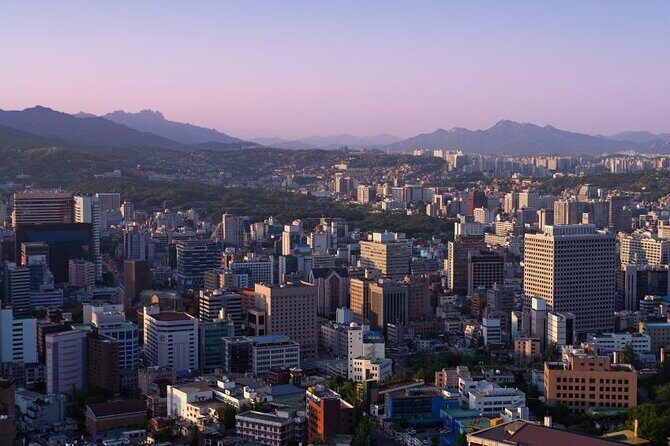
If you’ve only seen Gangnam from photos, this tour gives you the missing footnotes. Gangnam is the part of Seoul that gets packaged as success: high-end streets, confident faces, and the sense that everything is moving forward. This experience keeps that energy in view, then asks the question underneath it—what does that pressure do to young people trying to survive and succeed?
The guide uses the neighborhood as a classroom. Instead of floating from landmark to landmark, you walk street-to-street and stop at specific places tied to major forces in Korean youth culture. Expect topics like the beauty industry and plastic surgery culture, cram schools and supplemental education, dating and marriage norms, and love hotel culture. The tone stays practical and human. It’s not about shocking you for sport; it’s about explaining why these places exist where they do.
And yes, you can ask questions. With a group capped at 15, you’re more likely to get a real back-and-forth moment instead of waiting for a lull in the script. That matters, because the biggest value here is your understanding—how the social system connects to the places you pass every day.
You can also read our reviews of more walking tours in Seoul


Price and Logistics: What You Pay, What You Don’t
The price is $31.98 per person for about 2 hours 30 minutes. That’s not just for walking around. You’re paying for a guided route, stop-based storytelling, and a local lens that turns Gangnam into a live case study on youth and society.
A few practical wins:
- Gratuities are included, so you’re not doing math mid-trip.
- The scheduled stops list admission as free, so you’re not hunting down tickets for each location.
- You use a mobile ticket, which keeps things simple on the day.
The one cost to plan for is transportation during the walk. The tour notes a subway ride once, and the 1800 won subway fee is not included. If you’re budgeting, add that in. You’ll get the guidance on the walk’s flow, but you’ll still need the cash/card for that single subway hop.
Also, you start at 10:30 am and finish at the Han River Park area near Apgujeong Station Exit 4. It’s morning-friendly, not a late-night party crawl, and the ending location can be a nice reset if you want to keep exploring on foot afterward.
Meet at Yeoksam-dong, End by the Han River
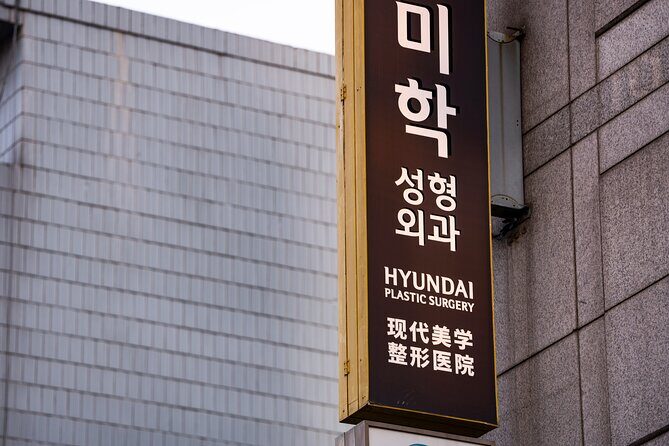
You meet at 820-10 Yeoksam-dong, Gangnam District, Seoul. The exact start time listed is 10:30 am, so give yourself a little buffer to find the meeting spot and get your bearings before the group moves.
The walk ends at Han River Park (Hangang Park area), and the closest stop called out is Apgujeong Station Exit 4. That end point is more than a nice view—it’s part of the theme. The Han River is a symbol of Seoul’s fast development, but it’s also tied to darker stories people don’t see in typical travel marketing.
Bring comfortable shoes. Even when the tour takes short rests, you’re still on your feet for most of the 2.5 hours. Reviews also mention that it can be a lot of walking for older travelers, so if your legs tire quickly, go in with realistic expectations.
And one more day-of reality: the tour is described as requiring good weather. If conditions are poor, the plan can change. In at least one rain situation described, the guide stayed engaging and still covered the key ideas, so you’re not guaranteed a perfect weather day, but you can expect the guide to keep things moving.
Stop-by-Stop: What Each Gangnam Spot Teaches You
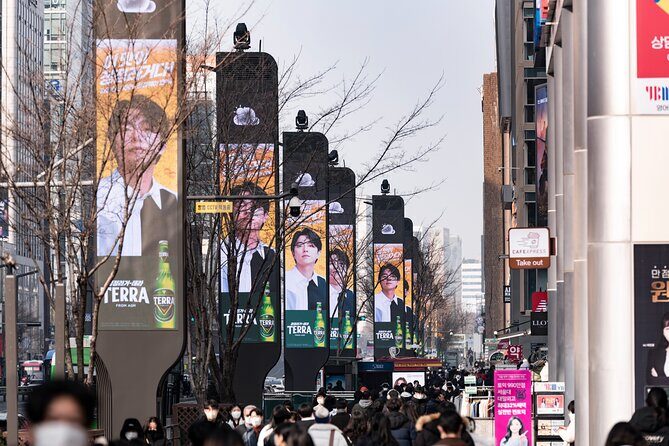
This is the heart of the tour: five stops, each tied to a specific social pressure or culture. The magic is how the guide connects what you see in Gangnam to what young people feel in their daily lives.
Stop 1: 강남역사거리 (Gangnam Station Square) and the Weight of Development
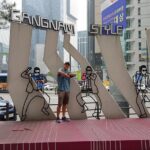
You start at 강남역사거리 (Gangnam Station Square). Gangnam is often framed as the most developed and wealthy area in Korea, and this stop anchors that idea fast. You’ll hear about housing problems and the history behind Gangnam’s growth—how development shaped neighborhoods and, in turn, shaped what it means to chase stability.
Why this matters: if you don’t understand the development story, everything else can feel random. The cram school culture, the beauty industry pull, the pressure around relationships and marriage—these connect back to a society where competition and cost-of-living realities are front and center.




Stop 2: 호텔시애틀 (Hotel Seattle) and the Reality of Love Hotels
Next you visit 호텔시애틀 (Hotel Seattle), described as part of a love hotel district. This is where the tour takes dating and romance out of drama and into everyday culture. You’ll learn how love hotels fit into Korean social life—especially how young people navigate privacy, expectations, and relationships within a world that’s not always openly flexible.
Why this matters: most visitors treat love hotels like a weird side note. Here, it becomes a window into social norms and how youth handle closeness in a society with clear boundaries.
Stop 3: Gangnam Daeseong Cram School and the Education Pressure Machine
The third stop is Gangnam Daeseong Cram School, and it’s a big one. You’ll spend time at a private institute that’s described as one of the most famous. The guide shares education culture and connects it to birthrate-related concerns—the idea that pressure in schooling doesn’t stay in the classroom.
Why this matters: supplemental education isn’t just about test scores. It can shape confidence, stress levels, and future life decisions. If you want to understand why young Koreans talk so seriously about schedules, outcomes, and competition, this stop gives you the “why” behind the intensity.
Stop 4: Sinsa-dong (Gangnam-gu) and Plastic Surgery Culture
Then you head to Sinsa-dong in Gangnam-gu, identified as a top area for plastic surgery. The tour frames this as plastic culture—and it’s not presented like gossip. It’s discussed as part of how society measures attractiveness and how young people respond to those expectations.
From the guide’s themes, you can expect talk that connects beauty standards to pressures people feel about looking like the right version of success. In the tour discussions, you’ll also hear related ideas tied to lookism and the bigger social payoff of appearing “competitive.”
Why this matters: this stop helps you connect advertising-friendly beauty ideals to real neighborhood choices. When you see the clinics and know the social story, it stops being just a strange Gangnam fact and becomes part of the culture’s system.
Stop 5: Hangang Park Playground and the Dark Side of Development
The final stop is Hangang Park Playground at the Han River. The tour description ties the Han River to development and suicide, and that’s not a throwaway line—it’s a reminder that Seoul’s rapid growth has consequences that never make it into glossy brochures.
Why this matters: if you’ve been thinking about education, dating, and beauty standards as competition games, this last stop shifts the emotional register. It makes the whole tour feel less like culture trivia and more like a human story about pressure, coping, and what happens when support systems fail.
And since you finish here, the ending can be a quiet moment. You’re walking through social pressures all morning, and then you reach a place that represents both the promise and the cost of rapid change.
Guides June or Jessica: How the Storytelling Lands
Two guide names come up repeatedly: June and Jessica. Both are praised for being organized and for shaping the tour around clear explanations, not vague commentary.
Here’s what I think you’ll feel if you get one of them:
- The guide tends to stick to the schedule, so the time doesn’t get wasted.
- The talk is described as honest and grounded, including serious topics instead of skirting them.
- There’s often context about Seoul’s development over decades, including how the city became what it is today.
- The guide may add comparisons with US culture, which can make the social differences easier to wrap your head around.
- If weather turns, the guide can adjust while still covering the important parts.
And the Q&A piece isn’t just marketing. With a max group size, questions can steer small parts of the conversation. That can be especially useful if you’re the type who wants to connect what you’re hearing to something you saw online, in a drama, or in daily life in Seoul.
Walking Pace, Group Size, and What to Expect Physically
The group limit is 15 people, and that size changes the feel immediately. You’re not pushed into a single-file rhythm with no room to stop and look. Instead, you get short stop durations and time at key points so the guide can explain without sprinting.
The stop times listed are:
- 15 minutes at Gangnam Station Square
- 10 minutes at Hotel Seattle
- 20 minutes at the cram school
- 20 minutes in Sinsa-dong
- 20 minutes at Hangang Park Playground
That schedule adds up to the overall 2 hours 30 minutes duration. It’s not a quick street stroll; it’s a structured walk where explanation is part of the movement.
One caution from the experience vibe: because it’s still walking with multiple stops, it may be tiring for seniors or anyone with mobility limits. If you’re planning your day around it, treat it like an active morning block, not a gentle half-hour wander.
Is This Tour Too Dark for You?

This is where you decide what you want from Gangnam.
The tone is described as a balance between the shiny image and the darker realities. You’ll hear about beauty culture, education competition, societal pressure around dating and marriage, and the way young people navigate those systems. There’s also space for the story to feel respectful, even when the topic is uncomfortable.
So who should book?
- You like Gangnam but want the social context behind it.
- You’re curious about how youth culture works in Seoul, not just where to take photos.
- You’re into K-drama, pop culture, or youth media, and you want the real-world pressures behind the storylines.
- You want a guide who answers questions and explains the “why.”
Who might skip it?
- You want only classic sightseeing stops.
- You prefer purely light topics and no discussion of suicide or high-pressure societal realities.
- You don’t want to walk for most of the 2.5 hours.
Should You Book This Gangnam Walking Tour?
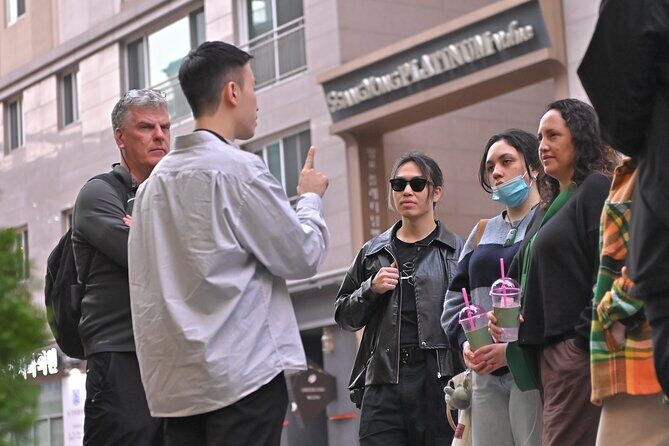
If you want Gangnam as a place with logic—not just a place with lights—this tour is a strong choice. It’s priced reasonably for a guided, concept-heavy walk, and the small group size makes it feel like you’re talking with a local storyteller rather than following a rigid bus-style script.
Book it if you can handle uncomfortable topics with maturity and you like the idea of learning while walking through real neighborhoods like 강남역사거리, 호텔시애틀, Gangnam Daeseong Cram School, Sinsa-dong, and Hangang Park. The themes are serious, but the structure is clear, and the guide is there to help you understand what you’re seeing.
Skip it if you only want postcard Seoul or if heavy themes will sour your day. In that case, you’ll probably be happier with a more surface-level Gangnam highlights tour.
FAQ
FAQ
How long is the Gangnam Walking Tour on Youth and Society?
The tour runs about 2 hours 30 minutes.
What does the tour cost?
The price is $31.98 per person.
Is there a mobile ticket?
Yes, the tour uses a mobile ticket.
What’s the group size limit?
The group size is maximum 15 travelers.
Where do I meet, and where do we end?
You start at 820-10 Yeoksam-dong, Gangnam District, Seoul, and you end at the Han River Park area near Apgujeong Station Exit 4.
Is the subway included?
No. A subway ride is included in the plan, but the 1800 won transportation fee is not included.
Are admission fees included for the stops?
The stop details list admission ticket as free for the scheduled places.
What topics are covered during the tour?
You’ll hear about youth and society pressures, including topics like education and cram schools, beauty and plastic surgery culture, dating and love hotel culture, and related social themes.
What happens if the weather is bad?
The tour requires good weather. If it’s canceled due to poor weather, you’ll be offered a different date or a full refund.
Is free cancellation available?
Yes. You can cancel up to 24 hours in advance for a full refund. If you cancel less than 24 hours before the start time, the amount paid is not refunded.