REVIEW · SEOUL
Walking Tour with Gyeongbokgung Palace, Bukchon, Insadong
Book on Viator →Operated by This is KOREA! · Bookable on Viator
Four stops, one real taste of old Seoul. This small-group Gyeongbokgung Palace–Bukchon–Insadong route is built for people who want context, not just photos: you get a local guide, personal audio earphones, and a steady walk through neighborhoods that still feel lived-in. I like that the pacing is controlled, so you can actually take things in, and I also like that you’re not stuck reading plaques alone.
One thing to factor in: while the tour description talks about entrance fees, the schedule marks key palace admissions as not included—so you should plan to pay for any entry you’re asked to purchase on-site.
In This Review
- Key things to know before you go
- Why This Gyeongbokgung–Bukchon–Insadong Walk Works
- Meeting Point and Timing: Gyeongbokgung Station at 9:30
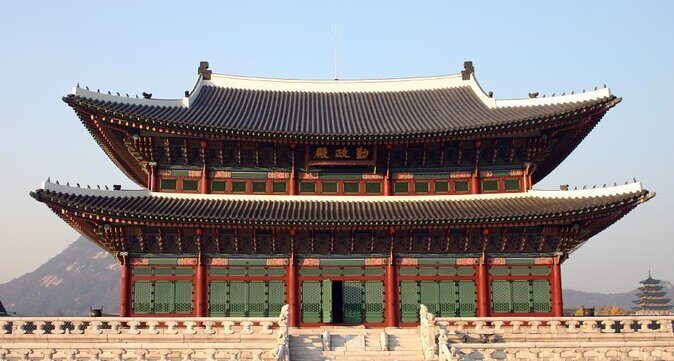
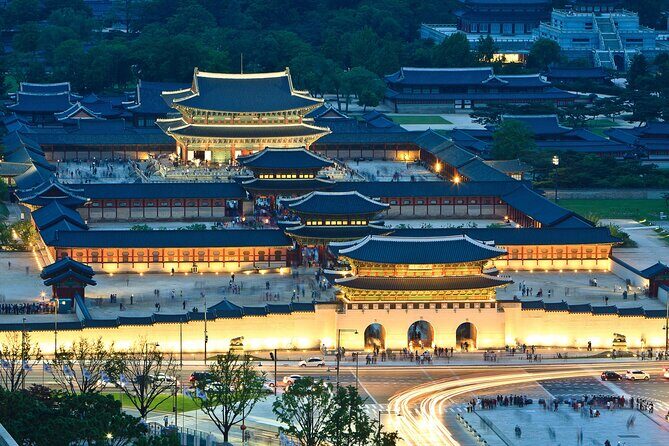
- Gyeongbokgung Palace: Photos, Courtyards, and Museum Context
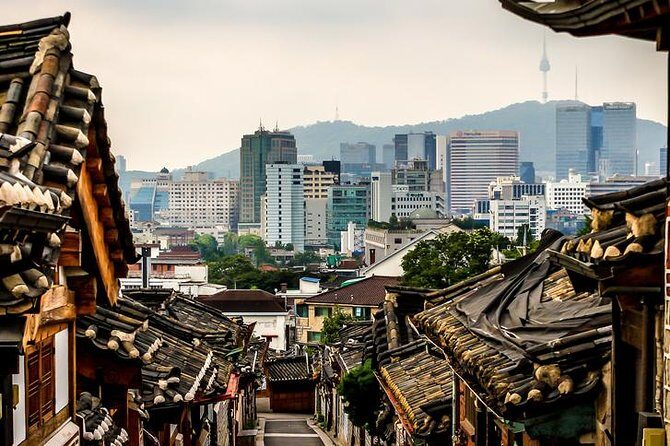
- Bukchon Hanok Village: Winding Lanes and Traditional House Views
- Insadong Streets and Lunch You Choose (With Help Ordering)
- Price and Value: What You’re Really Paying For
- Who This Tour Fits Best
- Practical Tips to Get More Out of It
- Should You Book This Walking Tour?
- FAQ
- How long is the tour?
- How much does it cost?
- Where do I meet the guide?
- Is lunch included?
- Are entrance tickets included for the palace?
- What group size should I expect?
- What do I need to provide to confirm the booking?
- Cancellation
Key things to know before you go
- Small group, max 15 people for a more personal walk than the big-bus crowd.
- Local guide with audio earphones so you can hear history explanations even in busy courtyards.
- Gyeongbokgung first, Bukchon second, Insadong last for a logical flow through Seoul’s old-city zones.
- Insadong is on your own for lunch (your guide helps you order).
- Tea time is part of the cultural plan, so you get more than just walking.
- Moderate walking level means comfortable shoes matter.
Why This Gyeongbokgung–Bukchon–Insadong Walk Works
This tour hits Seoul’s “old city” story in the order that makes sense. You start at Gyeongbokgung Palace, the Joseon Dynasty’s political center, then move to Bukchon Hanok Village, where traditional homes and narrow lanes show how everyday life looked around the court era. Finally, you land in Insadong, where crafts and tea culture keep Korean heritage in sight.
The biggest value here is the way the guide turns the places into a connected narrative. At Gyeongbokgung, it’s easy to see big gates and courtyards and stop there. With a guide and clear audio, you’ll understand what you’re looking at—why certain spaces existed, and what those royal-era choices meant. In Bukchon, the guide’s context helps you notice details you’d otherwise miss, like how the lanes and house fronts create a whole street rhythm.
The other practical win: it’s not a marathon day. The tour runs about 3 hours 20 minutes to 4 hours, which is a sweet spot when you’re also planning other parts of Seoul. It’s enough time to see the highlights without feeling wrecked by the end.
You can also read our reviews of more walking tours in Seoul

Meeting Point and Timing: Gyeongbokgung Station at 9:30

Plan to start at Subway Line 3, Gyeongbokgung Station, Exit 5, with the guide meeting you at 9:30 am. This is useful because it’s a clear transit anchor. If you’re staying anywhere in Jongno or near central Seoul, you can usually reach Line 3 with minimal fuss.
You’ll finish around Insa-dong Culture Street in the Jongno area, with the tour departing from Jongro-Gu at about 1:30 pm. That timing matters because Insadong is best when shops are open and you’re not rushing. Also, because lunch is on your own in Insadong, you’ll want to use that window while you’re still at the neighborhood instead of trying to eat after you’ve left.
One small logistics detail: a passport number from the group is required to confirm the booking. If you’re traveling as a couple or family, have that info ready when you book.
Gyeongbokgung Palace: Photos, Courtyards, and Museum Context
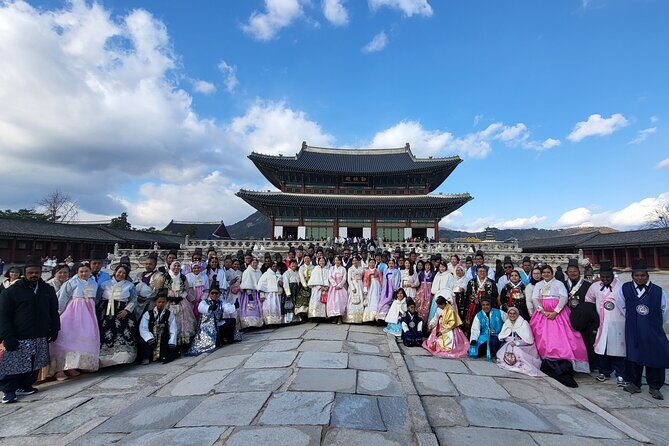
You begin with a Gyeongbokgung Palace photoshoot tour, which sounds casual but usually works better than you’d expect. The palace grounds are huge, and “take photos” alone can lead to awkward wandering. With a guide, you get a route that helps you see the major spaces and also understand the layout.
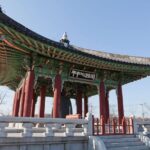
The palace is described as the grand Joseon-era symbol of power, and the tour is set up so you get history first, then the visuals. You’ll also be close to museum options inside the palace area, including the National Folk Museum and National Palace Museum. The schedule shows admission ticket not included for the palace stop, even though the overall package mentions entrance fee—so treat it like this: you may need to buy entry on-site for certain parts. If you want certainty, confirm what’s covered before you go.
What I like about this palace portion: it’s not just staring at buildings. A good guide helps you connect the architecture to the political story—why this palace mattered, and how it shaped the city around it. Even if you don’t read every sign, the explanations give you a framework.
Possible drawback: palace timing can be impacted by crowds and lines, especially around photo spots. If the day is busy, it may feel like you’re always weaving around other visitors. Going early helps, and the guide’s pacing usually reduces the worst of that.
Bukchon Hanok Village: Winding Lanes and Traditional House Views
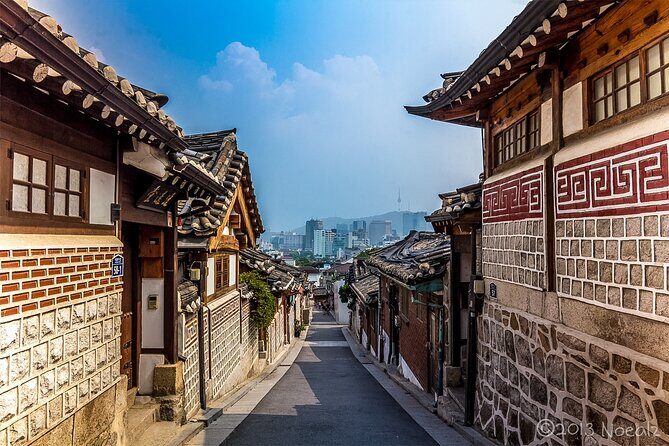
Next you shift toward Bukchon Hanok Village, arriving around 11:20 am and then spending about 40 minutes exploring the area. This part of the tour is short enough to stay enjoyable, but long enough to feel like you’re really moving through the neighborhood rather than just taking one scenic corner photo.
Bukchon is known for its hanok-style homes—traditional Korean houses with distinctive roofs and a street layout that feels different from modern Seoul grids. The experience here is mostly visual and spatial: narrow lanes, small storefronts, and the way the houses stack along hills and curves.
What you’ll likely appreciate on this stop: the guide can point out why the village feels the way it does. Without that, Bukchon can turn into “pretty houses” in your camera roll. With it, you start to recognize the relationship between street shape, home placement, and how people would have moved through the area.
Watch-outs to consider: Bukchon streets can be uneven or tight, and the tour is walking-focused. If you’re wearing slippery shoes or you’re carrying heavy bags, you’ll feel it here more than in the palace courtyards.
Insadong Streets and Lunch You Choose (With Help Ordering)
After Bukchon, you head into Insadong, arriving around 1:00 pm. This is where the tone shifts from royal history to everyday culture. Insadong is famous for shops selling traditional goods, and it’s a great place to slow down, browse, and pick up small souvenirs that don’t feel like generic airport products.
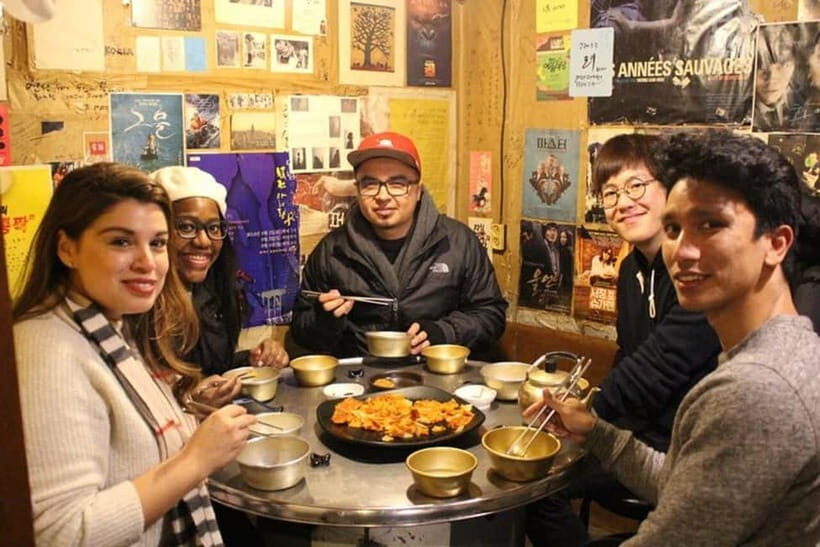
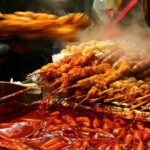
Lunch is on your own expense in Insadong. The guide helps with meal ordering, then steps away so you can eat at your pace and settle the bill when you’re done. This is one of those “small” details that makes a big difference. If you’re not fluent in Korean, not having to figure out ordering on the spot saves time and stress.
The tour description also includes a traditional tea house component. Even though the exact timing can vary day to day, you should expect a pause for tea as part of the cultural arc—palace to village to tea culture is a nice flow.
My take on the value of this stop: Insadong is where you get proof that culture isn’t only museums. You’ll see craft shops, tea culture, and small choices that are genuinely local. And because the guide helps with ordering, you can spend your energy choosing what you want rather than decoding menus.
A potential drawback: because lunch is self-paid, you need a little budgeting flexibility. It’s easy to get pulled into one shop area, then realize you spent more than planned.


Price and Value: What You’re Really Paying For
At $65 per person, this isn’t a “cheap and cheerful” option, but it also isn’t trying to look fancy. The value is in the structure: a local guide, personal audio earphones, and an itinerary that connects three major old-city areas into one coherent walk.
Here’s how I see the value stacking up:
- Guide time matters: you’re not just walking between landmarks; someone is explaining what you’re seeing.
- Audio earphones help you actually enjoy the explanations, especially in outdoor spaces where sound can get messy.
- Small group size (maximum 15) means you’re more likely to ask questions and get answers without waiting forever.
If you’re traveling as a group, there may be group discounts, which can make the cost feel easier to justify. Also, the tour uses a mobile ticket, which is convenient when you’re juggling transit and sightseeing on foot.
One more reality check: the schedule flags some admissions as not included. So even if the base cost looks straightforward, plan for the possibility that you’ll pay entry fees during the palace portion (or any museum access the guide recommends).
Who This Tour Fits Best
This walking tour is ideal if you want history plus atmosphere without a full-day commitment.
It’s a good fit for you if:
- you like stories and context (Joseon Dynasty to daily culture)
- you want a small-group experience
- you can handle moderate walking for a few hours
- you’d rather have a guide help with Insadong ordering than gamble with unfamiliar menus
It may not be the best match if:
- you hate any waiting around busy palace photo areas
- you want a strictly “skip-the-line and entrance-fees-covered” package (because admissions can require extra payment)
Practical Tips to Get More Out of It
Bring comfortable walking shoes. Even when distances aren’t huge, palace grounds, village lanes, and street browsing can add up on uneven surfaces.
For Insadong lunch, bring some payment flexibility. Since lunch is on your own, it’s smart to have at least one backup payment method. And if you’re unsure what to order, lean on the guide’s help early—once you’re deep in browsing, you might lose that momentum.
If you’re sensitive to noise or crowd flow, the audio earphones are one of the tour’s best features. Use them. You’ll be surprised how much better history lands when you can hear it clearly.
Also, this tour tends to book steadily—on average, it’s booked about 24 days in advance—so don’t treat it like a last-minute afterthought.
Should You Book This Walking Tour?
Yes, I’d book it if you’re planning a short Seoul stay and you want a smart route that connects Gyeongbokgung Palace, Bukchon Hanok Village, and Insadong in one guided arc. The best reason is the guide + audio setup: it helps you understand what you’re seeing and keeps the pace practical.
I’d hesitate only if you’re very price-sensitive once you factor in possible palace admissions, or if you need a fully included-ticket experience without any on-site payments. In that case, double-check entrance coverage before you go.
FAQ
How long is the tour?
The tour runs about 3 hours 20 minutes to 4 hours.
How much does it cost?
It costs $65.00 per person.
Where do I meet the guide?
Meet the guide at Subway Line 3, Gyeongbokgung Station, Exit 5 (9:30 am).
Is lunch included?
Lunch in Insadong is not included. The guide helps with meal ordering, and you pay your bill after you eat.
Are entrance tickets included for the palace?
The tour includes an entrance fee in the overall details, but the palace stop is marked as admission ticket not included in the schedule. You should be ready to pay for any required entry on-site.
What group size should I expect?
The tour has a maximum of 15 travelers.
What do I need to provide to confirm the booking?
You’ll need one passport number from the group to confirm the booking.
Cancellation
You can cancel for a full refund up to 24 hours before the experience starts. Free cancellation is available up to that cutoff.