REVIEW · SEOUL
Private Jeonju Hanok Village – Culinary tour
Book on Viator →Operated by Here Korea Travel · Bookable on Viator
A Seoul-free day in a hanok mood. This private Jeonju culinary tour turns the long drive south into a full day of culture and food, starting with Jeonju Hanok Village and ending with church and market stops that most outsiders skip. You’re not stuck on a generic bus schedule; you get an English-speaking guide and a relaxed pace away from Seoul’s busy tempo.
I especially like the way the day mixes “see” and “taste.” You’ll walk through hanok details like ondol (the floor-heating system) and then head to Nambu Market for street-food style snacking, including bean sprout soup. The main thing to watch: it runs 8 to 10 hours and lunch/snacks (including the big Jeonju meal options) aren’t listed as included, so you’ll want extra spending money for food.
In This Review
- Key takeaways before you go
- Why Jeonju from Seoul works so well
- Hotel pickup and the early start (what to expect)
- Jeonju Hanok Village: roof edges and the heating you’ll actually notice
- Nambu Market: shopping streets, a wedding proverb, and bean sprout soup
- Gyeonggijeon Shrine: royal portraits and Yi-family memorial history
- Jeondong Catholic Church: a short traditional stop that changes the mood
- The food plan: what you’ll likely taste and what costs extra
- What the private format changes (and who should book)
- Price and value: is $300 per person fair?
- Should you book this Jeonju culinary tour?
- FAQ
- What time does the tour start?
- How long is the Jeonju tour?
- Is hotel pickup and drop-off included?
- Is this a private tour?
- Do I get an English-speaking guide?
- Is there a vegetarian option?
- Are entrance fees included?
- Is lunch included?
- Can I cancel and get a full refund?
Key takeaways before you go
- Door-to-door pickup and drop-off from Seoul saves real time on a long day.
- Hanok details you can spot: raised roof-edge design and ondol heating.
- Nambu Market as a food stop, not just a photo stop, including famous bean sprout soup.
- Royal-history stop at Gyeonggijeon Shrine, with exhibits and royal portraits of the Yi family.
- A small, traditional church visit at Jeondong Catholic Church for a change of mood.
- Plan for a long day with morning departure and potential traffic slowdowns.
Why Jeonju from Seoul works so well
Jeonju is one of those Korean cities that rewards slow walking. Even if you only have a day, the key is that you’re not trying to do it all by yourself in a short time window. This tour is set up as a private day trip, so you can keep moving without constantly re-checking transit routes or timing.
The best part, for me, is the balance between places and people. Your English-speaking guide handles the flow and helps you focus on the right details at each stop. Guides on this experience have included names like Jiwon, Andy, and Jones, and the common theme in their approach is practical local explanation paired with an easy, friendly style.
This isn’t a “stand in line, take a quick look” day either. The stops are time-boxed, yes, but you’re also given time to absorb what you’re seeing: the hanok structure, the market rhythm, and the meaning behind the shrine portraits.
You can also read our reviews of more private tours in Seoul
Hotel pickup and the early start (what to expect)
The day begins at 7:00 am, with hotel pickup and drop-off included. That’s a big deal in Seoul. Getting out of the city smoothly can be the difference between a calm start and a stressful one.
Next comes the drive to Jeonju. One past group described a roughly 3-hour trip, and they noted traffic can get heavy during the day. That doesn’t mean it’ll be miserable, but it does mean you should plan for it. Bring water, wear comfortable shoes, and don’t schedule anything tight the night before your tour.
Because this is a private tour, the pacing tends to stay flexible. If your group needs a brief restroom stop or you’re running slightly behind, your guide can usually adjust the timing better than a fixed group bus.
Jeonju Hanok Village: roof edges and the heating you’ll actually notice
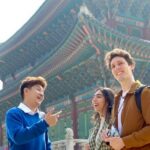
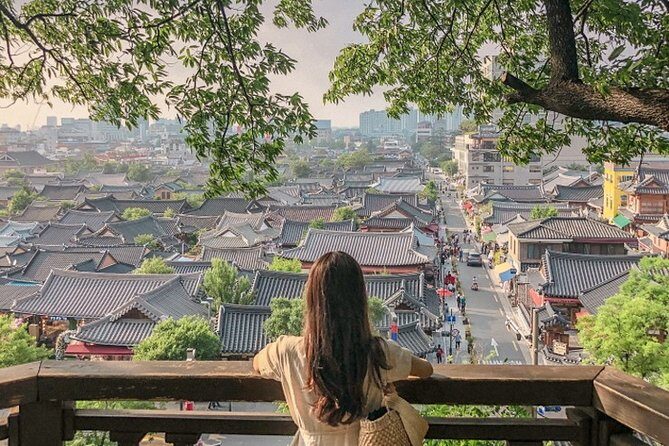
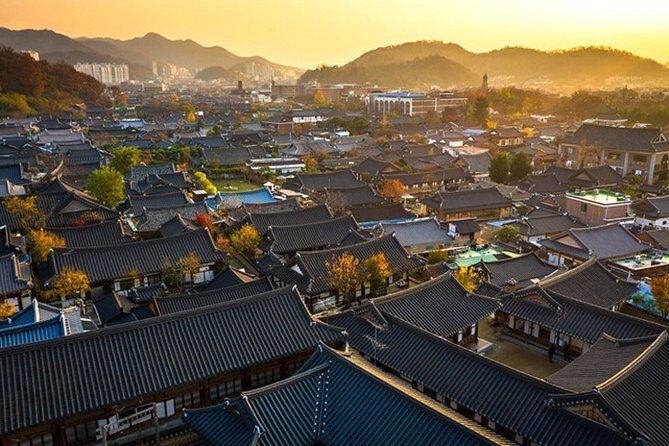
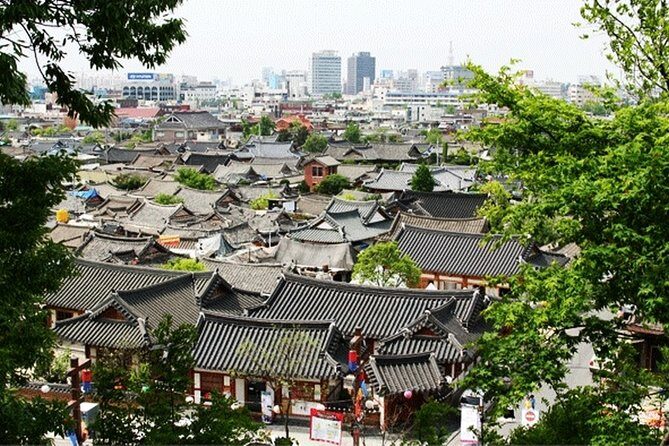
The tour’s first major stop is Jeonju Hanok Village, where you’ll spend about 2 hours. Hanok houses can look beautiful on photos, but the real fun is learning what you’re looking at. Here, you’ll be pointed to two standout features:
First, the unique roof edges that are slightly raised toward the sky. It’s one of those details that’s easy to miss if you’re just snapping pictures. Once someone points it out, you start seeing it everywhere.
Second, the heating system. You’ll hear about ondol, the sub-floor heating method. This is more than a trivia fact. It explains why the houses are designed the way they are and why the interior feels different from modern homes. If you’ve ever wondered how people lived through cold seasons without modern radiators, this is the kind of explanation that makes the village feel real.
A practical tip: wear layers. Hanok villages can feel cooler than you expect, especially early in the day and near open courtyards. And keep your phone camera ready, but slow down for a minute at each house. The tour makes it worthwhile to look at construction details, not just roofs.
Nambu Market: shopping streets, a wedding proverb, and bean sprout soup
Your market time is split into two parts: about 1 hour for Nambu Market early on, then another 30 minutes later with a clear focus on food—especially bean sprout soup, which is noted as famous.
You’ll also hear a local proverb connected to the market: there’s a saying about no marriage unless visiting Nambu Market. It’s the kind of line that turns a market stop into cultural insight instead of a simple browse. You’ll likely notice that the market sells everyday essentials—food, furniture, cloth items—so it feels like part of normal life, not an artificial tourist set.
Why this works on a culinary tour: Nambu Market is where Korean “snack logic” makes sense. You can taste while you walk, and you don’t have to commit to one giant meal to have a good experience. Your guide helps keep you from missing the point.
A good move for you: decide ahead of time how hungry you’ll be. If you plan to eat later for Jeonju’s signature dishes, try smaller bites now rather than going all-in during the first market round. But if you’re the type who loves sampling, the market rhythm is built for that.
Gyeonggijeon Shrine: royal portraits and Yi-family memorial history
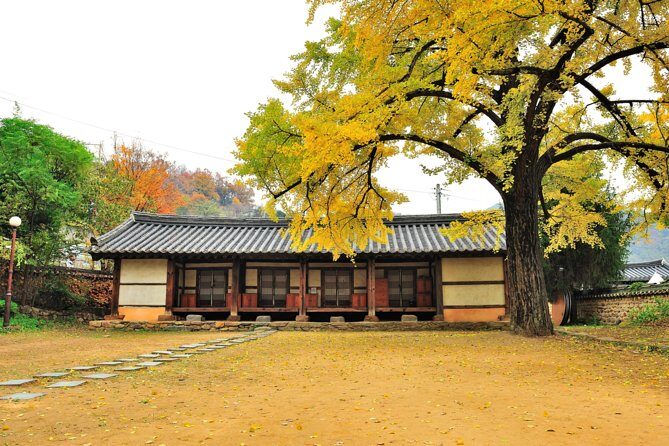
Next is Gyeonggijeon Shrine, with about 1 hour on site. This stop is included with admission, and it’s set up more like a history visit than a typical “pretty building” photo stop.
What you’re looking at here matters: the shrine includes history exhibits and a museum-style presentation of royal portrait displays. You’ll see memorial portraits and ancestor tablets of the Yi family, the ruling family of the Joseon Dynasty.
Even if you don’t consider yourself a history person, royal portraits and memorial tablets tend to land better when someone explains what they represent. This is one reason a guide matters. Without context, it can feel like a room of images. With context, you understand that these portraits aren’t just artwork—they’re part of how the Joseon rulers were remembered and honored.
Practical note: this stop is indoor and quiet compared with markets and streets. If your group has people who get tired from walking, this is often where you can reset without losing the day.
Jeondong Catholic Church: a short traditional stop that changes the mood
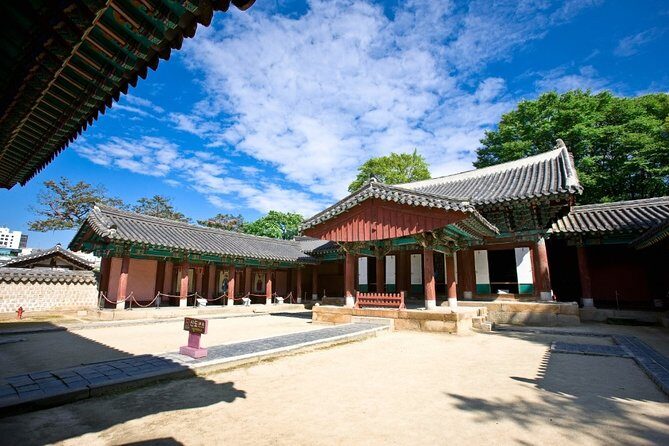
The day wraps with Jeondong Catholic Church, a shorter visit of about 10 minutes. It’s described as one of Korea’s traditional Catholic churches.
This stop is brief, so don’t expect a full museum-style explanation. Instead, think of it as a tonal shift: markets and royal portraits cover Korea’s everyday and its court memory; a church stop adds a different thread to the day’s cultural mix.
If you prefer photography and architecture to deep reading, this short visit may feel perfectly timed. If you’re more into long, story-heavy cultural sites, you might wish the day had a bit more time here—but the tradeoff is you get more time earlier for hanok and food-focused streets.
The food plan: what you’ll likely taste and what costs extra
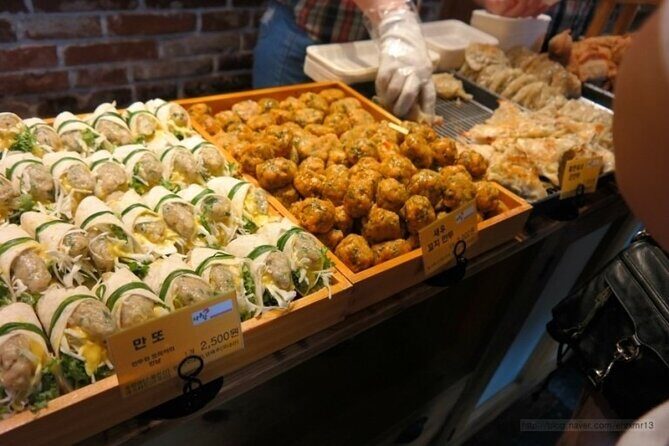
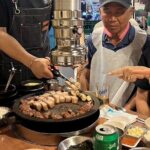
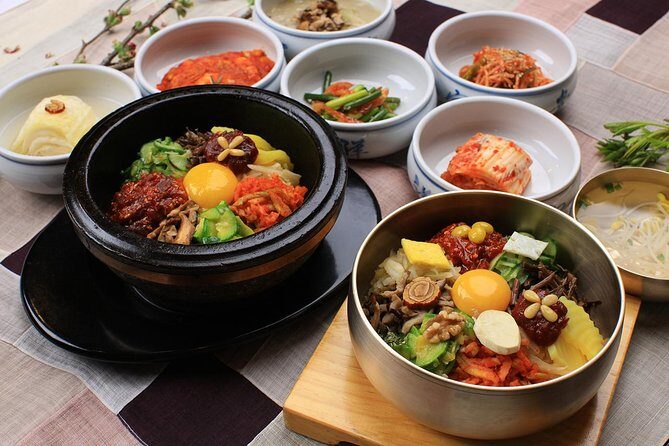
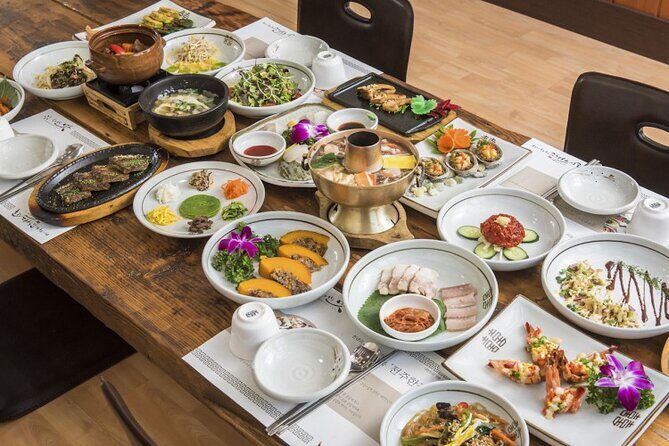
Jeonju is famous for Korean classics, and this tour is built around that idea. Bibimbap shows up as a key reference point, along with snacking. You’ll also come across bean sprout soup at Nambu Market.
Here’s what matters for your budget and expectations: the tour lists snacks as not included, and it also lists lunch + rice wine table, including bibimbab and hanjeongsik, as not included. In other words, plan to pay for your main meal(s) separately.
Now, don’t let that scare you. The value is that you’re not figuring it out alone. Your guide can help you find the right food options in the flow of the day, and at least one past group described a long 15-course lunch with rice wine followed by local bibimbap as a highlight. That may not be what every group pays for or eats, but it gives you a good idea of the kind of meal culture Jeonju is known for.
My practical suggestion: bring your appetite, but keep your meal flexibility. If you want the full hanjeongsik-style experience, be ready to spend. If you want lighter tasting, you can still enjoy the market snacks and then choose a smaller meal at the end.
Also consider timing. With a long drive and multiple stops, waiting until the end to eat can make the last part of the day feel rushed. The tour’s structure helps with pacing, but you’ll still want to snack along the way since snacks aren’t included.
What the private format changes (and who should book)
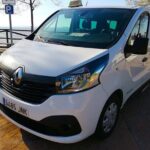
A private tour is often worth it for two reasons: control and comfort. Here, that shows up as pickup and drop-off included, plus private transportation so you aren’t squeezed into a group vehicle that stops everywhere.
It also helps if you care about getting answers. You can ask your guide why hanok roofs are shaped a certain way or what’s important about royal portraits. The “private” part means you can keep the day moving without losing context.
This tour especially suits you if:
- You want a food-leaning day trip from Seoul that includes culture stops, not just one big meal.
- You like seeing architectural and historical details, like ondol and the Yi-family portrait displays.
- You’re traveling with a small group and you prefer not to share your day with strangers.
It may be less ideal if:
- You want everything fully priced and included, with no extra meal spending.
- You hate early starts. 7:00 am is not negotiable, and the day is long.
Price and value: is $300 per person fair?
At $300 per person, you’re paying for a private, English-guided day with transportation and entrance fees handled. That’s the real value equation here: you’re not just paying for access to Jeonju. You’re paying for the convenience of getting there, staying on schedule, and understanding what you’re seeing.
Also note the tour includes:
- Private transportation
- Entrance fees
- English speaking guide
- Hotel pickup and drop-off
- Cost for vehicle
So the money mostly goes to logistics and interpretation. The items not included—snacks and the main meal options—are the parts you’ll likely spend money on anyway in Jeonju if you want the full culinary experience.
If your group is two to four people, private day trips can start to feel more reasonable than you’d expect, especially when you factor in not having to rent a car, buy separate tickets, and manage timing alone.
One last value tip: this experience is reportedly commonly booked around 81 days in advance. If you’re traveling during a busy season or you want a specific date that lines up with your plans, booking early can be a smart move.
Should you book this Jeonju culinary tour?
I think you should book if you want a day trip that feels guided, not chaotic. You’ll get the hanok village with ondol and roof-edge details, a meaningful history stop at Gyeonggijeon Shrine, and an actual market experience at Nambu Market with food like bean sprout soup in the mix.
Don’t book if you’re trying to minimize spending beyond the base price, because the tour lists snacks and the main meal categories (including bibimbap and hanjeongsik) as not included. Also, be honest about stamina: it’s 8 to 10 hours, starting at 7:00 am, and the day involves driving.
If you like practical sightseeing with a clear food focus, this is a strong match.
FAQ
What time does the tour start?
The tour starts at 7:00 am.
How long is the Jeonju tour?
It runs about 8 to 10 hours.
Is hotel pickup and drop-off included?
Yes. Hotel pickup and drop-off are included.
Is this a private tour?
Yes. It’s a private tour/activity, and only your group will participate.
Do I get an English-speaking guide?
Yes. The tour includes an English speaking guide.
Is there a vegetarian option?
Yes. A vegetarian option is available, and you should advise at the time of booking.
Are entrance fees included?
Yes. Entrance fees are included, and the itinerary lists admission tickets as free for some stops and included for others.
Is lunch included?
Lunch + rice wine table, bibimbab, and hanjeongsik are listed as not included. Snacks are also not included.
Can I cancel and get a full refund?
You can cancel for a full refund if you cancel at least 24 hours before the experience’s start time. The tour may also be canceled if the minimum number of travelers isn’t met, with the option of a different date or a full refund.