REVIEW · BUSAN
One Day Private tour to World Heritage GyeongJu from Busan
Book on Viator →Operated by iCON BUSAN PRIVATE TOUR · Bookable on Viator
Gyeongju in one day is a smart move. This private, full-day outing strings together UNESCO Silla landmarks, tomb culture, and a quick stroll for snacks and photos, all with pickup and your own pace.
I really like that the day balances big-ticket sites with calmer breaks: you get the major temples first, then tombs and an observatory, and you’re not stuck in a nonstop marathon. I also like the private group size (up to 5), which makes it easier to ask questions, slow down in rain, or handle family needs without crowd pressure.
The one thing to watch is that a couple of key stops have admission fees not included, and your biggest walking time will depend on weather and how much you linger at each site.
In This Review
- Key takeaways before you go
- Why a One-Day Gyeongju Private Tour Works From Busan
- Gyeongju’s Silla Timeline: What This Day Shows You
- Bulguksa Temple: Unified Silla Balance in Stone and Courtyards
- Seokguram Grotto: Stone Dome Craft and Buddha-Detail Close-Up
- Daereungwon Tomb Complex and Cheonmachong: From Park Walks to Gold Crowns
- Cheomseongdae Observatory and Hwangnidan-gil: Silla Science, Then Street Snacks
- Gyeongju National Museum and Wolji Pond: Context That Makes the Morning Click
- What Makes the Guide Matter: Changwoo’s Pace in Rain
- Price and Admissions: What the $499 Really Buys You
- Who This Tour Fits Best
- Should You Book This One-Day Gyeongju Tour?
- FAQ
- Is pickup included on this one-day Gyeongju tour from Busan?
- How long is the tour?
- What is the price and group size?
- Is admission included for all stops?
- What’s included in the tour price?
- Is this tour private?
- What if the weather is bad?
Key takeaways before you go
- Private up to 5 means you can set the pace and stay comfortable for the whole 8-hour day
- Bulguksa + Seokguram are UNESCO sites from the Unified Silla era, and both have admission listed as free
- Cheonmachong Tomb is the only tomb open to the public in the area, but its ticket isn’t included
- Cheomseongdae gives you Silla science in 30 minutes, then you shift to street-level fun at Hwangnidan-gil
- Gyeongju National Museum includes standout relics like the Sacred Bell of the Great King Seongdeok (National Treasure No. 29)
- Guide experience matters—one guide, Changwoo, handled monsoon rain with patience and kept the day from feeling rushed
Why a One-Day Gyeongju Private Tour Works From Busan
If you’re basing yourself in Busan, Gyeongju can feel like a big commitment—until you realize how much history sits in one compact “museum without walls.” This is built for people who want the essentials without spending multiple days organizing trains, taxis, and transfers.
You’ll be in the car for part of the day, but the schedule is designed around high-impact sites. The total time is about 8 hours to 8 hours 10 minutes, which is long enough to see the major Silla highlights while still leaving breathing room for the things that make you stop and look twice.
Because it’s private, you’re not sharing your day with strangers. That’s not a small detail. When you can hear your guide clearly and ask follow-ups, you absorb more than you would in a busier group setting.
You can also read our reviews of more private tours in Busan

Gyeongju’s Silla Timeline: What This Day Shows You
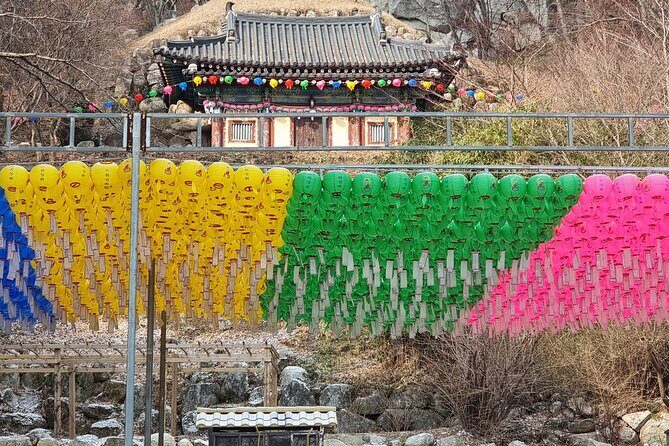
Gyeongju wasn’t just important—it was the capital of the Silla Kingdom for 992 years, and it’s tightly linked to the name Seorabeol. UNESCO recognizes the city’s cultural weight, and this tour leans into that by moving across the main “chapters” of Silla life: Buddhist thought, royal burial culture, and even the era’s science.
The flow is smart: you start with Buddhist architecture (Bulguksa and Seokguram), then shift to royal tomb culture (Daereungwon and Cheonmachong), then head into Silla ingenuity (Cheomseongdae) and everyday street life (Hwangnidan-gil). The day ends with museum context and a final stop tied to palace life and court gatherings (Donggung Palace and Wolji Pond).
What you end up with is not just a list of places. It’s a storyline. You’ll see how Buddhism, artistry, and technical thinking lived side by side in the same culture.
Bulguksa Temple: Unified Silla Balance in Stone and Courtyards
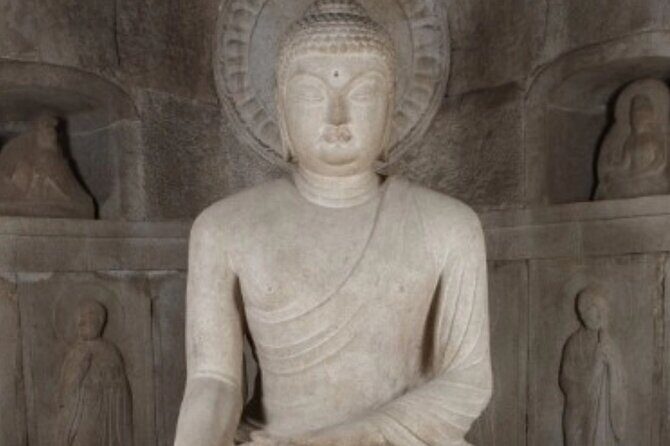
Bulguksa is where the day first hits its emotional center: a temple complex devoted to the Buddha, created with a strong idea of harmony and balance. The tour info ties it directly to the Unified Silla aesthetic and the way Silla people expressed order through architecture and design.
You’ll spend about 1 hour, and with admission listed as free for this stop, you can focus on what matters: the temple’s layout and how the setting works with the natural beauty of Tohamsan Mountain. If you’re the type who likes “why was it built this way,” this is a great start.
A practical tip: give yourself a moment to slow down when you arrive. Temples like Bulguksa are meant to be read slowly—especially when you’re seeing the day’s most major heritage sites back-to-back.
Seokguram Grotto: Stone Dome Craft and Buddha-Detail Close-Up
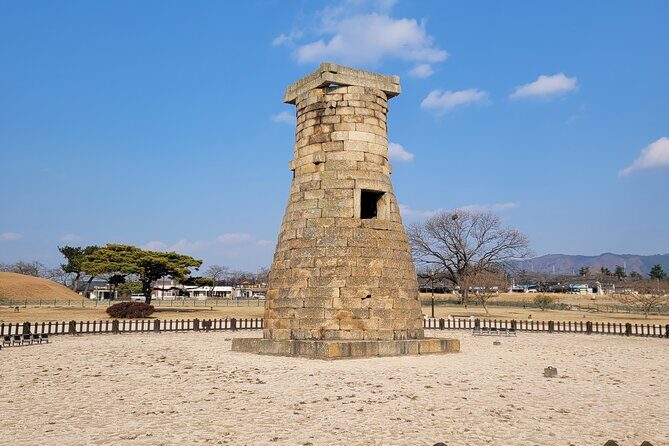
Seokguram is the kind of place that makes you appreciate scale and patience. This stone grotto was originally named Seokbulsa Temple and was completed under King Hyegong in 774, with the structure built by piling stones into a domelike form and then covering it so it feels like a cave.
Your time here is about 1 hour, and admission is listed as free. The highlight isn’t just that it’s beautiful—it’s the sense that Unified Silla builders fused art with engineering. The tour description even frames it as “science and artistic spirit” working together.
If you want a good photo, pick one angle and commit to it. The details are delicate, and hopping around for quick snapshots can make you miss the overall effect.
Daereungwon Tomb Complex and Cheonmachong: From Park Walks to Gold Crowns
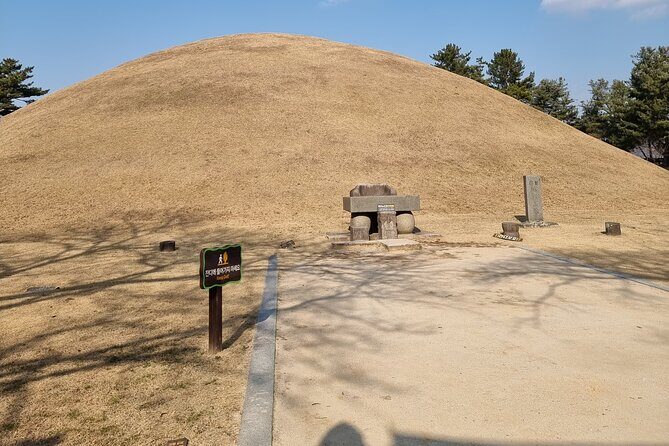
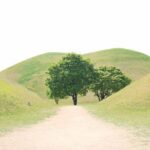
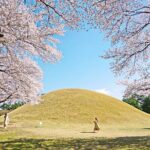
Daereungwon is the break in pace you’ll be glad you have. It’s the largest ancient tomb site in Gyeongju, with 30 tombs, and the tour info calls it a park—so you can enjoy an educational stroll without feeling trapped indoors.
Plan around 1 hour and keep expectations realistic: this is a “walk and learn” kind of stop. If your feet are tired from the earlier temple time, Daereungwon is still manageable because it’s open, airy, and spread out.
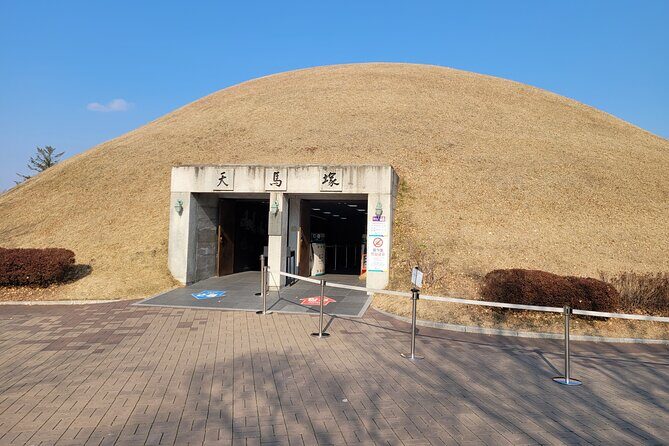
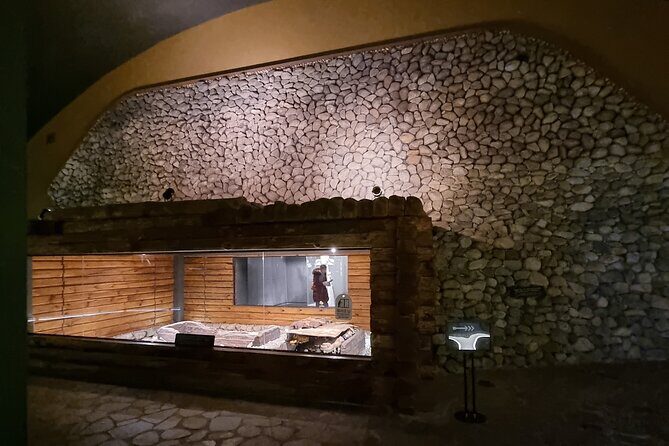
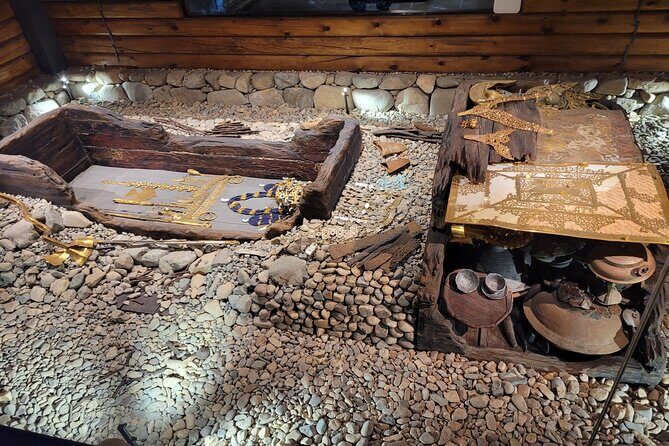
Then you move to Cheonmachong Tomb, and this is where the day gets dramatic. Cheonmachong (Tomb No. 155) is the only tomb open to the general public in Daereungwon. It’s estimated to have been built between the 5th and 6th century and is named for a flying white horse image painted on the saddle flap.
The big “wow” factor is the gold relics excavated here—gold crowns, gold shoes, and other ornate items. The tour info also notes that the Cheonmachong gold crown was the biggest and most luxurious gold crown ever excavated.
One heads-up: Cheonmachong admission is not included. If you want to avoid a surprise budget moment, set aside money for that ticket ahead of time.
You can also read our reviews of more historical tours in Busan
Cheomseongdae Observatory and Hwangnidan-gil: Silla Science, Then Street Snacks
Cheomseongdae Observatory is a quick win—only about 30 minutes—but it’s packed with meaning. It’s described as the oldest observatory in Asia, built during Queen Seondeok’s reign, and the tour info explains how the stonework reflects a scientific spirit. The structure’s changing diameters and mixed symbolism (circular and square impressions) are meant to represent the sky.
What I like about this stop is how it prevents the day from being only religious and royal. It reminds you Silla culture included measurement, astronomy, and careful design—not just temples and tombs.
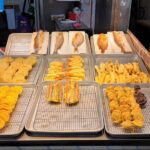
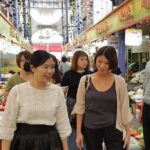
After that, you shift to a totally different rhythm at Hwangnidan-gil, a popular street about 700 meters long. Here the tour turns from heritage to atmosphere: coffee shops, restaurants, photo studios, souvenir spots, murals, and photo zones. It’s the part of the day where you can slow down on purpose—grab a drink, take pictures, and just enjoy being out in the open.
Since food and drinks aren’t included on this tour, Hwangnidan-gil is a practical place to handle lunch or snacks without needing extra planning.
Gyeongju National Museum and Wolji Pond: Context That Makes the Morning Click
Gyeongju National Museum is where the morning becomes clearer. You’ll spend about 1 hour 30 minutes, and admission is listed as free. The museum is organized by relic type, with halls including archaeology, art, and special exhibition spaces, plus a children’s section.
One standout mentioned in the tour info is the Sacred Bell of the Great King Seongdeok, a National Treasure No. 29. There are also about 3,000 major pieces on display, so even if you don’t read every label, you’ll get a strong sense of the scale of what survived.
If you like understanding before you judge beauty, this museum step helps you see the temples and tombs as part of one cultural system rather than separate attractions.
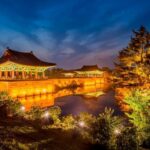
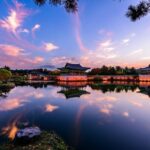
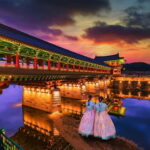
Then you finish at Donggung Palace and Wolji Pond for about 1 hour. This is framed as a representative Unified Silla site: gardens, palace buildings, and a pond tied to royal entertaining. The tour info also notes that the pond was originally called Wolji (pond of the moon) and that it was renamed Anapji later after geese and ducks appeared during the Joseon period.
Admission here is not included, so once again: plan for one paid ticket cost at some point in the day.
What Makes the Guide Matter: Changwoo’s Pace in Rain
This is the kind of day where timing can get messy fast—especially if the weather turns. One review highlights that the guide, Changwoo, handled an extremely rainy day with patience. The group moved slower due to downpour conditions, but the day still felt controlled rather than chaotic.
That matters because temple and tomb visits aren’t the same as a quick city hop. If you’re stuck under stress, you stop absorbing details. A good guide helps you keep your bearings and makes the day feel doable.
I also like that Changwoo was described as fun and informative, and even helped a teenage son talk instead of fidgeting. If you’re traveling with kids or teens, that’s not a trivial detail. It can turn heritage from a chore into a story.
Food suggestions can also matter on a day like this. In one account, the guide supported a Korean veggie diet for lunch and hwangnam bread for dessert. Since food isn’t included on the tour, the best move for you is simple: tell your guide what you want (vegetarian, dairy-free, light meal) and ask for options near the street stop.
Price and Admissions: What the $499 Really Buys You
The price is $499 per group for up to 5 people. If you’re traveling as a family or small group, that turns the tour into a practical alternative to piecing together multiple taxis and guide hours on your own.
Here’s what’s included:
- Air-conditioned private transportation
- Pickup offered
- Bottled water
- Parking, toll fees, and gas
- Mobile ticket
- Private format (just your group)
Most admissions are also listed as free across several stops: Bulguksa, Seokguram, Daereungwon, Cheomseongdae, Hwangnidan-gil, and Gyeongju National Museum.
The two places clearly flagged as not included are:
- Cheonmachong Tomb
- Donggung Palace and Wolji Pond
Food and drinks are not included. That’s normal for a day tour, but it means your real total cost depends on how you eat during the Hwangnidan-gil stop and what you choose at the end.
So the value equation looks like this: you’re paying for convenience, a tight heritage route, and a private guide experience. The paid extra costs are limited to those specific admission tickets plus your personal meal choices.
Who This Tour Fits Best
This works especially well if you want a single-day hit of UNESCO Silla sites without coordinating a bunch of logistics. Private tours like this are also a strong fit when you want flexibility—staying longer at something that grabs you, or moving faster when you’re tired.
It’s also a good match for families. The tour info says service animals are allowed, and the review stories point to a guide who can keep a teenager engaged.
The main mismatch is for people who want total independence or minimal spending on admission. You’ll still spend some money at the two not-included ticket stops, and you’ll pay for meals because food isn’t included.
The tour also calls for a moderate physical fitness level. That doesn’t mean it’s hardcore, but it does mean you should expect walking and standing throughout the day.
Should You Book This One-Day Gyeongju Tour?
Book it if you want an efficient, private way to see Gyeongju’s major Silla highlights from Busan—temples first, then tomb culture, then science, museum context, and palace ponds. The mostly free admissions make it feel easier on your wallet than many heritage days.
I’d skip it or reconsider only if you’re the type who hates paying for any extra tickets on top of the tour price, or if you’re visiting during a stretch of bad weather where you might get rerouted or rescheduled. The experience requires good weather, and if it’s canceled for poor conditions you’ll be offered a different date or a full refund.
If you do book, pack comfortable shoes and plan on using the guide to shape your food choices. A day like this is made better when you can adjust on the fly, and that’s exactly what a private setup lets you do.
FAQ
Is pickup included on this one-day Gyeongju tour from Busan?
Yes. The tour includes pickup offered, and it uses a private, air-conditioned vehicle for your group.
How long is the tour?
The tour lasts about 8 hours to 8 hours 10 minutes.
What is the price and group size?
It costs $499 per group, for up to 5 people.
Is admission included for all stops?
Not all admissions are included. Admission is listed as free for several stops, but Cheonmachong Tomb and Donggung Palace and Wolji Pond are marked as admission not included.
What’s included in the tour price?
Included items are bottled water, air-conditioned vehicle, private transportation, parking fees, and toll fees & gas.
Is this tour private?
Yes. It’s a private tour/activity with only your group participating.
What if the weather is bad?
The experience requires good weather. If it’s canceled due to poor weather, you’ll be offered a different date or a full refund.