Gyeongju turns a long day into a story. This private trip packs Silla-era highlights into one smooth route, with an official licensed guide and a small group capped at 15, so you spend less time figuring things out and more time seeing the places that shaped Korea’s history.
I love how it centers on the major sites you actually want to walk through: Bulguksa Temple and the must-see royal tomb grounds. I also like the practical pacing—each stop gets real time, and many key places have free admission, so your day doesn’t turn into an endless ticket line.
One drawback to keep in mind: guide language quality can vary by who you’re assigned. In one experience, English was hard to follow, so if you’re relying on English (or want Chinese), it’s smart to confirm your language preference when booking.
In This Review
- Key Things You’ll Appreciate on This Gyeongju Tour
- Why This Private Gyeongju Day Works So Well From Busan
- Bulguksa Temple: UNESCO-Level Stonework Without the Headache
- Woljeonggyo Bridge and Gyochon Village: Nobles, Love Stories, and Everyday Silla
- Daereungwon Tomb Complex: Royal Resting Places That Feel Like a Park Museum
- Cheomseongdae Observatory: The 7th-Century Star-Watching Moment
- Donggung Palace and Wolji Pond: Secondary Palaces and the Silla Afterglow
- Budget, Timing, and What’s Actually Included in Your $225
- Should You Book This UNESCO Gyeongju Private Tour?
- FAQ
- What sites will I visit on this Gyeongju private tour?
- How long is the tour?
- Do I get picked up in Busan?
- What languages are available for the tour guide?
- How many people are in the group?
- Is the transportation private?
- Are any entrance fees included?
- Is lunch included?
- Is gratuity included?
- What if I need to cancel?
- Is this tour suitable for most people?
Key Things You’ll Appreciate on This Gyeongju Tour
- Official licensed guide with English/Chinese/Korean support, giving you context fast rather than guessing
- Private air-conditioned vehicle with multiple pickup options in Busan
- Major Silla sights in one day, including Bulguksa, Daereungwon tombs, and Cheomseongdae
- Free admissions at several stops, which helps the day feel good-value
- Small maximum group size (15), so it’s easier to ask questions and move as a unit
Why This Private Gyeongju Day Works So Well From Busan
This is one of those trips that solves a real problem: Gyeongju is easy to reach, but harder to do well if you’re trying to piece together routes and ticket timing on your own. With hotel/port/Busan station pickup and an air-conditioned private vehicle, you basically step in, sit back, and let someone handle the logistics.
The length—about 8 to 9 hours—is long enough to cover the highlights, but not so long that you feel like you’ve been traveling all day. You’ll move between temple grounds, traditional villages, and royal sites without the stress of switching buses or constantly scanning maps. For many people, that translates into a better visit: you can actually focus on what you’re looking at instead of what you’re doing next.
Value-wise, the price is $225 per person, and it tends to be booked about 44 days in advance. That tells me it’s popular—so if you want a specific language or want a smooth start from your exact pickup spot, don’t wait too long. The tour also includes the usual transport costs you’d otherwise pay or fight with (tolls, parking, fuel), which matters because day trips can hide extra expenses.
One more practical note: it’s private to your group, with a maximum of 15 guests. That keeps the “tour bus feeling” smaller, but it still gives you a group atmosphere—good for questions, but not so huge that you’ll get lost behind someone’s shopping list.
You can also read our reviews of more guided tours in Busan
Bulguksa Temple: UNESCO-Level Stonework Without the Headache
Bulguksa Temple is the kind of place where you slow down automatically. You’ll arrive to a historic site that was begun around 751 under King Gyeongdeok of Silla, with Prime Minister Kim Daeseong credited as a key figure in its construction timeline. That’s the backbone of the experience: you’re not just looking at old buildings, you’re walking through a site that was designed with intention and power.
The good news: your entry here is free, and you get about 1 hour 10 minutes. That time is meaningful. It’s long enough to step through main areas, notice details in the stone and layout, and still avoid the rushed feeling that can happen on day tours.
Why this stop is a highlight for me: Bulguksa rewards attention. Even if you don’t consider yourself a temple person, the way the space is arranged makes it easy to understand what was important to Silla society. And since the guide is there, you’re not stuck with vague “this is old” explanations—you get the story behind what you’re seeing.
The main consideration is simple: temples ask for your feet. If you’re sensitive to walking on uneven ground, you’ll want to wear comfortable shoes and expect some uneven surfaces. You’ll be fine most of the time, but it’s not a sit-and-watch stop.
Woljeonggyo Bridge and Gyochon Village: Nobles, Love Stories, and Everyday Silla
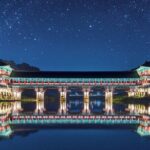
After Bulguksa, the day shifts gears. You’ll visit Woljeonggyo Bridge, a restored Silla bridge that—at least in legend and tradition—was associated with passage for nobility and high-class people. It was restored in 2008, and the bridge comes with a memorable story: a love story between a monk and a princess (Yosuk). That’s a fun contrast to the heavy royal and temple vibe of the morning.
This stop is short and sweet: about 40 minutes, and admission is free. If you like to connect places to the culture around them, this one works well because the bridge isn’t just architecture—it’s a clue about social rules in Silla times. Even if you don’t know the full background, your guide’s context can turn a quick photo stop into something you actually remember.
Then you head to Gyeongju Gyochon Traditional Village for about 1 hour 20 minutes. This area is special because during the Silla dynasty it was used as a university site. That’s the kind of detail that makes “old village” feel more grounded in real life, not just set dressing. A named highlight is Mr. Chui’s house, which is worth your time while you’re there.
Both Woljeonggyo and Gyochon are admission free, so you’re getting a change of pace without extra costs. The drawback? Traditional villages move differently than temples and tomb parks. You’ll likely spend time walking through areas that feel quieter and smaller. If you’re expecting nonstop wow moments every minute, keep your expectations flexible and use the guide to point out what matters.
Daereungwon Tomb Complex: Royal Resting Places That Feel Like a Park Museum
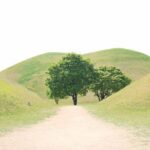
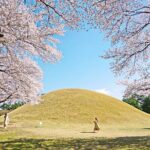
Next comes Daereungwon Tomb Complex, one of the day’s most visually impactful sections. This is where you see Silla’s ancient tombs as symbols of the kingdom’s power—built for kings, queens, and nobles. There are 23 tombs in the park, and the site is designed so the tombs read like history exhibits spread across the grounds.
You’ll get about 1 hour 20 minutes here, which is about right. Enough time to walk, take in the shapes and placement, and catch the guide’s explanations without feeling like you’re herding yourself through quickly.
This is also where you’ll pay the extra admission. The tour does not include the entrance fee for Cheonmachong at 3,000 won. Not included doesn’t mean complicated—just budget for it. It’s a small add-on relative to the rest of the day, and if you’re going to spend real time here, you’ll want to plan to pay so you don’t feel stuck deciding mid-visit.
One practical thought: tomb complexes are mostly outdoors and spread out. Bring water, and keep an eye on the weather. The day’s itinerary includes both outdoor and indoor-ish sites, so you’ll want to be ready for sun or light rain.
If you care about understanding Silla leadership rather than just seeing monuments, this stop is key. It changes your perspective from “temple = culture” to “tombs = how power remembered itself.”
Cheomseongdae Observatory: The 7th-Century Star-Watching Moment
Cheomseongdae Observatory is one of those places that makes you wonder how anyone thought up this idea so long ago. It’s a national treasure (No. 31) built in the 7th century, and the big concept is simple: Silla observers watched the sky through the observatory.
You’ll have about 50 minutes here, and admission is free. That’s a good amount of time for a site that isn’t huge in area, because you’ll likely spend time getting oriented, hearing the guide’s explanation, and then looking again with fresh context.
Why this stop matters in the flow of the day: it’s not just about art and power like the temples and tombs. It’s about science, observation, and timekeeping. If you like the idea that ancient societies were watching the same sky we still look at, Cheomseongdae gives you a direct connection.
The only consideration is that observatory interest can vary by person. If you’re the type who loves astronomy stories, you’ll eat this one up. If you’re less into that, rely on your guide to make it visual—explaining what you’re looking at and why it mattered.
You can also read our reviews of more private tours in Busan



Donggung Palace and Wolji Pond: Secondary Palaces and the Silla Afterglow
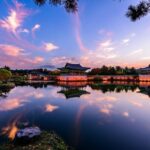
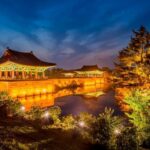
In the late part of the day, you’ll visit Donggung Palace and Wolji Pond, listed as Historic Site No. 18. These were the secondary palace sites, and after Silla unified the Three Kingdoms, a large pond was dug there. The setting is built around the idea of court life, reflecting nature and seasonality into palace space—plus it’s associated with flowers and trees.
You’ll have about 1 hour 30 minutes here, and admission is not included. The fee listed is 3,000 won. Again, not a deal-breaker, but it is a budget item you should plan for so you’re not surprised at the gate.
This stop can be a great closer because it feels less like a memorial and more like a lived-in place. Temples and tombs tell you what Silla honored. Donggung and Wolji hint at how Silla wanted to experience the world—through the palace-pool relationship and daily court rhythms.
Weather can affect how much you enjoy the pond area. If it’s very hot, you’ll appreciate shaded breaks and the fact you’ve already covered most of the “big walking” in earlier stops. If it’s cloudy or chilly, the mood can be quieter and still beautiful—you just might want warmer layers.
Budget, Timing, and What’s Actually Included in Your $225
Let’s talk straight about money and time, because that’s where day trips often surprise people.
Your tour includes:
- Hotel/port/Busan station pickup and drop-off
- Air-conditioned private vehicle
- Official English/Chinese/Korean speaking guide
- Toll, parking, and fuel costs
So you’re not paying extra transport headaches. That matters because the logistics of getting out to Gyeongju can otherwise add up fast in taxis or self-booked rides.
Not included:
- Lunch
- Gratuity/tip
- Entrance fees for Cheonmachong (3,000 won) and Donggung/Wolji (3,000 won)
A key planning tip: since lunch isn’t included, decide ahead of time how you’ll handle it. If you want a specific restaurant, you may need to build that into your day. If you’re flexible, you can use the driver and guide’s timing to find something near the stops—but you’ll need to accept that lunch choices are weather- and timing-dependent.
Also remember: some stops are free (Bulguksa, Woljeonggyo, Gyochon, Cheomseongdae), while two areas require those small additional fees. Overall, this is a good balance. You get value through free sites and pay a little only where the experience includes a ticketed area.
The duration—8 to 9 hours—means you’ll want a full day plan that doesn’t rely on last-minute detours. If you’re coming from Busan, you should treat this as your main activity day, not a side quest.
Finally, one last practical note from the road: the only real risk I see is language clarity. One experience involved a guide whose English was hard to understand. You can reduce that risk by confirming your preferred language and being ready to slow down and ask for repetition if needed.
Should You Book This UNESCO Gyeongju Private Tour?
I’d book this if you want a structured, efficient day that hits the key Silla-era locations—Bulguksa, tombs, Cheomseongdae, and the Donggung/Wolji complex—without wasting time on transit planning. The private vehicle, pickup options around Busan, and capped group size are the big reasons it’s a comfortable way to see a lot.
I wouldn’t prioritize it if you’re extremely sensitive to guide language quality and you can’t manage with partial explanations. Since language clarity can vary by assigned guide, it’s worth being proactive during booking. If your language matches the guide well, this tour can feel smooth and satisfying instead of frustrating.
If you like seeing how power worked in different forms—religion (Bulguksa), social status (Woljeonggyo), education and daily life (Gyochon), royal memory (Daereungwon), and astronomy (Cheomseongdae)—this day gives you that full arc in one go.
FAQ
What sites will I visit on this Gyeongju private tour?
You’ll visit Bulguksa Temple, Woljeonggyo Bridge, Gyochon Traditional Village, Daereungwon Tomb Complex, Cheomseongdae Observatory, and Donggung Palace and Wolji Pond.
How long is the tour?
It runs about 8 to 9 hours.
Do I get picked up in Busan?
Yes. Pickup and drop-off are offered from hotels, the port, and Busan station.
What languages are available for the tour guide?
The tour guide speaks English, Chinese, or Korean.
How many people are in the group?
It’s limited to your group, with a maximum of 15 guests.
Is the transportation private?
Yes. You travel in a private vehicle.
Are any entrance fees included?
Some stops are free. Cheonmachong in Daereungwon and Donggung Palace and Wolji Pond each have a 3,000 won entrance fee that is not included.
Is lunch included?
No, lunch is not included.
Is gratuity included?
No, gratuity and tips are not included.
What if I need to cancel?
Cancellation is free up to 24 hours before the experience starts for a full refund.
Is this tour suitable for most people?
Most travelers can participate, and service animals are allowed.